
Night Latch Backset Sizes Explained: 40mm vs 60mm
Night Latch Backset Sizes Explained: 40mm vs 60mm Choosing the correct backset for a night latch matters more than many homeowners realise. The backset det...
Night Latch Backset Sizes Explained: 40mm vs 60mm
Choosing the correct backset for a night latch matters more than many homeowners realise. The backset determines where the lock sits in the door and affects handle clearance, strike alignment, and overall performance. This article compares 40mm and 60mm night latch backsets, explains how to measure and fit the correct size, and gives practical trade and DIY advice for installations and replacements.
What is a night latch and what does backset mean?
A night latch is a surface-mounted lock typically fitted to the inside face of an external door; it automatically throws a latch when the door closes and can usually be deadlocked from the inside. Night latches are common on traditional timber and composite doors and are popular for quick, user-friendly locking.
Backset is the horizontal distance from the edge of the door to the centre of the lock's keyhole, cylinder or follower; in practice this is the point the key or spindle operates. Correct backset ensures the latch lines up with the keep on the frame and that handles or knobs do not foul the door frame when the door is closed.
40mm vs 60mm: key differences
- Positioning and clearance: A 40mm backset places the action of the night latch closer to the door edge. This is common on older doors, narrow stiles or where the door furniture is compact. A 60mm backset moves the centre point further in; that extra 20mm often provides room for larger handles, decorative escutcheons, or to clear panel mouldings.
- Door thickness and style: Thinner doors and slim battens usually suit 40mm because a larger backset can look disproportionate or reduce timber to the lock face. Thicker or panelled doors typically take 60mm to keep the lock centred on the stile and allow for proper engagement with the frame keep.
- Security considerations: Backset size alone does not determine security; cylinder quality, anti-snap features, bolt strength and frame reinforcement are far more important. That said, moving the operation point slightly inward with a 60mm backset can help with handle geometry and reduce the chance of furniture leverage; the decisive security measures remain the same across both sizes.
- Compatibility: Night latches, keeps and strike plates are produced to match common backsets. Replacing a 40mm unit with a 60mm unit will usually require new fixing positions and possibly a different keep; always check the manufacturer’s template and measurements before ordering.
How to measure the backset correctly
Use a tape measure and a pencil. Measure from the leading edge of the door (the side that closes into the frame) to the centre of the keyhole, cylinder or spindle. If the existing unit remains fitted, measure from the edge to the centre of the circular cylinder or the square follower. If the lock has been removed, measure from the edge to the centre of the round hole where the cylinder sat.
If you are replacing a night latch for aesthetic or functional reasons, measure door thickness, stile width and check whether the existing keep will accept the new unit. For trade work, always double-check by bringing the old latch or a photograph to the supplier when ordering parts.
Practical trade advice
- Stock both common sizes: keepers, strike plates and faceplates in 40mm and 60mm to avoid return visits; many customers need a quick swap.
- Check cylinder standards: specify TS007 3-star or equivalent anti-snap euro cylinders for external doors where a euro profile cylinder is used; for mortice or rim types, choose robust deadlocking variants.
- Reinforce the door frame: regardless of backset, fit a reinforced strike plate or a metal keep for external doors to resist lever attacks and twisting.
- Consider the door type: night latches are popular on timber and composite doors; for uPVC, use compatible fixing kits and check whether a rim night latch is suitable or if a 3-point door lock is required.
- Fire and insurance: check with the insurer or your local authority for fire door rules. Some night latches are not recommended for certain escape-route doors; ensure compliance when working on flats and communal entrances.
DIY fitting and replacement guidance
Tools you will need: tape measure, pencil, screwdriver, drill with wood bits, chisel, spirit level and possibly a centre punch. Follow these basic steps:
- Remove the existing night latch: undo screws and carefully take off the case and cylinder. Keep fixings for reference.
- Measure the current backset from the door edge to the key centre; note door thickness and stile width.
- If fitting a different backset, mark new fixing positions using the manufacturer’s template; check that the new case will not conflict with panels or glazing beads.
- Drill pilot holes and chisel any required recesses for the faceplate so it sits flush. Use the correct drill bit size for the screws supplied.
- Fit the new latch and cylinder; tighten screws evenly and avoid over-tightening which can warp the case or distort the door face.
- Fit the keep on the frame: close the door and mark where the latch meets the frame; mortice out the frame for a snug fit. Reinforce with long screws into the jamb where possible.
- Test operation: lock and unlock several times with the door open and closed. Ensure the latch deadlocks when required and that the key turns smoothly.
- Make adjustments: if the latch is binding, slightly reposition the keep or deepen the mortice. For timber doors, fill and redecorate any old holes or damage.
Common problems and fixes
- Latch does not engage: check backset and keep alignment; adjust keep position or deepen the mortice by a few millimetres.
- Handle or knob rubs on frame: likely wrong backset; a 60mm backset may be required to move the furniture away from the edge.
- Key stiff or jammy: check cylinder type, lubricate with graphite or a dedicated lock lubricant; avoid oil-based lubricants which attract dirt.
- Excessive cylinder projection: fit an anti-snap cylinder and ensure cylinder length matches door thickness so minimal projection remains outside the face.
Recommended Products
Based on this article, you may find these products helpful:
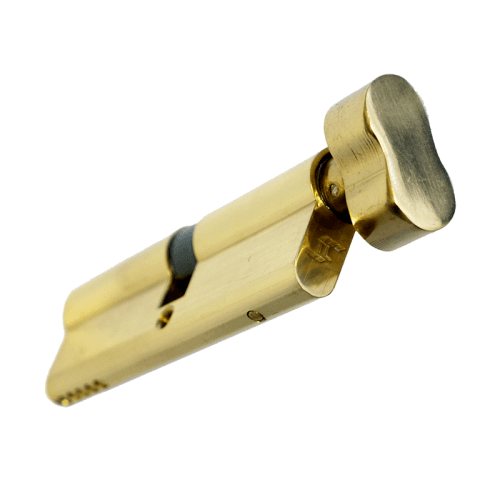
- TL Thumb Turn Euro Cylinder
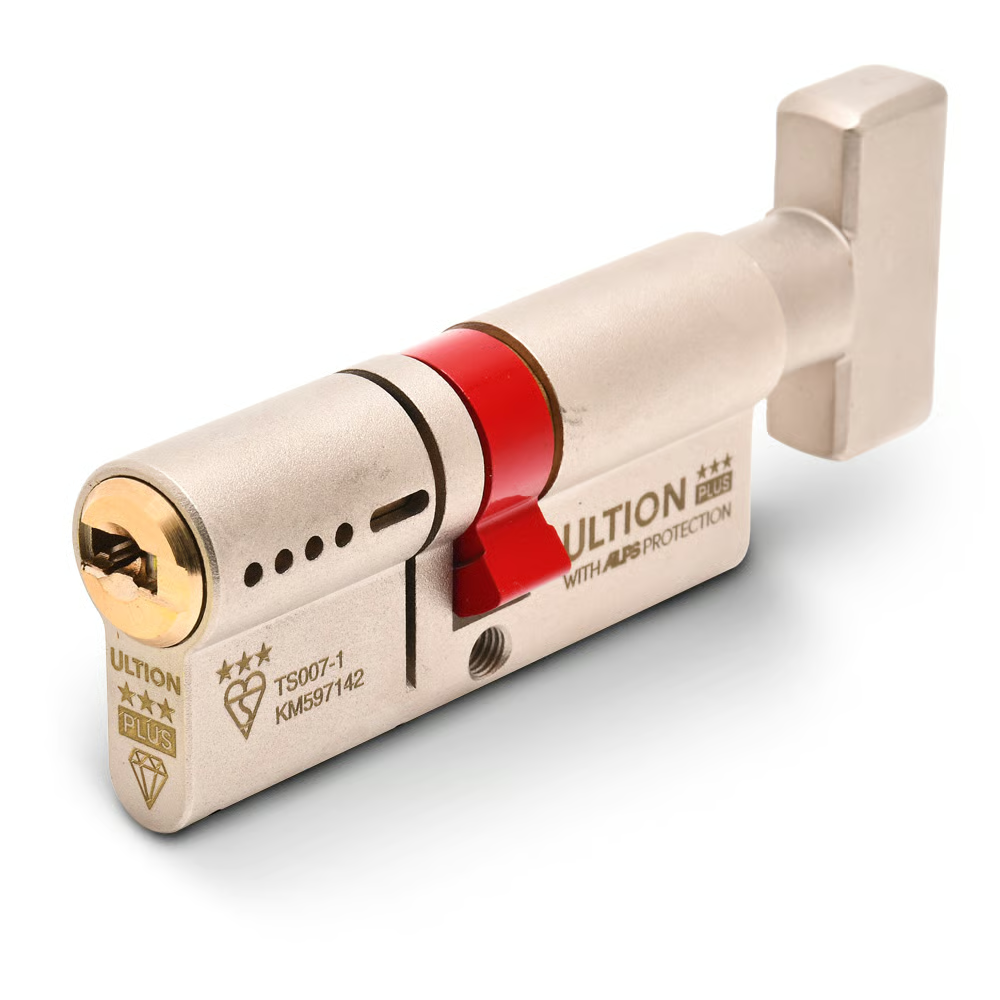
- Ultion Plus TS007 3* Kitemarked Euro Key & Turn Cylinder
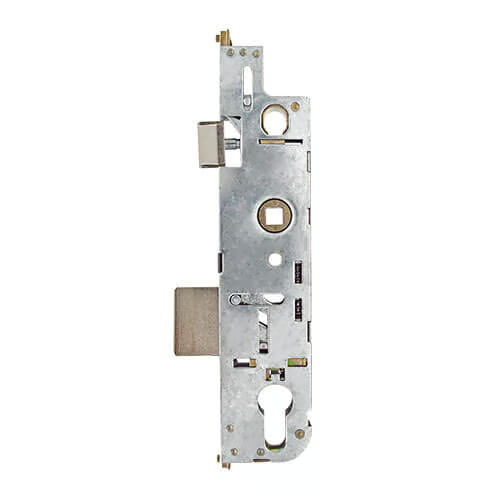
- Multipoint Gearbox GU Old Style
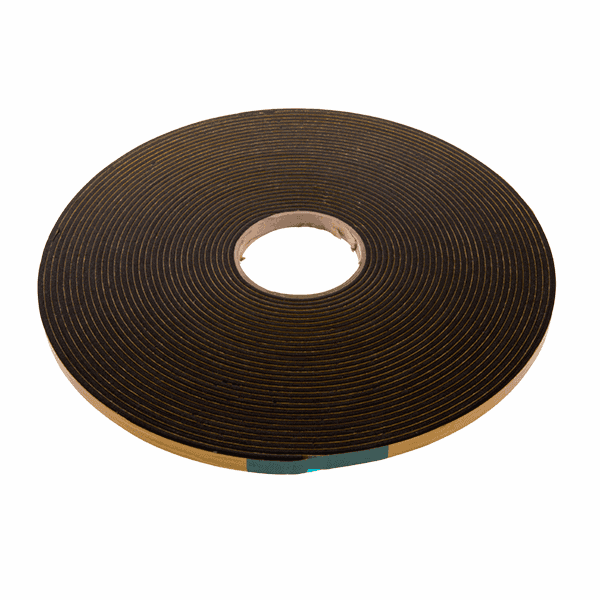
- Structural Glazing Tape - 20mm
- Security Glazing Tape
Conclusion and next steps
Choosing between a 40mm and 60mm night latch backset comes down to door style, clearance needs and existing fixings rather than security alone. Measure accurately from the door edge to the key or spindle centre, consider the door thickness and furniture layout, and select compatible keeps and cylinders. For trade installers, keeping both common sizes in stock and fitting reinforced keeps will reduce call-backs. For DIYers, use manufacturer templates and follow the fitting steps above; if in doubt consult a qualified locksmith.
For further reading on door lock types and standards visit our pillar page: /guides/door-locks. If you need specific product recommendations or help identifying an existing night latch, contact Window Hardware Store with photos and measurements and our team will advise on the correct backset and compatible hardware.
Related articles
How to Fit a Night Latch: Step-by-Step Installation Guide
How to Fit a Night Latch: Step-by-Step Installation Guide A night latch is a common surface-mounted lock fitted to the inside face of a front door; it lock...
How to Replace a Night Latch Lock: DIY Instructions
How to Replace a Night Latch Lock: DIY Instructions A night latch is a common surface-mounted lock found on many UK front doors; it offers easy exit from t...
Automatic vs Manual Night Latches: Which Type Do You Need?
Automatic vs Manual Night Latches: Which Type Do You Need? Choosing the right night latch for a front or back door is a common decision for UK homeowners a...