
Night Latch for uPVC Doors: Is It Possible?
Night Latch for uPVC Doors: Is It Possible? Installing a night latch on a uPVC door is possible in certain circumstances, but it is not as straightforward ...
Night Latch for uPVC Doors: Is It Possible?
Installing a night latch on a uPVC door is possible in certain circumstances, but it is not as straightforward as fitting one to a timber door. Homeowners and trade professionals need to consider door construction, reinforcement, locking standards and insurance requirements before deciding on a night latch for a uPVC entrance. This post explains what a night latch is, the technical issues around uPVC, practical trade advice and step-by-step DIY guidance.
What is a night latch?
A night latch is a rim-mounted lock fitted on the internal face of a door. It typically operates with a key from the outside and a snib or turn knob on the inside. Traditional night latches are spring-latched; a deadlocking night latch has a deadbolt that engages when the door closes, improving security. Night latches provide quick, single-point locking and are common on older timber doors.
Can you fit a night latch to a uPVC door?
Yes, you can fit a night latch to some uPVC doors, but several constraints apply: the door panel, the presence of internal steel reinforcement, the existing multipoint locking mechanism and the door manufacturer’s warranty. Most modern uPVC entrance doors are fitted with multipoint locks that rely on a central euro cylinder and multiple locking points along the edge. Retrofitting a rim-mounted night latch can interfere with that system and may be avoided by manufacturers.
Key technical points to check before proceeding:
- Is there continuous steel reinforcement in the door stile where the night latch will fix? Fixings must anchor into steel or a substantial backing plate; uPVC alone is too weak.
- Does the door already use a multipoint lock? Fitting a night latch as a primary lock is not recommended when a multipoint system is present; use it only as a supplementary device.
- Will a night latch meet insurance requirements? Many insurers insist on a minimum locking standard; night latches alone are often insufficient.
- Will installation void the door manufacturer’s warranty? Check the warranty and, if in doubt, consult the manufacturer.
Types and considerations
When a night latch is acceptable, choose the right type:
- Deadlocking night latch: preferable to a simple spring latch because it resists manipulation and forced entry better.
- Rim cylinder night latch: some models accept an external cylinder for single-handed key operation; ensure the cylinder has anti-snap and anti-drill features if used on uPVC.
- uPVC-specific kits: some manufacturers supply night latches designed for uPVC doors with longer fixing bolts and reinforced backplates to transfer load into the steel core.
- Secured by Design or similar approved products: use approved hardware to satisfy trade and insurance expectations where possible.
Practical trade advice
For installers and specifiers, the correct survey and preparation are critical:
- Survey first: remove trims if necessary and confirm the location and extent of the internal steel reinforcement. Measure door thickness and stiles.
- Prefer through-bolts: use coach bolts or machine screws that pass through the full door and are secured to a backing plate; this prevents shear failure of uPVC skin.
- Avoid cutting into multipoint mechanisms: make sure the latch position will not clash with the existing lock case, shootbolts or gearbox.
- Use appropriate fixings: M6 or M8 coach bolts of suitable length with backing plates can provide the necessary clamping force when the fixing points hit the internal steel.
- Document changes: record modifications and inform the homeowner of any warranty implications to avoid disputes later.
DIY guidance: fitting a night latch to uPVC
If you are an experienced DIYer and the door conditions are suitable, follow these steps. If you are unsure, instruct a qualified locksmith or door installer.
- Tools and materials: night latch suitable for uPVC, drill with metal and wood bits, centre punch, tape measure, spirit level, M6/M8 coach bolts, backing plate, threadlocker, silicone sealant, screwdriver, chisel for timber reveals if required.
- Step 1: Confirm reinforcement. Remove the internal trim to inspect for steel. If no reinforcement is present, do not proceed without adding a substantial backing plate or consulting a professional.
- Step 2: Positioning. Decide on the vertical position, usually above the handle. Use a template from the manufacturer to mark pilot holes. Check the backset so the latch aligns with the frame keep.
- Step 3: Drill pilot holes. Use small pilot holes through the uPVC and into the steel reinforcement if present. Take care with speed and cooling to avoid melting uPVC.
- Step 4: Fix the night latch. Fit the latch body to the internal face, using coach bolts through the door into a backing plate. Apply threadlocker to the bolts to prevent loosening over time.
- Step 5: Fit the keep. Mark and fit the strike plate to the frame. Use packers behind the keep to get a tight deadbolt engagement; uPVC frames may need reinforcing plates where the keep fixes.
- Step 6: Test and adjust. Check smooth operation; ensure the door closes fully into the keep and the cylinder operates without binding. Re-tension bolts after initial use and seal edges with silicone to keep out moisture.
Security and insurance considerations
A night latch can offer convenience but it is rarely a complete security solution on its own for a uPVC front door. Insurance providers commonly require locks that meet specific standards; multipoint locking with a good quality anti-snap euro cylinder is the typical requirement for modern uPVC doors. If a night latch is added, ensure it is a deadlocking model and used in conjunction with the existing multipoint system rather than replacing it.
For trade professionals specifying hardware, recommend a combination of multipoint locks, high-security cylinders and SBD-approved accessories. Where additional convenience is needed, an internal night latch can be a secondary lock, but document this in the job specification and on the homeowner’s handover notes.
Recommended Products
Based on this article, you may find these products helpful:
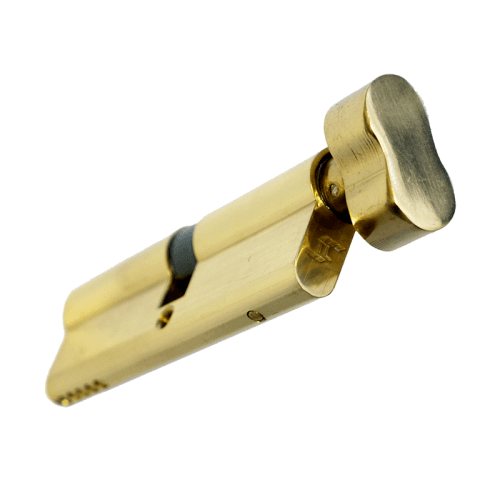
- TL Thumb Turn Euro Cylinder
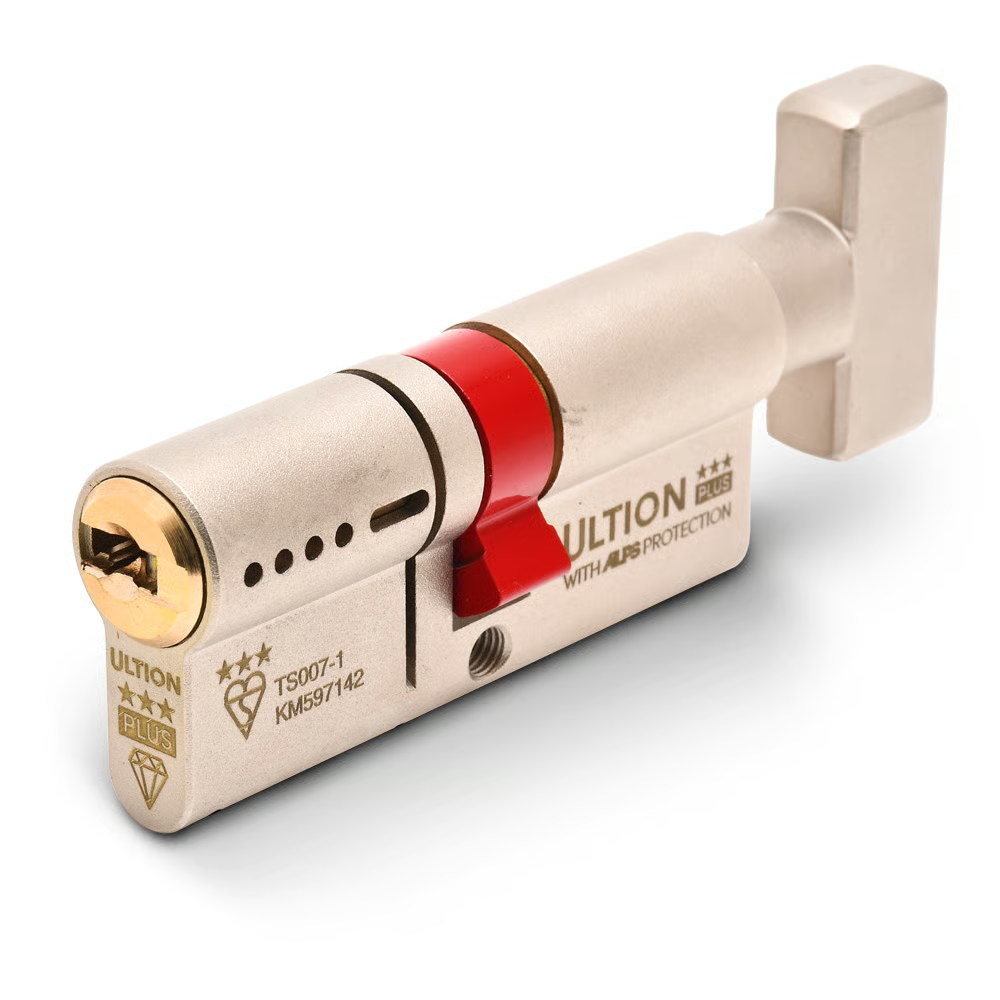
- Ultion Plus TS007 3* Kitemarked Euro Key & Turn Cylinder
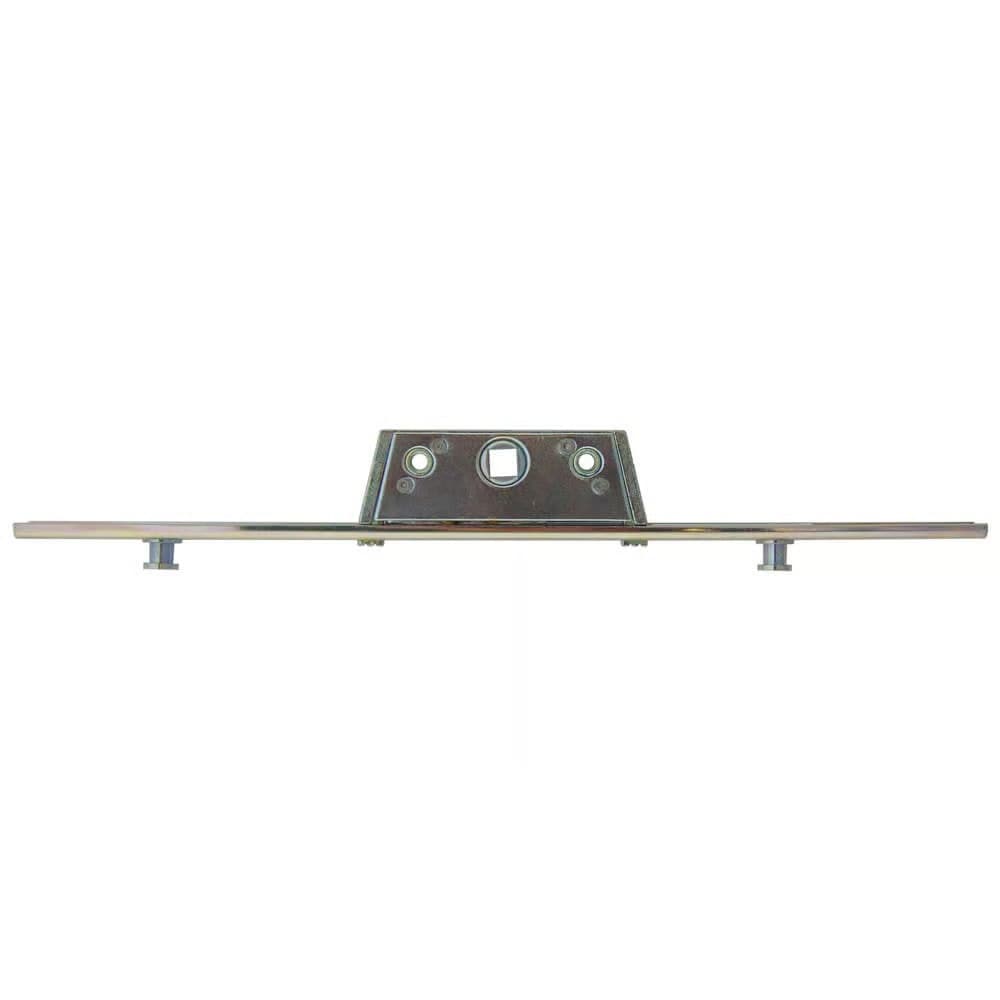
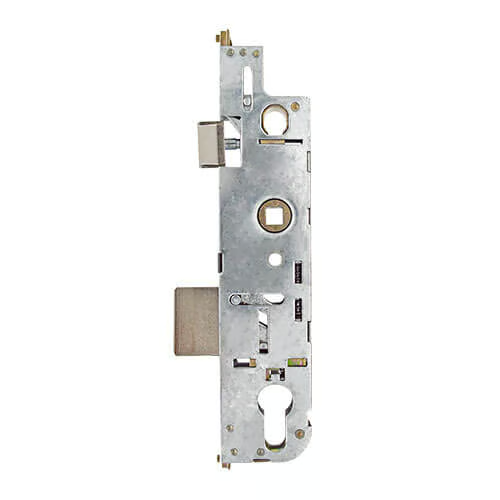
- Multipoint Gearbox GU Old Style
- In-Line Window Mechanism
- Offset Window Mechanism
Conclusion and next steps
A night latch can be fitted to some uPVC doors but only after a careful survey and with the right components and fixings. For most modern uPVC entrance doors, the best practice is to retain the multipoint locking system and consider a deadlocking night latch only as a supplementary device. Trade installers should check reinforcement, use through-bolts and approved hardware; DIYers should only attempt installation if they can confirm suitable reinforcement and understand the implications for insurance and warranty.
Next steps: inspect the door to locate internal steel, consult the door manufacturer if unsure, choose a deadlocking night latch or uPVC-specific kit, or contact a registered locksmith or installer for a professional survey. For more information on door lock types and standards, see our pillar resource: /guides/door-locks.

Related articles
How to Fit a Night Latch: Step-by-Step Installation Guide
How to Fit a Night Latch: Step-by-Step Installation Guide A night latch is a common surface-mounted lock fitted to the inside face of a front door; it lock...
How to Replace a Night Latch Lock: DIY Instructions
How to Replace a Night Latch Lock: DIY Instructions A night latch is a common surface-mounted lock found on many UK front doors; it offers easy exit from t...
Automatic vs Manual Night Latches: Which Type Do You Need?
Automatic vs Manual Night Latches: Which Type Do You Need? Choosing the right night latch for a front or back door is a common decision for UK homeowners a...