
Night Latch Security: How Safe Is a Standard Yale Lock?
Night Latch Security: How Safe Is a Standard Yale Lock? The term night latch is widely used by homeowners and trade professionals across the UK, often inte...
Night Latch Security: How Safe Is a Standard Yale Lock?
The term night latch is widely used by homeowners and trade professionals across the UK, often interchangeably with a Yale lock. But how secure is a standard Yale rim night latch when protecting an external door? This article examines common vulnerabilities, practical trade advice, and straightforward DIY improvements to raise security without compromising everyday usability.
What is a night latch and how does it work?
A night latch is a rim-mounted lock that fits on the face of the door; the latch is spring-loaded so the door locks automatically when closed. A Yale lock usually describes a rim cylinder night latch where the key operates the cylinder on the outside and a knob or snib operates the latch on the inside. Some models include a deadlocking feature: a plunger or deadlatch that prevents the latch being depressed from the outside with a card or similar tool.
Common vulnerabilities of a standard Yale night latch
- Carding and shimming: non-deadlocking latches can be forced open by slipping a thin tool between the door and frame to depress the latch.
- Cylinder snapping and torque attacks: many euro-profile cylinders can be snapped or forced at the point where they protrude from the door; this allows direct access to the locking mechanism.
- Force at the door and frame: rim latches often rely on short screws into the frame; sufficient lateral force or a heavy kick can fail the strike plate or split the frame.
- Lock bumping and picking: poorer quality cylinders can be susceptible to bumping and picking unless they are specifically anti-bump and anti-pick rated.
- False sense of security: insurers frequently expect a BS3621-compliant mortice deadlock or equivalent; a single night latch by itself may not meet policy requirements.
What makes a night latch acceptable or secure?
Not all night latches are equal. Look for the following attributes when assessing a Yale-style lock:
- Deadlocking feature: a deadlatch prevents the latch from being depressed from the outside and dramatically reduces carding risk.
- High-security cylinder: TS007 3-star or similarly certified anti-snap, anti-bump cylinders reduce the risk of cylinder attacks.
- Correct installation: long screws into the frame, reinforced strike plates, and correct alignment matter more than the name on the cylinder.
- Complementary hardware: combined use of a night latch with a mortice deadlock or multipoint lock provides layered security that insurers prefer.
Practical trade advice for installers
- Use the right cylinder: specify a TS007 3-star cylinder for external doors where a euro-profile cylinder is used; for rim cylinders select anti-snap, anti-drill options.
- Secure the strike: fit a reinforced strike plate or an extended metal box behind the frame; use long wood screws (minimum 60mm) to anchor into the framing or masonry where possible.
- Check door thickness and cylinder projection: measure door thickness accurately and order the correct cylinder length; a protruding cylinder increases snapping risk.
- Consider multipoint where appropriate: for uPVC, composite and timber doors a multipoint lock is generally superior to a single rim night latch for security and weather performance.
- Use correct fixings for metal frames: where doors sit in metal frames do not rely on self-tapping screws into thin metal. Use through-bolts with backing plates or specialist frame anchors.
- Test escape and fire egress: ensure internal knob or snib operation allows quick exit; trade work must not impede emergency escape.
DIY guidance for homeowners
If you are fitting or upgrading a night latch yourself, follow these practical steps:
- Inspect the cylinder: replace non-anti-snap cylinders with a TS007 3-star or a certified anti-snap unit. Measure inside and outside cylinder lengths so it sits flush; avoid excessive projection.
- Fit a deadlocking night latch: if your current latch is not deadlocking, replace it with a deadlocking model to prevent simple carding attacks.
- Reinforce the strike plate: remove the existing plate and replace with a heavy-duty plate; use at least three 60mm screws securing into the frame; if you cannot reach timber, use longer screws to reach the stud or masonry behind the frame.
- Check alignment: make sure the latch engages smoothly into the keep; misalignment can cause the latch to fail under load.
- Complement with another lock: add a BS3621 mortice deadlock to external doors if insurance requires it; alternatively use a multipoint mechanism on suitable doors.
- Know your limits: if the frame is rotten, the door warped, or the installation is into thin uPVC without reinforcement, consult a professional installer; insecure frames undermine any lock upgrade.
Standards and insurance considerations
Insurance policies in the UK commonly require external doors to have a minimum locking standard. A single night latch is often not enough unless it is supplemented by a certified mortice deadlock or meets insurer criteria. For cylinders, TS007 3-star is widely recommended; for deadlocks, BS3621 compliance remains the benchmark. Always check policy wording with insurers when planning upgrades.
When to upgrade from a standard night latch
Consider upgrading if your cylinder protrudes, your latch is not deadlocking, your frame is weak, or you require insurance-compliant hardware. For new installations or property refurbishments trade professionals usually specify a combination of a secure cylinder, a deadlocking night latch and a separate mortice deadlock or a multipoint system on external doors.
Recommended Products
Based on this article, you may find these products helpful:
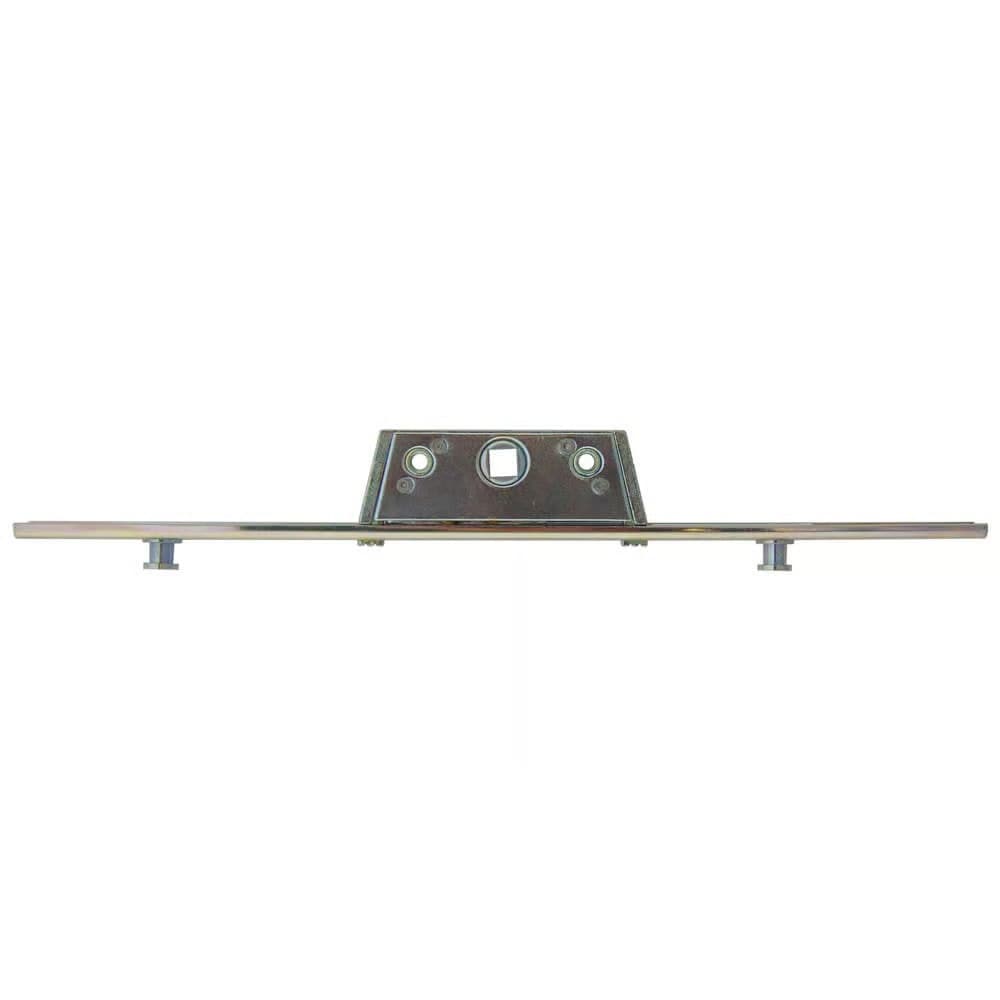
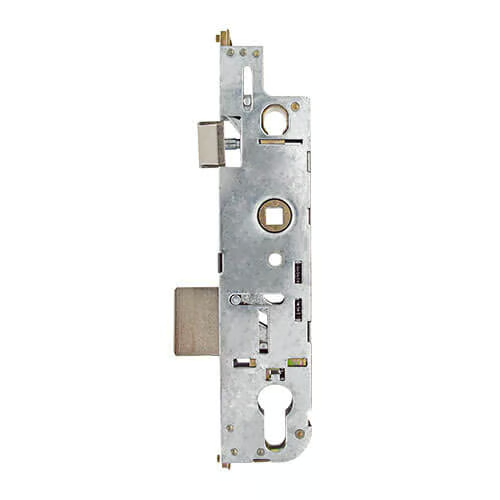
- Multipoint Gearbox GU Old Style
- In-Line Window Mechanism
- Offset Window Mechanism
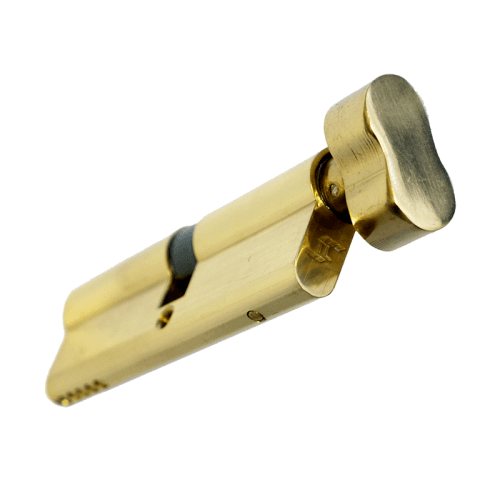
- TL Thumb Turn Euro Cylinder
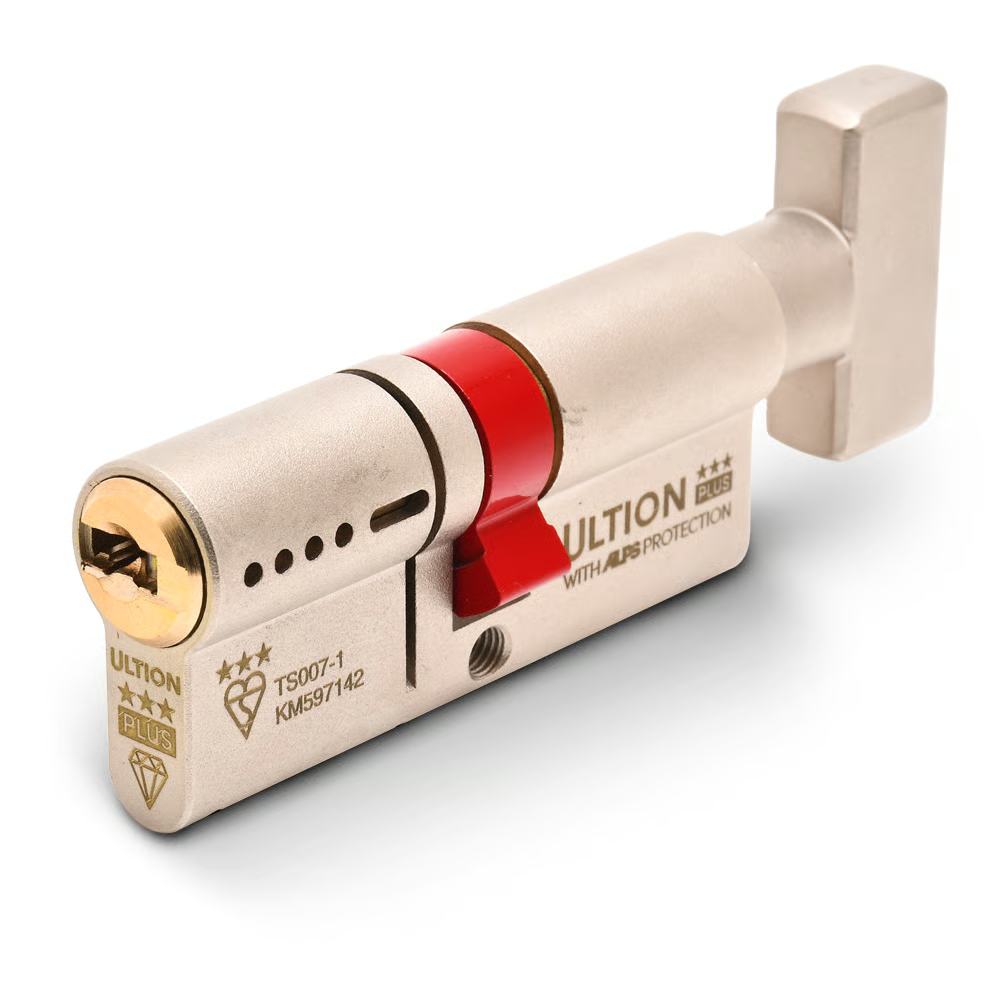
- Ultion Plus TS007 3* Kitemarked Euro Key & Turn Cylinder
Conclusion and next steps
A standard Yale rim night latch provides convenience and basic security but can be vulnerable without the right cylinder, deadlocking feature and proper installation. For solid protection upgrade to an anti-snap, TS007-rated cylinder, fit a deadlocking night latch and reinforce the strike and frame; add a BS3621 deadlock or multipoint system where insurance or higher security is required. For product choices and certified cylinders visit our door locks resource at /guides/door-locks.
Next steps: inspect your current night latch and cylinder, measure the door and frame, and decide whether a cylinder replacement, deadlocking latch or a full upgrade is needed. If you are unsure, contact Window Hardware Store for technical advice or a list of recommended local installers.

Related articles
How to Fit a Night Latch: Step-by-Step Installation Guide
How to Fit a Night Latch: Step-by-Step Installation Guide A night latch is a common surface-mounted lock fitted to the inside face of a front door; it lock...
How to Replace a Night Latch Lock: DIY Instructions
How to Replace a Night Latch Lock: DIY Instructions A night latch is a common surface-mounted lock found on many UK front doors; it offers easy exit from t...
Automatic vs Manual Night Latches: Which Type Do You Need?
Automatic vs Manual Night Latches: Which Type Do You Need? Choosing the right night latch for a front or back door is a common decision for UK homeowners a...