
Sash Window Lock Buying Guide: Style and Security
Sash Window Lock Buying Guide: Style and Security Sash windows are a defining feature of many UK properties; their slim profiles and vertical movement requ...
Sash Window Lock Buying Guide: Style and Security
Sash windows are a defining feature of many UK properties; their slim profiles and vertical movement require locks that deliver security without spoiling the appearance. This buying guide explains the main sash window lock types, materials and fitting considerations; it gives practical trade tips and DIY pointers so you can choose locks that suit period properties and modern replacements alike. For more on related products see our pillar page: window locks and restrictors.
Why the right sash window lock matters
Sash windows can be vulnerable if fitted with the wrong hardware. The right lock will: improve security against forced entry; meet insurance and regulator expectations where required; offer child-safe ventilation via restrictors; and preserve the visual character of the window. Trade professionals should specify locks that can be reliably fixed into the existing frame; homeowners should consider ease of installation and finish to match original ironmongery.
Common types of sash window locks
- Sash fasteners / cam locks: Surface-mounted units that pull top and bottom sashes together using a cam action. Popular for timber sash windows because they are simple to fit and have a traditional look. Available in keyed and non-keyed versions.
- Keyed sash locks: Provide higher security because they lock both sashes together with a key-operated mechanism. Recommended where insurers or local requirements request locked windows when not in use.
- Sash stops / restrictors: Limit the opening for child safety and ventilation. Options include keyed restrictors and spring-loaded or friction restrictors. Ideal for upstairs rooms where fall prevention is a concern.
- Mortice sash locks / deadbolts: Installed into the stile of the sash for a more secure, flush finish. These require chiselling or routing and are preferred on refurbished or high-security installations.
- Sash jammers and security bars: Surface-mounted bars that reinforce closed sashes against levering. Useful as a secondary measure for rented properties or where a quick retrofit is needed.
- Sash lifts and catches: Assist with operation but are not primary security devices. Combine with a locking solution for full protection.
Materials, finishes and environmental considerations
Choose lock materials to suit both the property and the setting. Solid brass gives an authentic period finish and can be lacquered to resist tarnish. Stainless steel and coated steel offer superior corrosion resistance near the coast. Powder-coated finishes and black ironmongery are popular on contemporary schemes.
Always use corrosion-resistant fixings to match the lock material; plain steel screws will rust and can stain paint and timber. For seaside properties specify 316 stainless fixes where prolonged exposure to salt air is expected.
Security standards and trade advice
Some sash locks and restrictors form part of wider Secured by Design or PAS 24 compliant window systems; check manufacturer's documentation if compliance is required for a project or to satisfy an insurer. When specifying for trade projects, consider both the locking mechanism and the frame strength: poor fixings into thin or rotten timber will defeat a good lock.
Trade tip: use countersunk or coach screws with a minimum engagement of 20 to 30 mm into sound timber. For surface-mounted fasteners use No.8 or No.10 woodscrews; for heavier mortice fittings use longer No.10 or No.12 screws into a solid packer where necessary. Pilot holes and correct screw type will avoid splitting narrow stiles.
Measuring and fitting: practical pointers
- Measure the meeting rails: ensure the fastener will engage precisely when both sashes are closed; test before final fixing.
- For keyed locks mark the centreline and ensure the cylinder clearance is available; some locking mechanisms require backset clearance within the stile.
- Surface-mounted sash fasteners are the easiest DIY option: remove paint at the fixing points, use pilot holes and tighten screws progressively to avoid distorting the fitting.
- Mortice locks require chiselling or routing for a neat finish; drill pilot holes for the fixing screws and use a router jig for consistent depth if fitting multiple windows.
- When replacing old hardware check sash alignment: worn pulleys, frayed cords or uneven weights can prevent locks engaging. Rebalance or service the counterweight system before fitting a new lock.
- For repair of rotten timber consider making a hardwood packer glued into place, or use a consolidant and epoxy repair if replacement of the sash stile is not immediately possible. Always ensure fixings bite into sound material.
Maintenance and troubleshooting
Regular maintenance keeps sash locks functioning and reduces wear: lubricate moving parts with a light machine oil or silicone spray; graphite powder is useful for keyed locks. Avoid using penetrating sprays as a long-term lubricant because they attract dust and grit. Check and re-tension any fixings annually, particularly if paint layers obscure screw heads.
Common problems and quick fixes:
- Lock will not engage: check for sash drop or swelling after wet weather; plane the sash or adjust the meeting rails if required.
- Loose fixings: replace stripped holes with a hardwood packer or use a longer screw into sound timber.
- Key stiffness: check for paint in the mechanism and lubricate the cylinder sparingly; if jumping teeth or key turning issues persist, replace the lock.
Installation: DIY vs trade
Homeowners can successfully fit surface-mounted sash fasteners and restrictors using basic tools; take care with alignment and use corrosion-resistant screws. Mortice locks and any work that requires routing, altering the sash profile, or addressing rotten timber are best handled by a skilled joiner or locksmith. For listed buildings consult conservation officers before changing historic ironmongery; a period-appropriate replacement may be required.
Recommended Products
Based on this article, you may find these products helpful:
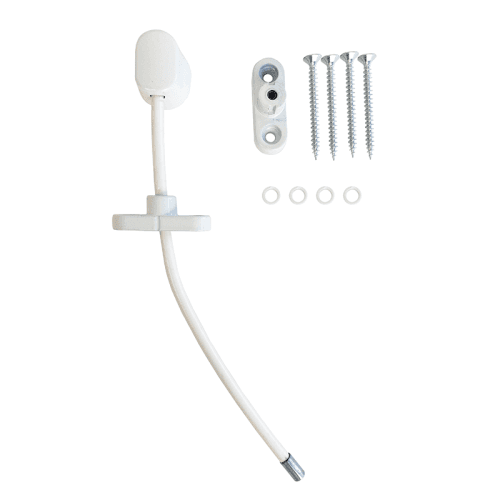
- UAP Keyless Window Restrictor
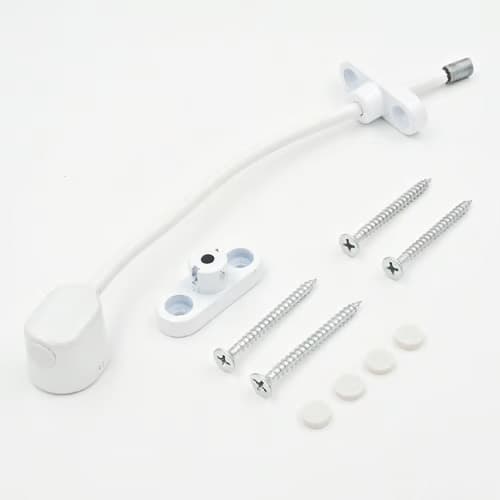
- TSS Keyless Cable Window Restrictor
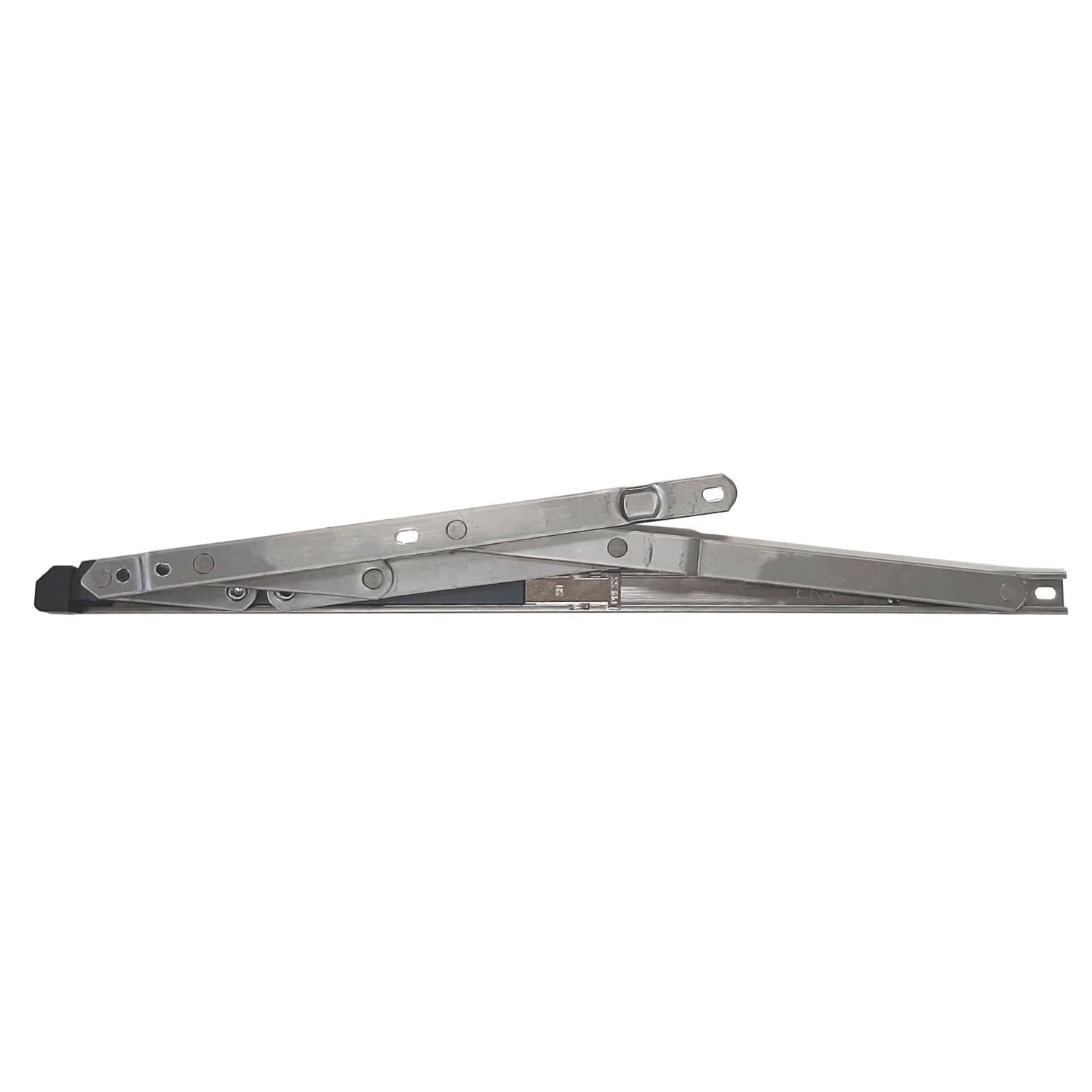
- Restricted Friction Stay Hinges
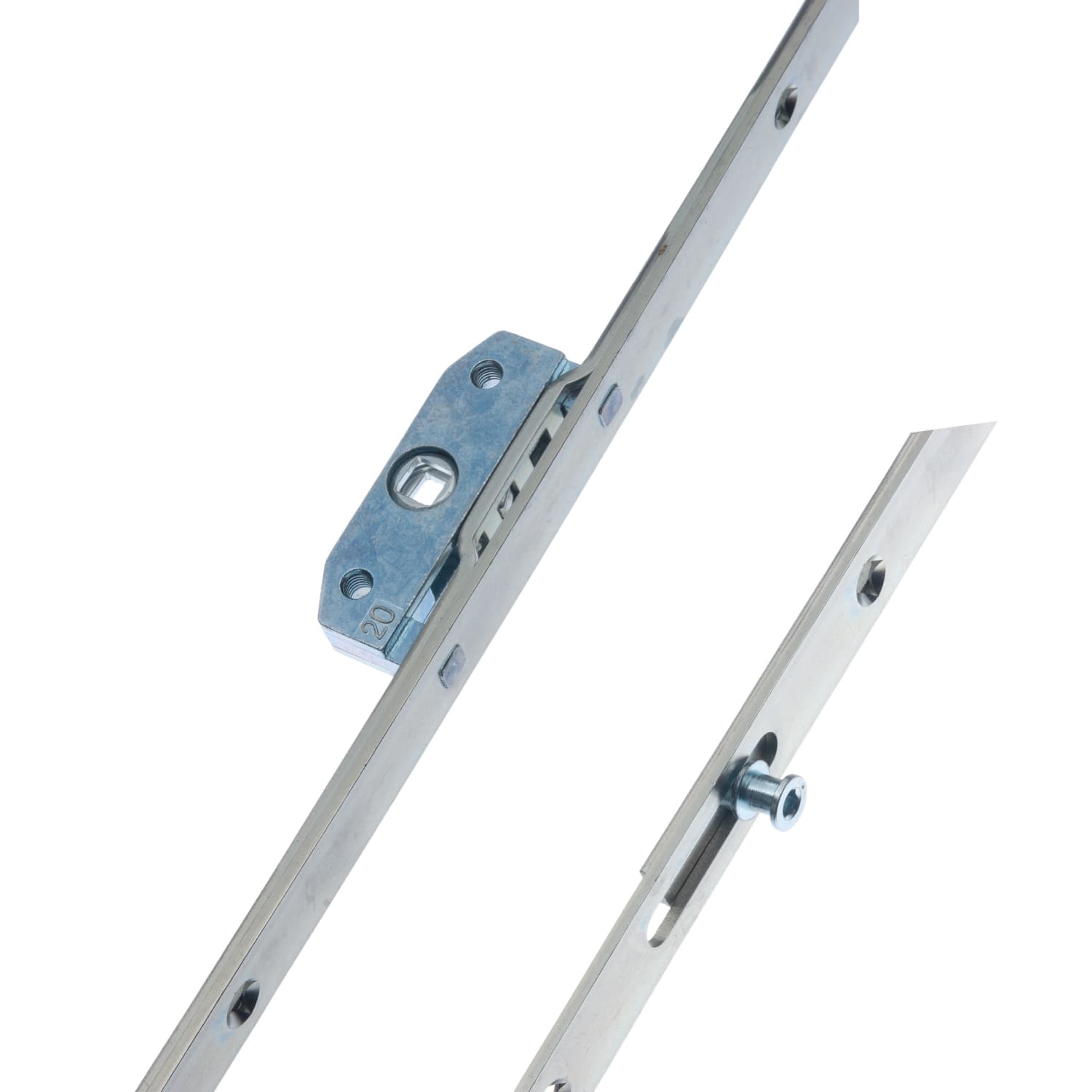
- ERAB Espagnolette Window Lock Universal Lock Replacement
- In-Line Window Mechanism
Conclusion and next steps
Choosing the correct sash window lock balances security, appearance and practical installation. For most timber sash windows a keyed sash fastener or mortice sash lock will offer the best security; restrictors provide essential child-safety ventilation where required. Trade professionals should specify fixings and materials appropriate to the frame condition; DIYers should opt for surface-mounted units unless they have joinery experience.
Next steps: inspect the sash meeting rails and frame condition; decide whether a keyed or non-keyed solution is needed; select a finish to match existing ironmongery; and if in doubt, contact a qualified joiner or locksmith. For further reading and product options see our detailed resource at /guides/window-locks-restrictors or speak to our trade team for technical support.
Related articles
Window Restrictors
What Is a Cable Window Restrictor? How They Work
What Is a Cable Window Restrictor? How They Work A cable window restrictor is a simple mechanical device fitted to a window to limit how far it can open. I...
Cable Window Restrictor Safety Features Explained
Cable Window Restrictor Safety Features Explained What a cable window restrictor does and where it is used A cable window restrictor is a safety device fit...