
Sash Window Lock Maintenance: Keeping Your Windows Secure
Sash Window Lock Maintenance: Keeping Your Windows Secure Sash windows are a common feature in many UK homes. The sash window lock is a small component tha...
Sash Window Lock Maintenance: Keeping Your Windows Secure
Sash windows are a common feature in many UK homes. The sash window lock is a small component that makes a big difference to weather performance, energy efficiency and home security. Regular maintenance prevents wear, avoids costly replacements and keeps your windows functioning smoothly for decades.
Why regular maintenance matters
Unlike some other fittings, a sash window lock is a moving part that is exposed to dust, paint, moisture and mechanical wear. If left unchecked, misalignment or seized mechanisms reduce the lock's ability to pull meeting rails tightly together; that affects draught-proofing and makes the window easier to force. Regular maintenance also protects finishes and prevents corrosion in coastal or polluted environments.
Who should carry out maintenance
The tasks described below are suitable for competent DIYers and trade professionals. Complex faults, extensive corrosion or structural issues with sash cords and weights should be handled by an experienced joiner or window specialist. If your property is listed or in a conservation area, check conditions before altering traditional ironmongery or finishes.
Tools and materials you will need
- Screwdrivers (flat and Phillips) and a set of small Torx/allen keys if required
- Small brush or toothbrush and lint-free cloths
- Compressed air or a can of dry air for dislodging dust
- Light machine oil or light lithium grease for metal pivots; PTFE or silicone spray for sliding faces
- White spirit or isopropyl alcohol for cleaning grease and paint smears (use sparingly on painted timber)
- Replacement screws in matching finish; stainless steel or brass for corrosion resistance
- Wooden matchsticks, hardwood dowels and PVA or a small tube of epoxy for stripped screw repairs
- Replacement sash cord or spring balances if the window has traditional weights
Routine inspection: what to check and how often
Inspect sash window locks at least twice a year: spring and autumn are convenient. Check more often for coastal properties or heavy use. During inspection look for:
- Free movement of the lock lever and latch; no sticking or grinding
- Missing, loose or corroded screws
- Damage or excessive paint build-up around the lock that prevents full engagement
- Gaps between meeting rails when the lock is engaged; the lock should draw the sashes tight
- Frayed sash cords, worn pulleys or failing spring balances if applicable
Cleaning and lubrication
Start by removing surface dirt and old lubricant: use a soft brush and cloth to clear dust and grit. Blow out recesses with compressed air where appropriate. For stubborn grime use a small amount of white spirit or isopropyl alcohol on a cloth; avoid soaking painted timber.
Lubricate moving parts lightly. For the lock mechanism use a few drops of light machine oil or a synthetic penetrating oil in the pivot and cam. For sliding faces where metal runs on metal, a PTFE or silicone spray provides cleaner, longer-lasting performance than standard multipurpose sprays. Avoid heavy greases on painted surfaces as they attract dust and can stain timber.
Adjustment and quick repairs
Many common problems are alignment related. If the lock does not engage easily:
- Check and tighten any loose screws; be careful not to overtighten and strip the hole
- If the strike plate or keep is slightly out of line, loosen its screws, reposition a few millimetres and retighten
- For a persistent misalignment, fit a thin metal shim behind the keep; tradespeople often use small strips of brass or stainless steel
- If screw holes are stripped, fill with PVA and matchstick material or a hardwood dowel glued in place; allow to cure before reattaching hardware
Replacing a sash window lock
Replacement is straightforward for most modern sash window locks. Remove the retaining screws, note the screw centres and backset, and take the old lock to your supplier to match the profile and finish. When fitting a replacement:
- Check that the new lock pulls the meeting rails together firmly; some locks have an adjustable cam to alter compression
- Use matching screw type and finish; stainless steel screws are a good long-term option for exposed locations
- Test operation several times and apply a final light oil to moving parts
Dealing with traditional sash systems
Older timber sashes often use cords and weights. Regular maintenance includes inspecting pulleys, re-roping if cords are frayed and checking weight box access. If the window is stiff, it may be due to paint build-up around the meeting rail; carefully shave back excess paint rather than forcing the sash. For sash cord replacement use traditional natural fibre or modern coated steel-serrated cord depending on the original specification and your preferences.
Security and upgrades
The basic sash window lock improves security but there are additional measures to consider for high-risk locations or rental properties:
- Keyed sash locks or sash deadlocks for added resistance to unauthorised opening
- Sash restrictors or limiters to prevent windows opening beyond a safe distance; useful for child safety and balcony doors
- Upgrade to stronger keeps and anti-lift pins to prevent forced lifting of the lower sash
- Ensure any upgrade remains compliant with escape requirements for fire safety
Practical trade tips
For installers and maintenance technicians: always remove build-up of paint around the lock before fitting new hardware. Use a non-marring tool to avoid damaging the finish. In coastal areas specify marine-grade finishes and fasteners. When replacing old ironmongery, replicate original screw positions where possible to preserve timber integrity and appearance.
DIY tips for homeowners
- Keep a small maintenance kit with the oil, cloth and screwdrivers so you can quickly address sticking locks
- Do not use household oil or heavy grease on sliding sash faces; use light machine oil or PTFE spray
- When in doubt about structural issues or historic windows, consult a specialist rather than stripping original features
Recommended Products
Based on this article, you may find these products helpful:
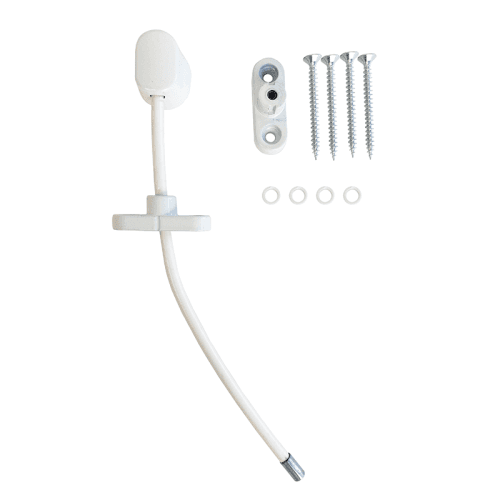
- UAP Keyless Window Restrictor
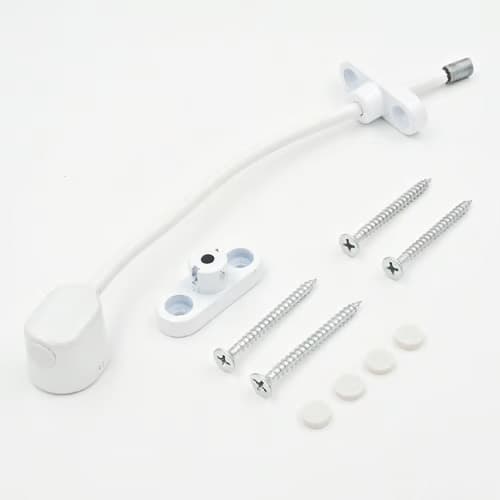
- TSS Keyless Cable Window Restrictor
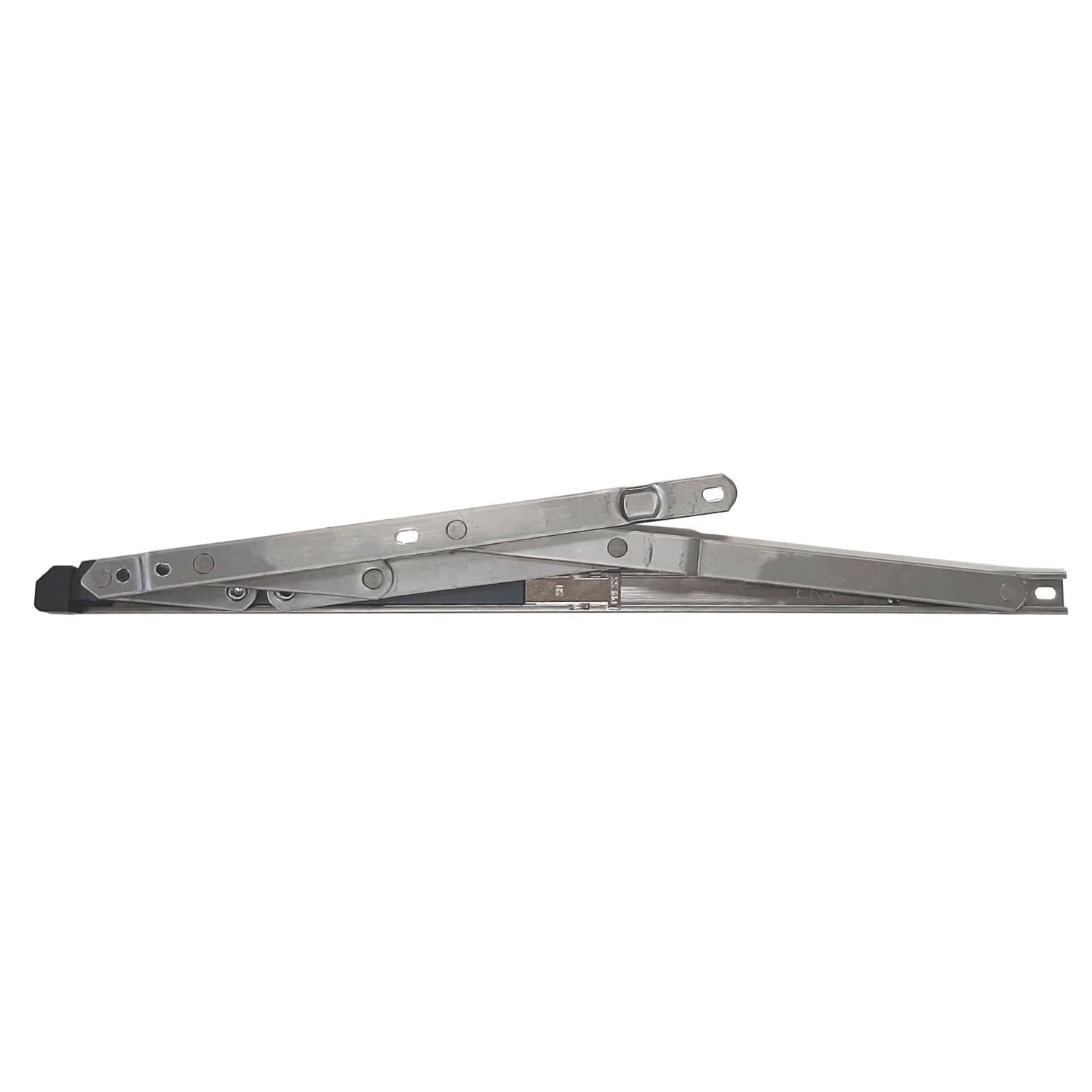
- Restricted Friction Stay Hinges
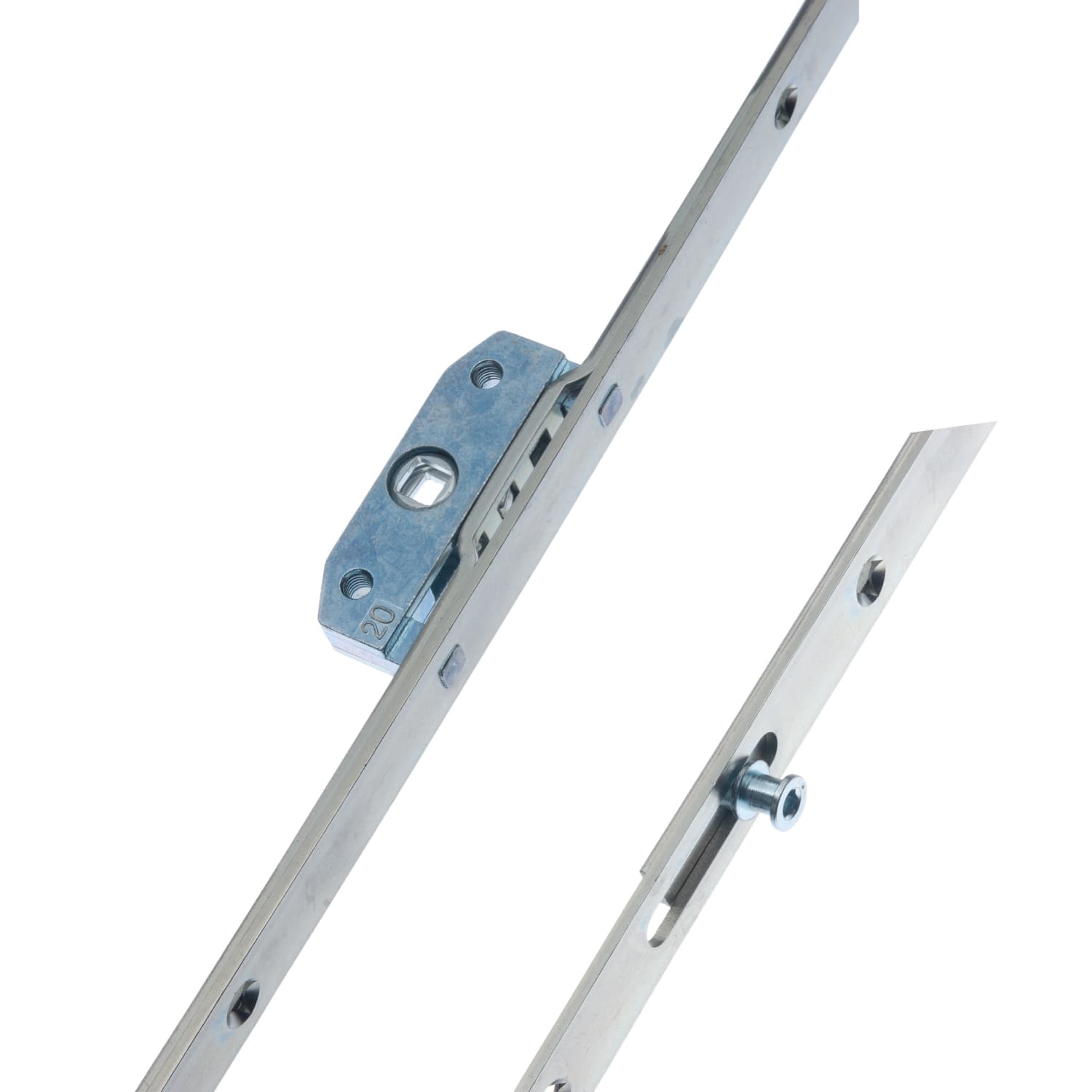
- ERAB Espagnolette Window Lock Universal Lock Replacement
- In-Line Window Mechanism
Conclusion and next steps
Regular attention to a sash window lock keeps windows secure, draught-free and easier to operate. Start with a six-month inspection cycle, clean and lubricate moving parts, tighten and align hardware, and replace worn locks or cords promptly. For more detailed information on restrictors and window locks visit our pillar page: /guides/window-locks-restrictors. If you need parts or professional advice, contact Window Hardware Store for tailored recommendations and trade-grade components.
Related articles
Window Restrictors
What Is a Cable Window Restrictor? How They Work
What Is a Cable Window Restrictor? How They Work A cable window restrictor is a simple mechanical device fitted to a window to limit how far it can open. I...
Cable Window Restrictor Safety Features Explained
Cable Window Restrictor Safety Features Explained What a cable window restrictor does and where it is used A cable window restrictor is a safety device fit...