
Sash Window Lock Types: Fitch, Brighton and Dual Screws
Sash Window Lock Types: Fitch, Brighton and Dual Screws Choosing the right sash window lock affects security, weather performance and longevity. Whether yo...
Sash Window Lock Types: Fitch, Brighton and Dual Screws
Choosing the right sash window lock affects security, weather performance and longevity. Whether you are a tradesperson fitting dozens of windows a week or a homeowner carrying out a repair, understanding the differences between Fitch, Brighton and dual-screw sash window lock styles helps you specify the correct product and fit it cleanly.
What a sash window lock does
A sash window lock secures the meeting rails of a sliding sash to prevent opening from outside and reduce rattles. On traditional timber windows it also pulls the sashes together to maintain compression with draught excluders. Modern aluminium and uPVC windows use multi-point or hook locks for security; however sash fasteners remain common on heritage and refurbishment projects and as secondary security measures on single sash installations.
Fitch sash window lock: features and uses
The Fitch fastener is a compact rotating catch with a hooked or serrated arm that engages a keeper plate; the name is often used for traditional cast or brass sash fasteners. Typical features include:
- Low profile cast or zamak body with decorative finishes such as polished brass, satin chrome or antique finishes
- Rotating handle that offers a positive mechanical engagement
- Ability to compress the meeting rails slightly to reduce rattles
Trade advice: Fitch fasteners are ideal where period appearance is required and security requirements are moderate. Use on timber sashes where you can sink the keeper into the stile for a flush fit. When replacing an old Fitch fastener, check the centre-to-centre distance of the fixing holes and replace with a model that matches to avoid additional new holes in the timber.
Brighton sash window lock: characteristics and benefits
The Brighton style is a decorative sash fastener with a longer handle and often a more substantial locking cam. It is sometimes chosen for its aesthetic match to Georgian and Victorian detailing. Key points:
- Stronger cam action than some smaller fasteners; provides good pull-in force
- Available in matching pair sets for double-hung sashes
- Commonly supplied in brass, bronze or plated finishes
DIY and trade guidance: The Brighton fastener needs solid timber for secure fixing. Use stainless steel or brass wood screws sized to the fastener's countersunk holes: typically 3.5mm to 4.0mm diameter screws are used. Pilot-drill with a drill bit about 0.5mm smaller than the screw shank to avoid splitting hardwood. If fitting to uPVC or aluminium, use the manufacturer’s recommended screws and sealing washers to maintain weather performance.
Dual-screw sash window lock: what it means and when to use it
“Dual screw” refers to fasteners that use two fixings on the lock body and two on the keeper; designs vary but the principle is more secure anchorage into the stile. This is popular on heavier sashes, on softwood where single screws can work loose, and where sash cords or weights prevent deep fixing.
- Better load distribution reduces risk of screws pulling out over time
- Useful when fitting to thin stiles where you need to avoid long screws
- Available in low-profile versions suitable for conservation work
Trade tip: Use longer screws into the inner face of the stile where there is more timber depth; avoid excessively long screws that may contact counterweight boxes or restrict sash movement. Where security is critical, upgrade to security screws or use a secondary sash restrictor; see the pillar reference for restrictor options at window locks & restrictors.
Tools, fixings and practical fitting steps
Common tools and consumables for fitting a sash window lock:
- Straight and crosshead screwdrivers; cordless drill/driver with clutch
- Drill bits for wood and pilot holes (2.5mm, 3mm, 3.5mm commonly used)
- Countersink or tapered bit for neat screwheads
- Spirit level, pencil, masking tape, chisel for keeper recess
- Stainless steel or brass screws to match the fastener
Basic fitting sequence:
- Test-fit the lock and keeper against the closed sashes; mark positions with pencil on masking tape to avoid marking finish
- Ensure meeting rails are flush and sash sits square; adjust sash cords or stops if necessary
- Pilot-drill screw holes using a drill bit slightly smaller than the screw shank; countersink if required
- If the keeper requires a recess, mark and pare out the timber using a sharp chisel for a flush fit
- Fix the lock to the lower sash and the keeper to the upper sash; test operation and adjust keeper position for smooth engagement
- Use threadlocker on metal-to-metal screws where movement is expected; avoid adhesive where future removal may be needed
Security, standards and maintenance
Sash window locks offer basic security but are not a substitute for modern multipoint locking. For enhanced protection, specify keyed sashlocks or upgrade to sash restrictors and laminated glass where appropriate. For new builds or where compliance is needed, refer to relevant standards and Secured by Design guidance for windows; a simple sash fastener will not meet high-security requirements on its own.
Maintenance is straightforward: lubricate moving parts annually with a light machine oil, check screws for tightness and replace any corroded fixings with stainless steel. On painted windows, touch up paint around fixes to prevent rot on timber surrounds.
Common pitfalls and trade shortcuts
- Avoid using excessively long screws in slim stiles: risk of hitting weights or cords
- Do not over-tighten screws in softwood; strip-out is a frequent cause of failure
- When retrofitting, try to match hole centres to avoid multiple screw holes which weaken the timber
- For conservation projects, choose reversible fixings and maintain original sightlines
Recommended Products
Based on this article, you may find these products helpful:
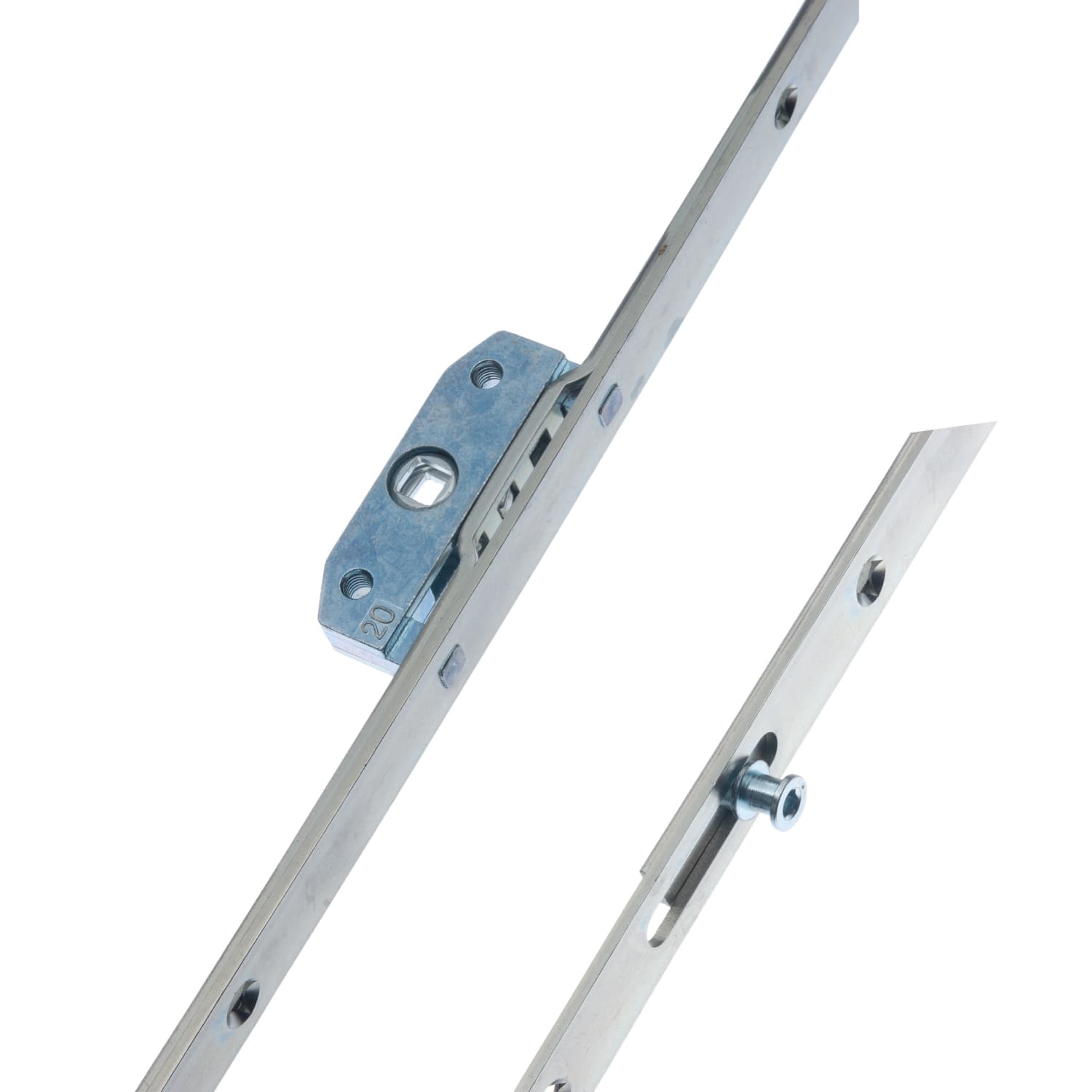
- ERAB Espagnolette Window Lock Universal Lock Replacement
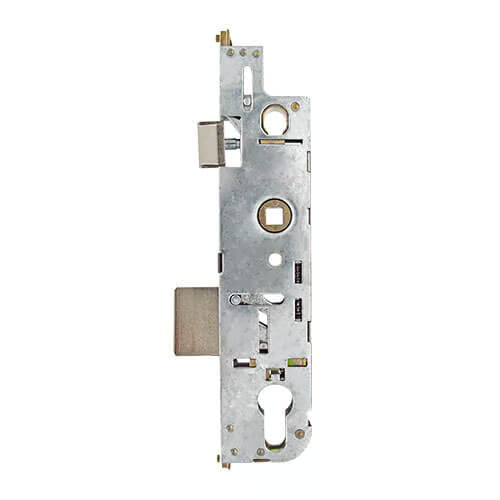
- Multipoint Gearbox GU Old Style
- E-Type Gasket - Black 5m Roll
- E-Type Gasket - Black (Per Metre)
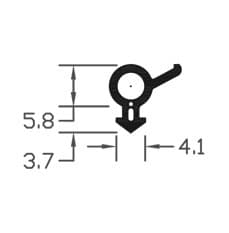
- B003 Bubble Gasket
Conclusion and next steps
Choosing between Fitch, Brighton and dual-screw sash window locks depends on the balance between appearance, pull-in force and security. Tradespeople should specify materials and screw types appropriate to the substrate; homeowners can fit most sash fasteners with basic tools, careful marking and correct pilot-hole practice.
Next steps: inspect your sashes to confirm stile depth and existing hole centres, select the finish and fastener style that matches the window, and consult the technical pages on our site for restrictors and security upgrades at /c/windows-restrictors.
Products mentioned in this article
Related articles
Window Restrictors
What Is a Cable Window Restrictor? How They Work
What Is a Cable Window Restrictor? How They Work A cable window restrictor is a simple mechanical device fitted to a window to limit how far it can open. I...
Cable Window Restrictor Safety Features Explained
Cable Window Restrictor Safety Features Explained What a cable window restrictor does and where it is used A cable window restrictor is a safety device fit...