
Sash Window Security: How Safe Are Traditional Windows?
Sash Window Security: How Safe Are Traditional Windows? Sash windows are a defining feature of many UK homes: elegant, ventilating and often original to pe...
Sash Window Security: How Safe Are Traditional Windows?
Sash windows are a defining feature of many UK homes: elegant, ventilating and often original to period properties. But traditional sash windows can also be a weak point for burglars if left with basic or worn hardware. This post examines the real security performance of sash windows, the role of a correct sash window lock, practical upgrades for homes and trade-level solutions for installers.
What makes sash windows vulnerable?
Understanding the common failure points helps when specifying hardware or planning a retrofit. Typical vulnerabilities include:
- Worn sash cords or balances that allow the lower sash to drop suddenly; this can lead occupants to prop the sash open or fit temporary, insecure fixes.
- Loose or rotten timber in sash stiles, meeting rails or frames; fixings in degraded timber offer little resistance to levering.
- Basic or failed sash fasteners that only pull the two sashes together; some traditional locks rely on small, short screws that are easy to force.
- Old single-glazed panes with loose glazing beads; external beads that are easily removed allow glass removal and access.
- Incorrectly installed or missing restrictors; ground-floor sash windows without a means to prevent full opening are exposed.
How effective is a sash window lock?
A correctly specified and fitted sash window lock significantly raises resistance to unauthorised entry. The term covers several types of hardware: keyed sash locks that join the meeting rail, sliding sash locks that latch across both sashes, sash stops that prevent the sash being lifted, and sash restrictors that limit opening distance. The effectiveness comes from three things: the design of the lock, the quality of fixings and the condition of the timber it is fixed into.
For a robust solution choose a sash window lock with a tested security rating or one that contributes to an overall Secured by Design or PAS 24 compliant assembly. Keyed locks with hardened steel components and deep screw engagement into sound timber will stop opportunistic entry attempts in most suburban situations.
Practical upgrades for homeowners
If you are a homeowner considering improvements, the following measures give the best value for money and performance:
- Fit a keyed sash window lock at the meeting rail: this prevents lifting of the lower sash and forces the burglar to attack the timber instead of simply levering the sashes apart.
- Install sash restrictors to limit opening to 100mm where ventilation or child safety is required; choose models with an internal release for egress if the window is part of an escape route.
- Replace single glazed panes at ground floor with laminated glass, or fit internal secondary glazing; laminated glass holds when struck and is harder to remove quickly.
- Check the condition of the frame and stiles; repair or replace rotten timber so fixings for the sash lock have solid purchase.
- Improve perimeter security: secure fastenings, longer stainless steel screws into the frame and consider reinforced keeps where feasible.
DIY guidance: fitting a sash window lock
Many homeowners can fit a basic sash lock with the right tools and care. Key tips:
- Match the lock to the sash profile: measure the meeting rail thickness and ensure the lock is suitable for single or double hung sashes.
- Use stainless steel or brass screws of appropriate length; aim to penetrate at least 35 to 45mm into sound timber where possible. If the timber is thin, use longer screws into the frame rather than into the sash stile alone.
- Pilot drill screw holes to avoid splitting. Countersink where necessary so the lock sits flush and the sash closes tightly.
- Position the lock so the two sashes sit squarely together; an off-set lock will not provide full engagement and is easier to force.
- After fitting, test operation repeatedly: open and close several times and check the sash cannot be lifted when locked; re-tighten fixings after initial settling.
Trade-level options and specification advice
For installers and specifiers, consider the following to meet client expectations and regulatory recommendations:
- Where a high-security outcome is required specify hardware that contributes to PAS 24 or Secured by Design assemblies. Keep documentation and fitting instructions on record.
- Use sash locks with hardened steel bolts and keep plates that allow deep screw engagement into the frame. Fit long coach screws into the head and sill where access allows.
- Upgrade traditional sash cords to spiral balances or block-and-tackle replacements when ropes are frayed; modern balances give better control and prevent sash dropping that encourages insecure fixes.
- Consider coordinating glazing upgrades with hardware: laminated glazing combined with locking beads raises the effort required to gain entry substantially.
- When retrofitting into historic properties maintain sightlines and reversibility where possible; choose surface-mounted restrictors or locks designed for conservation use if required.
Maintenance and long-term considerations
Security is not a one-off job. Regular inspection and maintenance extend the life and performance of sash window security measures:
- Check screws and keep plates annually and replace any corroded fixings.
- Lubricate moving parts with a light oil to prevent seizure; ensure key locks operate smoothly and keys are kept secure.
- Monitor timber condition; early rot repair prevents hardware from losing its bite.
- Review escape requirements: do not fit permanent restrictors on windows that are primary means of escape without a quick-release option.
Where to go next
If you are choosing hardware or planning a retrofit for a client or your own property consider these steps: survey each sash window for timber condition and glazing type; identify which windows are ground floor or easily accessible; select sash window lock types and restrictors appropriate to each location; and if in doubt specify a tested solution that contributes to PAS 24 or Secured by Design.
For more detailed product options and fitting methods see our dedicated pillar content on window locks and restrictors at: /c/windows-restrictors
Recommended Products
Based on this article, you may find these products helpful:
- UAP Keyless Window Restrictor
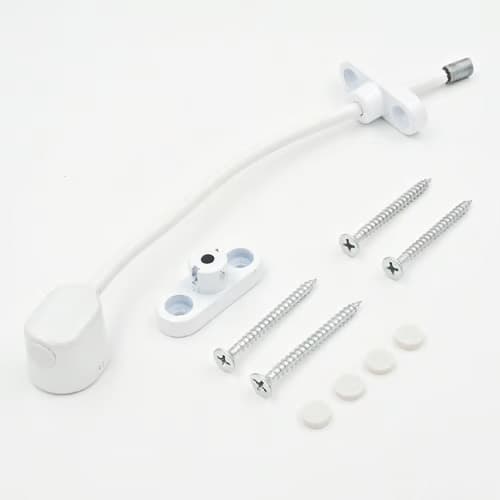
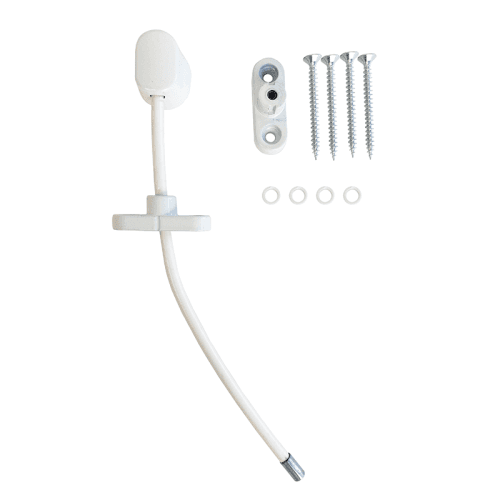
- TSS Keyless Cable Window Restrictor
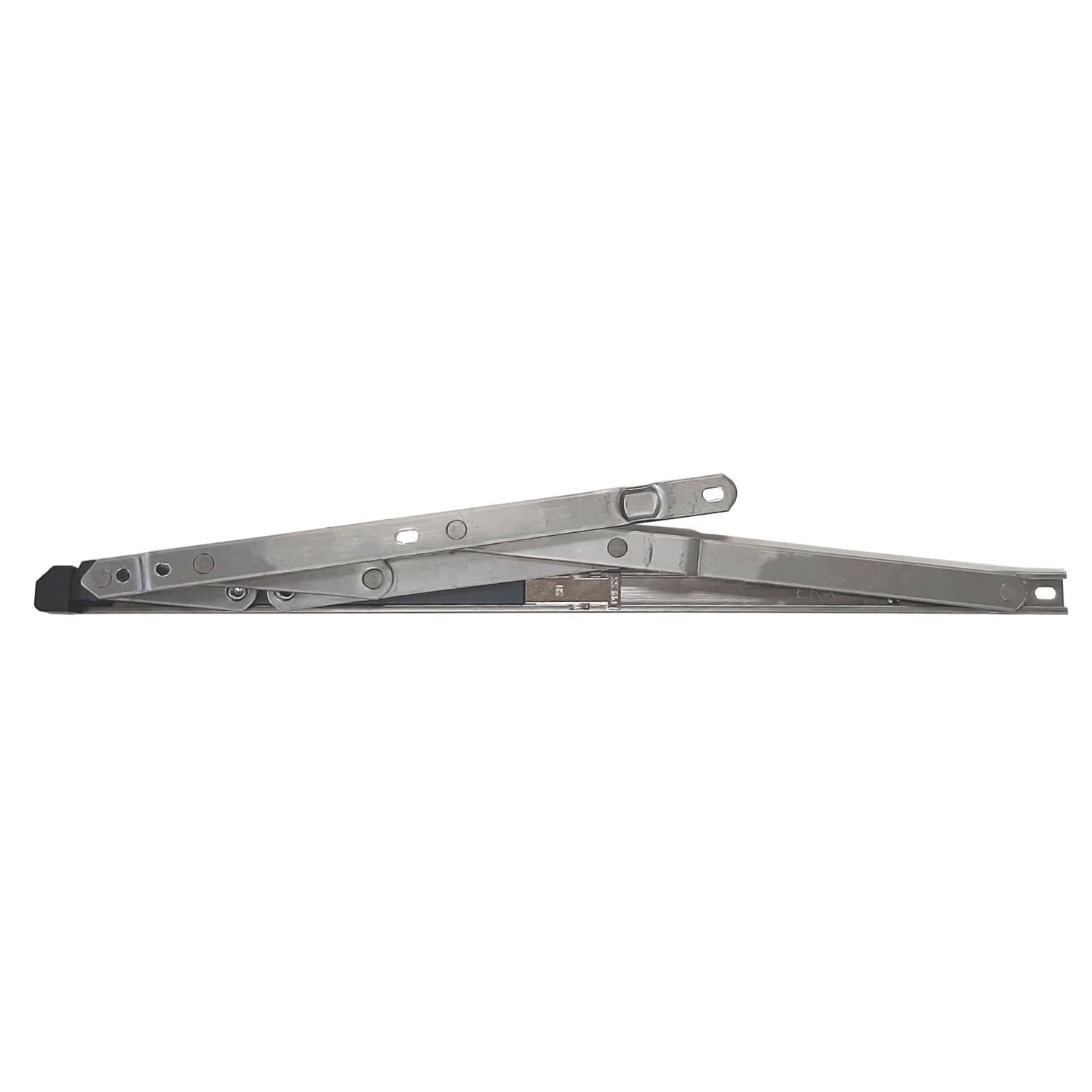
- Restricted Friction Stay Hinges
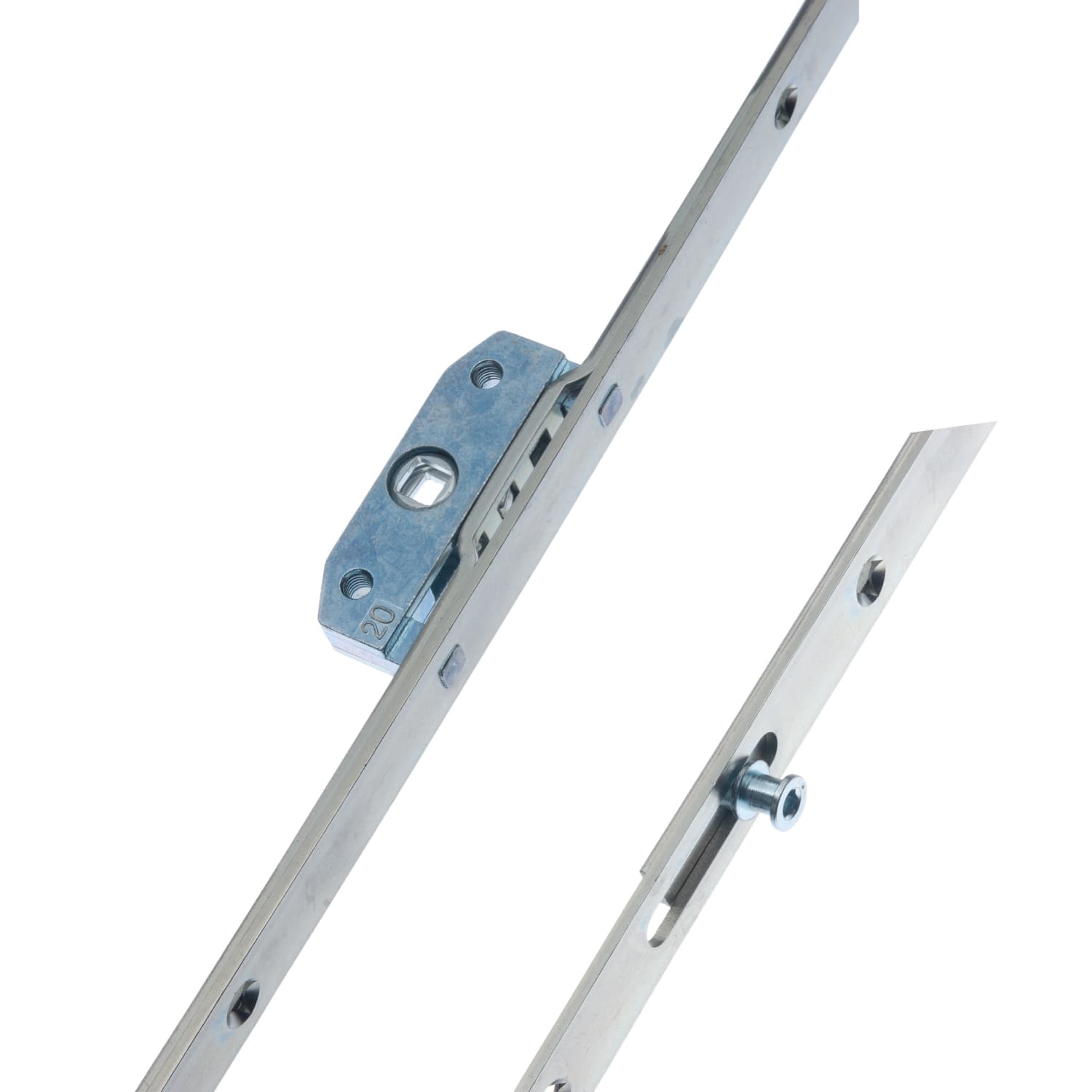
- ERAB Espagnolette Window Lock Universal Lock Replacement
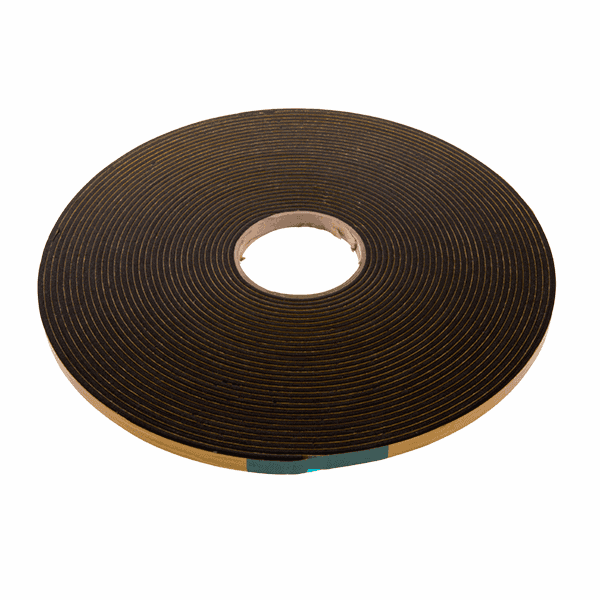
- Structural Glazing Tape - 20mm
Conclusion
Traditional sash windows can be secure when supported by correctly specified hardware and sound joinery. A quality sash window lock, fitted into good timber with appropriate fixings, makes forced entry more difficult and deters opportunistic burglars. Combine locks with restrictors, improved glazing and regular maintenance for the best outcome. If you need help selecting tested hardware or arranging a site survey contact a professional installer or a trusted local joiner who understands sash window repair and security requirements.
Related articles
Window Restrictors
What Is a Cable Window Restrictor? How They Work
What Is a Cable Window Restrictor? How They Work A cable window restrictor is a simple mechanical device fitted to a window to limit how far it can open. I...
Cable Window Restrictor Safety Features Explained
Cable Window Restrictor Safety Features Explained What a cable window restrictor does and where it is used A cable window restrictor is a safety device fit...