
Single vs Double Cylinder Deadbolts: Which Is Right for You?
Single vs Double Cylinder Deadbolts: Which Is Right for You? Choosing the right deadbolt can make a significant difference to the security and usability of...
Single vs Double Cylinder Deadbolts: Which Is Right for You?
Choosing the right deadbolt can make a significant difference to the security and usability of a door. For UK homeowners and trade professionals, understanding the differences between single and double cylinder deadbolts is essential when specifying locks, fitting hardware or advising clients. This article compares the two types, covers relevant standards, offers trade tips and provides straightforward DIY guidance for safe installation and best practice.
What is a deadbolt?
A deadbolt is a robust locking mechanism where a solid metal bolt extends into the door frame to resist forced entry. Unlike spring-latch locks, deadbolts require a deliberate turn of a key or thumbturn to retract the bolt; the bolt cannot be depressed by force. In the UK context you will often encounter mortice deadlocks, rim deadlocks and deadbolts fitted to timber and composite doors; on uPVC and aluminium doors the locking function is usually part of a multipoint system with euro cylinders.
Single cylinder deadbolts: how they work and pros
A single cylinder deadbolt is operated from the outside with a key and from the inside with a thumbturn. Typical advantages include:
- Quick egress: occupants can unlock the door from inside without a key, important for fire safety and everyday convenience.
- Simplicity: fewer keys to manage when leaving or entering quickly; useful for family homes, rental properties and flats.
- Compatibility: single cylinders fit easily into most mortice cases and multipoint systems that accept euro cylinders or rim cylinders.
- Regulatory compliance: single-cylinder fittings are commonly accepted by building control and insurers when other safety measures are in place.
Double cylinder deadbolts: how they work and pros
Double cylinder deadbolts have a key-operated cylinder on both sides of the door. The bolt is controlled only by turning a key from either side. Situations where they are selected include doors with substantial fixed glass panels; the logic is that an intruder cannot smash the glass and unlock from the inside because a key is required on the interior side.
Benefits include:
- Increased resistance to certain attack vectors where glazing gives access to the thumbturn.
- Consistency of security: the same cylinder type and key profile are used both sides.
Security comparison and risks
Neither option is a universal solution; each has trade-offs.
- Security: with modern high-quality cylinders and reinforced strike plates, single-cylinder deadbolts provide strong resistance to forced entry. Double-cylinder fittings can prevent unauthorised unlocking through broken glass; however, other measures such as laminated glass or security film often provide a safer solution.
- Safety and egress: double cylinders introduce a fire and escape risk; in an emergency a key is required to exit. For residences where young children, elderly occupants or visitors may be present, this is a serious consideration and could affect compliance with building regulations or insurance.
- Standards and insurance: insurers and building control favour lock types that do not impede safe escape. Where a double cylinder is specified for a good reason it should be paired with emergency egress plans and appropriate signage when used in commercial settings.
Relevant British standards and cylinder types
When specifying or fitting deadbolts, use compliant components. Key standards and recommendations for the UK market include:
- BS 3621: the long-standing standard for thief-resistant locks, usually applied to five-lever mortice deadlocks on traditional timber doors.
- TS007 3-star: the British Standard for euro cylinder security; choose 3-star cylinders for external doors on uPVC and composite doors to satisfy many insurers.
- Enhanced cylinder features: anti-snap, anti-drill and anti-bump elements are essential for resilience against common attacks on euro cylinders.
Practical trade advice for installers and specifiers
When advising or fitting deadbolts, consider the full door assembly and site conditions:
- Assess glazing: if there is glazed sidelights or panels within arm’s reach of the handle, consider laminated glass, internal bars, or a reinforced external cylinder; avoid defaulting to double cylinders without addressing egress and safety.
- Reinforce the frame: fit heavy-duty strike plates and use long coach screws into the door frame or lining; 70mm to 100mm screws into the main frame or packers will significantly improve resistance to kick-in attacks.
- Correct bolt throw: aim for a bolt throw of at least 20mm; deeper bolts that engage fully into the frame are more secure. Verify the strike keeps are precisely aligned to prevent binding.
- Cylinder selection: specify TS007 3-star euro cylinders on uPVC/composite doors; on timber with a mortice case choose BS 3621 five-lever deadlocks where required by insurance.
- Masterkeying and key control: for multi-occupancy projects, plan key systems carefully and discuss key control measures with the client; restricted profile keys can add a layer of security.
DIY guidance for homeowners
If you plan to fit a deadbolt yourself, follow these practical steps and safety notes:
- Choose the right product: match the deadbolt to door thickness and type; for uPVC doors use products designed for multipoint systems and compatible cylinders.
- Tools and template: use the manufacturer’s template, a chisel or router for clean mortices, appropriate screwdriver bits, a power drill with correct diameter bits for the cylinder and bolt holes, and a spirit level to ensure vertical alignment.
- Measure twice: check backset and centreline before cutting; a wrong measurement can weaken the door or require replacement.
- Reinforce the frame: even in DIY installs, replace the standard short screws in the strike plate with longer security screws that reach the structural frame. This is one of the most effective DIY upgrades to improve security.
- Test operation: before completing fixings, test the bolt operation and key turn multiple times; adjust keep position to eliminate binding and ensure smooth action.
- Consider professional help: if you have any doubt about fire egress, structural suitability or insurance implications, consult a professional locksmith or your insurer before fitting a double-cylinder arrangement.
Choosing which deadbolt is right for your property
Decide by balancing security needs with safety and compliance requirements. Single-cylinder deadbolts are suitable for most domestic doors and are the safer option for rapid escape. Double-cylinder deadbolts can be useful where glazing makes the thumbturn vulnerable; however, employ them only after considering laminated glazing, additional internal protection and occupant safety. Always use certified cylinders and products, and pair locks with frame reinforcement and good installation practice.
Recommended Products
Based on this article, you may find these products helpful:
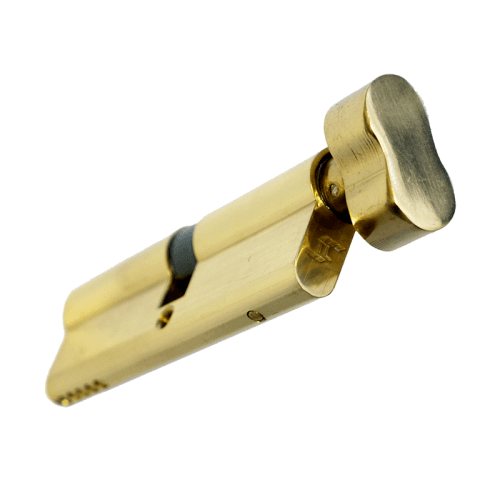
- TL Thumb Turn Euro Cylinder
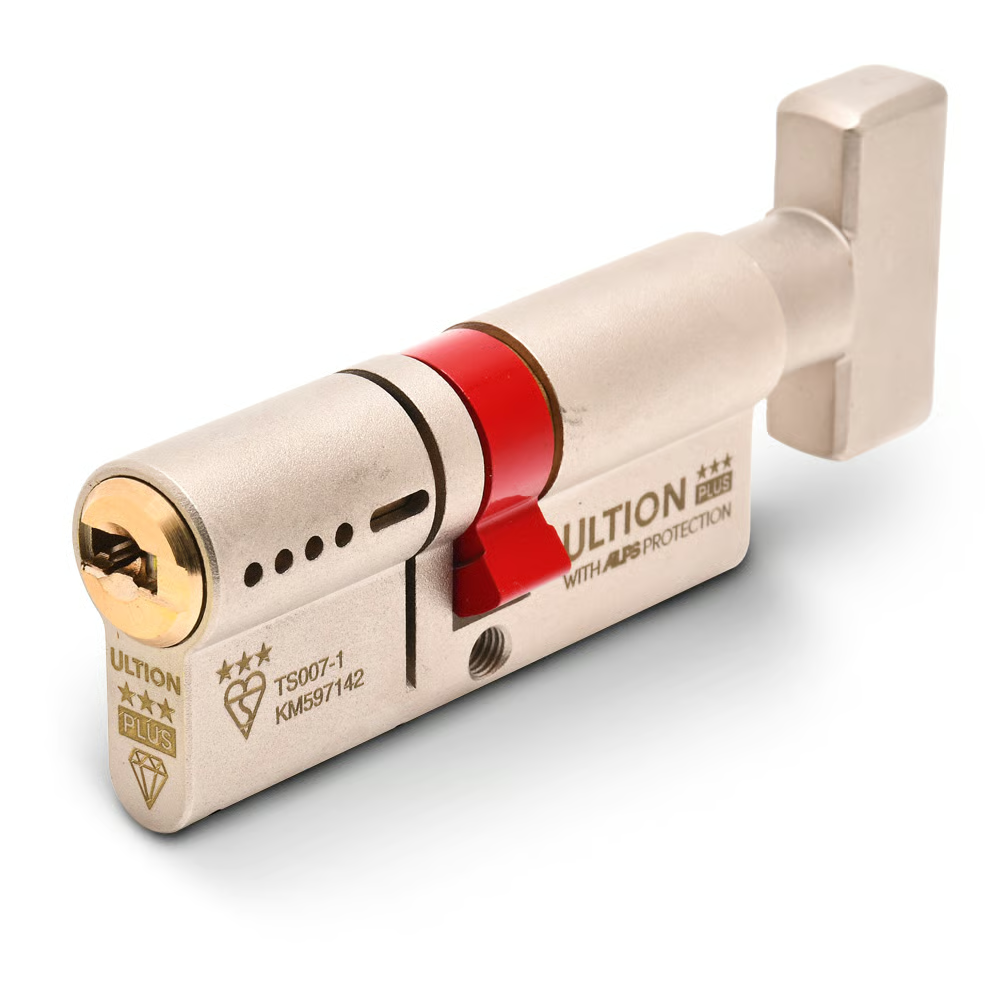
- Ultion Plus TS007 3* Kitemarked Euro Key & Turn Cylinder
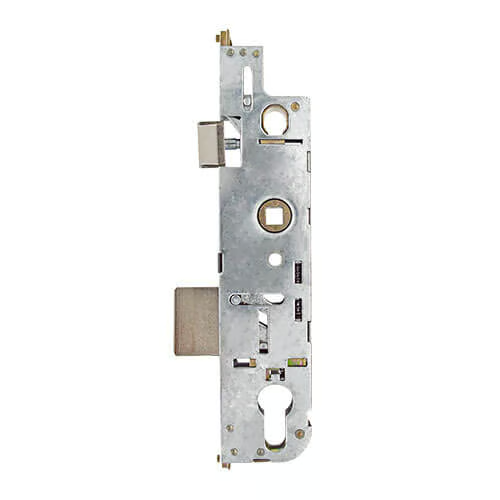
- Multipoint Gearbox GU Old Style
- In-Line Window Mechanism
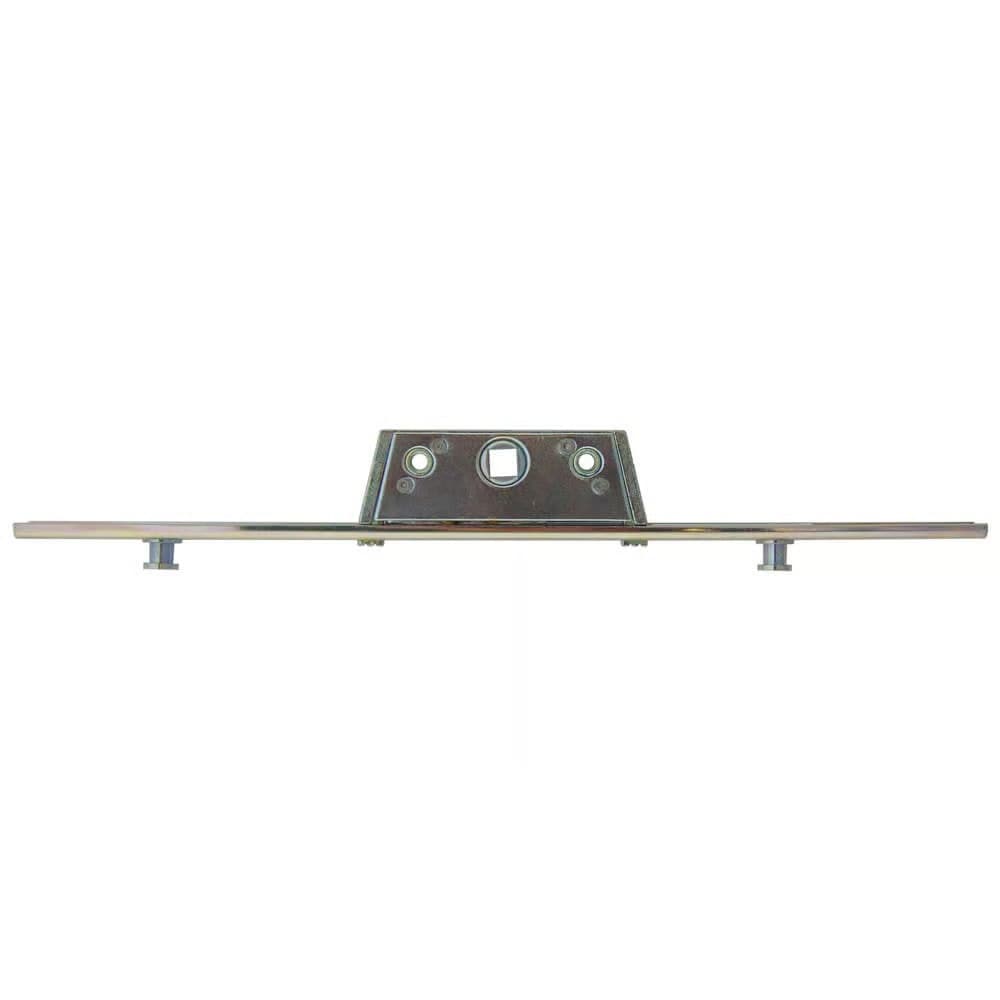
- Offset Window Mechanism
Conclusion and next steps
Your next actions should be to survey the door and surrounding glazing, check your insurer’s requirements, and select a lock that meets the appropriate British standards. For trade professionals, ensure you specify compatible cases, correct bolt throws and reinforced strike plates. For homeowners attempting a DIY fit, use manufacturer templates, long frame screws, and consider professional fitting where escape or compliance is a concern. For more detailed information on lock types and standards see our wider door locks guide or contact Window Hardware Store for product recommendations and trade pricing.

Related articles
uPVC Door Lock Maintenance: Keep Your Lock Working Smoothly
uPVC Door Lock Maintenance: Keep Your Lock Working Smoothly A well maintained upvc door lock reduces call-outs, keeps a property secure and extends the lif...
Hook Lock Sizes and Compatibility: Matching Your Existing Lock
Hook Lock Sizes and Compatibility: Matching Your Existing Lock Replacing a hook lock can be straightforward if you know what to measure and what to check f...
Replacing Individual Hook Locks vs Full Multipoint Mechanism
Replacing Individual Hook Locks vs Full Multipoint Mechanism Deciding whether to replace a single hook lock or the entire multipoint mechanism is a common ...