
Smart Deadbolts: Are They Worth the Investment?
Smart Deadbolts: Are They Worth the Investment? What is a smart deadbolt? A smart deadbolt is an electronically controlled locking device that replaces or ...
Smart Deadbolts: Are They Worth the Investment?
What is a smart deadbolt?
A smart deadbolt is an electronically controlled locking device that replaces or complements a traditional deadbolt. Instead of relying solely on a mechanical key, it can be operated by smartphone apps, PIN codes, keycards, Bluetooth, or home automation protocols such as Zigbee, Z‑Wave or Wi‑Fi. Models range from simple retrofit cylinders that fit into an existing lock to fully integrated mortice deadbolts with motors, batteries and remote access.
Benefits for homeowners and trade professionals
Smart deadbolts offer clear advantages that appeal to both households and installers who need to specify solutions for clients:
- Convenience: keyless entry, one-time guest codes, and remote access for tradespeople, cleaners or deliveries.
- Audit trails: logs of who entered and when; useful for landlords, rental properties and property managers.
- Integration: ability to tie locks into alarm systems and smart home platforms for scened behaviour; e.g. locking when the alarm arms.
- Upgrades for older doors: retrofit smart cylinders can modernise security without replacing the entire door.
Security and compliance: what to check
Security must be the priority when specifying a deadbolt for a UK property. Smart features do not compensate for poor mechanical protection; installers should ensure products meet relevant standards:
- BS3621: insurers often expect this for burglary-resistant deadlocks on external doors.
- PAS24 or Secured by Design: look for doors and hardware tested to enhanced standards when fitting new doors or specifying systems for clients.
- TS007 3‑star cylinders: provides anti-snap protection for euro cylinders; consider anti-bump, anti-drill and anti-pick features.
- Sold Secure ratings: relevant for sheds, outbuildings and specialist applications.
Also consider fallback: many smart locks provide a mechanical key override. Select products that allow mechanical entry if batteries fail or electronics malfunction.
Compatibility: doors, multipoint locks and cylinders
Not all doors are suitable for a standalone smart deadbolt. Many UPVC and composite doors use multipoint locking mechanisms; replacing these with a single deadbolt is not acceptable. Options to consider:
- Smart cylinders: replace an existing euro cylinder with a smart cylinder that maintains the multipoint function. Measure cylinder length accurately to avoid protrusion.
- Dedicated smart multipoint units: some manufacturers offer motorised multipoint locks that fit into existing cases; these are more complex to fit and require professional installation.
- Surface-mounted smart deadbolts: suitable for secondary doors or internal applications; check door thickness and clearance.
Installation and DIY guidance
Trade professionals and competent DIYers can install many smart deadbolts, but attention to detail is essential for security and reliability:
- Measure first: door thickness, backset, cylinder length, faceplate size and hole centres. Order the correct size; a protruding cylinder is vulnerable to attack.
- Reinforce the frame: always fit long screws (minimum 60mm; preferably 80mm) through hinges and strike plates into the frame studs. Fit a reinforced strike plate or upgrade to a boxed striking plate for mortice deadbolts.
- Use anti‑snap cylinders or cylinder guards where appropriate; fit to PAS24/TS007 standards where required by insurers.
- Follow manufacturer templates: ensure motor units have adequate clearance; check that the latch and bolt fully throw and retract without binding; correct alignment prevents premature battery drain.
- Battery access: position units so users can change batteries without removing the whole lock. Recommend rechargeable options for heavy use, but warn clients about the need for a reliable charger strategy.
- Wiring and comms: if the unit requires mains or wired connections, isolate power before work. If integrating with home automation, confirm protocol and hub compatibility on site.
Practical trade advice
When specifying for clients, include the following in your job quote or spec sheet:
- Confirm compatibility with the door and any existing multipoint gear; do not assume a direct swap is possible.
- Recommend door and frame reinforcement as a separate line item: strike plate upgrade, hinge bolts and longer fixings.
- Clarify warranty and maintenance: set expectations for battery replacement intervals, firmware updates and software subscriptions for cloud features.
- Test the lock thoroughly on site: check key override, app pairing, keypad functionality and remote access before handing over to the customer.
- Provide end‑user training: show how to issue temporary codes, remove devices from an account on tenancy changes, and what to do if the lock goes offline.
Costs, risks and value for money
Smart deadbolts are more expensive than basic mechanical deadlocks. Prices vary by type and feature set: simple retrofit smart cylinders may cost from around £150 to £300; fully integrated motorised mortice deadbolts can be £300 to £600 or more. Consider recurring costs: consumables such as batteries and optional cloud subscriptions for remote access.
Security risks relate mostly to poor installation, weak cylinders and neglected firmware updates. Choose established manufacturers, insist on anti‑tamper mechanical features, and include update/maintenance checks in service contracts.
Value is highest where convenience and auditability matter: landlords, holiday lets, high turnover properties and clients who need remote access will recoup time and management savings. For simple family homes that rarely require guest access, a high‑quality mechanical deadlock to BS3621 may be more cost‑effective.
Recommended Products
Based on this article, you may find these products helpful:
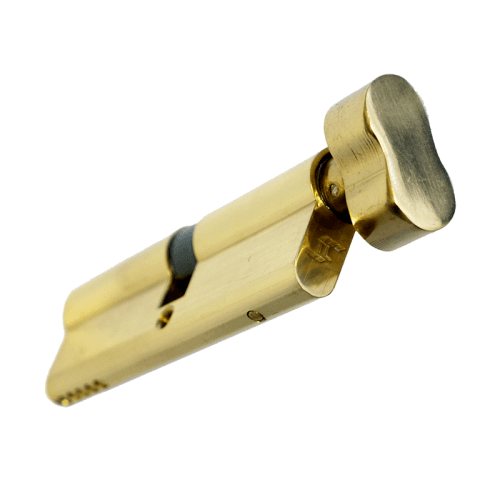
- TL Thumb Turn Euro Cylinder
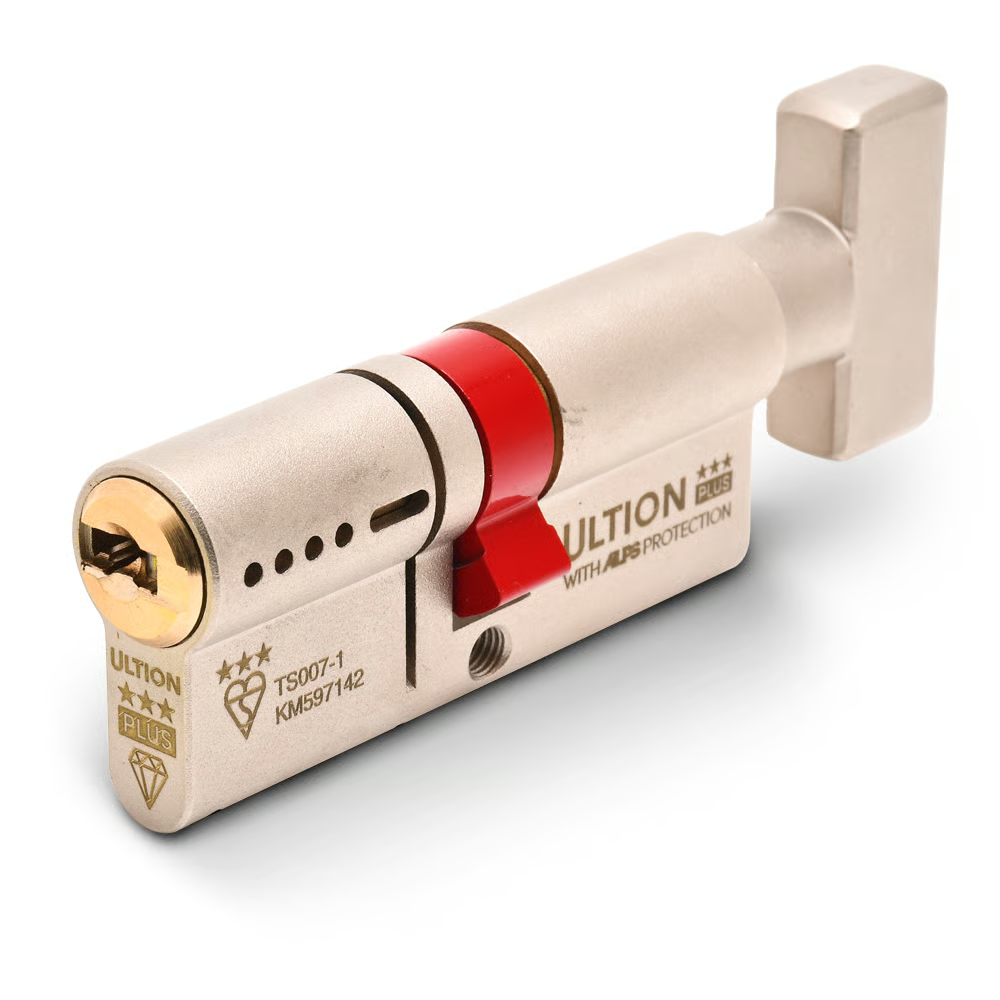
- Ultion Plus TS007 3* Kitemarked Euro Key & Turn Cylinder
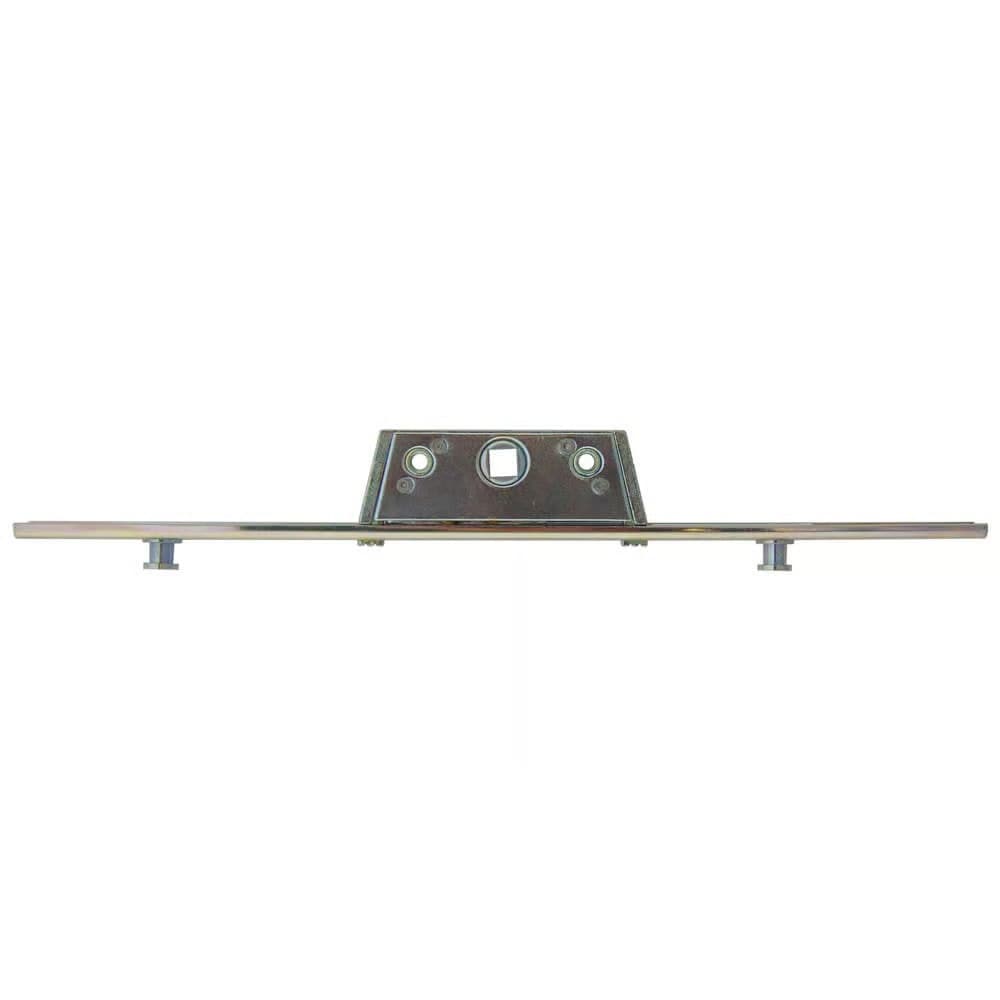
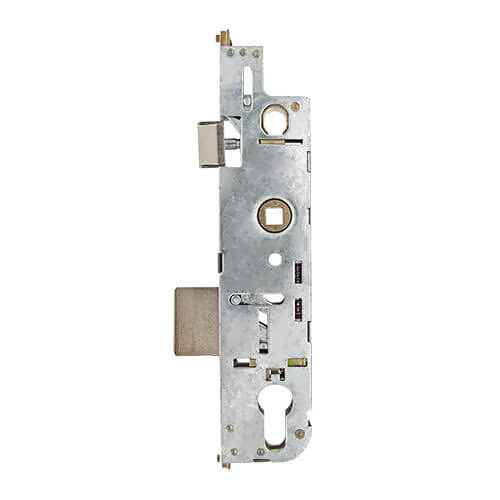
- Multipoint Gearbox GU Old Style
- In-Line Window Mechanism
- Offset Window Mechanism
Conclusion and next steps
Smart deadbolts can be worth the investment when they are correctly specified, professionally installed and maintained. They add convenience and management benefits; however, mechanical security and compliance must not be compromised. For trade professionals: assess the door type, measure precisely, include reinforcement in quotes and provide end‑user training. For DIY homeowners: choose the right type for your door; measure cylinder length and backset; follow the manufacturer template and keep the mechanical override accessible.
Next steps: audit the door and frame, confirm whether a smart cylinder or a motorised mortice unit is required, and obtain a quote that includes reinforcement and commissioning. If you would like product recommendations or a site assessment, contact your local window and door hardware supplier for options tailored to your property.

Related articles
uPVC Door Lock Maintenance: Keep Your Lock Working Smoothly
uPVC Door Lock Maintenance: Keep Your Lock Working Smoothly A well maintained upvc door lock reduces call-outs, keeps a property secure and extends the lif...
Hook Lock Sizes and Compatibility: Matching Your Existing Lock
Hook Lock Sizes and Compatibility: Matching Your Existing Lock Replacing a hook lock can be straightforward if you know what to measure and what to check f...
Replacing Individual Hook Locks vs Full Multipoint Mechanism
Replacing Individual Hook Locks vs Full Multipoint Mechanism Deciding whether to replace a single hook lock or the entire multipoint mechanism is a common ...