
The Difference Between Wedge Gaskets and Glazing Beads: What Fitters Need to Know
The Difference Between Wedge Gaskets and Glazing Beads: What Fitters Need to Know Understanding the difference between a wedge gasket and a glazing bead is...
The Difference Between Wedge Gaskets and Glazing Beads: What Fitters Need to Know
Understanding the difference between a wedge gasket and a glazing bead is essential for fitters and homeowners working on windows and doors. Both play roles in securing and weatherproofing glazed units, but they are separate components with different functions, installation methods and maintenance requirements. This post explains what each does, when to specify one over the other, and practical tips for trade and DIY work.
What is a wedge gasket?
A wedge gasket is a compressible seal, usually rubber or thermoplastic, with a tapered cross-section. It sits between the glazing pane and the frame or glazing bead to provide support, create a weather seal and isolate glass from rigid frame contact. Wedge gaskets are typically made from EPDM, PVC or TPE. EPDM is common for external applications because of its UV and ozone resistance. The name comes from the wedge shape: narrow at one edge and thicker at the other, which allows controlled compression.
What is a glazing bead?
A glazing bead is a strip of material that mechanically retains the glass or panel in the frame. Beads are often made of uPVC, aluminium, timber or composite and are clipped or screwed into place. Their primary purpose is retention; sealing is usually achieved by the gasket between bead and glass. Beads also provide a finished appearance and can hide fixings. In some systems the glazing bead works together with a wedge gasket to produce the correct bite and weather performance.
Key differences at a glance
- Function: Wedge gaskets form the seal and support; glazing beads retain the glass and finish the frame.
- Material: Wedge gaskets are flexible rubber or TPE; glazing beads are rigid profiles in uPVC, aluminium or timber.
- Installation: Gaskets compress into a glazing channel; beads are pushed, clipped or screwed into place.
- Service role: Gaskets need to compress correctly to seal; beads are mainly structural and cosmetic.
Why the distinction matters for fitters
Specifying the correct wedge gasket profile and glazing bead system affects weather performance, acoustic performance and the longevity of the installation. Using the wrong gasket can lead to leaks, rattles or visible distortion of glass. Likewise, incorrectly fitted glazing beads can allow movement that damages the gasket or glass edge.
Practical trade advice: specifying and ordering
- Measure the glazing rebate accurately: depth, width and edge geometry. Order gaskets by profile and nominal size; a wedge gasket that is too large will over-compress and a gasket that is too small will not seal.
- Check material compatibility: EPDM for long external life; PVC or TPE for lower-cost internal applications. Confirm UV resistance for external use.
- Ask for the manufacturer's recommended compression range. Fitters should aim for the specified bite rather than guessing; over-compression shortens life and under-compression leaks.
- When ordering beads, confirm clip spacing, corner joint types and whether mitred corners or corner keys are used. Have matching colour and finish samples for homeowners.
Installation tips for wedge gaskets and glazing beads
- Clean the rebate: remove old sealant, dirt and glazing putty. A clean channel ensures proper gasket bite and prevents premature wear.
- Use glazing packers and setting blocks correctly: support the glass at the correct points to avoid point loading and to maintain drainage slope. Packers determine the position relative to the wedge gasket.
- Fit the wedge gasket with the correct orientation: the thick side usually faces the glass to provide support; check the profile marking or supplier diagram.
- Trim with a sharp knife and make neat joints; use approved adhesives only if the gasket is intended to be bonded. Many wedge gaskets are friction-fit and should not be glued across the whole length.
- Seat glazing beads carefully: clip or screw them without deforming the gasket; apply screws with clutch-controlled drivers to avoid over-tightening on metal frames.
DIY guidance for homeowners
Small repairs are possible for competent DIYers, but be realistic about the job. Replacing a worn wedge gasket in a simple uPVC window can be straightforward; replacing beads on older timber or aluminium frames may be more involved.
- Tools you will need: utility knife, glazing shovel or thin spatula, glazing packers, measuring tape, mitre saw for beads, silicone lubricant or soap solution to help slide gaskets into place.
- Remove beads gently: ease them out with a spatula to avoid damaging the frame. Label the beads as you remove them so you can replace them correctly.
- Measure and order the correct gasket profile: take a sample to a supplier or use photographs and dimensions to match the profile.
- Do not force-fit a gasket that clearly does not match. If the glass sits too high or the gasket would be crushed, stop and reassess packer thickness and gasket choice.
Common problems and how to fix them
- Draughts or leaks: usually caused by gasket hardening or incorrect compression. Replace gasket and check bead seating.
- Rattling glass: often because packers have moved or beads are loose. Tighten or replace clips and ensure the wedge gasket supports the glazing edge.
- Bead cracking: in cold conditions rigid beads can crack when forced. Warm uPVC beads with gentle heat when shaping; replace brittle beads rather than forcing them back.
- Water ingress at corners: ensure corner joints of beads are sealed where required and that drainage weep holes are clear.
Standards and performance considerations
For trade installations check relevant standards for weather tightness and durability; BS 6375 covers performance of windows and doors for resistance to weather and operating forces. Always follow manufacturer guidance for gasket and bead combinations to meet warranty and performance claims.
Recommended Products
Based on this article, you may find these products helpful:
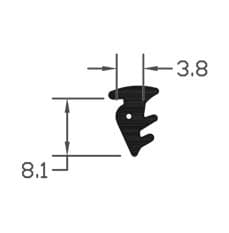
- SYS2 Wedge Gasket
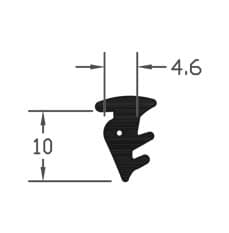
- SYS4 Wedge Gasket
- E-Type Gasket - Black 5m Roll
- E-Type Gasket - Black (Per Metre)
- Structural Glazing Tape - 20mm
Conclusion and next steps
Wedge gaskets and glazing beads are complementary: the gasket provides the seal and support; the bead secures the glazing and finishes the frame. Correct selection, measurement and installation are crucial for weatherproof, quiet and long-lasting windows and doors. For trade fitters, keep a selection of common wedge gasket profiles, packers and bead clips on the van. For homeowners, assess the complexity before starting and replace components with like-for-like parts where possible.
Next steps: consult product datasheets and the manufacturer's installation instructions; view detailed product options and technical guides at our gaskets and seals guide; or contact a specialist if the frame is complex or the job affects structural glazing.
Products mentioned in this article
Related articles
Wedge Gasket Sizes Explained: Finding the Perfect Fit for Your Glazing
Wedge Gasket Sizes Explained: Finding the Perfect Fit for Your Glazing Why the correct wedge gasket matters A wedge gasket is a triangular or tapered seali...
Wedge Gasket vs Flip Gasket: Choosing the Right Seal for Double Glazing
Wedge Gasket vs Flip Gasket: Choosing the Right Seal for Double Glazing Why the right gasket matters Seals are a small component with a big job: they keep ...
Wedge Gasket Installation Guide: Achieving a Watertight Seal Every Time
Wedge Gasket Installation Guide: Achieving a Watertight Seal Every Time A correctly fitted wedge gasket is one of the simplest and most effective ways to p...