
Why Your Wedge Gasket Is Leaking and How to Fix It Properly
Why Your Wedge Gasket Is Leaking and How to Fix It Properly What is a wedge gasket and why it matters A wedge gasket is an extruded rubber or PVC profile u...
Why Your Wedge Gasket Is Leaking and How to Fix It Properly
What is a wedge gasket and why it matters
A wedge gasket is an extruded rubber or PVC profile used around glazing or panel edges to provide a weatherproof seal and to locate the glass or infill in its frame. You will find wedge gaskets in aluminium windows and doors, some timber assemblies, and curtain walling. When the gasket fails the result can be draughts, water ingress, noise, and even corrosion of the frame. For both homeowners and trade professionals, diagnosing a leaking wedge gasket quickly reduces secondary damage and saves on repair costs.
Common causes of a leaking wedge gasket
- Ageing and degradation: UV and ozone attack cause rubber compounds such as EPDM to harden and take a compression set; the gasket no longer recovers to form a tight seal.
- Incorrect profile or size: a gasket that is too narrow or the wrong angle will not compress correctly between glass and frame.
- Poor installation: stretching, twisting or trapping dirt during fitting stops the gasket seating properly in the glazing channel.
- Damaged corners or joints: mitered corners that are poorly cut or not bonded allow water paths; butt joints without sealant can leak.
- Failed glass sealed units: if the double glazed unit has a failed seal, moisture between panes cannot be fixed by replacing the wedge gasket alone.
- Frame movement or warping: timber expansion or aluminium movement can open gaps at the gasket interface.
How to confirm the leak source
Before replacing anything, you need to pinpoint where the water is coming from. A simple controlled check works well:
- Run a hose over the external face while someone inspects inside for drips; concentrate on corners and joints.
- Use a spray bottle for smaller jobs; run water steadily rather than in short blasts to simulate rain pressure.
- Inspect the gasket visually for cracking, flattening, compression set or detachment from the frame.
- Look for internal signs: rot in timber heads, rust stains on aluminium, or fogging between glazing panes.
Tools and materials you will need
- Replacement wedge gasket of the correct profile and material (EPDM, PVC or neoprene as specified).
- Sealant: neutral cure silicone for glazing, or specialised glazing adhesive for permanent bonds; butyl tape or gasket adhesive where specified.
- Sharp knife or gasket shears, mitre block for accurate corner cuts.
- Cleaning solvent: isopropyl alcohol; soft brush and cloths.
- Glazing packers, rubber mallet, wedge or setting tool, heat gun for low temperatures.
- Personal protective equipment: gloves, eye protection.
Step-by-step: replacing a wedge gasket
This procedure suits most aluminium and uPVC installations. Timber frames may require adapted techniques and paint/varnish touch-ups.
- Remove the glazing bead or remove the old gasket carefully; use a thin flat tool to pry the bead without damaging the frame. Keep beads safe for refitting where possible.
- Take out the old gasket; check for hidden fixings and note the gasket profile and section dimensions. Measure the channel width and depth; take a photograph for ordering a replacement.
- Clean the channel thoroughly with a brush and isopropyl alcohol; remove all old adhesive, dirt and oxidisation. Allow to dry.
- Check the glass or sealed unit: if there is internal condensation between panes, the IGU is failed and will need replacing; a new gasket will not cure a failed unit.
- Cut the new gasket to length. For a neat finish use mitered corners at 45 degrees when the profile and frame geometry allow; otherwise use butt joints sealed with adhesive. Avoid stretching the gasket lengthwise when fitting; that can open up at the corners.
- Fit the gasket into the channel using a gasket setting tool or a profile-watching technique. Start at a corner and work around; maintain consistent compression and avoid twisting the section.
- Bond joints as required: use a compatible adhesive or vulcanising solvent for EPDM; many trade installers will use a small dab of neutral cure silicone at butt joints for extra protection.
- Refit glazing beads and check that beads do not compress the gasket excessively. There should be even contact and no large bulges; excessive compression shortens gasket life.
- Run a final water test to verify the repair after the adhesive has cured.
Practical trade tips and common pitfalls
- Always match the gasket material to the application: EPDM is a good weathering choice for most exteriors; PVC may be cheaper but discolours and hardens faster in sunlight.
- Measure the channel, not the old gasket: the old part may have compressed and will give the wrong dimension.
- Order slightly more gasket than the perimeter length; corners and mistakes happen and you do not want to run short on site.
- Fit gaskets at moderate temperatures; cold rubber becomes stiff. Use a heat gun on a low setting to make the material pliable if necessary, but do not overheat.
- For long runs, avoid tensioning the gasket around the frame; work it in with small pushes so it settles naturally into the groove.
- If the frame has structural distortion, resolving the leak may require aligning or rehanging the window or door; sealing alone is a temporary cure.
When a wedge gasket is not the solution
If the sealed insulated glass unit is fogging or the glass is cracked you will need to replace the IGU. Also, if the frame itself is corroded or rotten the gasket will not stop water entry permanently; structural repair or frame replacement is necessary. If you are unsure whether the issue is gasket-related or a failed unit, a visual inspection and water test will usually clarify the source; trade installers can offer a sealed unit check.
Maintenance advice to prevent future leaks
- Inspect gaskets annually for signs of hardening or compression set; replace before large defects develop.
- Keep drainage channels and weep holes clear to prevent water build-up behind gaskets.
- Clean gaskets with mild detergent and avoid petroleum-based products that degrade rubber.
- Reapply any exterior sealants around frames if they show cracking; use a neutral cure silicone compatible with the gasket material.
Recommended Products
Based on this article, you may find these products helpful:
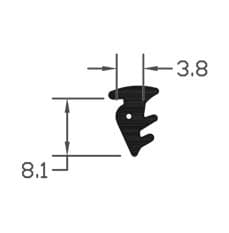
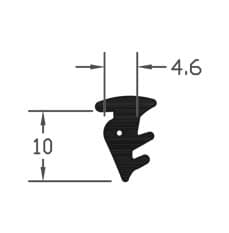
- SYS2 Wedge Gasket
- SYS4 Wedge Gasket
- E-Type Gasket - Black 5m Roll
- E-Type Gasket - Black (Per Metre)
- Structural Glazing Tape - 20mm
Conclusion and next steps
Wedge gasket leaks are often straightforward to diagnose and fix if caught early: identify the leak source, use the correct profile and material, and install with care to avoid stretching or poor joints. For sealed unit failure or significant frame damage, gasket replacement alone will not be sufficient; those situations need IGU replacement or structural repair. If you require the correct gasket profile, trade-grade adhesives, or technical help, consult our gaskets and seals hub at /guides/gaskets-seals or contact a Window Hardware Store specialist for product matching and technical support.
Products mentioned in this article
Related articles
Wedge Gasket Sizes Explained: Finding the Perfect Fit for Your Glazing
Wedge Gasket Sizes Explained: Finding the Perfect Fit for Your Glazing Why the correct wedge gasket matters A wedge gasket is a triangular or tapered seali...
Wedge Gasket vs Flip Gasket: Choosing the Right Seal for Double Glazing
Wedge Gasket vs Flip Gasket: Choosing the Right Seal for Double Glazing Why the right gasket matters Seals are a small component with a big job: they keep ...
Wedge Gasket Installation Guide: Achieving a Watertight Seal Every Time
Wedge Gasket Installation Guide: Achieving a Watertight Seal Every Time A correctly fitted wedge gasket is one of the simplest and most effective ways to p...