
Thumb Turn Cylinder Buying Guide: Security Features
Thumb Turn Cylinder Buying Guide: Security Features A thumb turn cylinder is a popular euro-cylinder variant used in many UK doors: it has a key entry on t...
Thumb Turn Cylinder Buying Guide: Security Features
A thumb turn cylinder is a popular euro-cylinder variant used in many UK doors: it has a key entry on the outside and a thumb turn on the inside so the door can be unlocked without a key. Choosing the right thumb turn cylinder requires more than matching length and finish; security features and compatibility with your door type are crucial. This post explains the most important security characteristics, gives practical trade and DIY advice for selection and installation, and points to next steps for upgrading.
Why choose a thumb turn cylinder
For homeowners and tradespeople a thumb turn cylinder offers convenience and safety: it enables a quick egress from the inside without searching for keys, which is helpful in emergencies and day-to-day use. It also simplifies life for occupants with limited mobility. On the other hand, you must consider whether a thumb turn is appropriate for the location; communal entrances, flats with shared access, or some commercial settings may require key-only access for fire safety or management reasons. Check building regulations or landlord requirements before fitting a thumb turn cylinder.
Key security features to look for
Not all cylinders are equal. When selecting a thumb turn cylinder pay attention to these security features:
- Anti-snap: A sacrificial section or reinforced construction prevents a burglar from snapping the external half of the cylinder and manipulating the remaining mechanism. Look for cylinders advertised as anti-snap or snap-resistant; many have a reinforced central cam area to protect the internal mechanism.
- Anti-bump: Bumping is a lock bypass technique that can open poorly protected cylinders. Anti-bump cylinders have specially designed pin stacks or mechanisms that resist this attack.
- Anti-pick: Specially shaped pins such as spool or mushroom pins, and tighter tolerances, reduce the risk of picking. Higher-spec cylinders state pick resistance levels, often to BS EN 1303 ratings.
- Anti-drill: Hardened steel inserts protect the plug and cam against drilling attacks. This is essential for exposed external cylinders.
- Restricted key control: Patented key profiles or restricted duplication schemes prevent unauthorised copying of keys. This is important for landlords and commercial premises where key control is required.
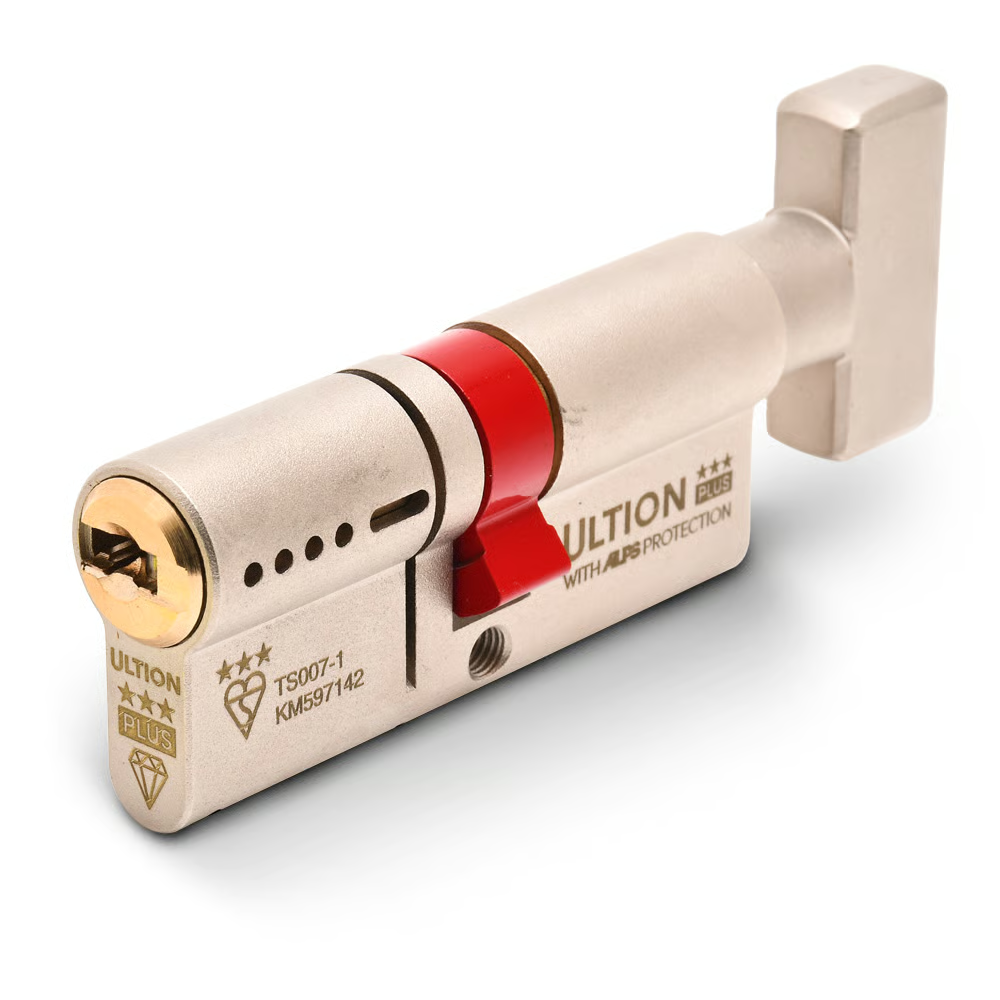
- Standards and approvals: Look for products that meet BS EN 1303 for performance and Secured by Design or Sold Secure accreditations where applicable. TS007 3-star cylinders are commonly recommended for high-security residential applications because they combine anti-snap, anti-drill and other protections.
Choosing the right type and size
Thumb turn cylinders come in various configurations: single thumb turn (thumb turn on one side, key on the other) and double cylinders are not applicable because the thumb turn replaces the internal key. Measure the existing cylinder accurately: remove the cylinder retaining screw, position the key at 10 degrees, withdraw the cylinder and measure the distances from the cam centre to each end in millimetres. Common sizes include 35/35, 35/45, etc. For thumb turn cylinders the internal side will have the thumb turn protrusion; ensure the thumb turn sits comfortably inside the door and is not obstructed by furniture or trim.
Practical installation tips for trades and DIYers
Installing or replacing a thumb turn cylinder is straightforward for many competent DIYers but observe these trade tips to ensure security and a neat finish:
- Turn the key or thumb to align the cam with the body before removing the retaining screw; this releases the cylinder for withdrawal.
- Check that the cylinder does not protrude excessively: a cylinder sticking out more than a few millimetres is a security risk. Ideally the cylinder should sit flush within the door or plate.
- Secure the handle and escutcheon: many burglaries exploit weak handles or thin escutcheons. Use 3-star rated handles or reinforced cylinder protectors to complement an anti-snap cylinder.
- Use the correct retaining screw; replace any worn or corroded screws and ensure it is properly tightened to prevent movement.
- After fitting, operate the thumb turn and external key several times to ensure the multi-point gearbox or deadbolt engages smoothly. If the mechanism binds, adjust the door alignment or keepers rather than forcing the cylinder.
- Lubricate with graphite or a silicone-based spray designed for locks; avoid oil-based sprays that attract dust and grit.
Trade advice: matching cylinder security to the door
For trade professionals advising clients, consider the whole door system rather than the cylinder alone. A high-rated anti-snap cylinder fitted in a flimsy uPVC handle offers limited protection. Specify a combination of measures:
- TS007 3-star cylinder plus a compatible anti-snap handle set or reinforced escutcheon for uPVC and composite doors.
- Secured by Design products for high-risk properties; these are often required by insurers in some areas.
- Masterkey systems or keyed alike options for landlords and site managers; ensure restricted key profiles if key control is needed.
- Consider euro cylinder shields and hardened fixings for aluminium doors to resist pulling and drilling.
Safety and compliance
Be mindful of emergency escape. A thumb turn allows rapid egress from the inside; this aligns with fire safety for domestic properties. However, on some communal or multi-occupancy doors the local authority or managing agent may insist on key override arrangements; check any tenancy agreements and building safety regulations. For rental properties, landlords should balance tenant ease-of-use with risk of unauthorised access; often a restricted keyed system with controlled duplication is suitable.
Common pitfalls to avoid
- Choosing a cylinder solely on price: cheap cylinders often lack anti-snap and anti-drill features.
- Fitting a thumb turn where it is not permitted by building management or insurance policies; always check first.
- Allowing the cylinder to protrude; this increases vulnerability to snapping and forced entry.
- Ignoring complementary hardware: handles, keeps and multipoint locks must match the cylinder security level.
Recommended Products
Based on this article, you may find these products helpful:
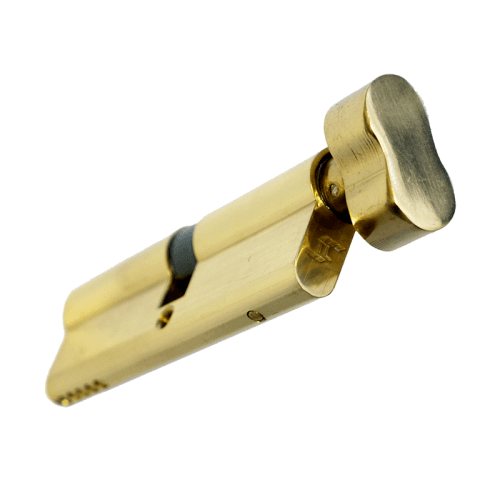
- TL Thumb Turn Euro Cylinder
- Ultion Plus TS007 3* Kitemarked Euro Key & Turn Cylinder
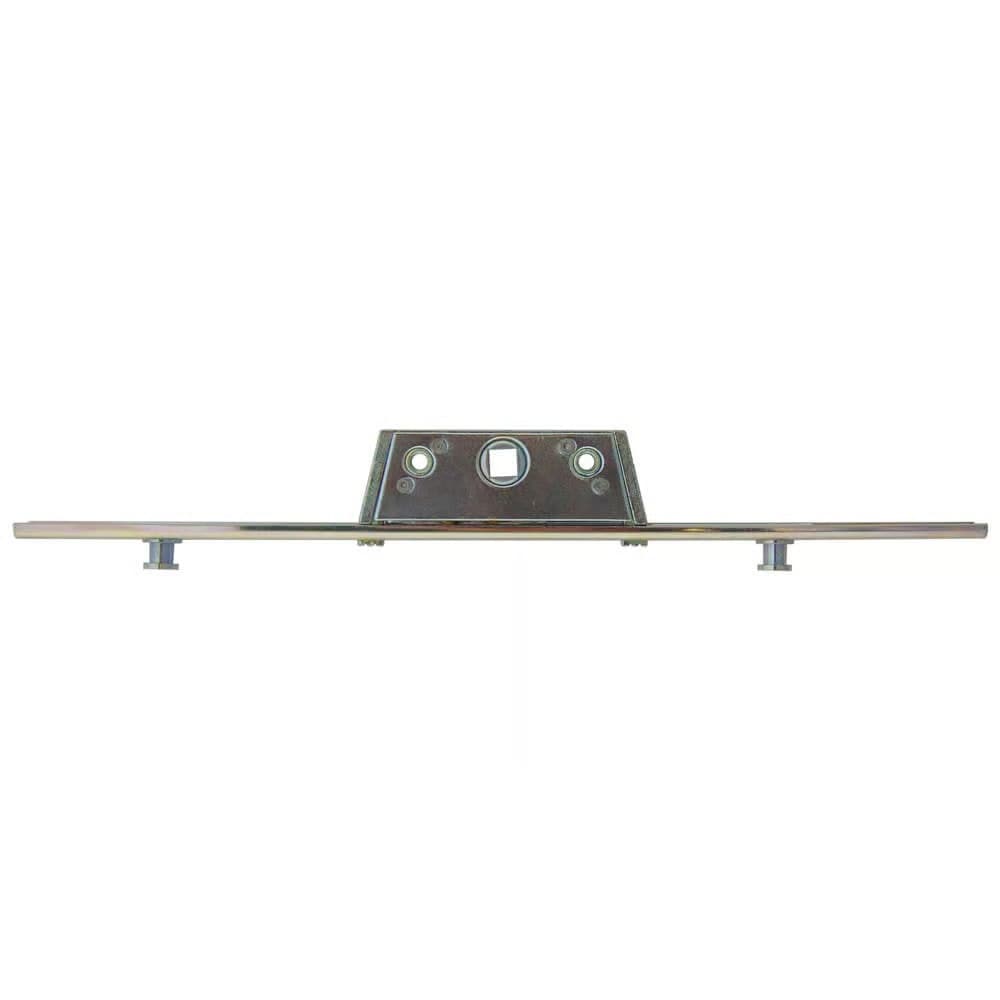
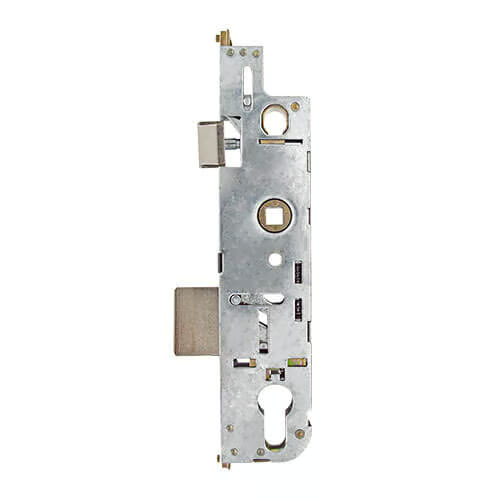
- Multipoint Gearbox GU Old Style
- In-Line Window Mechanism
- Offset Window Mechanism
Conclusion and next steps
Selecting the right thumb turn cylinder means balancing convenience with robust security features: prioritise anti-snap, anti-drill and anti-pick measures and consider TS007 3-star or Secured by Design accredited products where appropriate. Measure accurately, secure the surrounding hardware, and follow correct installation procedures to ensure the cylinder functions reliably.
Next steps: measure your current cylinder, check any management or insurance requirements, and review our detailed euro cylinder resources at /c/locks-security for compatible products and technical specifications. If unsure, bring your existing cylinder to the trade counter or contact a qualified locksmith for on-site advice.

Related articles
What Is a Thumb Turn Cylinder? Convenience vs Security
What Is a Thumb Turn Cylinder? Convenience vs Security What is a thumb turn cylinder? A thumb turn cylinder is a type of euro-profile lock cylinder that ha...
Thumb Turn Cylinder vs Panic Bar: Exit Options Compared
Thumb Turn Cylinder vs Panic Bar: Exit Options Compared examines two very different approaches to door egress and security. The thumb turn cylinder is a co...
Thumb Turn Cylinder Sizes: Finding the Right Length
Thumb Turn Cylinder Sizes: Finding the Right Length Choosing the correct thumb turn cylinder is vital for security, smooth operation and a neat finish on d...