
Thumb Turn Cylinder Fire Safety: Quick Escape Considerations
Thumb Turn Cylinder Fire Safety: Quick Escape Considerations Thumb turn cylinders are widely used in UK homes and specified by tradespeople for the conveni...
Thumb Turn Cylinder Fire Safety: Quick Escape Considerations
Thumb turn cylinders are widely used in UK homes and specified by tradespeople for the convenience they give to occupants during an emergency exit: the internal thumb turn allows egress without hunting for a key. However, specifying and installing a thumb turn cylinder requires careful consideration of fire safety, security and compatibility with multipoint door gear. This article outlines practical trade advice and DIY guidance to make sure thumb turn cylinders support fast, safe escape while remaining robust against attack.
Why the thumb turn matters for quick escape
A thumb turn on the internal face of a euro cylinder enables immediate operation of the lock from inside. In a fire, seconds count; removing the need for a key speeds exit and can be vital for vulnerable occupants. For this reason, many fire and safety advisors recommend internal-only operation where occupants must be able to leave without keys or tools.
At the same time, a thumb turn introduces potential vulnerabilities if the cylinder is not properly specified or installed. For example, if a door has glazed panels or weak securing beading, an intruder could break the glass and reach in to operate the thumb turn. The correct balance of escape functionality and resistance to attack is therefore central to a safe installation.
Key technical considerations
- Standards and ratings: Choose cylinders that meet recognised standards such as BS EN 1303 for mechanical performance, and TS007 3-star or Sold Secure ratings for anti-snap protection where required by insurers. PAS and BS standards may also apply; check insurer requirements and any building regulations that affect escape doors.
- Compatibility with multipoint locks: Ensure the thumb turn cylinder length and cam position match the lock case; incorrect sizing can prevent full retraction of deadbolts, delaying exit. Measure from the end of the cylinder to the centre of the fixing screw and use the nearest standard size, for example 35/45, 30/50 etc.
- Anti-snap, anti-drill and anti-bump features: Select cylinders with anti-snap protection even when using a thumb turn. Modern anti-snap cylinders feature sacrificial sections designed to break away while protecting the core and cam, preserving security.
- Door construction and glazing: If the door has glazing close to the lock, specify laminated glass or anti-intrusion film and strong beading. Alternatively consider a protected cylinder escutcheon or a reinforced external escutcheon to reduce risk of reach-in attacks.
Practical trade advice
- Specify the correct cylinder type: For external entrance doors where quick egress is essential, use a euro cylinder with an internal thumb turn and an external keyed side. For communal doors and certain flat entrance doors follow any local regulations; where a thumb turn is not appropriate, seek an alternative like a single-action egress device.
- Fit a TS007 3-star rated cylinder for added anti-snap protection; many UK insurers require this for replacement cylinders. Where high security is needed, recommend Sold Secure SS312 or similar accredited products.
- Use reinforcing hardware: install an anti-snap escutcheon or cylinder guard and use security fixings. Ensure the cylinder fixing screw is the correct length and fully tightened to prevent movement but avoid over-tightening which can distort the lock mechanism.
- Consider escape functionality of multipoint locks: On some multipoint systems the internal thumb turn will not fully retract all hooks if the lock is misaligned. Complete a full functional test during installation to confirm one-handed operation from the inside.
- Document and advise: Provide homeowners with simple operating instructions and show them how the thumb turn works in an emergency. Highlight the importance of keeping the area around the handle clear and the need for regular maintenance.
DIY guidance: selecting and fitting a replacement thumb turn cylinder
If you are a competent DIYer replacing a cylinder, follow these steps. If in doubt, call a qualified locksmith or tradesperson.
- Measure the existing cylinder: With the door closed, measure from the centre of the fixing screw to each end. Record the two measurements as left/right; common sizes will be notated as 35/45 etc.
- Buy the correct rated cylinder: Choose a thumb turn cylinder with anti-snap protection and the appropriate EN/TS ratings. Confirm the thumb turn orientation; some cylinders have reversible knobs or require a specific handed part.
- Remove the old cylinder: Open the door, remove the cylinder retaining screw, turn the thumb turn slightly to align the cam and slide the cylinder out. Keep the retaining screw safe for refitting or use the new screw supplied.
- Fit the new cylinder: Insert the cylinder with the thumb turn inside; align the cam by rotating the thumb turn slightly if required and push fully home. Replace and tighten the retaining screw to secure the cylinder. Test operation from both sides and check the multipoint lock fully retracts and deadbolts release.
- Protect and test: Fit escutcheons or a cylinder guard if not already present. Conduct a quick escape drill with all household members to ensure they can operate the thumb turn quickly under stress.
Tools required: screwdriver set, tape measure, replacement cylinder, optional escutcheon kit and protective gloves. Avoid forcing components; if the lock does not operate smoothly, stop and reassess alignment rather than risk damage.
Maintenance and periodic checks
- Lubrication: Use a dry PTFE or specialist lock lubricant annually; avoid heavy oils that attract grit. A small spray of lock lubricant into the keyway and a couple of turns of the thumb turn will keep operation smooth.
- Security checks: Inspect cylinder fixings and escutcheon screws for looseness. If the cylinder moves in the door when tension is applied, replace it immediately; movement is a sign of wear or attack vulnerability.
- Functional tests: Test the thumb turn from inside with the door closed to ensure single-handed release. Test under different conditions: with the door latched and with the multipoint engaged.
Risks to be aware of
- Reach-in attacks via broken glazed panes or letterboxes when the thumb turn is accessible. Mitigation: laminated glazing, reinforced beading, or placing the thumb turn further from the glass with extended escutcheons.
- Inappropriate cylinder grade: using a low-rated cylinder increases risk of snap, bump or drill attack. Always match security grade to the property and insurer expectations.
- Poor installation: misaligned locks or wrong cylinder length can prevent full retraction, causing delays during egress. Trades must ensure correct measurement and testing.
Recommended Products
Based on this article, you may find these products helpful:
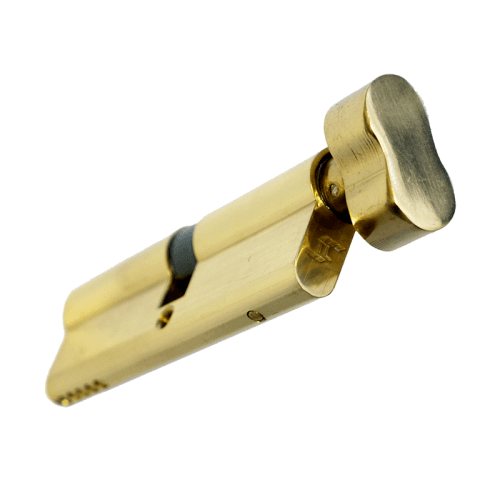
- TL Thumb Turn Euro Cylinder
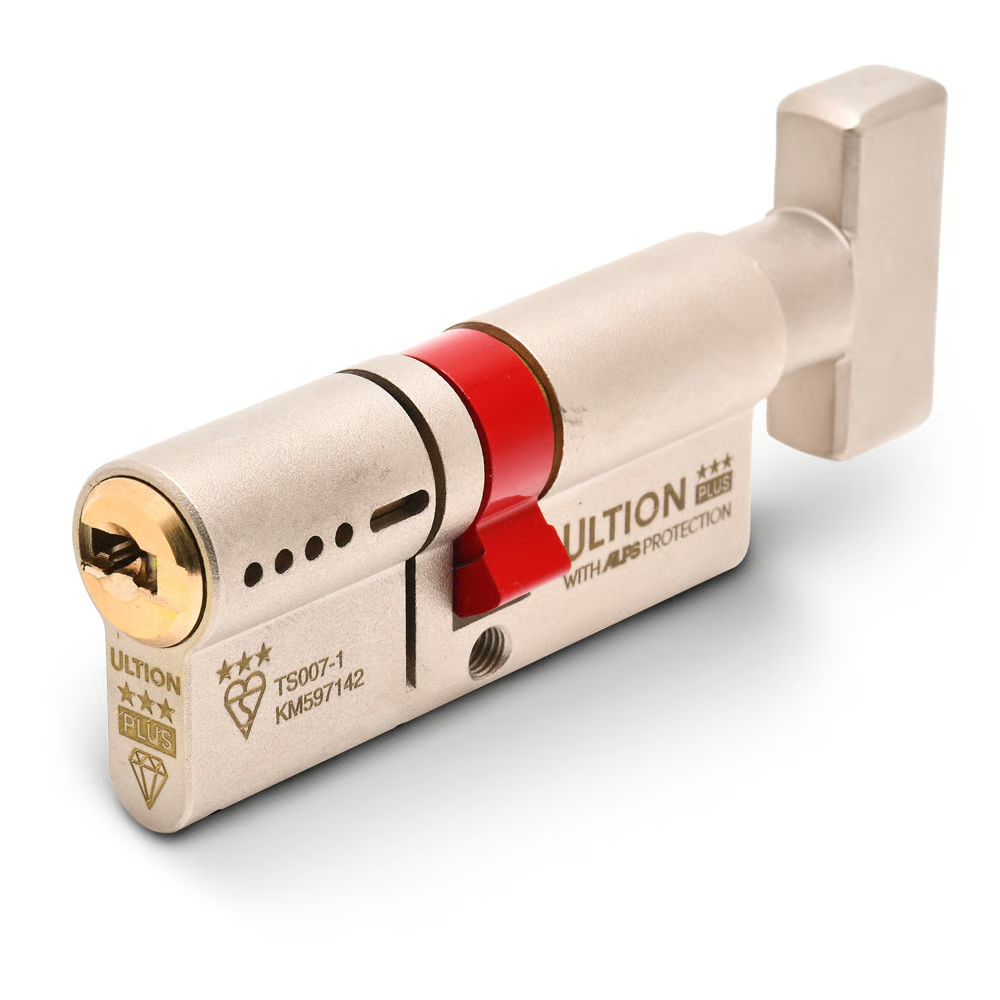
- Ultion Plus TS007 3* Kitemarked Euro Key & Turn Cylinder
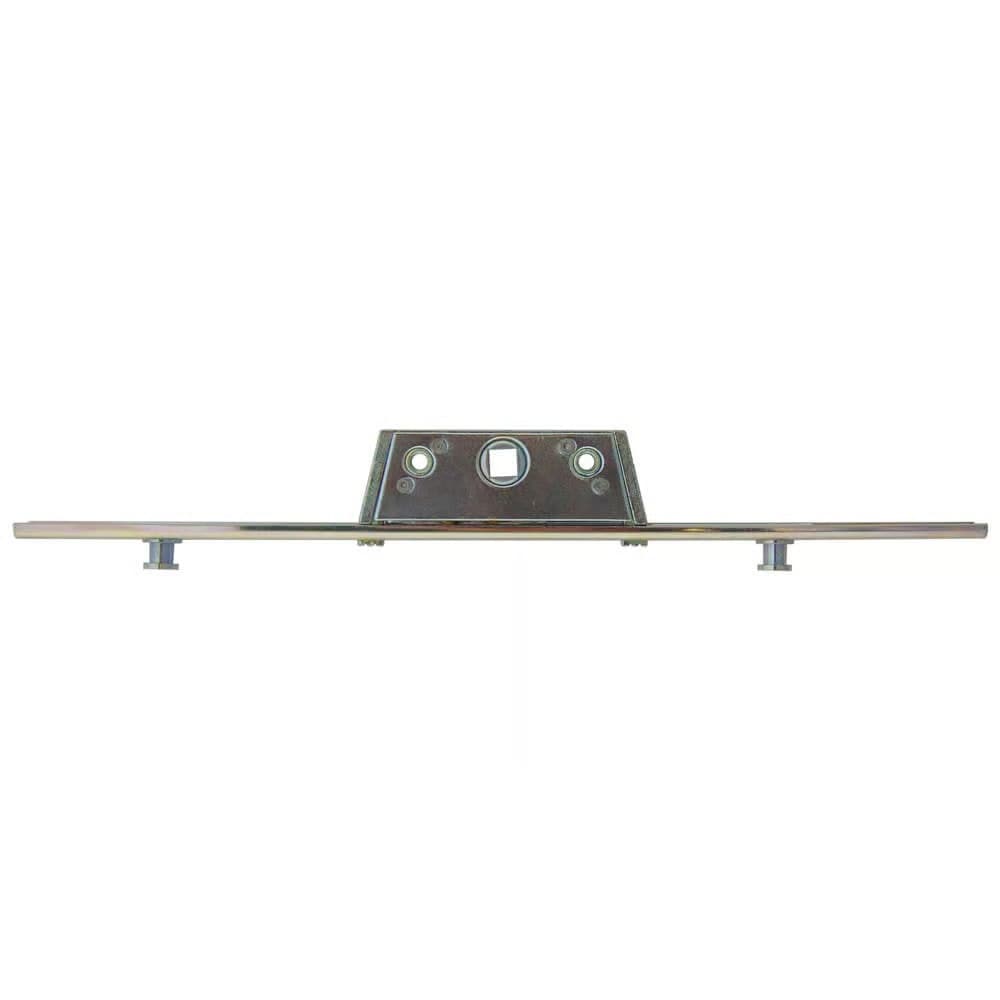
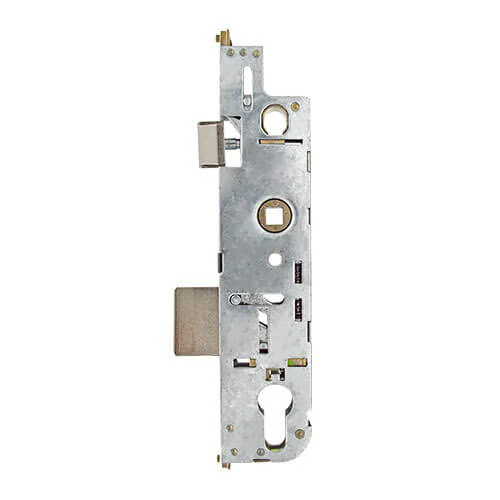
- Multipoint Gearbox GU Old Style
- In-Line Window Mechanism
- Offset Window Mechanism
Conclusion and next steps
Thumb turn cylinders provide fast egress which is crucial for fire safety, but only when correctly selected, installed and maintained. For homeowners choose a high-rated anti-snap thumb turn cylinder, protect glazed areas, and practise escape routes. For trade professionals, confirm cylinder sizing and compatibility with multipoint gear, fit protective escutcheons, and advise clients on maintenance and insurance requirements.
Next steps: if you need technical specifications or product recommendations, consult our Euro cylinder guide at /c/locks-security, check insurer requirements for TS007 ratings, and contact a qualified locksmith for installations where there is any doubt.

Related articles
What Is a Thumb Turn Cylinder? Convenience vs Security
What Is a Thumb Turn Cylinder? Convenience vs Security What is a thumb turn cylinder? A thumb turn cylinder is a type of euro-profile lock cylinder that ha...
Thumb Turn Cylinder vs Panic Bar: Exit Options Compared
Thumb Turn Cylinder vs Panic Bar: Exit Options Compared examines two very different approaches to door egress and security. The thumb turn cylinder is a co...
Thumb Turn Cylinder Sizes: Finding the Right Length
Thumb Turn Cylinder Sizes: Finding the Right Length Choosing the correct thumb turn cylinder is vital for security, smooth operation and a neat finish on d...