
Thumb Turn Cylinder Problems: Common Issues and Fixes
Thumb Turn Cylinder Problems: Common Issues and Fixes Thumb turn cylinders are a common feature on residential doors and some windows; they allow rapid loc...
Thumb Turn Cylinder Problems: Common Issues and Fixes
Thumb turn cylinders are a common feature on residential doors and some windows; they allow rapid locking and unlocking from the inside without a key. Despite their convenience, they can develop faults that affect security and operation. This article explains the typical thumb turn cylinder problems, practical DIY checks, and trade-level fixes for homeowners and installers in the UK.
What is a thumb turn cylinder?
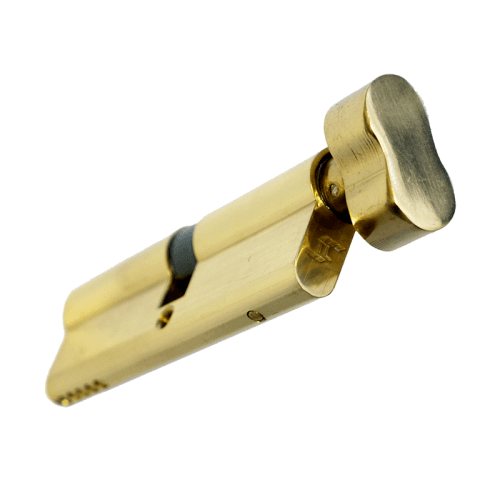
A thumb turn cylinder is a profile euro cylinder with a keyway on the outside and a small thumb-operated cam on the inside. When the thumb turn is rotated the cam operates the lock mechanism or multipoint locking system. Thumb turn cylinders are available in various security grades, including anti-snap, anti-drill and anti-bump designs; they are sized to suit the thickness of the door and the position of the fixing screw.
Common problems and what causes them
Below are the most frequent problems encountered with thumb turn cylinders and the usual underlying causes:
- Stiff or hard-to-turn thumb turn: caused by dirt, corrosion, or lack of lubrication inside the cylinder; incorrect cylinder length putting pressure on the mechanism.
- Thumb turn spins freely or does not operate the lock: worn or broken cam; cam detached from the internal mechanism; failing lock case gearbox.
- Cylinder won’t retract or extend the bolt: misaligned multipoint keeps, warped door, or failing gearbox in the lock case.
- Key won’t turn on the outside while thumb turn works: internal binding; broken tailpiece; incorrect key-cut.
- Cylinder loose in the door or rotating in its seat: missing or loose fixing screw; undersized cylinder; worn door or escutcheon.
- Snapped or attacked cylinder: forced entry or attempted snap attack on non-secure cylinders; requires immediate replacement.
- Condensation, rust or visible corrosion: exposed or coastal installations suffering from moisture ingress; metal fatigue over time.
DIY checks before replacing the cylinder
Perform these simple checks to diagnose the issue; many faults can be remedied without full replacement.
- Visual inspection: remove any escutcheon or cover and inspect the cylinder and surrounding door area for damage, corrosion or loose fixings.
- Check the retaining screw: with the door open, check and tighten the central cylinder fixing screw; do not overtighten as this can distort the cylinder.
- Operate the thumb turn and key: note whether the cam turns and whether the bolts or latch move; this helps determine whether the problem is the cylinder or the lock case.
- Try lubrication: use a dry lubricant such as graphite powder or a silicone-based spray into the keyway and around the thumb turn; avoid oil-based lubricants that attract dirt.
- Measure cylinder length: measure from the central fixing screw to each end to confirm correct sizing; an incorrect length can bind against the hardware.
Fixes for specific faults
Follow these trade and DIY repair steps depending on the diagnosed fault. Always ensure safety and security while working on doors and locks.
-
Stiff thumb turn:
- Apply graphite or silicone lubricant to the keyway and thumb turn; operate repeatedly to distribute lubricant.
- If stiffness persists, remove the cylinder for a closer inspection; replace if internal components show wear.
-
Thumb turn spins freely:
- Remove the cylinder: fully open the door, remove the retaining screw and turn the thumb turn to align the cam; pull the cylinder out.
- Inspect the tailpiece and cam: replace the cylinder if the cam is cracked or the tailpiece is sheared; this is a common trade replacement.
-
Cylinder loose or rotating in the door:
- Tighten the fixing screw; if the cylinder still moves, measure and fit a correctly sized cylinder or add a spacer if available.
- For security, fit a reinforced escutcheon and check that the door material around the cylinder is sound.
-
Snapped or attacked cylinder:
- Do not attempt temporary fixes after a break-in; replace immediately with an approved TS007 3-star anti-snap euro cylinder and fit anti-shear escutcheons.
- Consider a call-out by a registered locksmith if the door or lock case is damaged; record evidence for insurance purposes.
-
Multipoint lock not operating while thumb turn turns:
- Check door alignment and hinges; an out-of-square door can prevent keepers from engaging and give the appearance of cylinder failure.
- Adjust hinges or the striker plates; if the gearbox is worn, replace the lock case or gearbox assembly as required.
Trade tips and best practice
For installers and tradespeople, follow these recommendations to ensure durable, secure installations:
- Always measure the cylinder from the centre screw to both ends and order the correct asymmetric or symmetric length; common combinations include 30/40, 35/35, 45/45 mm, though other sizes exist.
- Use security-rated cylinders for external doors: TS007 3-star or equivalent; specify anti-snap, anti-drill and anti-pick features where required.
- Do not overtighten retaining screws; use torque control to prevent distortion of the cylinder which can cause binding.
- For coastal locations use marine-grade or stainless cylinders to resist corrosion; regular maintenance checks are recommended.
- When retrofitting a thumb turn, consider fire escape and insurance requirements; some insurers and building regulations may restrict certain cylinder types on communal doors.
When to call a locksmith or specialist
Some situations require professional attention: after forced entry, when the cylinder is snapped, if the lock case is damaged, or when electronic or high-security master-keyed systems are involved. A qualified locksmith can supply and fit the correct euro cylinder, confirm compatibility with multipoint locks, and advise on security upgrades.
Further reading and resources
For more technical information on cylinder types, sizing and standards see our pillar page: /c/locks-security. It covers profiling, anti-snap options and measurement guidance in detail.
Recommended Products
Based on this article, you may find these products helpful:
- TL Thumb Turn Euro Cylinder
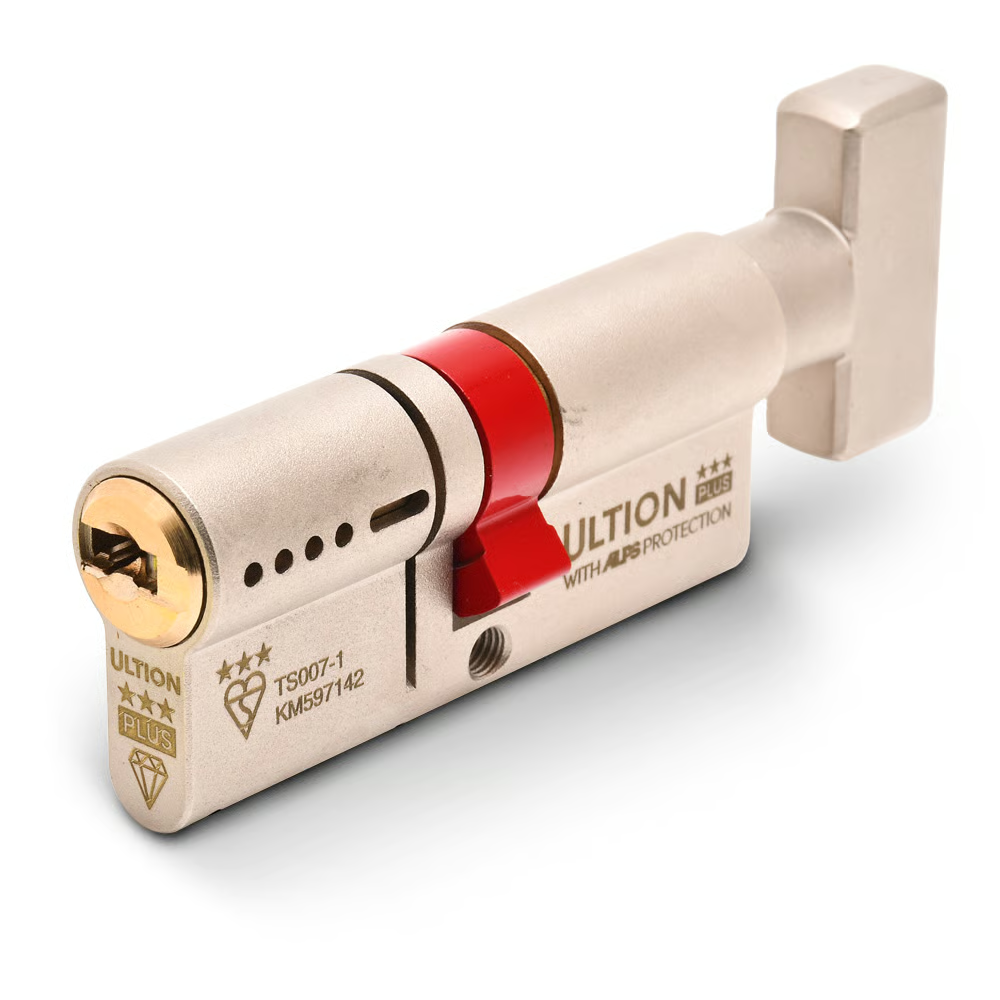
- Ultion Plus TS007 3* Kitemarked Euro Key & Turn Cylinder
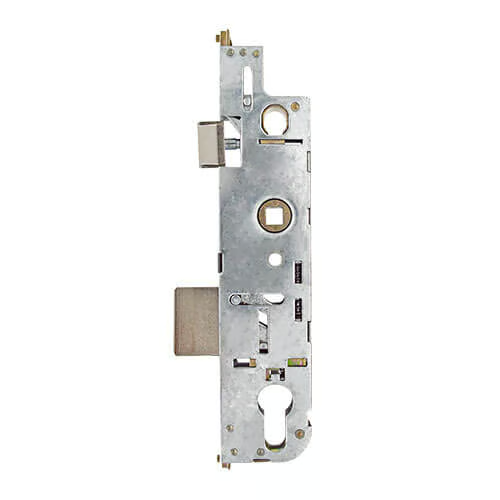
- Multipoint Gearbox GU Old Style
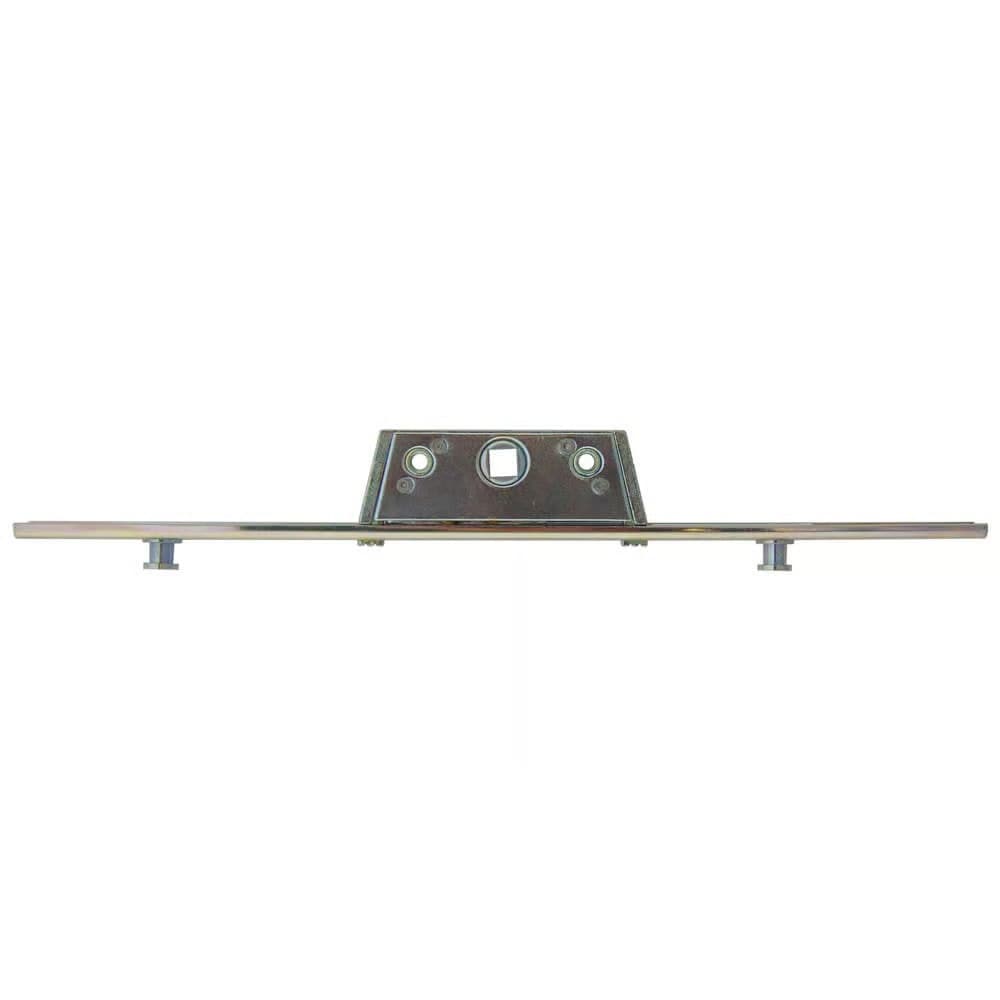
- In-Line Window Mechanism
- Offset Window Mechanism
Conclusion and next steps
If you are experiencing thumb turn cylinder problems start with the basic checks: visual inspection, lubrication, and checking the retaining screw. Measure the cylinder and determine whether the fault is internal to the cylinder or within the lock case or door alignment. For simple issues you can replace a worn cylinder yourself; follow the removal and installation steps and fit a security-rated replacement. For snapped cylinders, suspected forced entry or complex multipoint systems contact a registered locksmith or a trade supplier for a secure, compliant replacement.
Next steps: inspect and measure your cylinder, consult our euro cylinder guide at /c/locks-security, and contact Window Hardware Store for trade-quality replacements and technical assistance.

Related articles
What Is a Thumb Turn Cylinder? Convenience vs Security
What Is a Thumb Turn Cylinder? Convenience vs Security What is a thumb turn cylinder? A thumb turn cylinder is a type of euro-profile lock cylinder that ha...
Thumb Turn Cylinder vs Panic Bar: Exit Options Compared
Thumb Turn Cylinder vs Panic Bar: Exit Options Compared examines two very different approaches to door egress and security. The thumb turn cylinder is a co...
Thumb Turn Cylinder Sizes: Finding the Right Length
Thumb Turn Cylinder Sizes: Finding the Right Length Choosing the correct thumb turn cylinder is vital for security, smooth operation and a neat finish on d...