
Thumb Turn Cylinder Security: Are They Safe?
Thumb Turn Cylinder Security: Are They Safe? The thumb turn cylinder is a common choice for UK homeowners because it allows easy locking and unlocking from...
Thumb Turn Cylinder Security: Are They Safe?
The thumb turn cylinder is a common choice for UK homeowners because it allows easy locking and unlocking from the inside without a key. That convenience raises a key question for anyone fitting or specifying hardware: is a thumb turn cylinder secure? This article examines the risks, the technical protections available, and practical trade and DIY advice so you can make an informed decision for doors and windows.
What is a thumb turn cylinder?
A thumb turn cylinder is a euro profile cylinder with a keyway on the outside and a thumb-operated cam on the inside. It is widely used on uPVC, composite and timber doors; it can also be found on some window locking systems. The internal thumb turn allows rapid egress in an emergency and avoids the need for a key when exiting the property.
Common security concerns
Thumb turn cylinders are vulnerable in two main ways:
- External attacks on the cylinder: techniques such as snapping, drilling, bumping or picking can defeat inferior cylinders.
- Internal access through gaps: an attacker who can reach the thumb turn through a letterbox, cat flap or broken glazed panel could operate the thumb turn from outside.
Understanding both attack vectors helps when selecting the right cylinder and assessing door security as a whole: a secure cylinder cannot compensate for weak glazing or an insecure letterbox.
Security features to look for
When specifying or buying a thumb turn cylinder, aim for recognised standards and mechanical protections:
- TS007 3-star rated cylinders: these offer anti-snap protection designed around known attack methods and are widely accepted by insurers.
- Anti-snap construction: sacrificial sections protect the core of the cylinder so the lock remains engaged after an attempted snap.
- Anti-drill pins and hardened inserts: protect the cam and plug from drilling attacks.
- Anti-bump and anti-pick features: specialised pinning systems resist bumping and picking attempts.
- Sold Secure accreditation or police-preferred certification: additional independent validation for higher security applications.
Trade advice: selection and specification
For trade professionals specifying cylinders for domestic properties, follow these recommendations:
- Specify TS007 3-star or equivalent for external doors where possible; this is often required by insurance for new builds and upgrades.
- Check cylinder length precisely: measure from the centre screw to both ends; common sizes are 35/35, 40/40, 45/35 mm etc; avoid cylinders that protrude beyond the door face as protrusion increases snap risk.
- For doors with glazing near the handle or letterboxes, assess the need for additional protection: laminated glass, reinforced escutcheons or letterbox guards.
- Use reinforced cylinder guards and high-security handles that meet relevant BS EN standards; ensure the guard is compatible with the chosen cylinder profile.
- Consider re-entrant or anti-snap cylinders for retrofit projects where replacement of the whole door is not viable; specify tested products from reputable manufacturers.
- Record product certifications on job sheets: installers should provide customers with proof of compliance and warranty information.
DIY guidance: choosing, measuring and fitting
Homeowners or experienced DIYers replacing a thumb turn cylinder should follow these steps and precautions:
- Measure accurately before ordering: remove the retaining screw, withdraw the cylinder, and measure both sides from the screw hole centre to each end. If unsure, take the old cylinder to a supplier.
- Buy a certified anti-snap TS007 3-star thumb turn cylinder where security is a priority; cheaper unbranded cylinders often lack essential protections.
- When fitting, ensure the cylinder sits flush with the door face; any protrusion should be minimal; tighten the retaining screw to a firm but not excessive torque to avoid distorting the cylinder.
- After installation, test the multipoint lock engagement or deadbolt operation thoroughly to ensure the cam is centred and the mechanism operates smoothly.
- Do not leave keys in the lock when replacing cylinders; keep spares secure and advise householders about key control.
- If the thumb turn allows access through a letterbox or broken glass, fit a letterbox restrictor or internal thumb turn shield, and consider laminated glass or mesh for vulnerable panels.
Balancing convenience and safety
A thumb turn cylinder provides fast escape routes and is often preferred by families and those with mobility limitations. However, the convenience must be balanced against the increased risk of an intruder operating the thumb turn from outside; this risk is significant only when there is a reachable gap. Consider these mitigations:
- Maintain secure glazing: fit toughened or laminated glass where panels are close to the handle.
- Install a letterbox guard or move the letterbox position where feasible.
- Use a thumb turn with an internal restrictor, or use a lockable thumb turn in households where unauthorised internal operation is a concern.
- For rental or high-risk properties, a double-cylinder (key both sides) may be preferable provided escape procedures are addressed; double cylinders require careful consideration of emergency egress.
Alternatives and complementary measures
If a thumb turn cylinder is unsuitable, consider alternatives and additions:
- Smart locks with internal override: offer controlled access and remote locking while providing secure internal operation.
- High-security mortice locks or multipoint systems with secure euro cylinders that meet PAS 24 and BS EN standards.
- Reinforced handles, security escutcheons, and plates to resist cylinder pulling and levering attacks.
- Window and door sensors, CCTV and alarm systems as part of a layered security approach.
Recommended Products
Based on this article, you may find these products helpful:
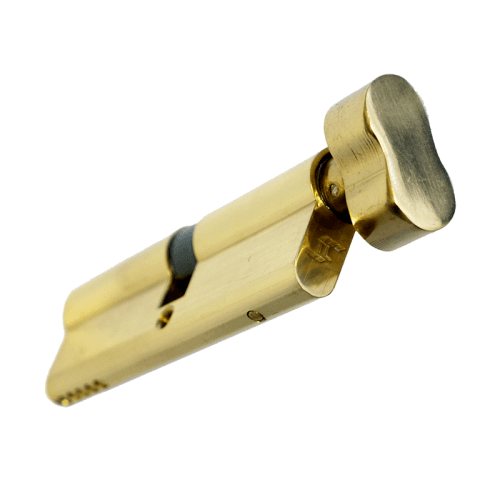
- TL Thumb Turn Euro Cylinder
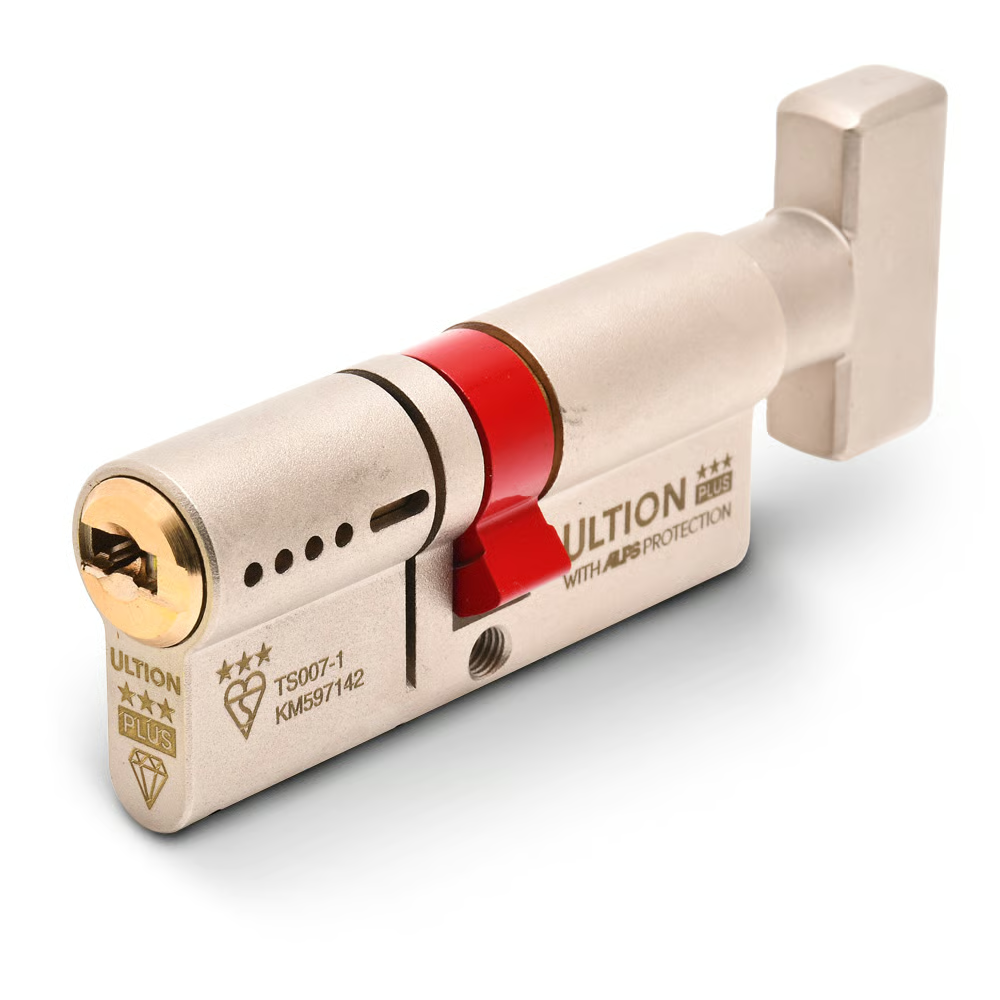
- Ultion Plus TS007 3* Kitemarked Euro Key & Turn Cylinder
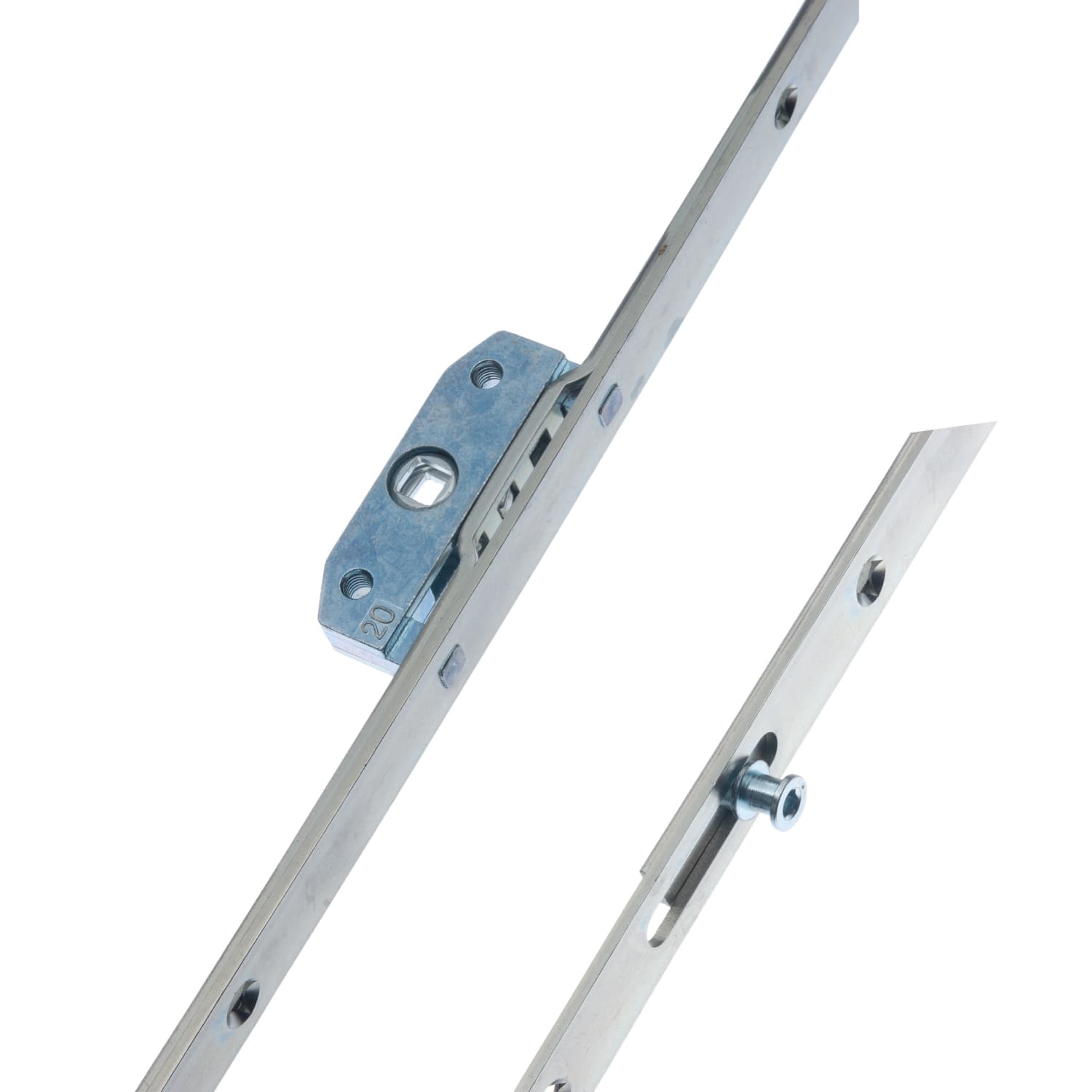
- ERAB Espagnolette Window Lock Universal Lock Replacement
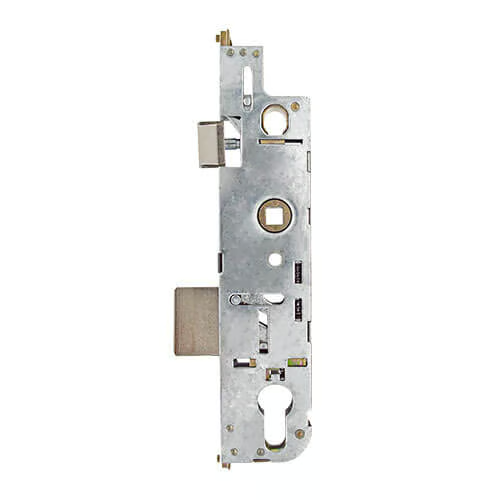
- Multipoint Gearbox GU Old Style
- In-Line Window Mechanism
Conclusion: Are thumb turn cylinders safe?
Thumb turn cylinders can be safe when selected and installed correctly: choose TS007 3-star or equivalent anti-snap cylinders, ensure correct sizing and flush fitting, and address vulnerabilities such as nearby glazing or letterboxes. For trade professionals, specifying certified products and fitting them with reinforced furniture is standard practice. For homeowners, replacing old or protruding cylinders with approved anti-snap models is a sensible first step.
Next steps: inspect your current cylinder and glazing; if the cylinder protrudes or it is an unbranded model, upgrade to a TS007 3-star thumb turn cylinder and add a cylinder guard or reinforced handle. If you are unsure about measurement or fire egress requirements, contact a qualified locksmith or one of our trade suppliers for on-site advice; see our pillar resource on euro cylinders for further technical detail: /c/locks-security.

Related articles
What Is a Thumb Turn Cylinder? Convenience vs Security
What Is a Thumb Turn Cylinder? Convenience vs Security What is a thumb turn cylinder? A thumb turn cylinder is a type of euro-profile lock cylinder that ha...
Thumb Turn Cylinder vs Panic Bar: Exit Options Compared
Thumb Turn Cylinder vs Panic Bar: Exit Options Compared examines two very different approaches to door egress and security. The thumb turn cylinder is a co...
Thumb Turn Cylinder Sizes: Finding the Right Length
Thumb Turn Cylinder Sizes: Finding the Right Length Choosing the correct thumb turn cylinder is vital for security, smooth operation and a neat finish on d...