
Thumb Turn Cylinder Security Concerns: What to Consider
Thumb Turn Cylinder Security Concerns: What to Consider Thumb turn cylinders are a common choice for UK doors: they allow quick locking and unlocking from ...
Thumb Turn Cylinder Security Concerns: What to Consider
Thumb turn cylinders are a common choice for UK doors: they allow quick locking and unlocking from the inside without a key while keeping a keyed cylinder on the outside. That convenience brings a set of particular security and safety considerations for homeowners and trade professionals. This article outlines the main risks, standards to look for, practical trade advice, and DIY guidance for fitting and checking thumb turn cylinders on uPVC, composite and aluminium doors.
Why use a thumb turn cylinder
A thumb turn cylinder has a key-operated external side and a thumb-operated turn on the internal side. Main benefits include:
- Rapid egress in normal conditions: no need to search for a key to unlock from inside.
- Convenience for households with carers, children or frequent short exits.
- Compatibility with multipoint lock cases used in modern uPVC, composite and aluminium doors.
Common security threats
Understanding how cylinders are attacked helps when selecting and installing replacements. Typical threats include:
- Snapping: attackers break the exposed portion of the cylinder to access the cam; common on old, unprotected euro cylinders.
- Bumping: special keys are used to transfer energy to pins and open the cylinder; anti-bump features reduce the risk.
- Drilling: hardened pins and anti-drill plates protect the core from being drilled out.
- Picking: pins are manipulated with picks; higher-quality cylinders with security pin stacks resist this.
- Fishing through letterboxes or cat flaps: an intruder can turn a thumb turn if it is reachable through an access point.
- Coercion and theft: the internal thumb turn makes it simple for someone inside or through an opening to unlock the door.
Standards and certification to look for
When selecting a thumb turn cylinder, always check recognised standards and credentials. Key markers include:
- TS 007 3-star accreditation: police-preferred rating for resistance to snapping; many insurers ask for this on external doors.
- BS EN 1303: the European standard for cylinders; it rates durability, key related security and attack resistance.
- Sold Secure and other independent test marks: additional evidence of resistance to snapping, drilling and picking.
- Manufacturer statements on anti-bump and anti-drill features; these are useful but verify against test certificates.
Practical trade advice for specifying and fitting
Installers and specifiers should consider a holistic approach: cylinder quality, door furniture and hardware all work together to achieve secure performance.
- Specify a minimum of TS 007 3-star for external doors where possible; for flats and high-risk properties consider additional Sold Secure ratings.
- Match cylinder length to the door: measure from the centre of the fixing screw to each end accurately; avoid excessive projection beyond the faceplate as this increases snap risk.
- Check cam type and orientation for compatibility with the lock case; many euro cylinders have reversible cams but verify function before ordering large batches.
- Use hardened steel escutcheons and anti-snap cylinder guards where doors have long exposed cylinders; secure these to the locking stile rather than just the frame if possible.
- For doors with rim or padlocks, or where high leverage is possible, consider reinforced strike plates and longer fixings for security hardware.
- Record and test operation after fit: ensure the cylinder does not bind the multipoint lock; check that handles and latches operate smoothly with the new cylinder.
DIY replacement and quick checks for tradespeople
Replacing a thumb turn cylinder is straightforward for competent DIYers and professional fitters if the right steps are followed. Typical procedure:
- Measure the existing cylinder: note overall length and the distance from the fixing screw to each end. Replace like-for-like unless switching to anti-snap options that may need different projection or guards.
- With the door open, remove the handle or escutcheon as required to access the fixing screw. Remove the cylinder retaining screw.
- Insert the key and turn the key or thumb turn slightly to line up the cam; this allows the cylinder to slide out. Withdraw the cylinder gently.
- Fit the new cylinder with the key halfway in and the cam aligned; push into position, replace retaining screw and test operation from both sides before reassembling furniture.
- Do not over-tighten the retaining screw; this distorts the cylinder and can seize the cam. Use a dry graphite or specialist lock lubricant sparingly; avoid oily products that attract dirt.
Special considerations and common pitfalls
Certain situations require extra care:
- Fire and escape routes: in some communal areas and escape routes, a key may be required to exit for safety or building-regulation reasons; check project requirements before fitting a thumb turn.
- Letterbox vulnerability: a wide letterbox or poorly fitted flap can allow a tool to reach a thumb turn. Fit letterbox restrictors or reposition the letterbox; consider anti-fishing guards.
- Internal coercion risk: where there is a risk a resident could be forced to unlock the door, consider alternative solutions such as keyless digital access on the outside with a secured internal override, or remote-controlled access for monitored premises.
- Incorrect cylinder projection: a cylinder protruding more than 3 mm beyond protective furniture is more vulnerable to attack; fit appropriate guards or select a shorter cylinder.
Maintenance and regular checks
Routine checks prolong the life and security of thumb turn cylinders:
- Test smooth operation monthly: both key and thumb turn should work without sticking.
- Inspect escutcheons, screws and strike plates for looseness or wear; replace worn hardware promptly.
- Lubricate with approved lock lubricant once or twice a year; do not use household oils that attract grime.
- Re-assess security after any door damage or forced entry; the cylinder may have hidden stress and should be replaced if in doubt.
Choosing the right thumb turn cylinder and fitting it correctly minimises common risks while keeping the convenience of internal thumb operation. For trade professionals, specifying certified, anti-snap cylinders and using appropriate guards is essential; for DIYers, measuring carefully and following fitting steps will avoid common mistakes.
Recommended Products
Based on this article, you may find these products helpful:
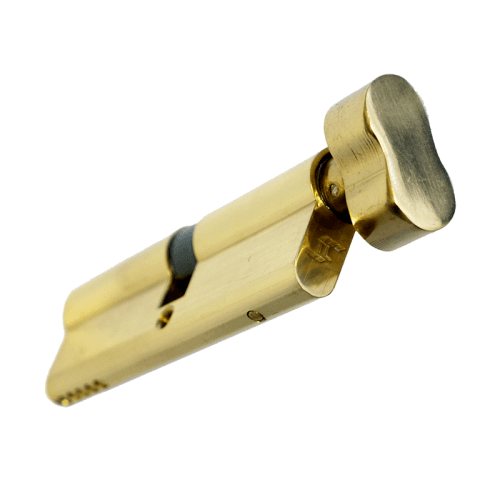
- TL Thumb Turn Euro Cylinder
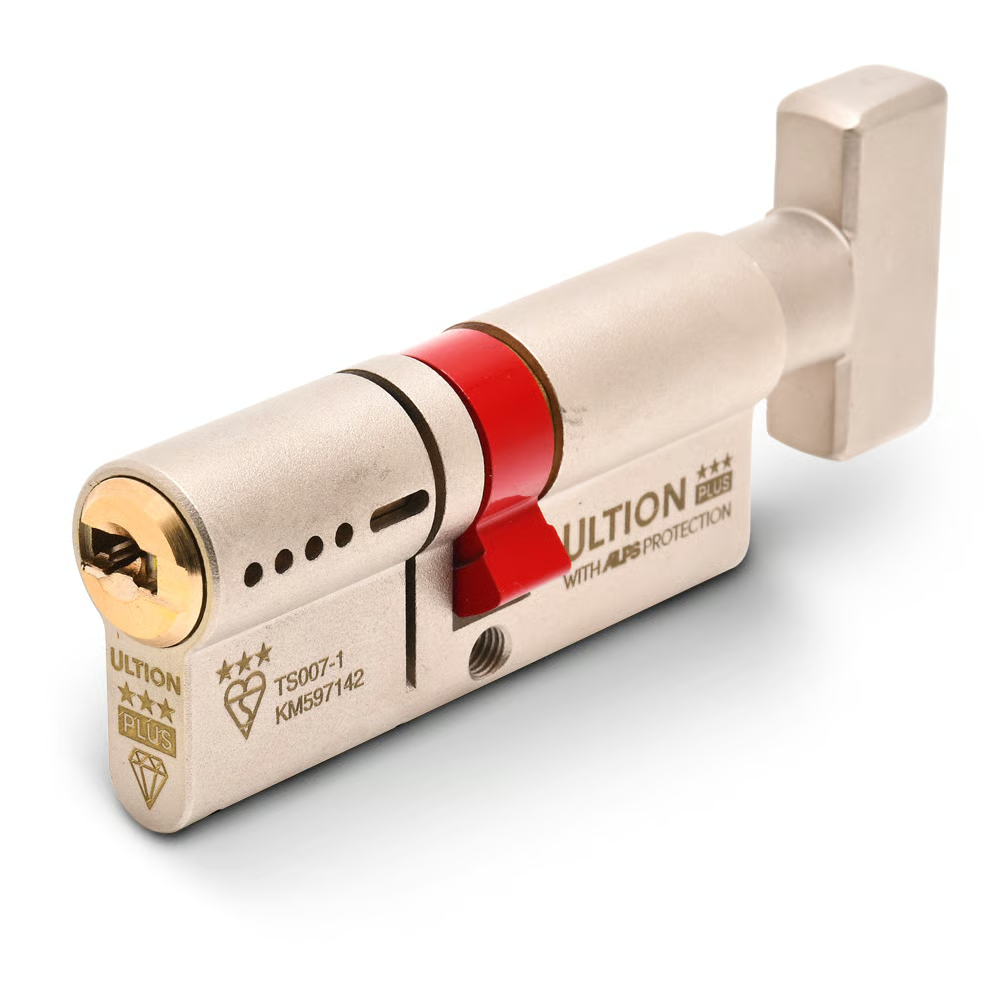
- Ultion Plus TS007 3* Kitemarked Euro Key & Turn Cylinder
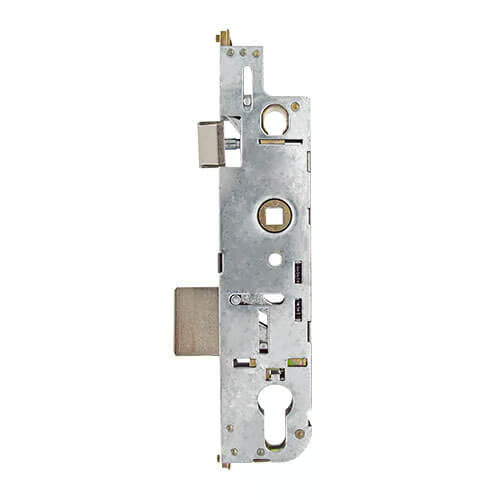
- Multipoint Gearbox GU Old Style
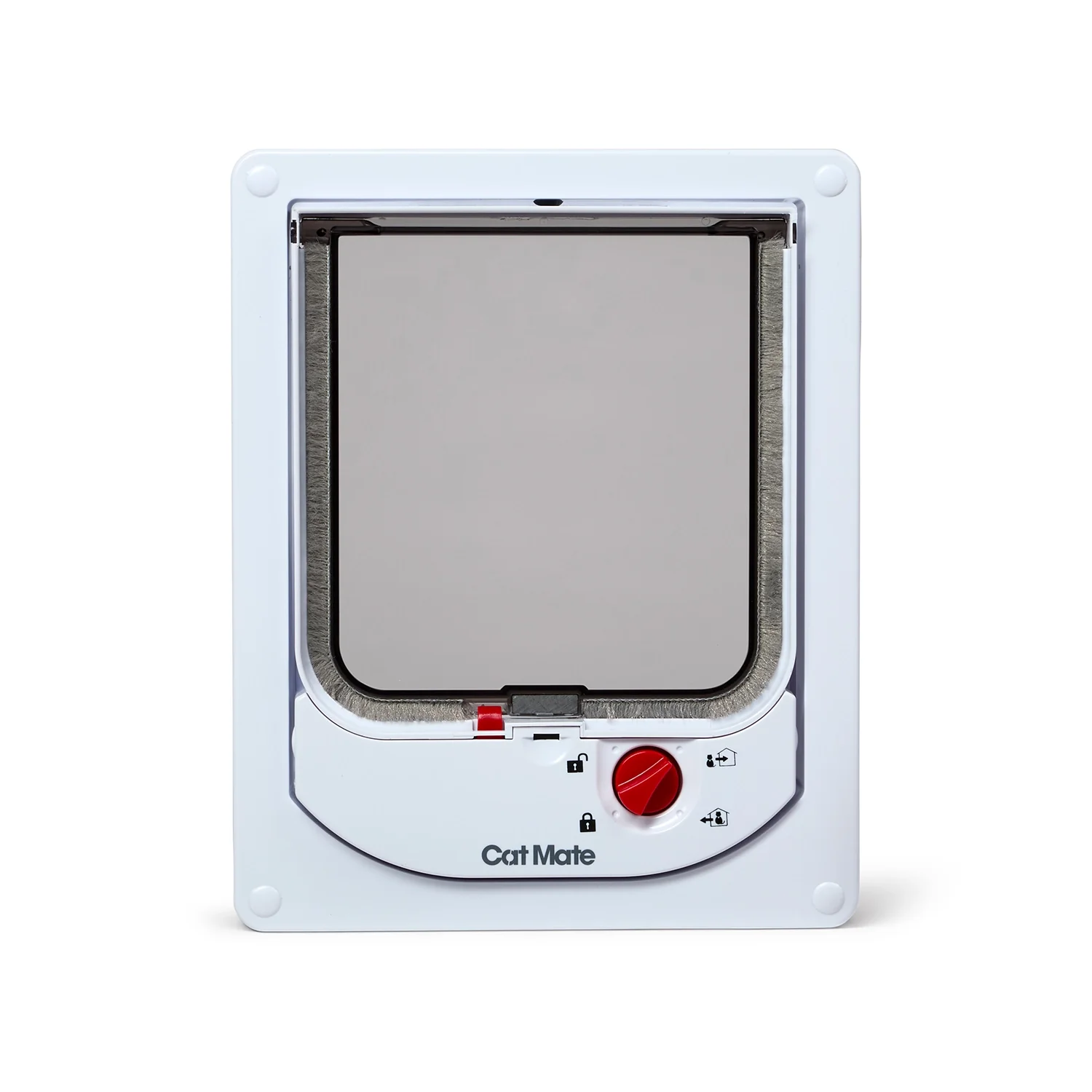
- Cat Mate Electromagnetic Cat Flap
Conclusion and next steps
When considering a thumb turn cylinder, prioritise certified anti-snap models, correct sizing and good door furniture to reduce attack vectors and insurance issues. If you are unsure about escape-route requirements or compatibility with a multipoint lock, consult a qualified installer.
- Check product certificates such as TS 007 and BS EN 1303 when ordering.
- Measure cylinder lengths accurately and select suitable escutcheons or guards.
- For more technical detail on euro cylinders and related hardware, visit our pillar page: /c/locks-security or contact Window Hardware Store for trade pricing and installation support.
Related articles
What Is a Thumb Turn Cylinder? Convenience vs Security
What Is a Thumb Turn Cylinder? Convenience vs Security What is a thumb turn cylinder? A thumb turn cylinder is a type of euro-profile lock cylinder that ha...
Thumb Turn Cylinder vs Panic Bar: Exit Options Compared
Thumb Turn Cylinder vs Panic Bar: Exit Options Compared examines two very different approaches to door egress and security. The thumb turn cylinder is a co...
Thumb Turn Cylinder Sizes: Finding the Right Length
Thumb Turn Cylinder Sizes: Finding the Right Length Choosing the correct thumb turn cylinder is vital for security, smooth operation and a neat finish on d...