
Thumb Turn vs Key-Operated Cylinder: Which to Choose?
Thumb Turn vs Key-Operated Cylinder: Which to Choose? Choosing between a thumb turn cylinder and a key-operated cylinder is a common decision for homeowner...
Thumb Turn vs Key-Operated Cylinder: Which to Choose?
Choosing between a thumb turn cylinder and a key-operated cylinder is a common decision for homeowners and trade professionals fitting or upgrading doors and windows. The right choice affects everyday convenience, fire safety, insurance compliance and security. This article explains the differences, outlines pros and cons, and gives practical trade and DIY guidance to help you decide.
What is a thumb turn cylinder?
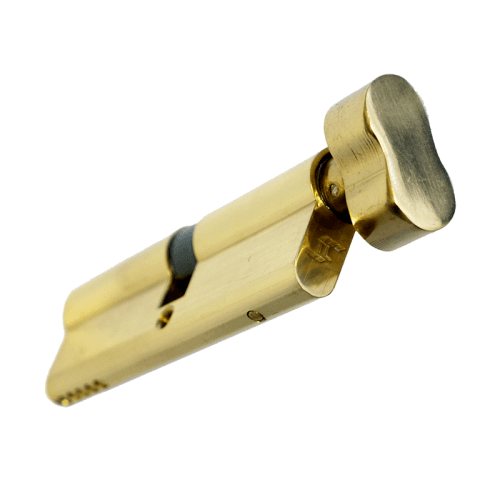
A thumb turn cylinder is a euro profile lock cylinder with a thumb turn on the internal side and a key entry on the external side. From inside the property you operate the lock by turning the thumb piece; from outside you use a key. Thumb turn cylinders are common on front and back doors where quick egress without a key is preferred.
What is a key-operated cylinder?
A key-operated cylinder, often referred to as a double cylinder, requires a key on both sides to lock and unlock. There is no internal thumb turn. These are used where both sides of the door need to be keyed, for example in communal entrances, some commercial premises or where locking control must be restricted.
Security comparison
Security depends more on cylinder quality and installation than whether you have a thumb turn or key on both sides. Key factors to check include anti-snap, anti-drill, anti-pick and anti-bump features; look for TS007 3-star accreditation and recognised third-party approvals such as Sold Secure where appropriate.
- Thumb turn cylinder: easier to use in an emergency because no key is needed to exit; however if a thumb turn is reachable through nearby glazing or letterbox access it can be exploited. Consider the location of glazing and whether laminated glass or protective measures are in place.
- Key-operated cylinder: removes the internal thumb turn vulnerability but may impede escape in an emergency if occupants cannot access a key readily. This can be an issue for households with children or elderly occupants.
Where each type is most suitable
Consider these typical scenarios when choosing between a thumb turn cylinder and a key-operated cylinder:
- Front doors with secure glazed panels: if glazing can be smashed to reach an internal thumb turn, avoid an internal thumb turn or protect the glazing with laminated glass or security film; alternatively use an anti-snap, high-security euro cylinder combined with a robust escutcheon.
- Internal doors and flats: thumb turn cylinders are preferred where quick egress is essential and risk of forced entry from outside is minimal.
- Side and rear doors with no glazing close by: thumb turn cylinders provide convenience without significant additional risk if the door and frame are secure.
- Communal or multi-occupancy entrances: key-operated double cylinders may be required to control access; check building regulations and management company rules.
Practical trade advice
For trade professionals specifying and fitting cylinders: prioritise certified, anti-snap 3-star cylinders for external doors; stock common sizes such as 35/45mm, 40/50mm and 45/45mm and carry a few asymmetric sizes for sashes and composite doors. Fit security escutcheons rated to resist attack; many compromising cylinder attacks exploit weak escutcheons rather than the cylinder itself.
- Always check the door thickness and measure the cylinder correctly from the centre screw to each end; order cylinders in the correct split length.
- Pair a high-quality cylinder with a multi-point lock that functions smoothly: misaligned cams can cause early wear and cover claims of poor cylinder performance.
- Where a thumb turn is used, consider restricted thumbturn models that reduce the projection of the thumb piece to lower the risk of manipulation through broken glass.
DIY installation and checks
Replacing a cylinder is a straightforward DIY job for competent homeowners; follow these steps and safety checks:
- Measure the existing cylinder: remove the central fixing screw, set the cam to release position, and withdraw the cylinder while supporting the door; measure overall length and each side from cam centre to the end.
- Choose the correct type: single cylinder for patio or garage doors, thumb turn cylinder for internal convenience, double cylinder where key control both sides is required.
- Install the cylinder: insert and align the cam so it engages the lock bolt, secure with the fixing screw and test operation from both sides. Ensure the multipoint lock cycles fully with the door closed and the cylinder operated.
- Security checks: confirm the cylinder has anti-snap protection and that the escutcheon covers the cylinder adequately. Test operation through glazing vulnerabilities by imagining a break and reach scenario; if reachable, reconsider thumb turn placement or add protective glazing measures.
Common pitfalls to avoid
- Ordering the wrong length: an overhanging cylinder is a security weakness; an under-length will not engage properly with the lockcase.
- Overlooking the escutcheon: a strong cylinder with a weak escutcheon is still vulnerable; fit certified security furniture where possible.
- Ignoring fire and escape requirements: doors on escape routes must be easily opened; check local building regulations and insurer requirements before removing a thumb turn for the sake of security.
Choosing the right cylinder: quick checklist
- Measure accurately: centre-to-end dimensions and door thickness.
- Select appropriate type: thumb turn cylinder for internal convenience; key-operated where internal control is required.
- Specify security level: TS007 3-star recommended for external doors; ensure anti-snap, anti-drill features.
- Match to lock: ensure cam position and cylinder profile match the lockcase and handle set.
- Consider glazing: mitigate reachability by upgrading glazing or selecting alternative cylinder types.
- Stock and labelling: for installers, keep common sizes keyed alike to reduce site complications.
Recommended Products
Based on this article, you may find these products helpful:
- TL Thumb Turn Euro Cylinder
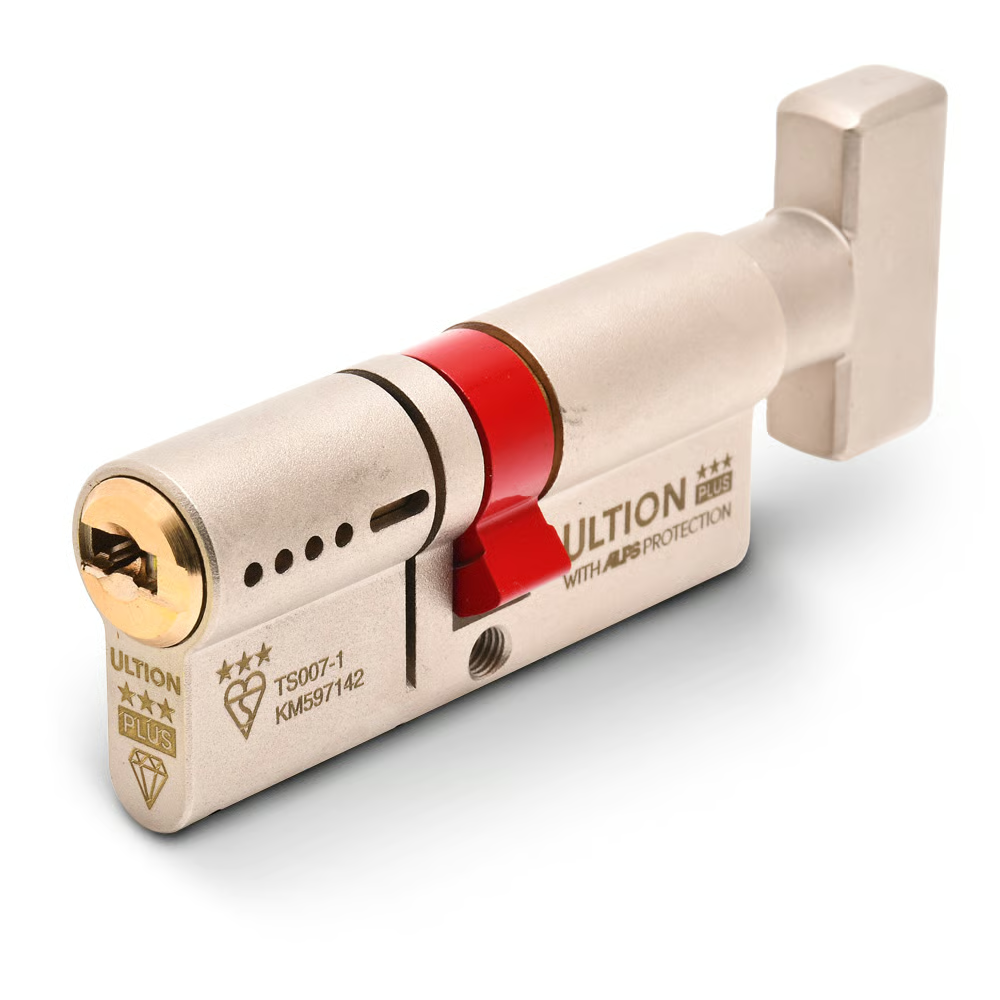
- Ultion Plus TS007 3* Kitemarked Euro Key & Turn Cylinder
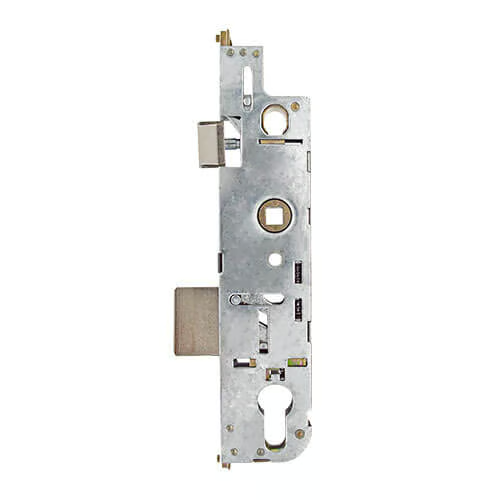
- Multipoint Gearbox GU Old Style
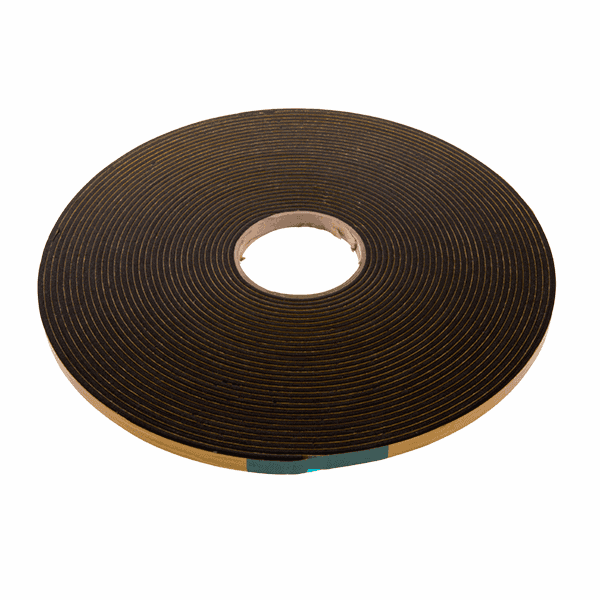
- Structural Glazing Tape - 20mm
- Security Glazing Tape
Conclusion and next steps
Choosing between a thumb turn cylinder and a key-operated cylinder comes down to balancing convenience, escape safety and security risks. Thumb turn cylinders offer fast egress and user-friendly operation; key-operated cylinders reduce the risk of manipulation through broken glazing but can complicate escape. For most domestic external doors a high-security thumb turn cylinder with appropriate glazing protection and a certified escutcheon offers the best compromise; for communal or high-control applications use double cylinders as required.
Next steps: measure your current cylinder accurately, review any glazing risks, and choose a TS007-rated cylinder that suits door thickness and lock type. For detailed technical information on euro cylinders and specifications consult our pillar page: /c/locks-security. If unsure, ask a qualified locksmith or your trade supplier to advise on the best cylinder and escutcheon combination for your door.
Related articles
What Is a Thumb Turn Cylinder? Convenience vs Security
What Is a Thumb Turn Cylinder? Convenience vs Security What is a thumb turn cylinder? A thumb turn cylinder is a type of euro-profile lock cylinder that ha...
Thumb Turn Cylinder vs Panic Bar: Exit Options Compared
Thumb Turn Cylinder vs Panic Bar: Exit Options Compared examines two very different approaches to door egress and security. The thumb turn cylinder is a co...
Thumb Turn Cylinder Sizes: Finding the Right Length
Thumb Turn Cylinder Sizes: Finding the Right Length Choosing the correct thumb turn cylinder is vital for security, smooth operation and a neat finish on d...