
Troubleshooting Hook Lock Failures: A Trade Guide
Troubleshooting Hook Lock Failures: A Trade Guide Hook locks are a common choice on uPVC, composite and aluminium entrance doors because they pull the door...
Troubleshooting Hook Lock Failures: A Trade Guide
Hook locks are a common choice on uPVC, composite and aluminium entrance doors because they pull the door into the frame and provide good security and weather-sealing. When a hook lock fails, the result can be a door that will not lock, a handle that feels loose, or a hook that does not engage correctly. This guide gives practical trade and DIY advice to identify causes, carry out safe repairs and decide when replacement is the best option.
How hook locks work: quick technical overview
Hook locks are typically part of a multipoint system or a single-point hook mechanism. Turning the key or operating the lever moves a hook, often combined with a deadbolt or latch, into a keep fitted on the frame. Components to be aware of include the lock body or gearbox, the operating spindle, handle furniture, the hook itself, keeps/striker plates and the faceplate that fixes to the door edge. Correct alignment and smooth internal movement are essential for reliable operation.
Common symptoms and likely causes
- Handle moves but hook does not extend: broken or slipped connection between spindle and gearbox; sheared cam or worn gearbox internals.
- Hook only partially engages: misaligned keep or distorted hook; worn strike plate rebate; incorrect frame compression.
- Key will not turn or is hard to turn: cylinder issues, dirt or lack of lubrication; seized internal mechanism from corrosion.
- Hook retracts after locking: failed locking cams, broken springs or worn internal ratchet.
- Door hard to close before locking: misaligned keeps, swelling from moisture, or compression settings on hinges too tight.
- Corrosion or salt damage in coastal locations: pitted components leading to binding or breakage.
Step-by-step diagnostic checklist
- Visual inspection: check hook face for bends, cracks or heavy wear; inspect keeps for crushed or elongated holes; look for missing screws or loose faceplate fixings.
- Operate the handle and key: note whether the spindle turns smoothly; listen for grinding or skipping sounds which indicate internal wear.
- Check alignment: close the door and observe how the hook meets the keep; if it scrapes or lifts the door, the keep position or hinge setting is off.
- Test the lock in stages: remove handle to check if spindle and gearbox operate independently; this isolates handle faults from gearbox faults.
- Inspect for corrosion and debris: coastal doors may need stainless parts or specialised coatings; remove visible salt, grit and old lubricant before further testing.
DIY fixes for homeowners
Some hook lock faults are straightforward and safe for competent homeowners to fix. Always ensure the door is supported and stable before removing hardware; if in doubt, call a professional.
- Tighten fixings: loose faceplate or keep screws can cause misalignment. Use correct-length screws to avoid damaging the lock case or frame.
- Realign keeps: many keeps have elongated fixing holes allowing small vertical adjustments. Loosen screws, reposition and re-tighten.
- Clean and lubricate: remove old grease, dust and grit with a cloth and a small brush. Use a dry graphite powder in cylinders and a light, high-quality lock grease or silicone-based spray for moving parts; avoid prolonged use of penetrating oils like general-purpose sprays that attract dirt.
- Replace worn strike plates: if the keep is damaged or flattened, fitting a new striker or a steel-lined keep can restore function quickly.
- Hinge and door adjustment: check hinges for sag; tightening hinge fixings or fitting longer screws into the frame can correct closure alignment and relieve strain on the hook.
Trade-level repairs and replacements
Trade professionals will often need to carry out deeper intervention when DIY fixes fail or when security compliance is a concern.
- Remove and inspect the gearbox: many failures are due to worn cams, springs or sheared components. Replace the gearbox or internals rather than attempting makeshift repairs; availability of OEM parts varies by manufacturer.
- Check spindle and handle wear: ensure square spindles are not rounded off and that grub screws are tight and correctly located.
- Replace hooks and striker keep sets: high-wear areas benefit from hardened or stainless components, particularly in coastal environments.
- Re-pack or adjust gaskets and thresholds: poor compression can be solved by altering gasket position or adjusting the threshold to reduce door resistance when hooking.
- Upgrade for security: when replacing a failing unit, consider a multipoint system with recognised standards or Secured by Design accredited hardware to meet insurance and safety requirements.
Parts, tools and supplies to carry
- Common spare parts: replacement gearboxes, hook assemblies, striker keeps, handles, spindles and faceplate fixings.
- Consumables: lock grease, silicone spray, graphite powder for cylinders, stainless screws and threadlock for outdoor fixings.
- Tools: Torx and Allen keys, centre punch, small hammer, socket set, clamp to support the door when removing heavy hardware, feeler gauges for alignment checks.
- Diagnostic aids: torch, mirror, camera phone for documenting wear and for sharing with suppliers when ordering parts.
When to replace the lock
Replace a hook lock when the gearbox is extensively worn, the hook is fractured, the frame keeps are badly distorted or when security standards are no longer met. Frequent or recurring faults often indicate underlying alignment or frame problems; replacing the lock without addressing these will only delay failure. For doors in exposed locations, specify corrosion-resistant finishes and stronger materials.
Maintenance tips to prevent failures
- Service annually: inspect, clean and lubricate moving parts at least once a year; more often in coastal or high-use situations.
- Keep documentation: record part numbers and manufacturer details when replacing components to simplify future maintenance.
- Adjust hinges and compression early: small door sag or swelling will soon affect hook engagement; tackle these issues promptly.
- Recommend stainless components for coastal properties: salt spray accelerates wear on mild steel parts.
For further technical reference and related products see our door locks pillar page: /guides/door-locks. Window Hardware Store supplies a wide range of replacement gearboxes, hooks and keeps for trade fitting and DIY projects.
Recommended Products
Based on this article, you may find these products helpful:
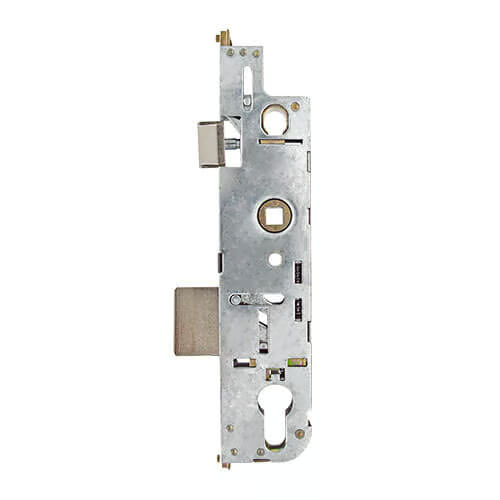
- Multipoint Gearbox GU Old Style
- In-Line Window Mechanism
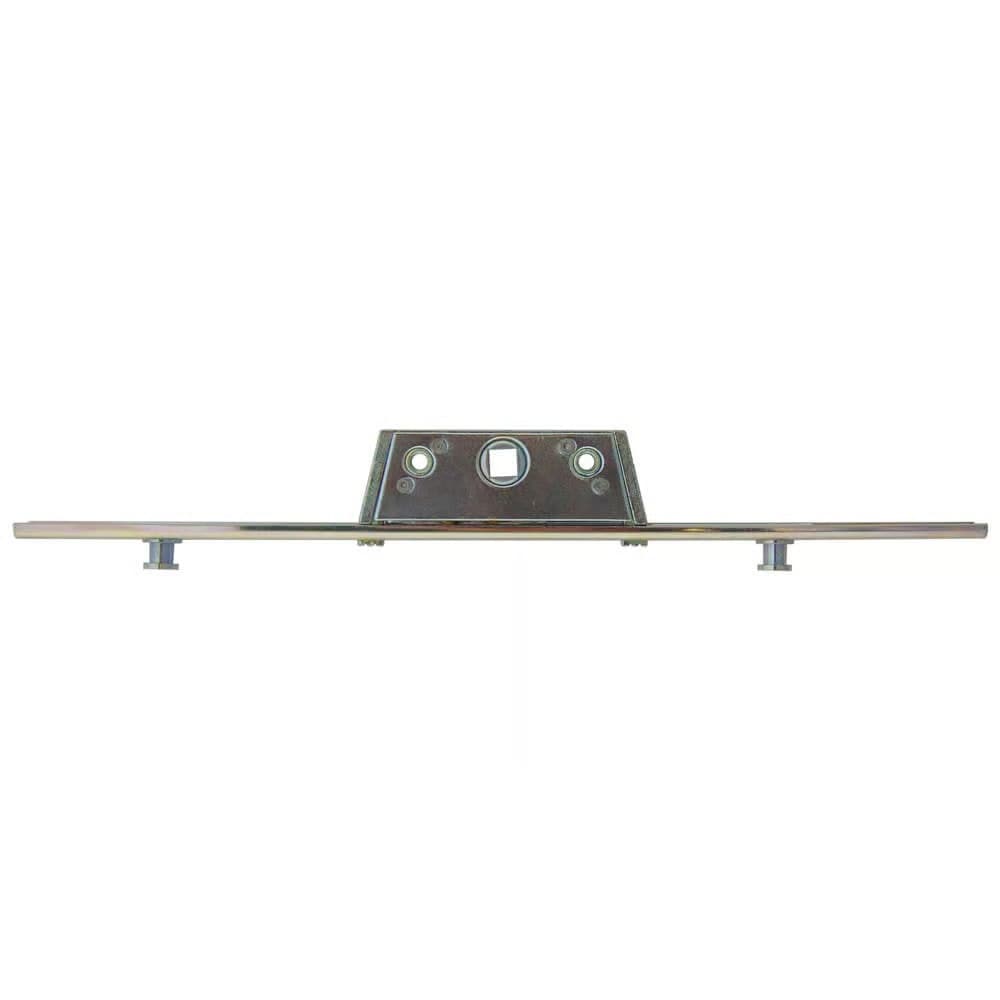
- Offset Window Mechanism
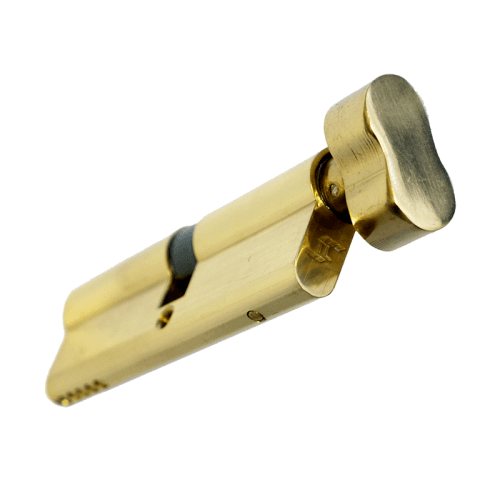
- TL Thumb Turn Euro Cylinder
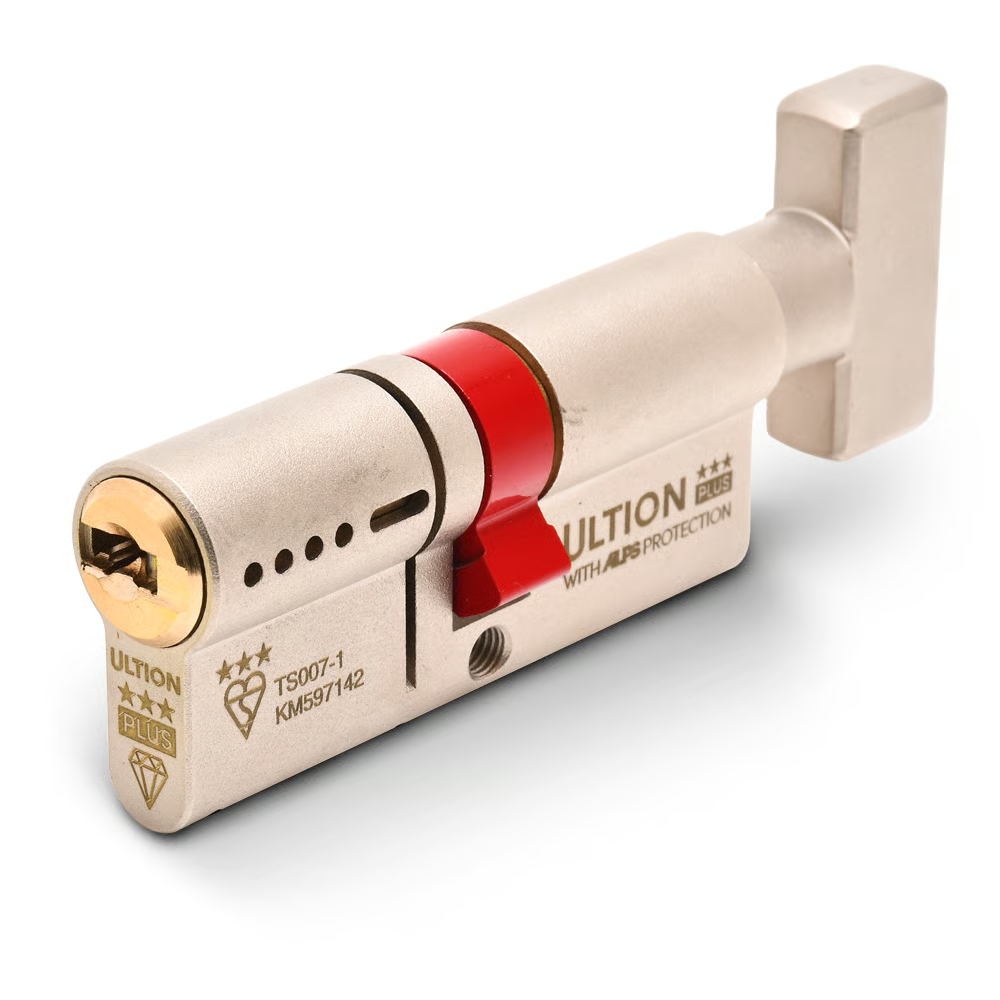
- Ultion Plus TS007 3* Kitemarked Euro Key & Turn Cylinder
Conclusion and next steps
Diagnosing a hook lock failure requires a methodical approach: inspect, isolate the fault, perform basic adjustments or lubrication, and escalate to gearbox or component replacement when necessary. Homeowners can resolve many common issues, but carry out more complex repairs with the correct spares and safe working methods or book a trade professional for replacement. Next steps: perform the diagnostic checklist on the affected door, source the correct replacement parts from a reputable supplier and, where security or corrosion is a concern, upgrade to more durable hardware.

Related articles
uPVC Door Lock Maintenance: Keep Your Lock Working Smoothly
uPVC Door Lock Maintenance: Keep Your Lock Working Smoothly A well maintained upvc door lock reduces call-outs, keeps a property secure and extends the lif...
Hook Lock Sizes and Compatibility: Matching Your Existing Lock
Hook Lock Sizes and Compatibility: Matching Your Existing Lock Replacing a hook lock can be straightforward if you know what to measure and what to check f...
Replacing Individual Hook Locks vs Full Multipoint Mechanism
Replacing Individual Hook Locks vs Full Multipoint Mechanism Deciding whether to replace a single hook lock or the entire multipoint mechanism is a common ...