
Troubleshooting Multipoint Door Lock Problems: A Fitter's Guide
Troubleshooting Multipoint Door Lock Problems: A Fitter's Guide Why multipoint door locks fail Multipoint door locks are reliable when fitted and maintaine...
Troubleshooting Multipoint Door Lock Problems: A Fitter's Guide
Why multipoint door locks fail
Multipoint door locks are reliable when fitted and maintained correctly; however, several recurring faults can cause poor operation, loss of security and customer dissatisfaction. Typical reasons for failure include misaligned keeps; worn gearbox or cams; incorrect cylinder or spindle length; failed rollers, hooks or shootbolts; timber movement causing racking; and lack of lubrication. Understanding the root cause saves time on the job and prevents unnecessary replacements.
Essential tools and safety
- Torx and Pozi screwdrivers; Allen keys
- Feeler gauges and a combination square
- Calipers or tape measure for backset and case length
- Lubricant: graphite for cylinders; a light PTFE spray for mechanisms
- Replacement parts: euro cylinder, gearbox/case, keeps/striker plates, fixings
- Personal protective equipment: gloves and eye protection
Work with the door secured; avoid forcing components as this can damage the faceplate or frame. For external doors, consider temporary weather protection if removing parts exposes the home to draughts or rain.
Quick checks before dismantling
- Confirm the door sits square in the frame: look for binding at the top or bottom when opening and closing.
- Check for new draughts or swelling after recent decoration or weather changes; timber and composite doors can move seasonally.
- Operate the lock slowly and note whether the handle travel is normal, excessive or intermittent.
- Listen for where the mechanism binds: at the keep; mid case; or at the top/bottom shootbolts.
Symptom-based troubleshooting
1. Stiff or heavy handle
Cause: worn gearbox, dry mechanism or binding keeps. Actions:
- Remove the handle and operate the spindle manually: if smooth, the problem is likely the handle or spindle; if not, the gearbox or cams are suspect.
- Lubricate moving parts with PTFE spray; do not use oil in euro cylinders as it attracts dust.
- Check the spindle sits square and is not truncated; replace stripped spindles.
- If lubrication does not help, remove the multipoint case and inspect the gearbox for broken gears or excessive wear; replace the case if damaged.
2. Handle operates but the door won’t lock
Cause: misaligned keeps or failed shootbolts/hooks. Actions:
- With the door closed, mark the position where each locking point meets the keep. If marks are off-centre, adjust the keep laterally or vertically.
- Check keep screws are fully seated into reinforcing plates or solid timber; loose keeps will miss their targets.
- For compression-operated locks, adjust the striker height or backset by loosening keep fixings and moving the keep gradually until the handle operates freely and the bolts engage.
- If a hook or roller is damaged, replace the entire lock case; individual hooks are rarely sold separately for some proprietary systems.
3. Key will not turn or cylinder sticks
Cause: cylinder fault, debris or misaligned bolt preventing rotation. Actions:
- Try operating the handle to see if internal binding prevents cylinder rotation. If so, solve the alignment issue first.
- Remove the euro cylinder and inspect: use graphite powder rather than oil to lubricate; if the cylinder is seized or shows evidence of snapping or drilling, replace immediately with a TS007-rated anti-snap cylinder.
- Ensure the cylinder length and profile are correct for the door; an incorrect length will leave the cylinder vulnerable or bind within the sash.
4. Lock works intermittently or jams at certain points
Cause: broken cam, shear points inside gearbox, or sash movement. Actions:
- Cycle the lock while observing each locking point engage: note any that hang up or skip. That identifies the problem area.
- Remove the case and inspect cams and gear teeth; small fractures or excessive play require case replacement.
- Check the door’s squareness and hinges; sagging can change the engagement geometry so the lock jams at certain points only.
Practical tips for correct replacement
- Measure before ordering: overall case length, backset (distance from faceplate to spindle centre), distance from spindle to keyhole, number and type of locking points, handedness and faceplate finish.
- Match the lock type: hook, roller cam, or combination. Hook locks are common on composite doors; rollers are more common on uPVC sliding-type sets.
- If replacing the euro cylinder, use a cylinder with the correct security rating and ensure snap-resistance if the property requires it.
- Keep spares in your van: common case lengths and euro cylinders reduce call-backs.
Trade techniques and DIY boundaries
For trade professionals: when diagnosing a recurring fault, inspect the whole door assembly including hinges, frame packing and thresholds. A true fix often requires adjusting multiple components rather than just replacing the lock case.
For competent DIYers: many issues can be resolved with diagnostic checks, lubrication and keep adjustments. Avoid drilling out bolts or modifying the frame unless experienced; incorrect packing or routing can compromise weather performance and security. If the cylinder has been compromised or the case requires mortice alterations, call a qualified locksmith or installer.
When to call a specialist
- If the door requires frame modification or strap-in reinforces.
- When the cylinder shows signs of forced entry or anti-snap failure.
- If recurrent alignment issues persist after adjusting keeps and hinges; this can indicate structural problems or poor original installation.
Recommended Products
Based on this article, you may find these products helpful:
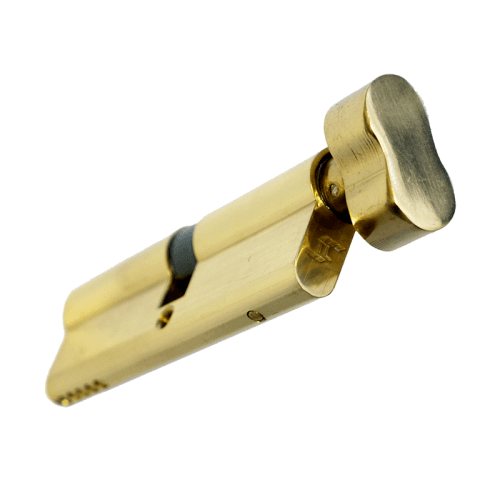
- TL Thumb Turn Euro Cylinder
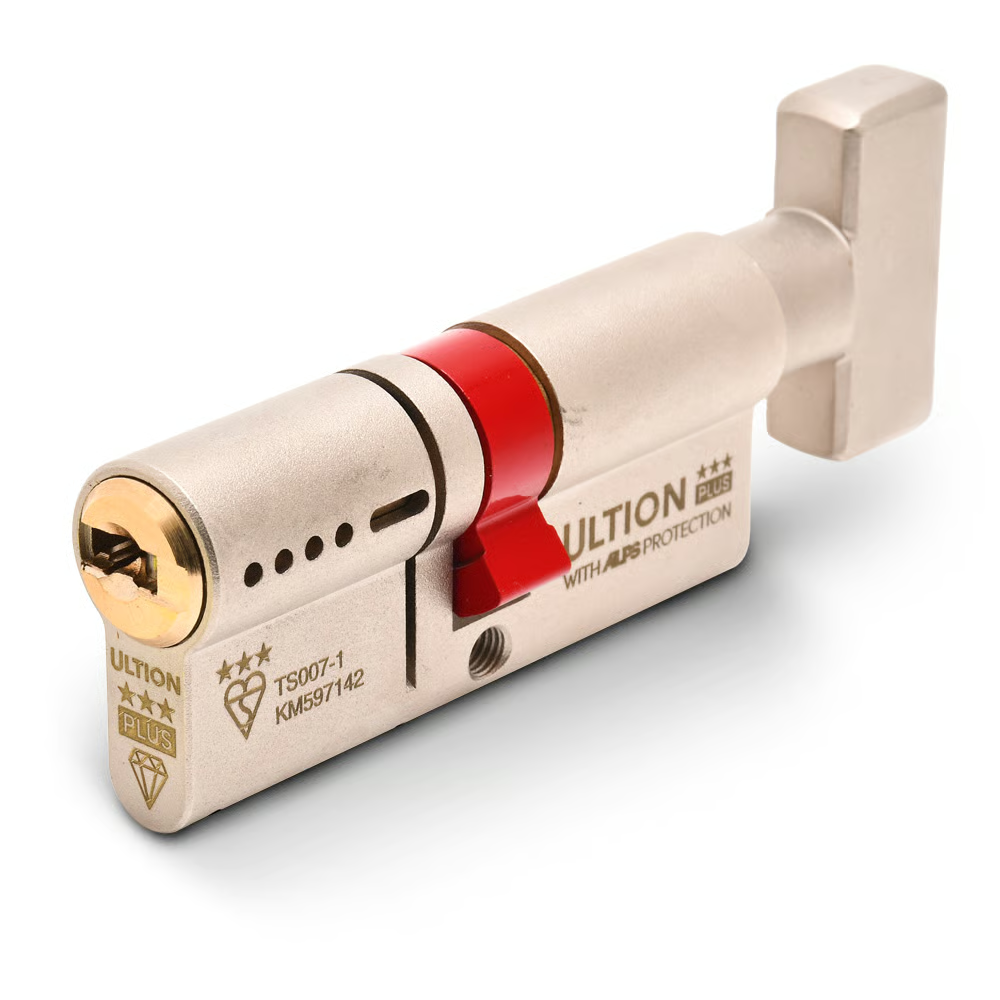
- Ultion Plus TS007 3* Kitemarked Euro Key & Turn Cylinder
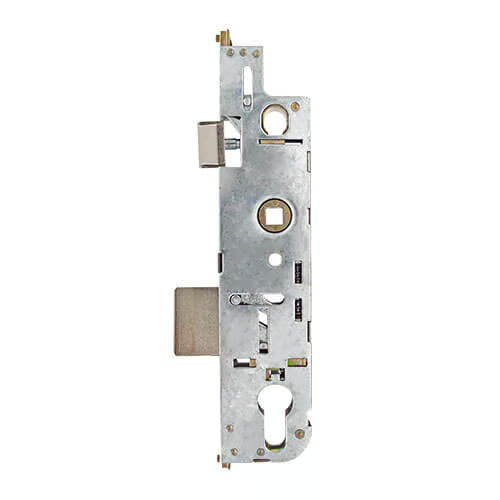
- Multipoint Gearbox GU Old Style
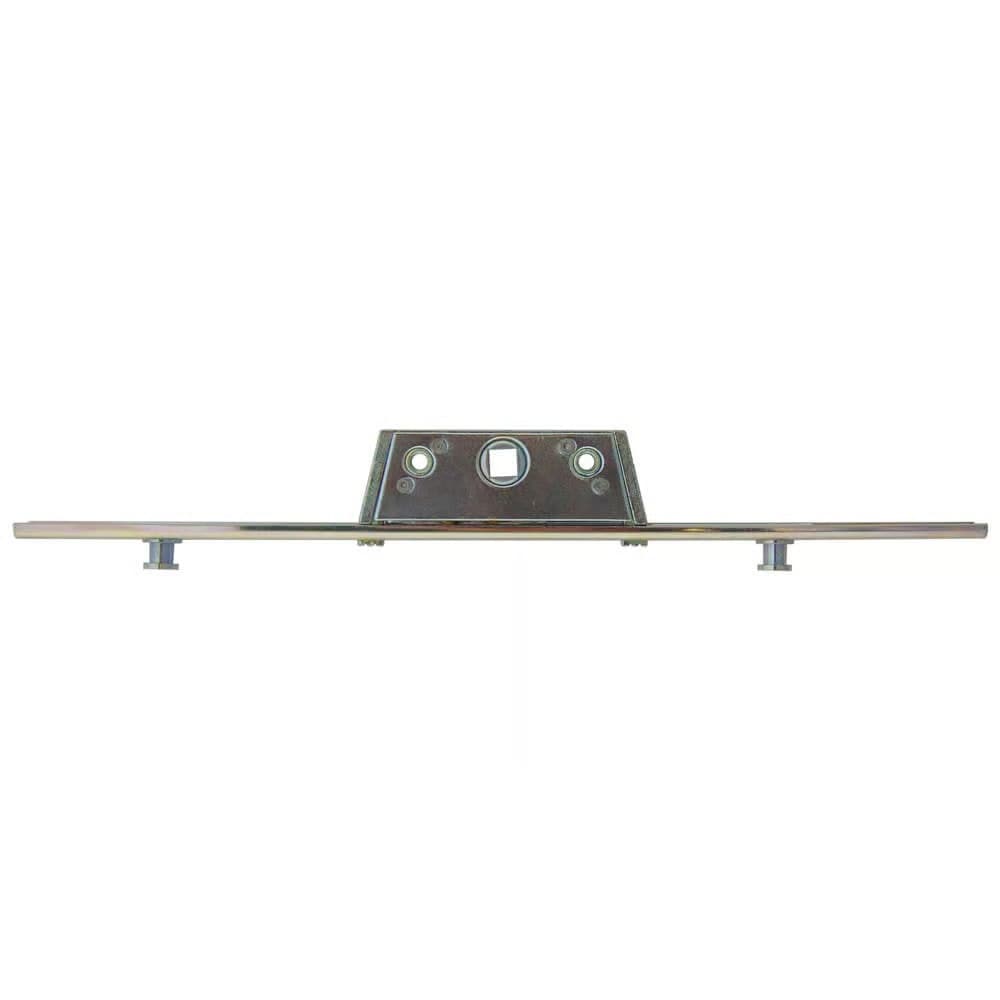
- In-Line Window Mechanism
- Offset Window Mechanism
Conclusion and next steps
Systematic diagnosis is the most efficient route to repair: identify the symptom, isolate the component at fault and replace or adjust the affected part. For accurate part replacement, measure the existing case and cylinder precisely and fit components with appropriate security ratings. For trade buyers, Window Hardware Store stocks a wide range of multipoint lock cases, euro cylinders and keeps to suit uPVC, composite and timber doors. Visit our pillar page for more technical resources and product options: /guides/door-locks.

Related articles
uPVC Door Lock Maintenance: Keep Your Lock Working Smoothly
uPVC Door Lock Maintenance: Keep Your Lock Working Smoothly A well maintained upvc door lock reduces call-outs, keeps a property secure and extends the lif...
Hook Lock Sizes and Compatibility: Matching Your Existing Lock
Hook Lock Sizes and Compatibility: Matching Your Existing Lock Replacing a hook lock can be straightforward if you know what to measure and what to check f...
Replacing Individual Hook Locks vs Full Multipoint Mechanism
Replacing Individual Hook Locks vs Full Multipoint Mechanism Deciding whether to replace a single hook lock or the entire multipoint mechanism is a common ...