
Upgrading to a Multipoint Door Lock: Is It Worth It?
Upgrading to a Multipoint Door Lock: Is It Worth It? If you are weighing up whether to replace a single-point or old multipoint lock, this post sets out th...
Upgrading to a Multipoint Door Lock: Is It Worth It? If you are weighing up whether to replace a single-point or old multipoint lock, this post sets out the practical benefits, technical considerations and fitting advice for UK homeowners and trade professionals. Multipoint door locks are common on uPVC, composite and timber external doors; the decision to upgrade should be based on security, weather performance, door condition and cost.
What is a multipoint door lock?
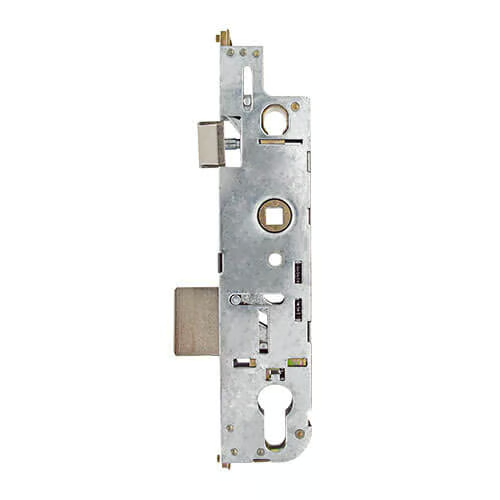
A multipoint door lock secures a door at two or more points along the edge when the handle is lifted and the cylinder is turned. Typical multipoint systems engage hooks, rollers or deadbolts at the top and bottom as well as a central deadbolt. The result is improved security and compression across the door, which helps reduce draughts and improves weather sealing.
Key benefits
- Security: Multiple locking points make it harder to force the door; hooks and deadbolts resist levering and spreading. When combined with a TS007 3-star or equivalent anti-snap cylinder, a multipoint significantly raises resistance to common attack methods.
- Weather performance: Even pressure along the door edge improves the seal against draughts and rain, helping with energy efficiency.
- Alignment and longevity: Multipoints keep the door from warping and reduce wear on a single latch. They also help on tall or heavy doors where a single lock would be insufficient.
- Insurance and standards: Many insurers expect external doors to have adequate multi-point security; PAS 24 or enhanced security specification is commonly referenced for compliance.
Types and technical points trade and DIY should know
Multipoint hardware varies by profile and mechanism. Common elements to identify before ordering or fitting include:
- Backset: Common backsets are 35mm or 45mm; measure from the edge of the faceplate to the spindle or cylinder centre.
- PZ (cylinder to spindle) measurement: A typical PZ is 92mm on many uPVC and composite doors; confirm before replacing furniture or cylinders.
- Faceplate width and screw positions: Faceplates are commonly 16mm or 22mm wide; the screw centres and case height must match the aperture.
- Locking heads: Hook locks are common on composite and timber for better pull resistance; roller cams and mushroom cams are often seen on uPVC systems for smoother engagement.
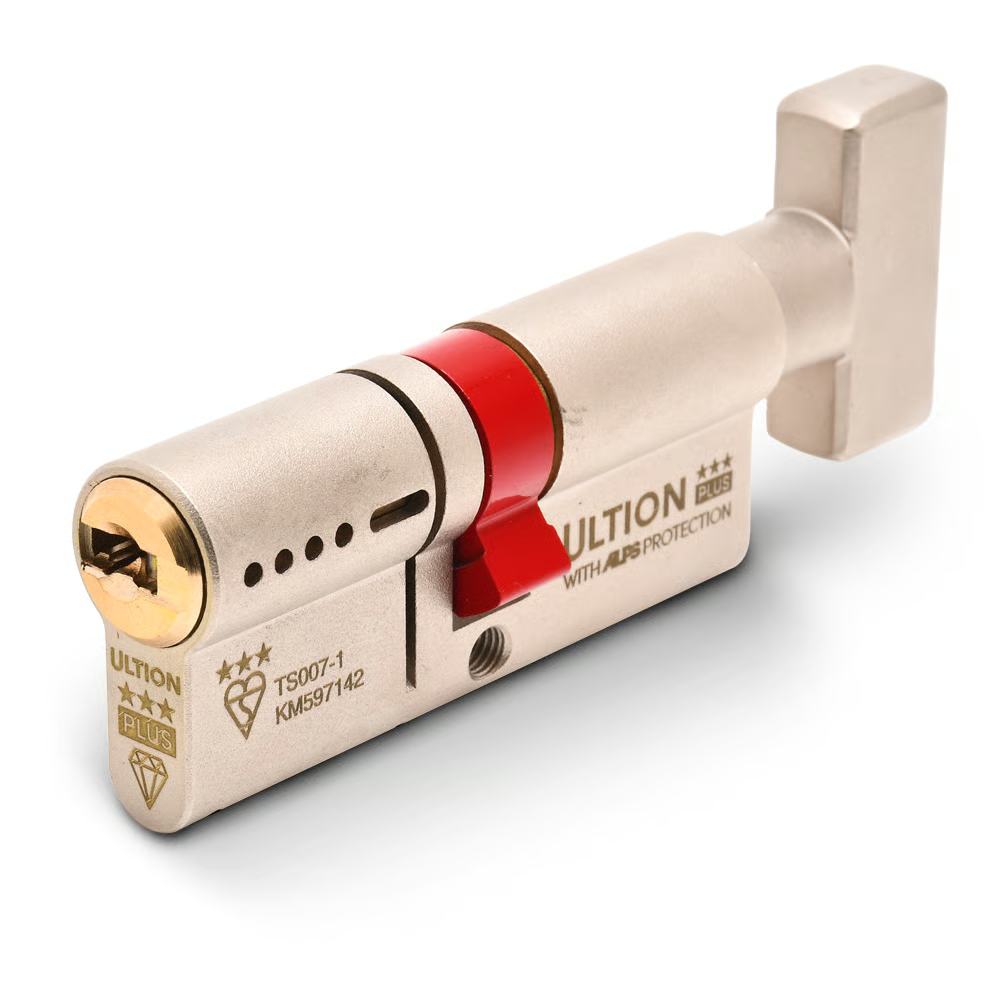
- Cylinders: Euro-profile cylinders remain the norm; specify an anti-snap, anti-bump and anti-drill cylinder where possible (TS007 3-star recommended).
When upgrading is worth it
Consider upgrading if one or more of the following apply: your current single-point lock is the only security on an external door; the door is draughty or doesn't close square; the existing multipoint is worn, damaged or missing bolts; or you are replacing the door furniture or cylinder and want a complete security improvement. For new composite or timber doors, a correctly specified multipoint is standard practice and usually cost effective in the long term.
DIY guidance and practical fitting steps
An experienced DIYer can replace a multipoint lock, but attention to measurement and alignment is essential. If the door is a high-value composite or has decorative veneers, consider a trade fit to avoid damage.
- Tools and materials: Screwdrivers, chisel, router or plane for minor adjustments, ruler and vernier calipers, new multipoint case, new euro cylinder (if required), replacement handles, sealant and workshop clamps.
- Measure twice: Note backset, PZ, faceplate length, case height and door thickness before ordering. Photograph existing keep positions for reference.
- Remove existing furniture: Remove handles, cylinder and screws in a controlled manner; keep all parts labelled. Take care removing an old faceplate to avoid splintering the door edge.
- Fit the new case: Test-fit the multipoint in the slot; you may need to chisel or rout slightly for a different faceplate width. Ensure the case is fully seated and perpendicular to the edge.
- Align keeps and strikes: Accurate striker plate positions are critical. Engage the lock slowly and mark any out-of-line keep positions; small adjustments can eliminate binding.
- Test operation: With the handles and cylinder fitted, cycle the lock several times and check for smooth lifting and locking. Adjust the compression using the gearbox or keep plates as necessary.
Trade tips and common pitfalls
- Check door handing; some multipoints are handed and will not work if fitted the wrong way round.
- When upgrading from a single-point to multipoint, expect to alter the door edge: new keep positions and additional mortices may be required, which is why many installers charge extra.
- Replace the cylinder when upgrading the case; mismatched cylinders can leave the system vulnerable or cause faulty engagement.
- For older timber doors check for rot, swollen stiles or worn frames; fixing the frame first prevents a new multipoint from failing prematurely.
- Document measurements and keep spare keeps; different frames and thresholds often need bespoke keep plates or extensions.
Costs and timescales
Supply-only multipoint lock cases range widely depending on quality and features. Expect trade prices from around £50 for basic units to £200-plus for high-spec hook/roller sets. Labour for a straightforward replacement by a locksmith or door fitter typically varies from £80 to £250 depending on complexity and whether frame alterations are required. A full door replacement or major routing will increase costs accordingly. For accurate pricing contact a supplier with your measured dimensions or bring photographs of the door edge and hardware; see our pillar resource at /guides/door-locks for measurement guides.
Recommended Products
Based on this article, you may find these products helpful:
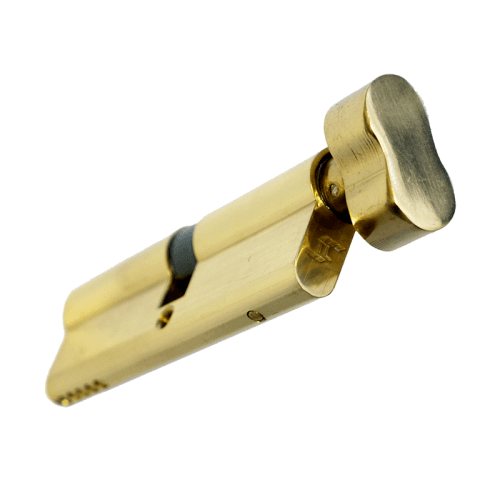
- TL Thumb Turn Euro Cylinder
- Ultion Plus TS007 3* Kitemarked Euro Key & Turn Cylinder
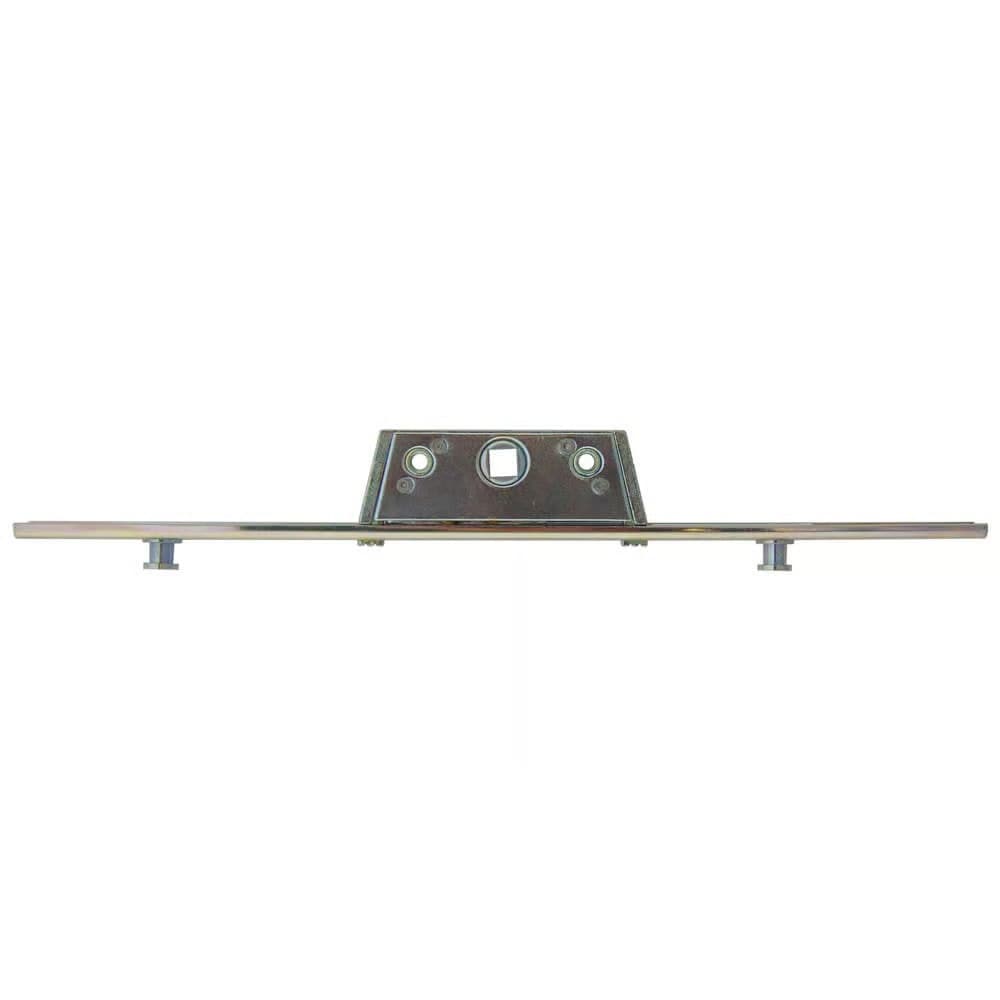
- Multipoint Gearbox GU Old Style
- In-Line Window Mechanism
- Offset Window Mechanism
Conclusion and next steps
Upgrading to a multipoint door lock typically delivers better security, improved weather performance and longer-term alignment for external doors. It is usually worth it if you currently have a single-point lock, experience draughts or have an older, worn multipoint. For DIY replacements ensure precise measurement and careful alignment; for composite doors or complex frames consider a professional fitter. Next steps: measure your backset, PZ and faceplate; select a TS007-rated cylinder; decide whether you will fit yourself or book a trade fitter; and contact a reputable supplier with your details to obtain compatible parts and a quote.

Related articles
uPVC Door Lock Maintenance: Keep Your Lock Working Smoothly
uPVC Door Lock Maintenance: Keep Your Lock Working Smoothly A well maintained upvc door lock reduces call-outs, keeps a property secure and extends the lif...
Hook Lock Sizes and Compatibility: Matching Your Existing Lock
Hook Lock Sizes and Compatibility: Matching Your Existing Lock Replacing a hook lock can be straightforward if you know what to measure and what to check f...
Replacing Individual Hook Locks vs Full Multipoint Mechanism
Replacing Individual Hook Locks vs Full Multipoint Mechanism Deciding whether to replace a single hook lock or the entire multipoint mechanism is a common ...