
Upgrading Your uPVC Door Lock: When and Why
Upgrading Your uPVC Door Lock: When and Why Why upgrade your uPVC door lock? A uPVC door lock affects security, weather performance and everyday convenienc...
Upgrading Your uPVC Door Lock: When and Why
Why upgrade your uPVC door lock?
A uPVC door lock affects security, weather performance and everyday convenience. Upgrading is not only about stopping burglars; it can resolve sticking handles, drafts at the doorstep and insurance requirements. Typical reasons to upgrade include signs of wear and failure to lock smoothly, visible cylinder damage from attempted snapping, changed insurance conditions requiring a higher-rated cylinder, or when replacing handles and furniture that are incompatible with the existing lock.
Common types and security features
Most modern uPVC doors use a multipoint lock operated by a euro profile cylinder; the lock body runs vertically and engages hooks, rollers or bolts into keeps in the frame. Key items to know:
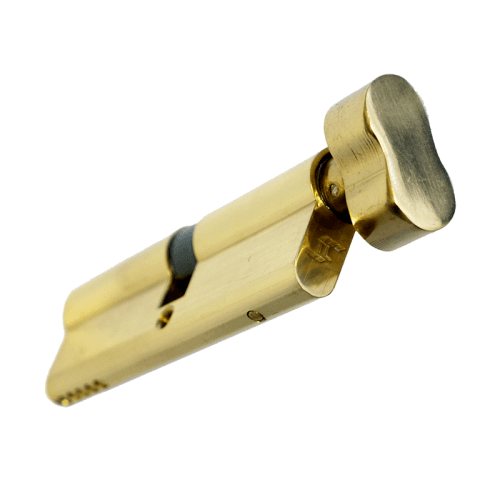
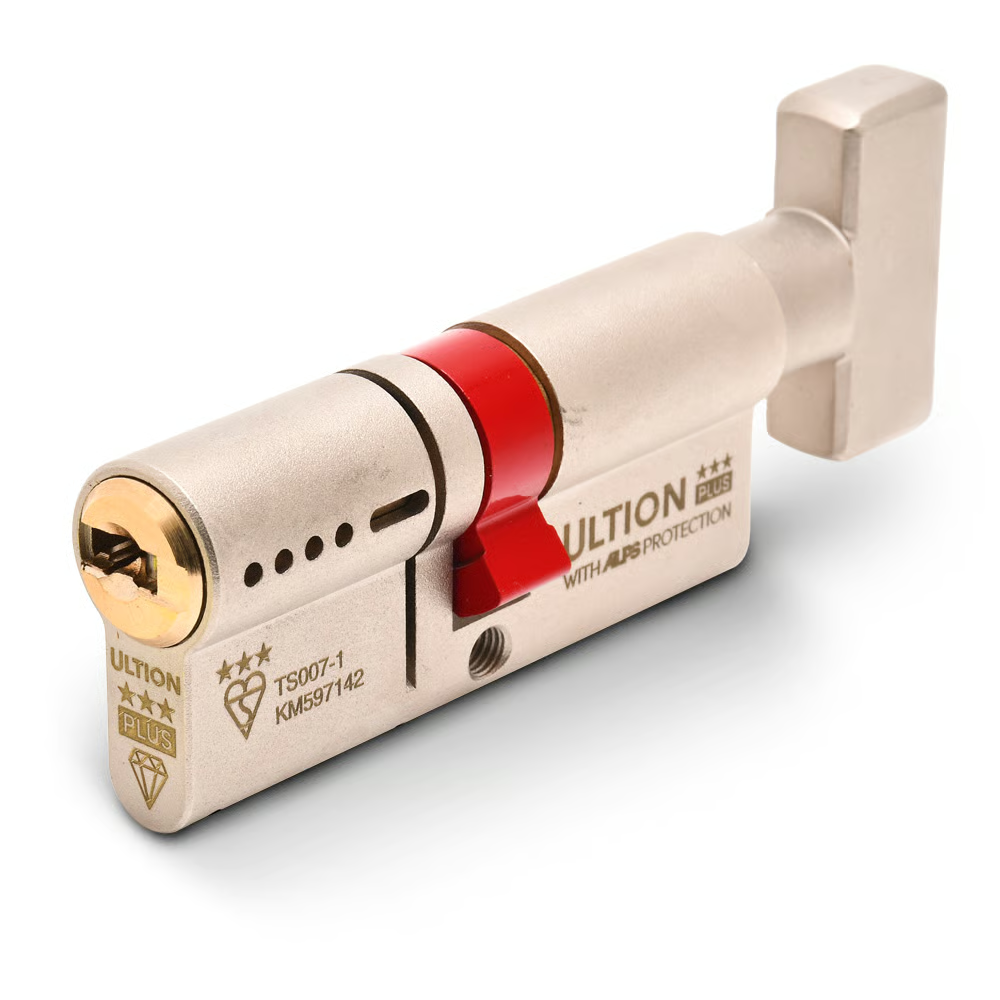
- Euro profile cylinder: the replaceable component containing the key mechanism; can be upgraded to anti-snap, anti-drill and anti-pick designs. Look for TS007 3-star or equivalent ratings where insurers require them.
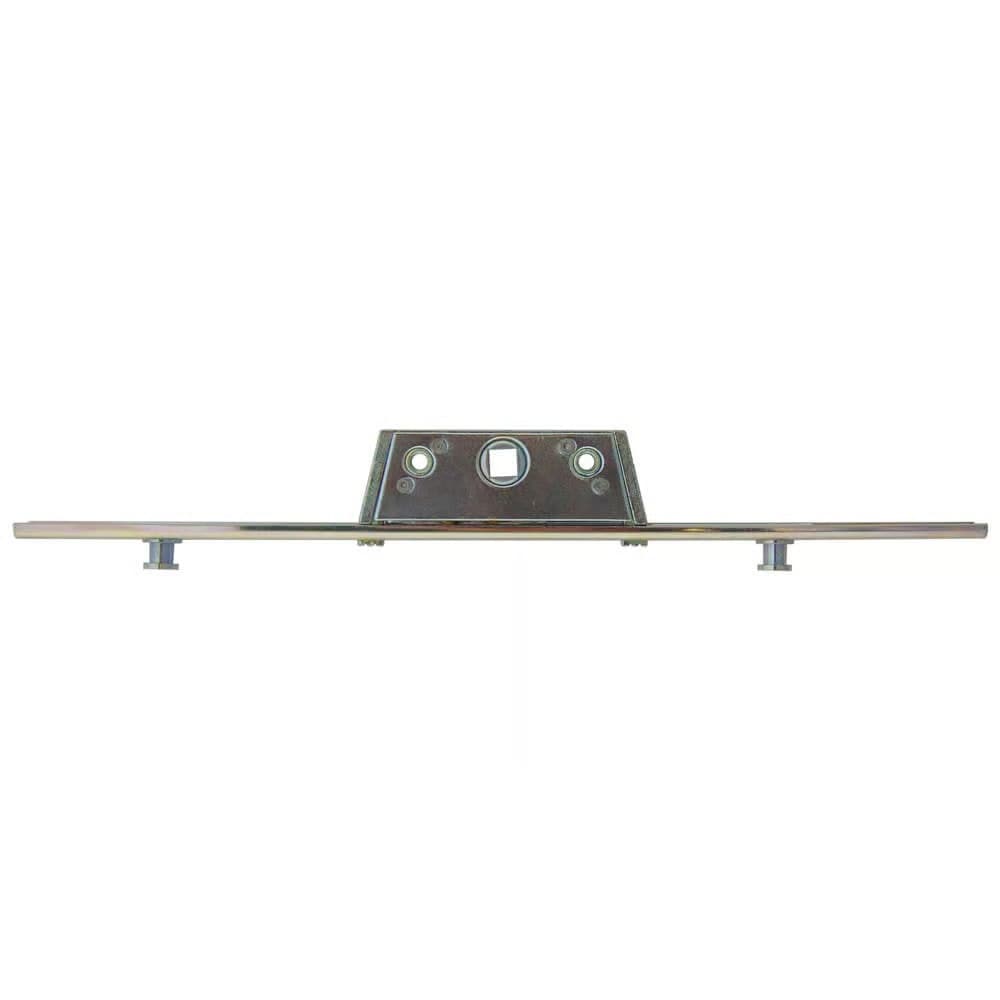
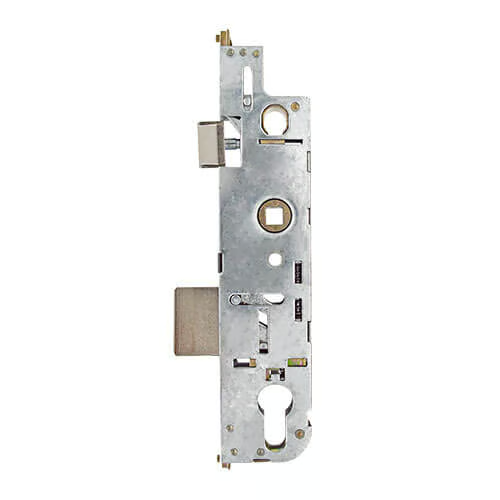
- Multipoint case: the main lock mechanism; available in different centre measurements, backsets and faceplate sizes. It controls the shootbolts and latches.
- Slam locks and deadbolts: some composite or timber doors use these instead; they are less common on uPVC doors but still found in certain setups.
- Security standards: PAS 24 and TS007 3-star are often referenced by insurers. BS EN 1303 covers cylinder performance; check requirements before upgrading.
Practical checks before you replace anything
Diagnose the issue first so you avoid unnecessary expense. Common quick checks traders and DIYers should do include:
- Operate the lock and observe: does the handle feel loose; does the key twist smoothly; are there rough spots or catching during operation?
- Check the cylinder: look for tell-tale snap marks, metal deformation or scoring around the grub screw area.
- Door alignment: misaligned doors often cause lock problems; check for consistent gaps top-to-bottom and adjust hinges before deciding to replace the lock.
- Measure before you buy: note the cylinder length, and measure handle-to-cylinder centres (PZ or “centres”), backset and the overall case height and screw positions; this prevents ordering the wrong unit.
- Inspect keeps and strike plates: worn keeps can stop hooks engaging correctly; replacing keeps is often cheaper than replacing the whole lock.
DIY guide: replacing a euro cylinder
Replacing only the euro cylinder is the simplest upgrade and is often permitted for competent DIYers. Typical steps:
- Gather tools: screwdriver, tape measure and replacement cylinder with the correct length and rated security features.
- Open the door and partially turn the key so the cam aligns with the body; remove the retaining screw from the door edge that holds the cylinder in place.
- With the key slightly turned, pull the cylinder out. If it does not move, check the key position as the cam must be aligned.
- Measure the old cylinder from end to end to get the correct length, and confirm the PZ centre measurement for handle compatibility.
- Fit the new cylinder by reversing the removal steps; test lock operation several times before closing the door.
Notes and cautions: do not overtighten the retaining screw; use a TS007 3-star cylinder if insurance or local guidance asks for it; if the cylinder will not withdraw, do not force it as you may damage the door furniture.
Trade guidance: replacing a multipoint lock
Replacing the multipoint case is more involved and usually better handled by an experienced installer. Key trade tips:
- Correct sizing is crucial: tradespeople should take measurements for centres, backset and overall faceplate positions. Most manufacturers list compatible case types by these dimensions.
- Note the keep and striker positions: different locks use hooks, rollers or mushroom bolts; the keeps must match for reliable engagement.
- Reversible units: many multipoint locks are reversible for left- or right-hand doors; check handing and reverse the case if needed during installation.
- Door removal: some jobs are easiest with the door removed from the frame; this is common practice for accurate refitting and ensures correct alignment with the new keeps.
- Commissioning: after installation, check that all shootbolts and hooks operate smoothly at different handle heights; adjust keeps or rebate plates where needed for crisp engagement.
Trade-level advice: always check the sash height and rebate size; if the door is warped or the frame damaged, replacing the lock alone may be a false economy.
Maintenance and small upgrades
Good maintenance extends the life of any uPVC door lock and may avoid an early upgrade. Recommendations:
- Lubricate moving parts annually with a dry graphite or silicone spray; do not use oil-based lubricants that attract grit.
- Tighten loose handles and furniture; replace stripped grub screws rather than forcing components.
- Swap a standard cylinder for a high-security anti-snap cylinder to improve security quickly and cost-effectively.
- Replace worn keeps and striker plates rather than the entire lock if engagement is poor; this is a common, low-cost repair for trades and DIYers.
When to call a locksmith or specialist
Contact a qualified locksmith or door hardware specialist if you discover any of the following: the cylinder has snap damage from an attempted break-in; the multipoint case is seized or corroded; the door structure is compromised; or you need doors compliant with PAS 24 or enhanced insurance requirements. Specialists can advise on the correct product specification and ensure the upgrade is certified where necessary.
Conclusion: Upgrading an upvc door lock improves security, restores functionality and can satisfy insurance requirements; simple cylinder swaps are straightforward for competent DIYers, while full multipoint replacements are best handled by a trade installer. Next steps: inspect and measure your existing lock, decide if a cylinder upgrade will suffice, and review our detailed resources on compatible products and installation techniques at /guides/door-locks. If in doubt, contact a locksmith for an on-site assessment.
Recommended Products
Based on this article, you may find these products helpful:

Related articles
uPVC Door Lock Maintenance: Keep Your Lock Working Smoothly
uPVC Door Lock Maintenance: Keep Your Lock Working Smoothly A well maintained upvc door lock reduces call-outs, keeps a property secure and extends the lif...
Hook Lock Sizes and Compatibility: Matching Your Existing Lock
Hook Lock Sizes and Compatibility: Matching Your Existing Lock Replacing a hook lock can be straightforward if you know what to measure and what to check f...
Replacing Individual Hook Locks vs Full Multipoint Mechanism
Replacing Individual Hook Locks vs Full Multipoint Mechanism Deciding whether to replace a single hook lock or the entire multipoint mechanism is a common ...