
uPVC Door Lock Buying Guide: What to Look for in 2026
uPVC Door Lock Buying Guide: What to Look for in 2026 Upgrading or replacing an upvc door lock in 2026 requires a balance of security standards, correct me...
uPVC Door Lock Buying Guide: What to Look for in 2026
Upgrading or replacing an upvc door lock in 2026 requires a balance of security standards, correct measurements, and practical installation knowledge. Whether you are a homeowner fitting a new euro cylinder yourself or a tradesperson specifying locks for multiple properties, the right choices will reduce callbacks and improve security for the life of the door.
How modern upvc door locks are constructed
Most upvc doors use a multipoint locking system operated by the handle and a euro cylinder. The multipoint lock engages a combination of hooks, rollers, deadbolts or mushroom cams along the edge of the door; the euro cylinder provides the keyed locking action. A few doors use a sashlock or deadlock gearbox; these are less common on modern upvc doors but still encountered on older installations.
Security standards and certification to check
- PAS 24 and Document Q: for new-builds and many refurbishments, windows and doors are expected to meet enhanced security test standards; PAS 24 performance is important when replacing whole doors or certifying compliance.
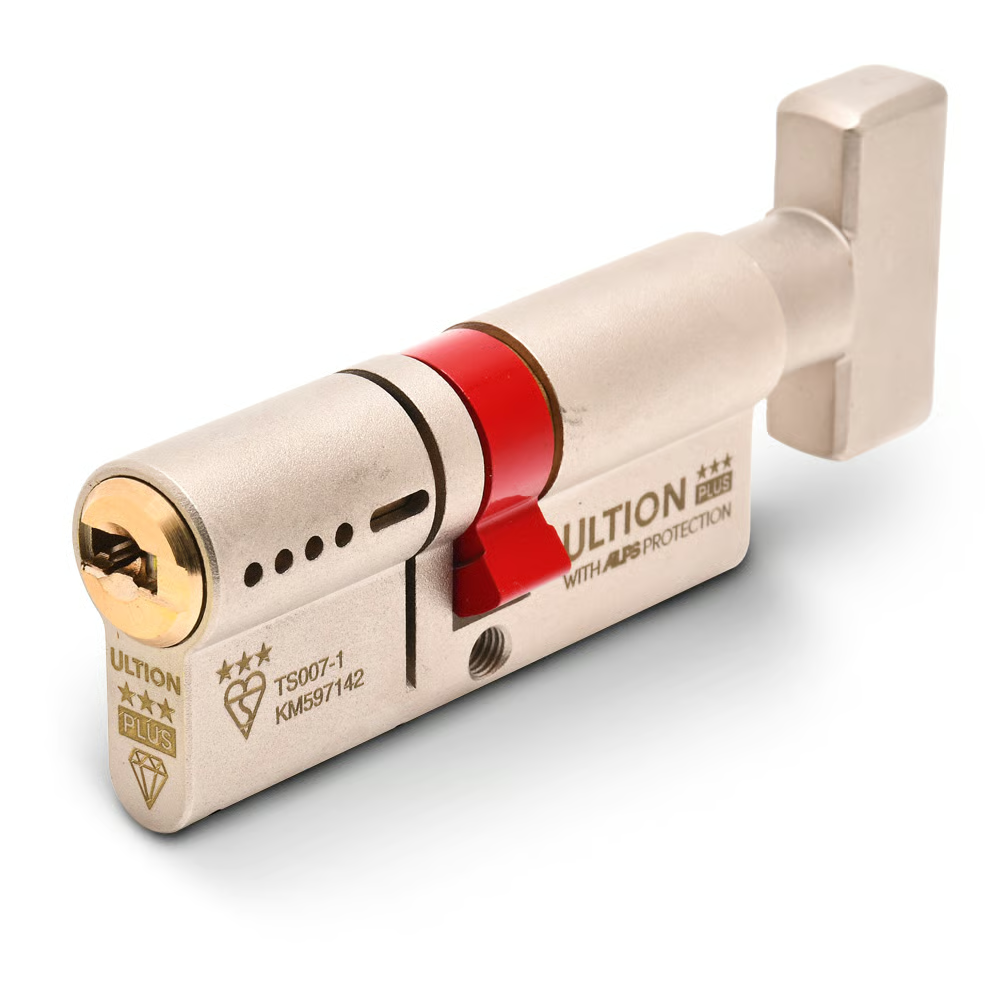
- TS007 3-star cylinder: look for a 3-star rating for euro cylinders; this gives high resistance to snapping, which remains the most common forced-entry method on euro-cylinder doors.
- EN 1303 and EN 12209: cylinder and lock hardware standards that indicate manufacturing quality and endurance.
- Secured by Design and Sold Secure: where possible, specify products with police or Sold Secure recognition for additional insurer confidence.
Key technical features to prioritise
- Anti-snap, anti-drill and anti-pick protection: modern cylinders should have sacrificial shoulders to counter snapping, hardened pins or plates to resist drilling and internal profiles to impede picking.
- Cylinder profile and key control: restricted-profile cylinders reduce unauthorised key duplication; ideal for communal entrances or multi-occupancy buildings.
- Backset and centre measurement: confirm the lock case backset and the cylinder centre distance to the fixing screw; common backsets are 35mm and 45mm, while cylinder centre distances are typically 30/35mm or 40/50mm combinations for asymmetric cylinders.
- Number and type of locking points: more locking points generally increase security and weather performance; 3-point, 5-point and 7-point multipoint locks are common. Hooks and mushroom cams resist levering better than plain rollers.
- Corrosion resistance: check EN 1670 ratings or manufacturer corrosion tests; stainless steel components or high-grade zinc plating are important for coastal locations.
- Fire and escape: if the door is a means of escape, a thumbturn inside or compliant emergency egress mechanism is essential; be mindful when fitting smart cylinders that could impede quick exit.
Choosing the right cylinder and how to measure
Measure cylinder length with the door closed and the existing cylinder in place: measure from the centre of the fixing screw to each end of the cylinder. For example, a 35/35 cylinder is 70mm overall; a 30/40 is 70mm but asymmetric. Buy a cylinder that matches the measured sizes and the door furniture; a cylinder too long will protrude and be vulnerable to attack.
Decide on cylinder type: standard euro cylinder, thumbturn cylinder, or half-cylinder for letterplate applications. For communal doors with key access both sides, choose key/key; for dwellings where quick exit is needed, choose key/thumbturn on the inside.
Multipoint locks: selection and trade considerations
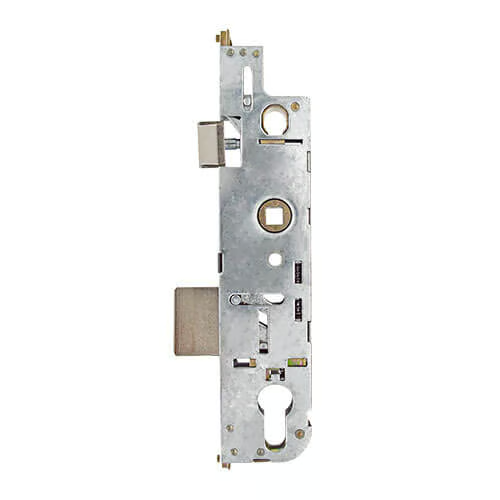
When specifying or replacing a multipoint lock, check the gearbox height, backset, faceplate finish and handle follower size. Ensure replacement gearboxes match the original engagement positions for hooks and rollers; mismatching can cause poor compression and draught problems. Also note the follower: most upvc handles use an 8mm square spindle, but confirm the length and shape before ordering parts.
- Stock common gearboxes and cylinders in the workshop to avoid delays: 35mm and 45mm backsets, 35/35 and 30/40 cylinders, and standard 92mm and 122mm handle centres.
- Use manufacturer-specific replacements where possible; universal gearboxes can work but may require additional work to align.
DIY replacement: practical step-by-step tips
- Prepare: have the correct replacement cylinder and a long screwdriver. Lock the door and open slightly to access the fixing screw at the edge of the door under the handle.
- Remove handle and unscrew the cylinder fixing screw: turn the key 10 to 15 degrees towards the open position to align the cam and then gently pull the cylinder out.
- If the cylinder is seized, use penetrating spray on the fixing screw and a gentle rocking motion with the key while pulling; do not use excessive force that could break the cam.
- For full lock gearbox replacement: remove trim and handles, unscrew faceplate fixing screws, and withdraw the gearbox; take note of hook positions and keepers. If unsure, take photos before removal so alignment is easier on refit.
- Lubrication: use a dry PTFE spray for internal mechanisms and graphite for cylinders; avoid oil-based lubricants that attract dirt.
Complex gearboxes and composite door interfaces can be tricky; if the lock interacts with an entrance threshold or letterplate, consider a trade fit to avoid alignment, draught or warranty issues.
Smart locks and future-proofing
Smart lock options for upvc doors include retrofit euro-profile smart cylinders and full multipoint electronic locks. When specifying, check battery life, mechanical override, certification to the same physical security standards and weatherproofing. Ensure smart solutions do not compromise fire escape or insurer requirements; many insurers still require tested, physical security features such as a TS007-rated cylinder.
Choosing a supplier and warranty
Buy from reputable trade suppliers that offer clear part numbers, technical datasheets and warranty support. For installers, order keyed-alike sets and document serial numbers; for homeowners, ask about key control and after-sales support. A minimum one-year parts warranty is common; five years or more is preferable for premium gearboxes.
Recommended Products
Based on this article, you may find these products helpful:
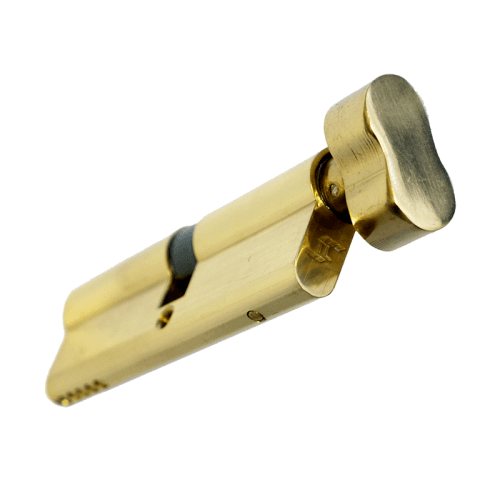
- TL Thumb Turn Euro Cylinder
- Ultion Plus TS007 3* Kitemarked Euro Key & Turn Cylinder
- Multipoint Gearbox GU Old Style
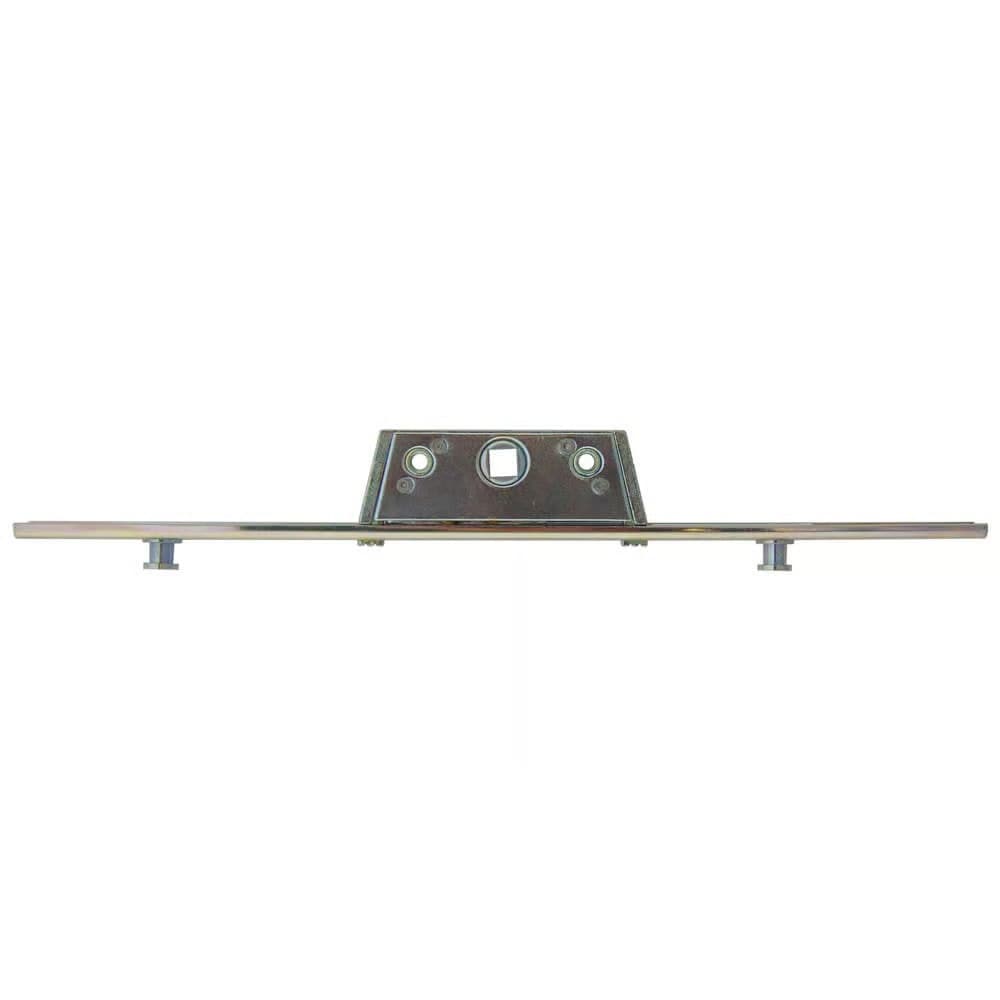
- In-Line Window Mechanism
- Offset Window Mechanism
Conclusion and next steps
Prioritise a TS007 3-star cylinder, matching gearbox and correct measurements; check PAS 24 or Secured by Design where relevant; and consider smart options only if they meet physical security and escape requirements. For DIYers: measure carefully, keep photos, and use dry lubricants. For trade professionals: stock common sizes, use manufacturer parts and advise customers on insurer requirements. For further technical reference and product selection, visit our pillar resource at /guides/door-locks or contact our technical team for help matching parts to a specific door.

Related articles
uPVC Door Lock Maintenance: Keep Your Lock Working Smoothly
uPVC Door Lock Maintenance: Keep Your Lock Working Smoothly A well maintained upvc door lock reduces call-outs, keeps a property secure and extends the lif...
Hook Lock Sizes and Compatibility: Matching Your Existing Lock
Hook Lock Sizes and Compatibility: Matching Your Existing Lock Replacing a hook lock can be straightforward if you know what to measure and what to check f...
Replacing Individual Hook Locks vs Full Multipoint Mechanism
Replacing Individual Hook Locks vs Full Multipoint Mechanism Deciding whether to replace a single hook lock or the entire multipoint mechanism is a common ...