
uPVC Door Lock Not Locking Properly? Troubleshooting Tips
uPVC Door Lock Not Locking Properly? Troubleshooting Tips A uPVC door lock that will not lock correctly is a common call-out for locksmiths and installers ...
uPVC Door Lock Not Locking Properly? Troubleshooting Tips
A uPVC door lock that will not lock correctly is a common call-out for locksmiths and installers across the UK. Problems range from a stiff key to a multipoint mechanism that fails to engage. This post covers practical checks, trade-level tips and DIY fixes that homeowners and installers can use to diagnose and resolve the most frequent faults safely and efficiently.
Common causes of a uPVC door lock fault
- Misaligned keeps or striker plates: the latch or deadbolt does not meet the keep because the door has dropped or moved.
- Worn or damaged euro cylinder: the cam, pins or anti-snap sections may be failing; the key will not operate the bolt correctly.
- Faulty or seized gearbox/multipoint mechanism: internal gears, rollers or linkages are worn, broken or clogged with debris.
- Handle or spindle wear: the follower inside the gearbox has worn and the handle turns without moving the lock.
- Insufficient lubrication or dirt: dried grease and grime restrict movement of the latch, deadbolt or multipoint cams.
- Hinge issues and door sag: poor hinge adjustment allows the door to bind against the frame so the lock cannot reach the keep.
Quick checks you can carry out straight away
- Try the key gently: does it turn smoothly or stick? Note whether the problem is only with the key or with the handle too.
- Lift the handle: if the multipoint points do not fully retract or extend, the gearbox or linkages may be at fault.
- Inspect the keeping area: mark where the bolt and latch hit the keep; if marks are high or low the door is misaligned.
- Check for loose screws: tighten hinge and keep screws; loose fixings can cause movement that prevents locking.
- Look for visible damage: cracked cylinder, bent faceplate or missing parts indicate the need for replacement.
Step-by-step troubleshooting and DIY fixes
Use basic tools: screwdriver set, Allen keys, pliers, a light silicone spray (do not use general penetrating oils as a long-term lubricant), graphite powder for the cylinder and a torx set if required. Work carefully and secure the door while testing.
- Lubricate moving parts: spray silicone into the multipoint gearbox gaps and the latch area; use a small amount of graphite in the euro cylinder. Operate the lock several times to distribute lubricant.
- Adjust keeps: if the latch misses the keep, loosen the keep screws, reposition the keep vertically or laterally until the latch runs smoothly into it, then retighten. Trade professionals often fit adjustable keeps for fine tuning.
- Correct handle/spindle play: remove the handle and check the spindle; replace rounded or flattened spindles with the correct 7mm or 8mm square spindle. Ensure grub screws are tightened to the correct torque; over-tightening can strip threads.
- Test the cylinder: with the door open, remove the euro cylinder fixing screw and withdraw the cylinder while turning the key slightly; if the cam spins freely or the cylinder does not engage, replace it. Measure the cylinder length before ordering a replacement: common sizes are 35/35mm, 40/40mm or asymmetric 35/45mm etc.
- Check gearbox operation: if the handle lifts but the multipoint does not operate, the gearbox or the linkage rods could be worn. For trade professionals: remove the lock case, inspect the actuator and any broken dogs or cams, and replace the gearbox unit if necessary.
Door alignment and hinge adjustment
Many locking problems are caused by the door dropping over time. Simple hinge adjustments often solve the issue.
- Vertical adjustment: most top hinges have an adjustment screw that raises the sash. Lift the door slightly and turn the hinge screw in small increments until the latch meets the keep correctly.
- Lateral and compression adjustments: use the centre and bottom hinge screws to move the door horizontally or to alter compression against the frame so the door seals correctly without binding the lock.
- Replace worn hinge screws with longer or coach screws when fitting to soft frames; trade installers often back up hinge fixings with packers or reinforcing plates on older frames.
When the cylinder is the problem
Euro cylinder faults are common and often straightforward to rectify, but correct sizing and security type matter.
- Signs the cylinder needs replacing: difficulty turning the key, rattling cylinder, visible snapping or evidence of forced entry.
- Choose the right type: replace like for like with anti-snap, anti-bump and anti-drill features for compliance with insurance requirements and improved security.
- Fitment tips: measure centre distance accurately and ensure the cylinder sits flush; do not force a cylinder and always secure the fixing screw to the specified torque.
When to call a locksmith or trade professional
Some faults are best handled by a qualified professional to avoid damage or loss of security.
- Broken or snapped cylinder; call a locksmith for emergency entry and replacement.
- Extensive gearbox failure or stripped internal gears; replacement often requires trade tools and parts.
- Significant door sag or frame distortion that requires hinge reinforcement, rebating or re-bedding.
- Where the door is a main entrance with insurance or PAS 24 requirements; a trade installer can supply compliant cylinders and carry out certified fitting.
Maintenance to prevent recurring problems
- Service moving parts every six months: clean and use silicone spray on multipoint mechanisms; graphite powder in cylinders once a year.
- Check and tighten fixings: keep screws, hinge screws and handle grub screws can work loose with use.
- Replace worn components early: a slightly noisy gearbox will fail faster if ignored; swapping a part early can save a full replacement later.
- Keep the door free from debris and check the threshold; water ingress or rubbish can affect seal compression and alignment.
Recommended Products
Based on this article, you may find these products helpful:
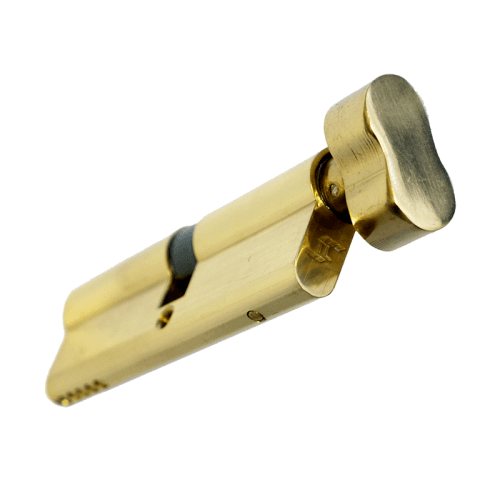
- TL Thumb Turn Euro Cylinder
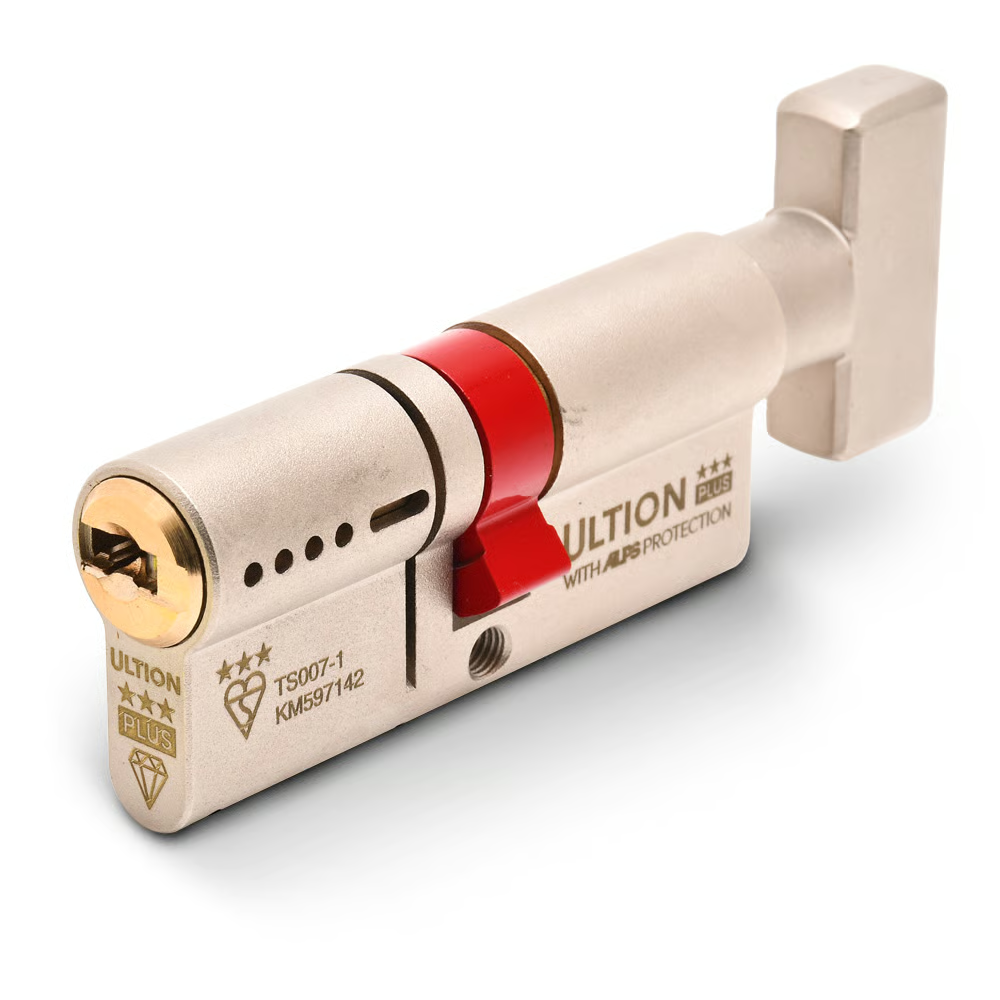
- Ultion Plus TS007 3* Kitemarked Euro Key & Turn Cylinder
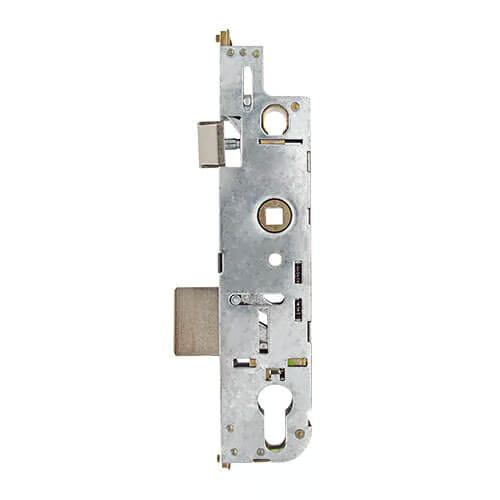
- Multipoint Gearbox GU Old Style
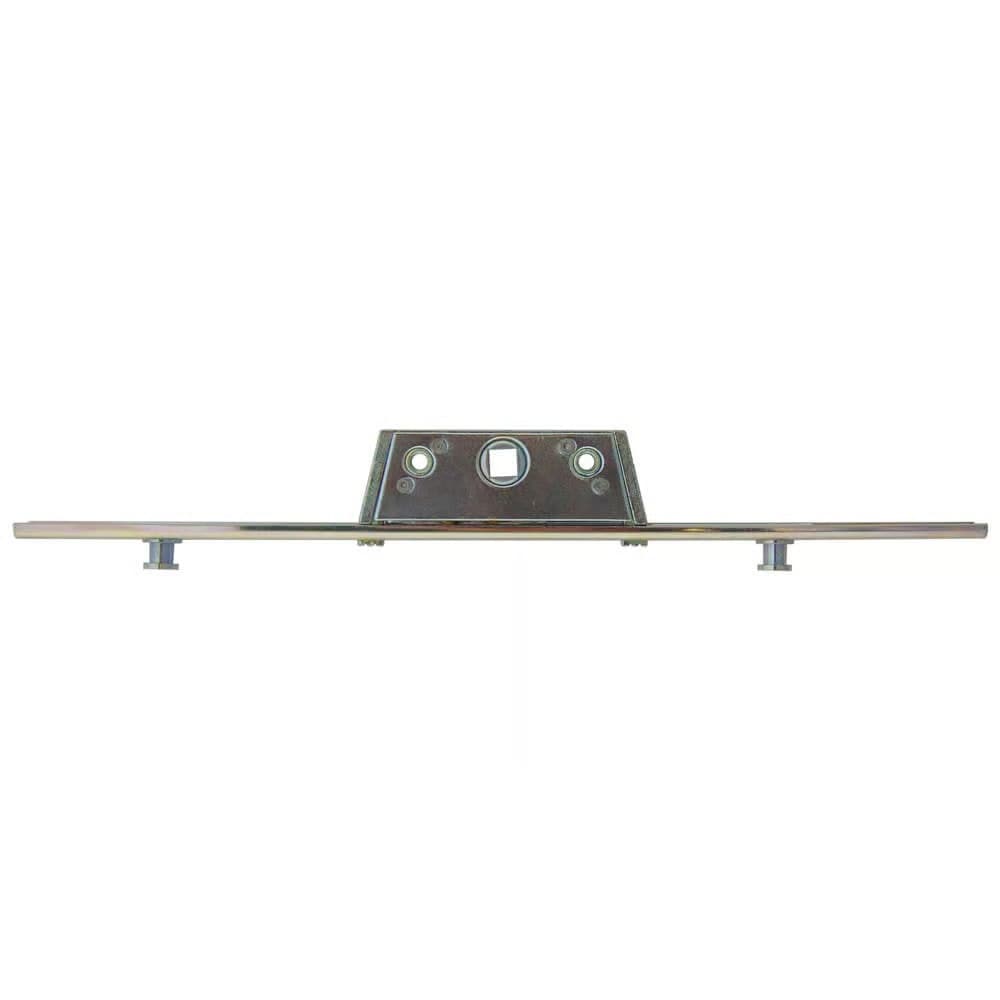
- In-Line Window Mechanism
- Offset Window Mechanism
Conclusion and next steps
A methodical approach will solve most uPVC door lock problems: inspect, lubricate, adjust and replace worn parts where necessary. Homeowners can tackle alignment, lubrication and minor replacements safely; trade professionals should handle gearbox, cylinder-snapping and major alignment faults. For parts, sizing advice or approved security cylinders visit our door locks hub: /guides/door-locks. If the lock remains unreliable after basic troubleshooting, contact a reputable locksmith or your installer for a site assessment and a compliant repair.

Related articles
uPVC Door Lock Maintenance: Keep Your Lock Working Smoothly
uPVC Door Lock Maintenance: Keep Your Lock Working Smoothly A well maintained upvc door lock reduces call-outs, keeps a property secure and extends the lif...
Hook Lock Sizes and Compatibility: Matching Your Existing Lock
Hook Lock Sizes and Compatibility: Matching Your Existing Lock Replacing a hook lock can be straightforward if you know what to measure and what to check f...
Replacing Individual Hook Locks vs Full Multipoint Mechanism
Replacing Individual Hook Locks vs Full Multipoint Mechanism Deciding whether to replace a single hook lock or the entire multipoint mechanism is a common ...