
uPVC Door Lock Replacement Cost: DIY vs Professional
uPVC Door Lock Replacement Cost: DIY vs Professional Replacing an upvc door lock is a common maintenance task for homeowners and a routine job for trade pr...
uPVC Door Lock Replacement Cost: DIY vs Professional
Replacing an upvc door lock is a common maintenance task for homeowners and a routine job for trade professionals. Costs vary widely depending on whether you are replacing only the euro cylinder or the entire multipoint mechanism. This article compares DIY and professional routes, gives practical trade tips, and explains the technical points you need to check before buying parts or booking a locksmith.
Common types of uPVC door lock hardware
Understanding the components will help you decide whether you can tackle the job yourself or should appoint a professional:
- Euro cylinder: the most commonly replaced part; available in different lengths and security ratings.
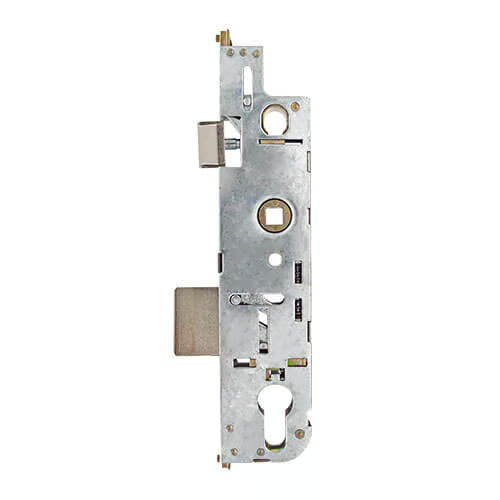
- Multipoint lock case: the central mechanism that operates shootbolts and keeps across the door edge.
- Handles and spindle: can be removed and replaced to access the lock case.
- Faceplate and keeps/strikers: metal plates on the door edge and frame that receive the bolts.
- Shootbolts and astragal gear: top and bottom locking elements on some multipoint systems.
Typical costs in the UK
Prices below are approximate and will vary by brand, grade and location.
- Euro cylinder (basic): £15 to £35 for a standard cylinder; anti-snap TS007 3-star cylinders cost £40 to £90.
- Cylinder fitted by a locksmith: £40 to £90 depending on call-out and travel.
- Multipoint lock centre case (parts only): £60 to £250 depending on brand and length.
- Professional replacement of multipoint mechanism: £120 to £350 including parts and labour; complex jobs may be higher.
- Emergency call-outs outside working hours: expect a premium, often from £80 to £200.
DIY: when it is suitable and how to do it
Replacing a euro cylinder is generally suitable for competent DIYers. It is quick, economical and restores security in most cases. Full multipoint replacement is more involved; DIY is possible if you have good locksmithing experience and the correct tools.
Tools and materials you will typically need for cylinder replacement:
- Screwdrivers (crosshead and flat)
- Torx drivers (T20/T25 common on handles and trims)
- Measuring tape or vernier to measure cylinder lengths
- Replacement cylinder with the correct length and security rating
- Graphite or specialist lock lubricant
Basic steps to replace a euro cylinder:
- Open the door and remove the handle screws and any escutcheon or trim to access the cylinder.
- Insert the key and turn it slightly so the cam lines up; remove the retaining screw from the door edge.
- With the key turned, pull the cylinder out gently; measure the old cylinder to select the correct replacement (e.g., 35/35 or 30/40).
- Fit the new cylinder, secure with the retaining screw and test the lock with the door closed, then lubricate with graphite.
Practical advice: always measure the protruding lengths from the faceplate to the ends of the cylinder; if the cylinder sticks out excessively you are vulnerable to attack. Consider upgrading to a TS007 3-star anti-snap cylinder if the existing cylinder is not protected.
Professional: when to call a locksmith or door specialist
Call a professional when the multipoint case needs replacing; when the door alignment or frame is damaged; or when you require a high-security upgrade that affects insurance. Professionals are also recommended for emergency lockouts or failed mechanisms where damage may occur if handled incorrectly.
Reasons professionals are worth the cost:
- Correct measurement and sourcing of OEM or compatible multipoint mechanisms.
- Proper alignment and adjustment of keeps and strike plates to ensure smooth locking and long life.
- Warranty on parts and labour and a clean, secure installation that meets insurance requirements.
- Safer handling of snapped cylinders and repair of any frame or door damage.
Trade tips for professionals
For trade customers replacing multipoint mechanisms, check the following before ordering parts:
- Centre measurement (PZ): the distance between the spindle and the cylinder centre; common PZ centres are 92mm but confirm before ordering.
- Backset and case depth: ensure the replacement case matches the door’s dimensions.
- Handing: most multipoint locks are reversible, but confirm top and bottom shootbolt shapes and keep positions.
- Faceplate profile and screw positions: verify match with existing door groove and keeps.
- Keep sets: order keep packs to suit the frame material and rebated furniture if required.
Risks and common mistakes
DIY mistakes can leave you with a door that does not lock properly or reduced security. Common issues include:
- Incorrect cylinder length causing the cylinder to protrude.
- Fitting the wrong PZ or backset so the handle and cylinder do not align.
- Not adjusting keeps and strike plates after installing a new multipoint case; this causes binding and premature wear.
- Using lubricant like WD-40; it attracts dirt. Use graphite or a specialist lock spray.
Making the choice: cost vs competence
If the issue is limited to the euro cylinder and you are comfortable with basic tools and measurements, a DIY replacement is cost effective. For full multipoint mechanism replacement or where security compliance and warranty matter, a professional is a safer option. For trade professionals, buying genuine or equivalent parts and ensuring accurate measurements will reduce callbacks.
Recommended Products
Based on this article, you may find these products helpful:
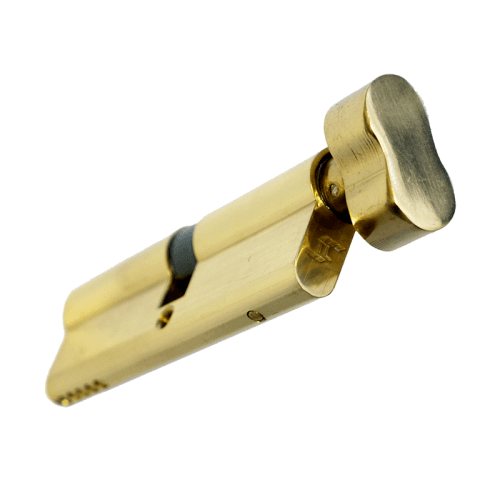
- TL Thumb Turn Euro Cylinder
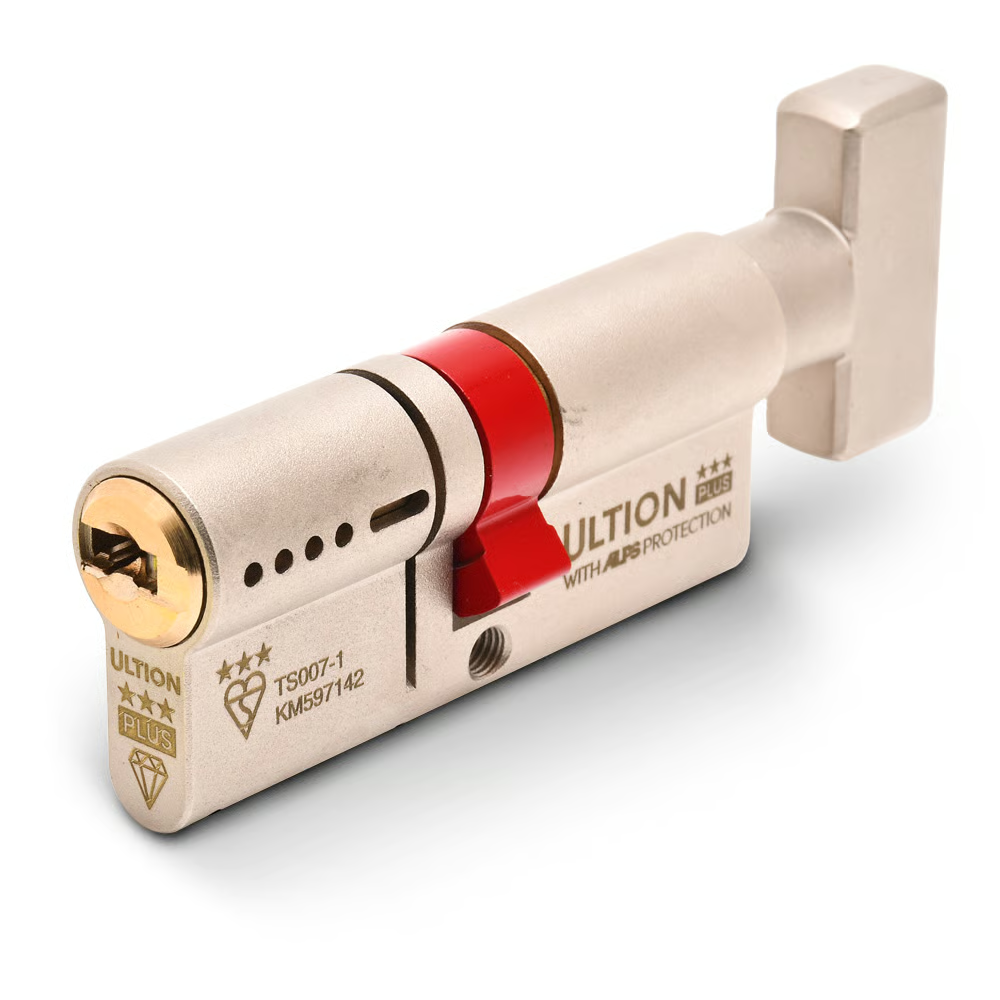
- Ultion Plus TS007 3* Kitemarked Euro Key & Turn Cylinder
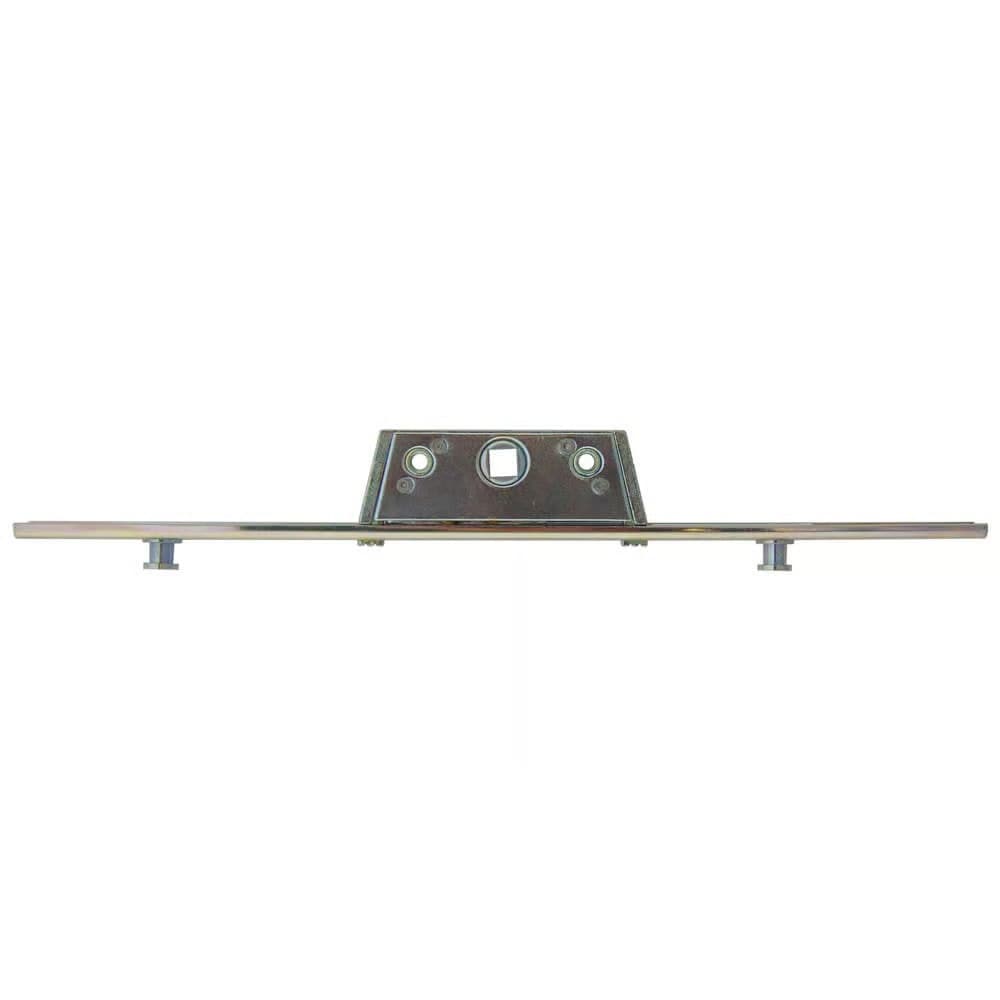
- Multipoint Gearbox GU Old Style
- In-Line Window Mechanism
- Offset Window Mechanism
Conclusion and next steps
Decide based on the scope: cylinder replacement is inexpensive and DIY-friendly when you measure and select the correct cylinder; multipoint or alignment issues are typically best handled by a professional. If you need parts or further technical specifications, visit our pillar page: /guides/door-locks for detailed product guides. Next steps: measure your existing cylinder and PZ, decide on a security rating (TS007 3-star recommended), and if in doubt contact a local locksmith for a quotation.

Related articles
uPVC Door Lock Maintenance: Keep Your Lock Working Smoothly
uPVC Door Lock Maintenance: Keep Your Lock Working Smoothly A well maintained upvc door lock reduces call-outs, keeps a property secure and extends the lif...
Hook Lock Sizes and Compatibility: Matching Your Existing Lock
Hook Lock Sizes and Compatibility: Matching Your Existing Lock Replacing a hook lock can be straightforward if you know what to measure and what to check f...
Replacing Individual Hook Locks vs Full Multipoint Mechanism
Replacing Individual Hook Locks vs Full Multipoint Mechanism Deciding whether to replace a single hook lock or the entire multipoint mechanism is a common ...