
uPVC Door Lock Security Features: What Makes a Lock Secure
uPVC doors are common on UK homes and trade projects; a strong upvc door lock is essential for occupant safety and for meeting insurance requirements. This...
uPVC doors are common on UK homes and trade projects; a strong upvc door lock is essential for occupant safety and for meeting insurance requirements. This post outlines the mechanical features that make a lock secure, the industry standards to look for, plus practical trade advice and DIY checks you can carry out on site.
How uPVC door locks work
Most external uPVC entrance doors use a multipoint locking system operated by a lever handle and a euro profile cylinder. When the handle is lifted the gearbox drives several locking points (hooks, bolts and rollers) into keeps in the frame; turning the key deadlocks the mechanism so the handle cannot be operated. The cylinder is the element the burglar attacks most often, but the whole system must work together: lock case, faceplate, keeps, bolts and fixings all contribute to security.
Key security features to look for
- Multipoint locking: Multiple engagement points (top, middle, bottom) distribute load and resist levering. Hook or mushroom cams are better at resisting lever attacks than simple rollers; shootbolts provide extra resistance at the head and cill.
- Anti-snap euro cylinders: A TS007 3-star rated cylinder is designed to resist snapping, drilling, picking and bumping. The anti-snap design includes a sacrificial section so if an intruder snaps the exposed portion the core still remains secure.
- Anti-drill and anti-pick features: Hardened pins, steel inserts and rotating discs protect cylinders from drilling; specially profiled keyways reduce picking risk.
- Deadlocking latch or deadbolt: A deadlocking latch prevents the latch being forced back with a knife or credit card; a separate deadbolt gives further security when the door is locked.
- Robust faceplate and fixings: A full-length stainless steel faceplate and long screws into the frame keep the lock case secure. Short screws in the frame or inadequate strike plates are common weaknesses.
- Reinforced keeps and strike plates: Keeps fitted with long wood screws or metal reinforcing plates reduce forced entry at the frame. Keep alignment is crucial for sustained performance.
- Hinge-side security: For outward-opening doors the hinges must be secured with non-removable pins or security studs to prevent removal; inward-opening doors need reinforced frames and strong hinges rated for the door weight.
- Certification and testing: Locks with PAS24, Secured by Design or Sold Secure accreditation have been independently tested for attack resistance; look for these marks when specifying locks.
Standards and ratings that matter
Understanding standards helps when specifying products or advising customers. Key references include TS007 3-star for euro cylinders; PAS24:2016 (or the latest revision) for enhanced door security at the system level; BS3621 for mortice deadlocks used with insurance locks; and Secured by Design approval for whole-door solutions. A lock that meets a recognised standard is easier to specify and is likely to meet many insurers' requirements.
Practical trade advice for installers
- Select the correct cylinder length: Measure from the faceplate to each end of the cylinder. A protruding cylinder (more than a few millimetres) increases snap risk; order the correct length so the cylinder sits flush or use an anti-snap cylinder if a short length is not available.
- Use the right fixings: Fit 60-80mm wood screws into the frame for strike plates and keeps where possible; use stainless steel screws on exposed areas to avoid corrosion. Countersink and seat faces so components sit flush.
- Match keeps to the lock case: Keeps are not interchangeable across all multipoint gearboxes; use the manufacturer’s keeps and adjust striker plates accurately to avoid undue stress on cams and rollers.
- Check faceplate position and spindle alignment: The follower and spindle must be central; misalignment causes premature wear and increases susceptibility to forcing. On new installs use packing and shimming to square the door before tightening fixings.
- Consider security upgrades: When retrofitting replace a standard cylinder with a TS007 3-star unit; fit hinge bolts or security studs on outward-opening doors; replace short screws with long frame screws where possible.
- Document and sign off: For trade work deliver a handover sheet showing cylinder type, certificate numbers where applicable, and that the door meets PAS24/Secured by Design requirements if claimed; this helps with client trust and insurance records.
DIY checks and maintenance for homeowners
Homeowners can spot early signs of weakness and keep hardware functioning:
- Check cylinder projection: If the cylinder sticks out beyond the escutcheon by more than a few millimetres consider replacing it with the correct length TS007 3-star cylinder.
- Operate and observe: Lift the handle and lock; all cams and bolts should engage smoothly. Grinding, sticking or misalignment indicate the keeps need adjustment or the gearbox may be failing.
- Tighten visible screws and lubricate: Use a Torx or suitable driver to tighten faceplate and handle screws; lubricate the cylinder with a graphite-based product or specialist lock spray; avoid oil-based lubricants that attract dirt.
- Inspect hinges and frame: Look for cracked or loose frames and missing hinge pins; add security studs to exposed hinges on outward-opening doors or fit anti-lift pins.
- Replace worn components: A sticky multipoint or a key that feels rough when turning often signals a worn cylinder or gearbox. Replacing the cylinder is a relatively straightforward DIY task but if the gearbox is faulty call a qualified installer.
Common mistakes to avoid
- Fitting a high-spec cylinder into a weak or poorly fixed frame: the weakest element dictates performance.
- Using short screws in keeps and strike plates; these permit levering attacks.
- Ignoring certificate and test data when specifying for insurance or compliance requirements.
- Applying household oils to cylinders; this causes gumming and premature failure.
Choosing the right upvc door lock is about more than the branded cylinder; it is the entire system of lock case, cylinder, faceplate, keeps, fixings and frame reinforcement. For trade professionals, specifying certified multipoint systems and installing them with the correct fixings is essential. For homeowners, regular checks, correct cylinder sizing and simple upgrades such as TS007 3-star cylinders provide substantial security gains.
Recommended Products
Based on this article, you may find these products helpful:
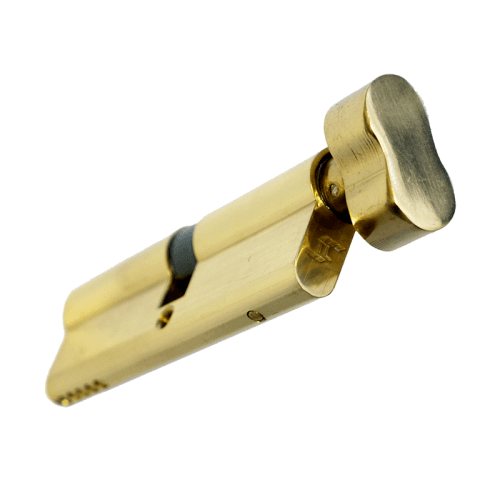
- TL Thumb Turn Euro Cylinder
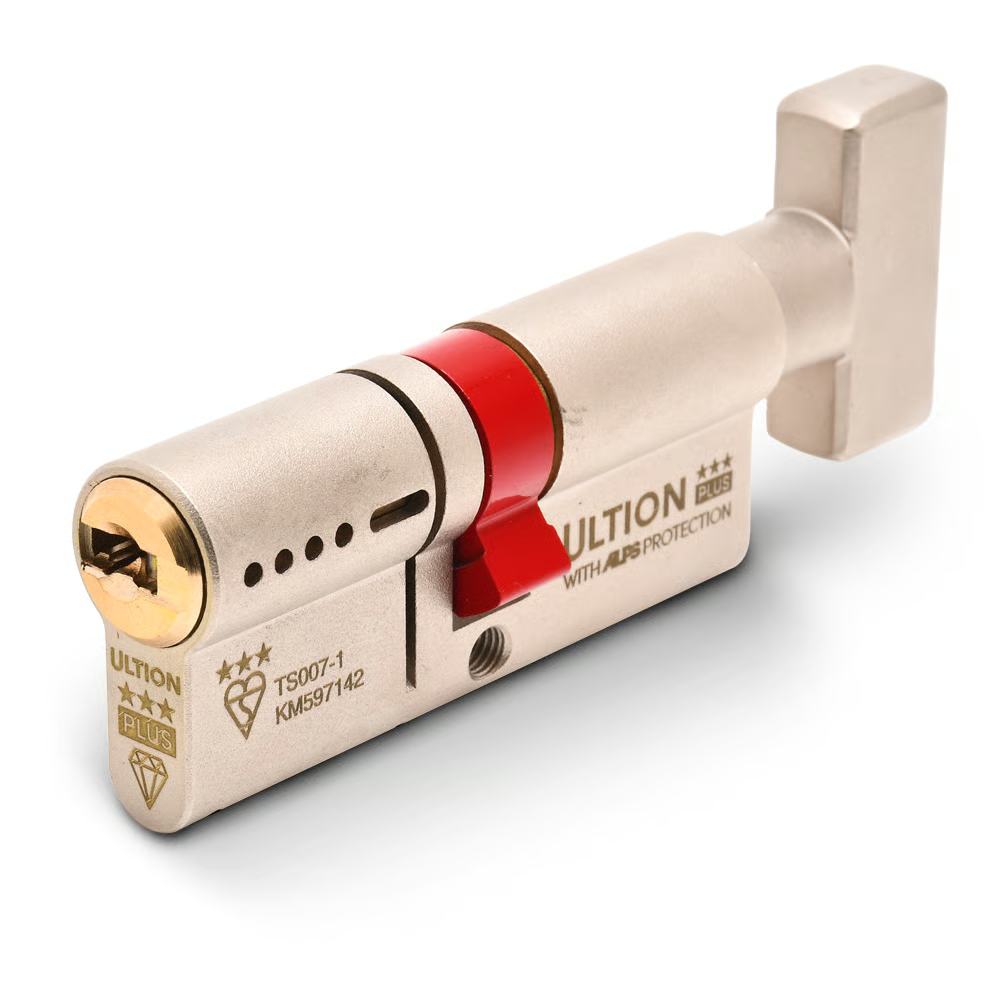
- Ultion Plus TS007 3* Kitemarked Euro Key & Turn Cylinder
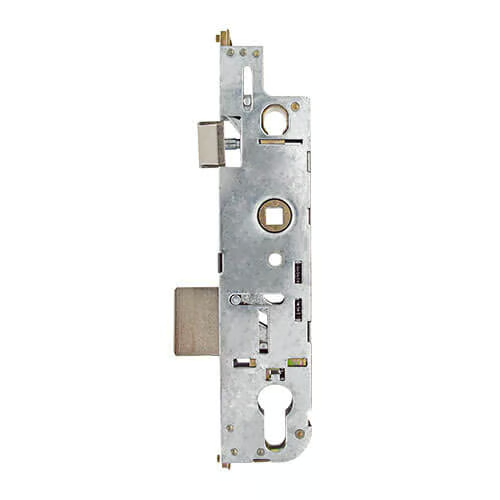
- Multipoint Gearbox GU Old Style
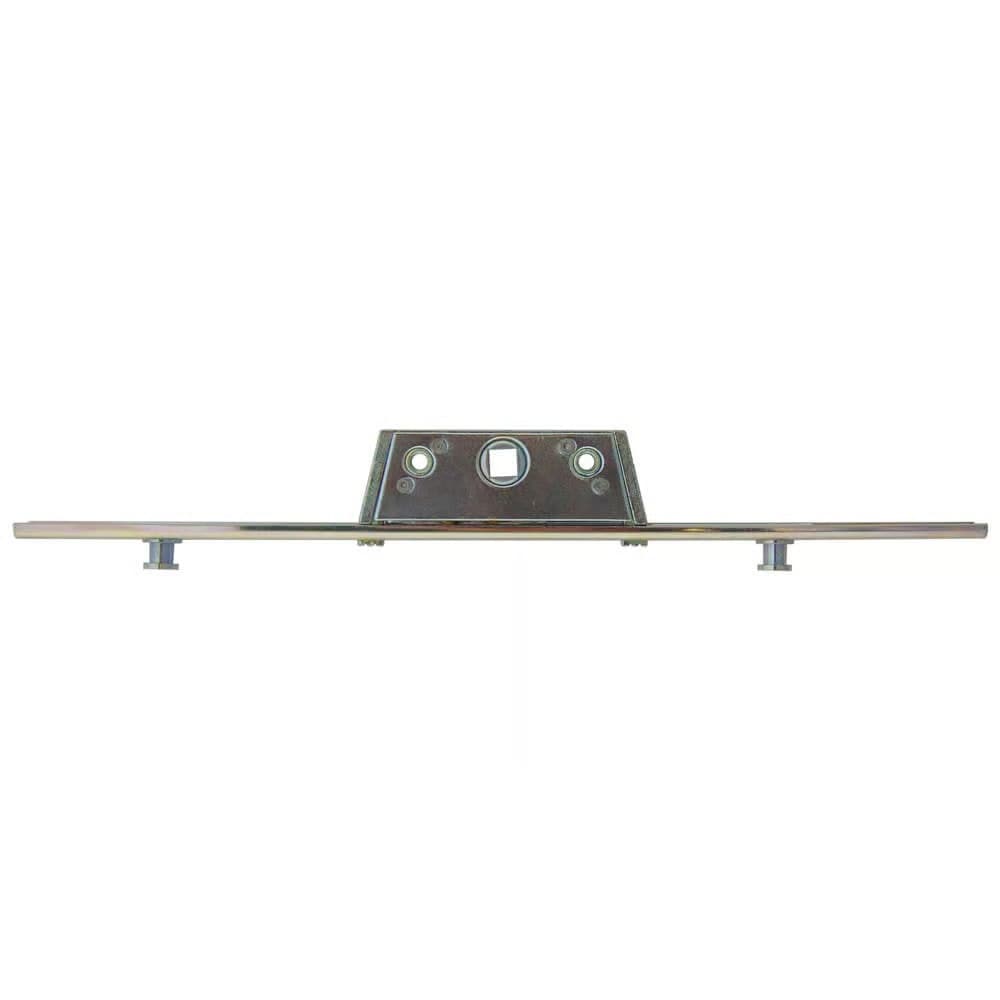
- In-Line Window Mechanism
- Offset Window Mechanism
Conclusion and next steps
Secure doors combine high-quality components, correct installation and regular maintenance. If you are replacing an existing unit start by measuring cylinder length and checking keeps; consider upgrading to a TS007 3-star cylinder and longer frame fixings. Trade professionals can find further technical resources and product choices on our door locks hub: /guides/door-locks. For complex faults or for PAS24/Secured by Design installations consult a specialist installer.

Related articles
uPVC Door Lock Maintenance: Keep Your Lock Working Smoothly
uPVC Door Lock Maintenance: Keep Your Lock Working Smoothly A well maintained upvc door lock reduces call-outs, keeps a property secure and extends the lif...
Hook Lock Sizes and Compatibility: Matching Your Existing Lock
Hook Lock Sizes and Compatibility: Matching Your Existing Lock Replacing a hook lock can be straightforward if you know what to measure and what to check f...
Replacing Individual Hook Locks vs Full Multipoint Mechanism
Replacing Individual Hook Locks vs Full Multipoint Mechanism Deciding whether to replace a single hook lock or the entire multipoint mechanism is a common ...