
uPVC Door Lock Types Explained: Multipoint, Deadbolt and Night Latch
uPVC door lock types each have strengths and limitations that matter whether you are fitting a new front door, specifying for a project, or carrying out a ...
uPVC door lock types each have strengths and limitations that matter whether you are fitting a new front door, specifying for a project, or carrying out a repair. This article explains the three most common options for uPVC doors: multipoint locks, deadbolts and night latches. It covers how they work, typical hardware components, common failure points and practical trade and DIY advice for selection, installation and maintenance. For wider context on door security and associated hardware, see our pillar page: /guides/door-locks.
Multipoint locks: what they are and why they are standard
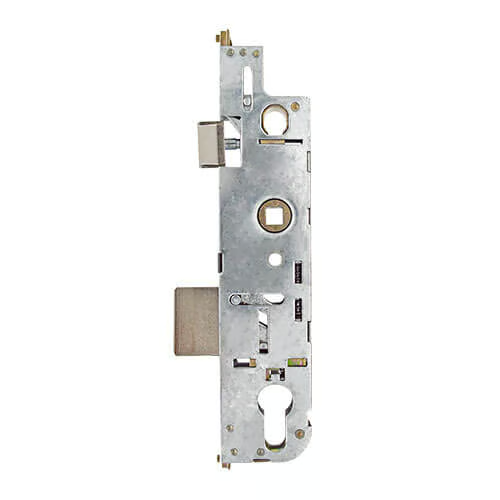
Multipoint locks are the default for most modern uPVC external doors. A single mechanism operated by a handle and/or a key simultaneously secures the door at multiple points along the vertical edge: typically top and bottom shootbolts and a central latch/bolt. The mechanism is contained in a gearbox hidden in the stile; a euro profile cylinder usually controls the central deadlatching and deadlocking functions.
- Benefits: superior sealing and security; spreads load across the frame to reduce warping; available with hook, roller or bolt furniture to suit different frames.
- Common failure modes: worn gearbox, broken follower, snapped or worn euro cylinder, misaligned keeps caused by settlement or hinge wear.
- Trade note: specify the correct gearcase length and faceplate finish for replacement; check whether the lock is a centre latch or reversible type before ordering.
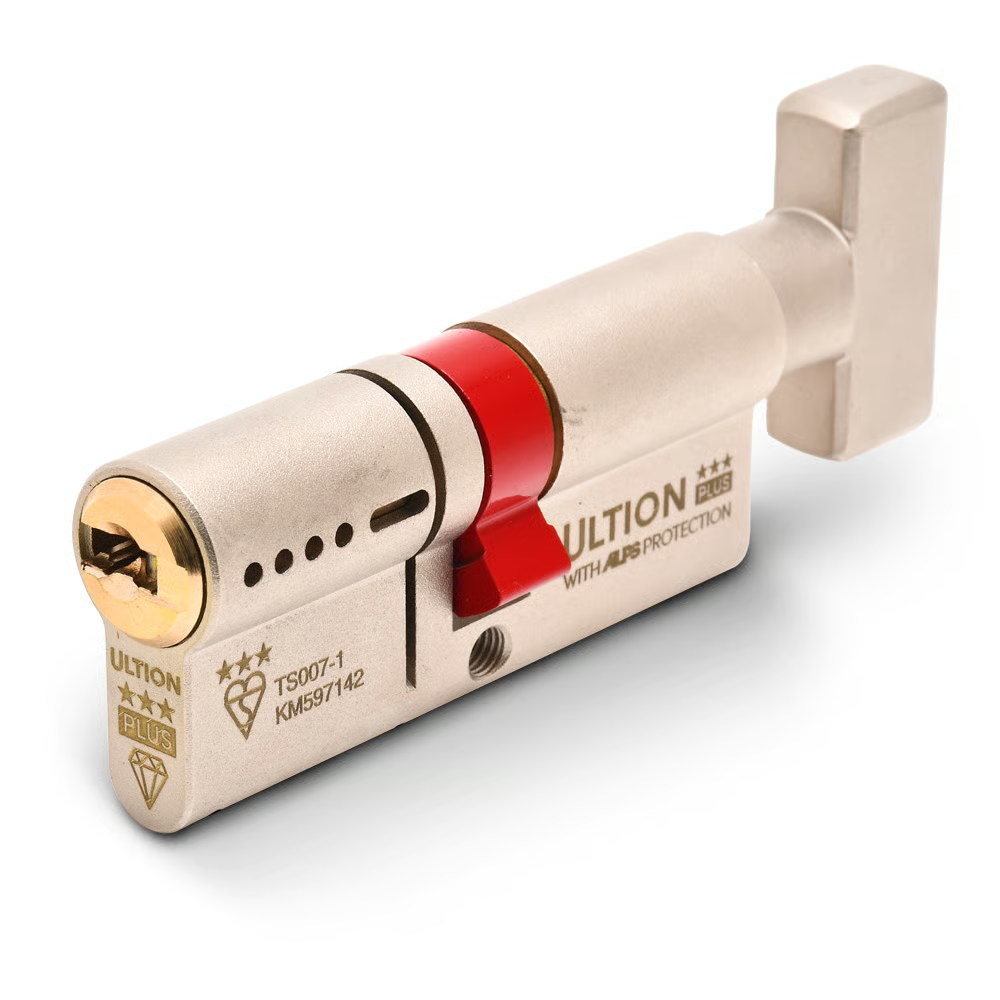
Practical guidance: when replacing a multipoint lock, remove the handles, withdraw the euro cylinder, then unscrew the faceplate to extract the gearbox. Measure the case length and backset; if the gearbox is older or corroded, replace the whole multipoint with a like-for-like unit to maintain alignment with existing keeps. Always fit an anti-snap euro cylinder certified to TS007 3-star on external doors to reduce the risk of cylinder-snapping attacks.
Deadbolts: single-point security with high resistance
A deadbolt provides a solid single locking point that cannot be retracted by a spring; the bolt is extended and retracted only by the key or a thumbturn. On uPVC doors deadbolts are less common as the primary lock because they do not provide the multiple sealing points of a multipoint. However, they are widely used as supplementary security: surface-mounted or mortice deadbolts add hardened protection against forced entry.
- Benefits: high resistance to forced entry at the bolt location; simple and reliable mechanism; useful for doors without multipoint capability or as an additional lock on back and side doors.
- Trade note: when using a deadbolt on a uPVC door, ensure the frame can accept the keep; some frames require reinforcement or steel backing plates to resist levering.
- DIY advice: choose a deadbolt with a matching case depth and fix through with long coach screws into a reinforced area; avoid fitting a deadbolt to a thin or hollow frame without additional reinforcement.
Technical tip: a deadbolt should be used in combination with other security measures where possible; a single deadbolt alone may not address hinge or glass vulnerabilities.
Night latches: convenience versus security trade-offs
Night latches, commonly known as rim locks or Yale locks, are surface-mounted units that latch automatically when the door shuts. They are quick and convenient for occupants: the door locks on closure and can be opened from the inside by a knob or handle. Many modern night latches include a deadlocking function to guard against latch bypass methods.
- Benefits: easy to retrofit; useful for internal doors or secondary external doors where convenience is a priority.
- Limitations: as a single-surface latch they are less secure than a multipoint; exposed fixings can be vulnerable on poorly fitted doors.
- Trade guidance: fit a deadlocking night latch rather than a basic latch; ensure fixings are into the door face not just the uPVC skin, or use security screws and plate reinforcement.
DIY caution: when replacing a night latch, check the door thickness and alignment with the strike plate. If the old fixings are loose or the uPVC skin is damaged, plan for reinforcement or recommend a tradesman to ensure the latch bed is secure.
Choosing the right lock for your situation
Selecting the best option depends on the door location, usage patterns and risk profile:
- Front doors: choose a multipoint lock with a high-quality anti-snap euro cylinder; this combination offers the best balance of weather sealing and security.
- Back or side doors: consider a multipoint plus a supplementary deadbolt or a deadlocking night latch for added protection where windows or side panels create vulnerabilities.
- Outbuildings and internal doors: a single deadbolt or a night latch may be sufficient depending on value and risk; balance convenience and security.
For trade orders, keep common stock of euro cylinders in popular lengths, several multipoint gearcases, and a range of striker keeps for adjustment. Using adjustable keeps can speed up commissioning and reduce callbacks for alignment.
Installation and maintenance: trade and DIY tips
Good installation and routine maintenance extend lock life and preserve security:
- Alignment checks: on-site, lift the handles and operate the lock to check that shootbolts engage smoothly; misaligned keeps are the most frequent cause of noisy or sticking locks.
- Lubrication: use a dry PTFE spray for the gearbox and graphite for cylinders; avoid oil-based lubricants that attract dust and gum up mechanisms.
- Cylinder replacement: measure the exposed lengths and ensure the new euro cylinder matches; fit anti-snap and anti-drill rated cylinders on external doors.
- Security upgrades: if a property has visible signs of forced entry on the door or cylinder, replace the cylinder and consider additional devices such as hinge bolts or an alarm contact.
When in doubt about cutting backframe or reinforcing frames, engage a competent door fitter. Complex multipoint replacement or doors with glass panels adjacent to the lock are best handled by a trade professional to ensure both security and factory warranties remain valid.
Recommended Products
Based on this article, you may find these products helpful:
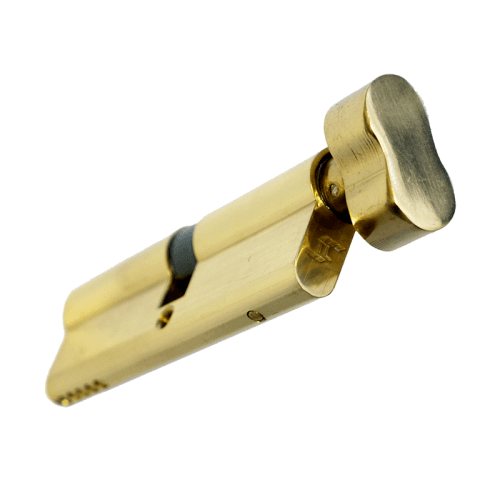
- TL Thumb Turn Euro Cylinder
- Ultion Plus TS007 3* Kitemarked Euro Key & Turn Cylinder
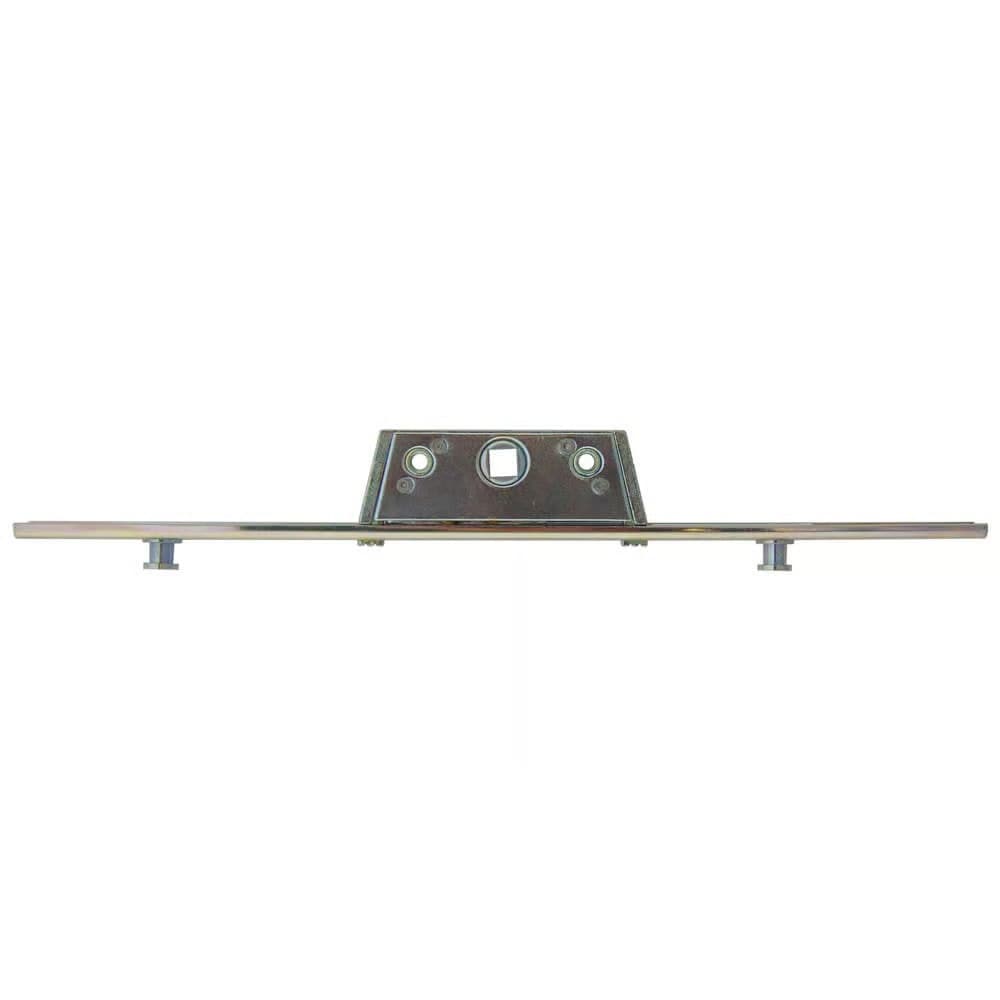
- Multipoint Gearbox GU Old Style
- In-Line Window Mechanism
- Offset Window Mechanism
Conclusion and next steps
Choosing the right upvc door lock depends on the door type, location and the level of security required: multipoint locks are preferred for front doors; deadbolts offer concentrated strength and are useful as supplements; night latches provide convenience but need deadlocking and reinforcement for secure use. For homeowners, start by measuring and identifying your existing lock type and cylinder size; replace worn parts and fit an anti-snap cylinder where needed. For tradespeople, carry common multipoint gearcases, adjustable keeps and TS007-rated cylinders to reduce site time.
Next steps: inspect the door and frame for alignment and wear, decide whether a like-for-like replacement will suffice, and contact a qualified installer for larger upgrades. For more detailed specifications and product options, see our extended resources at /guides/door-locks or contact Window Hardware Store for technical support.

Related articles
uPVC Door Lock Maintenance: Keep Your Lock Working Smoothly
uPVC Door Lock Maintenance: Keep Your Lock Working Smoothly A well maintained upvc door lock reduces call-outs, keeps a property secure and extends the lif...
Hook Lock Sizes and Compatibility: Matching Your Existing Lock
Hook Lock Sizes and Compatibility: Matching Your Existing Lock Replacing a hook lock can be straightforward if you know what to measure and what to check f...
Replacing Individual Hook Locks vs Full Multipoint Mechanism
Replacing Individual Hook Locks vs Full Multipoint Mechanism Deciding whether to replace a single hook lock or the entire multipoint mechanism is a common ...