
What Is a Deadbolt Lock? A Complete Security Guide
What Is a Deadbolt Lock? A Complete Security Guide A deadbolt is one of the most recognised security components on external doors. For UK homeowners and tr...
What Is a Deadbolt Lock? A Complete Security Guide
A deadbolt is one of the most recognised security components on external doors. For UK homeowners and trade professionals it is essential to understand the different types of deadbolt, how they work, and how to specify, install and maintain them correctly for maximum security and compliance with insurance and building regulations.
What a deadbolt is and how it differs from a latch
A deadbolt is a locking mechanism that uses a solid metal bolt which is driven into the door frame to resist forced entry. Unlike a spring-loaded latch, the deadbolt is not spring-operated; it must be moved by rotating a key or thumbturn. That lack of a spring makes deadbolts more resistant to being forced back with tools or to manipulation.
Common contrasts with latches and multipoint systems:
- Latch: spring-loaded, used for day-to-day closing; often combined with a deadbolt for security.
- Deadbolt: manual locking; primary security device against forced entry.
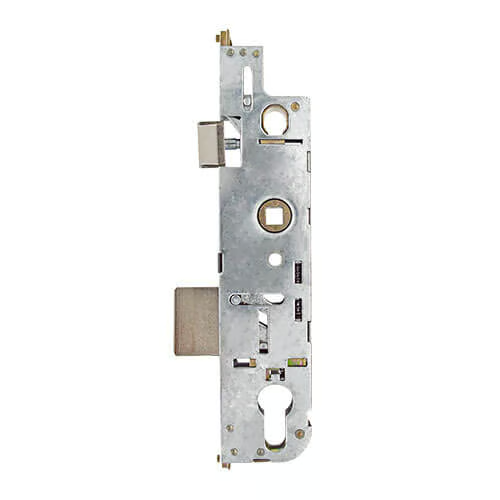
- Multipoint locks: typically fitted to composite and uPVC doors; they have multiple hooks/bolts engaging the frame when locked and often incorporate a deadbolt component.
Types of deadbolts
Choosing the right deadbolt depends on door type, location and insurance requirements. Main types include:
- Mortice deadlock: fitted into a pocket cut into a solid door; common on timber doors; many are BS 3621 rated for home insurance purposes.
- Rim or surface-mounted deadbolt: fixed to the face of the door; useful for retrofit situations where cutting a mortice is not feasible.
- Euro-profile deadbolt: integrated into multipoint systems or specialised cylinders; common in uPVC and aluminium doors.
- Thumbturn and double-cylinder options: thumbturn allows internal operation without a key; double-cylinder requires a key on both sides—useful for doors with glass but can create escape issues in an emergency.
Standards and certifications to look for
When specifying locks for UK properties, refer to recognised standards and certification to satisfy insurers and to ensure quality:
- BS 3621: the British Standard for thief-resistant locks; applies to mortice deadlocks and is commonly required by insurers.
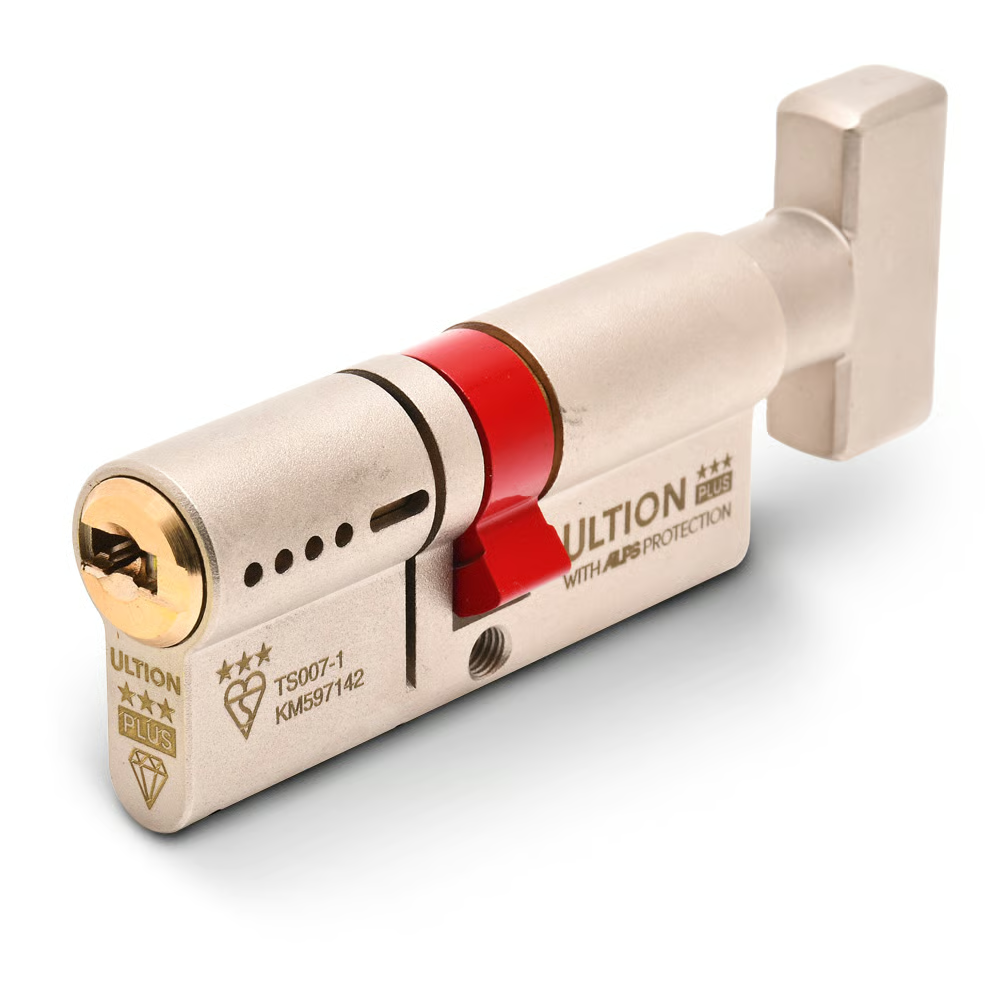
- TS 007: a testing scheme for euro cylinders; 3-star rated cylinders give strong protection against snapping and forced entry.
- Sold Secure: another independent approval scheme; look for Silver or Diamond ratings for higher security applications.
Selecting the right deadbolt for the door
Factors to consider when choosing a deadbolt:
- Door material: solid timber doors typically accept mortice deadlocks; uPVC and composite doors usually rely on multipoint systems with euro cylinders and high-security profiles.
- Door thickness and backset: check the manufacturer details; many mortice cases are available in various backsets and case heights to fit different doors.
- Bolt throw: aim for at least 20mm of throw; 25mm or more improves resistance to leverage attacks.
- Strike plate and frame reinforcement: use long screws into the frame and consider reinforced strike plates or keeps to prevent the bolt being ripped out.
- Insurance requirements: check policy wording; insurers often specify BS 3621 or TS 007 3-star cylinders for external doors.
Practical DIY guidance for fitting and upgrading
Basic fitting advice for competent DIYers and trade professionals:
- Measure carefully: record door thickness, backset (measurement from the door edge to the centre of the keyhole or spindle), and case dimensions before ordering a replacement.
- For mortice deadlocks: mark the centre line, drill pilot holes for the case, then chisel the mortice to the correct depth. Ensure the faceplate sits flush and the bolt operates smoothly.
- Use the correct tools: mortice gauge, router or chisel, drill bits, screwdrivers and a square. A router makes for neat, repeatable mortices on site.
- Reinforce the frame: use at least 75mm screws to fix strike plates into the door frame; for weak frames fit a reinforced keep or a metal backplate.
- For uPVC or composite doors: do not try to fit a conventional mortice deadlock; use approved multipoint locks or specialist surface-mounted deadlocks designed for the profile. Replace cylinders with TS 007 3-star anti-snap types where required.
- Thumbturns and escape: avoid double-cylinder deadlocks on doors used as emergency exits unless fire safety or escape routes are addressed; thumbturns are preferable inside for quick egress.
Maintenance and common faults
Regular upkeep keeps locks reliable and secure:
- Lubrication: use a dry PTFE spray or graphite; avoid oily lubricants that attract grit and gum up the mechanism.
- Check alignment: seasonal door movement can misalign bolt and strike; adjust keeps or plane edges where necessary.
- Tighten fixings: long-term movement and temperature cycles can loosen screws; inspect and re-tighten annually.
- Key wear: replace worn keys and consider rekeying cylinders rather than forcing them which can cause internal damage.
- Replace corroded or damaged parts: do not attempt improvised repairs on external locks; replace with certified components to maintain security and insurance compliance.
Trade advice: fitting for compliance and performance
For tradespeople fitting locks to customers' properties:
- Always confirm the door type and insurance requirements before specifying hardware; present customers with options and certification details.
- Use templates and jigs for repeatable, accurate mortices and keep alignments on site.
- When installing on fire doors, adhere to the door manufacturer and fire certification; only use locks approved for that door and fit in accordance with fire safety regulations.
- Offer reinforcement options: hinge bolts, reinforced strike plates and anti-snap cylinders add value and reduce call-backs for failed forced-entry repairs.
- Document work: provide customers with product certificates and fitting notes; this helps with insurance queries and establishes professional workmanship.
When to call a professional
Call a professional locksmith or installer when:
- Dealing with fire doors or doors that need to meet specific certification.
- Working on uPVC and composite doors where multipoint replacement or cylinder upgrades are required.
- There is evidence of attempted forced entry; a professional can assess frame damage and recommend certified replacements.
- The installation requires structural reinforcement of the frame or replacement of the door furniture.
Recommended Products
Based on this article, you may find these products helpful:
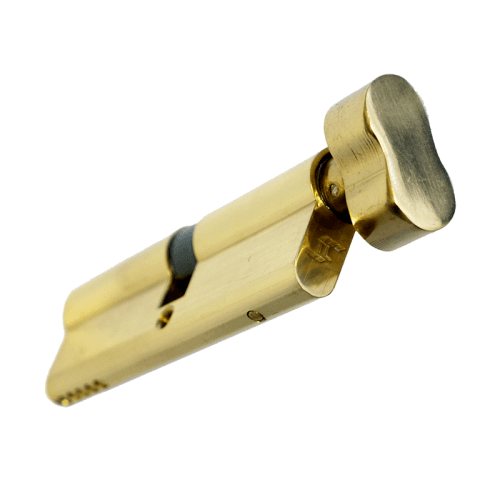
- TL Thumb Turn Euro Cylinder
- Ultion Plus TS007 3* Kitemarked Euro Key & Turn Cylinder
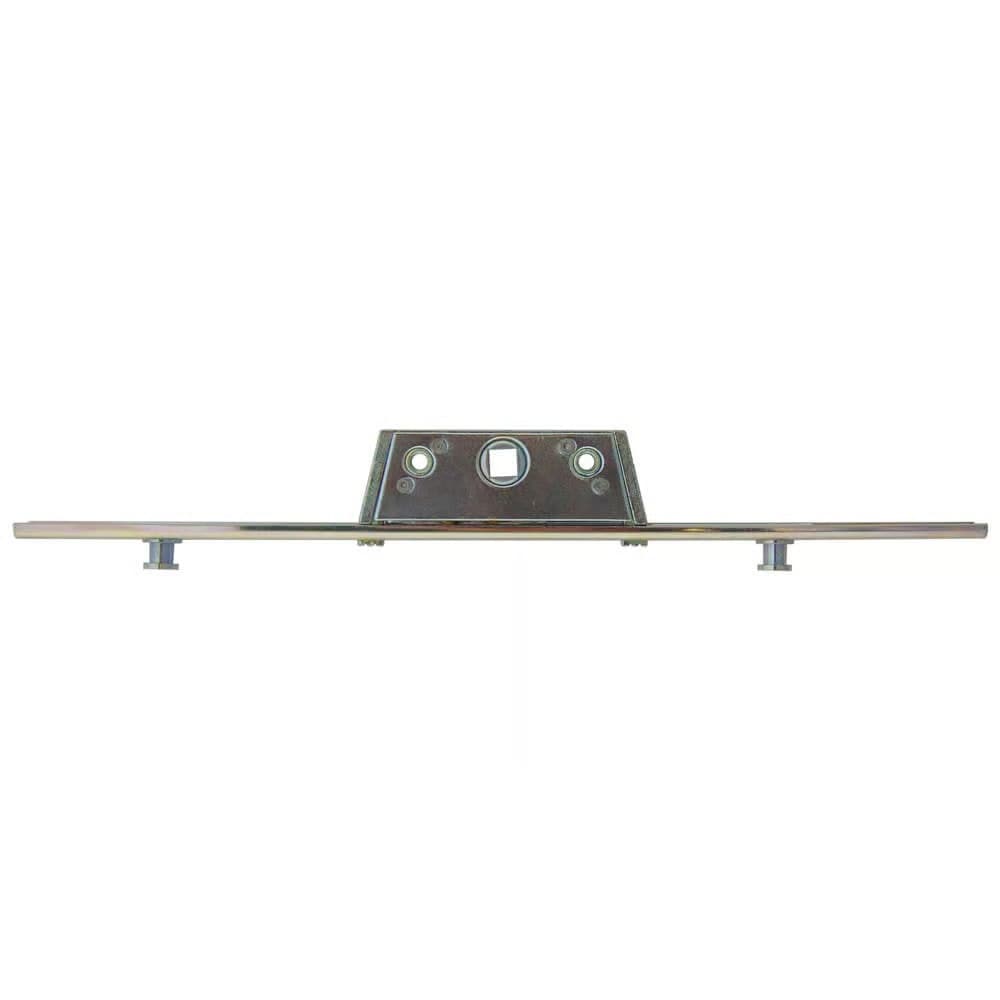
- Multipoint Gearbox GU Old Style
- In-Line Window Mechanism
- Offset Window Mechanism
Conclusion and next steps
Deadbolts are a fundamental part of door security. Choose a suitable type for the door and location, check that it meets BS 3621 or TS 007 requirements where required, and fit it with reinforced strike plates and proper screws. Maintain the mechanism regularly and replace worn or damaged components promptly. For complex installations, fire doors or uPVC/multipoint systems, engage a qualified locksmith or trade installer to ensure compliance and performance.
Next steps: check your current locks against your insurance policy, measure the door and frame to establish suitable hardware, and visit our door locks hub at /guides/door-locks for product recommendations and detailed technical resources.

Related articles
uPVC Door Lock Maintenance: Keep Your Lock Working Smoothly
uPVC Door Lock Maintenance: Keep Your Lock Working Smoothly A well maintained upvc door lock reduces call-outs, keeps a property secure and extends the lif...
Hook Lock Sizes and Compatibility: Matching Your Existing Lock
Hook Lock Sizes and Compatibility: Matching Your Existing Lock Replacing a hook lock can be straightforward if you know what to measure and what to check f...
Replacing Individual Hook Locks vs Full Multipoint Mechanism
Replacing Individual Hook Locks vs Full Multipoint Mechanism Deciding whether to replace a single hook lock or the entire multipoint mechanism is a common ...