
What Is a Hook Lock? Guide to Multipoint Locking Components
What Is a Hook Lock? Guide to Multipoint Locking Components A hook lock is a type of locking mechanism commonly used as part of a multipoint lock on doors ...
What Is a Hook Lock? Guide to Multipoint Locking Components
A hook lock is a type of locking mechanism commonly used as part of a multipoint lock on doors and some windows. Instead of a straight deadbolt, the hook element engages with a keeper on the frame and draws the sash tightly into the frame; this gives improved pull resistance and better compression for weatherseals. This article explains how hook locks work, where they are best used, what other multipoint components you will see, and practical trade and DIY tips for fitting, adjustment and maintenance.
What a hook lock is and why it is used
A hook lock uses one or more curved steel hooks that extend from the edge of the door into matching keeps fixed to the frame. When the door is locked, the hooks pull the door sash towards the frame; when it is unlocked, the hooks retract into the lock case. Hook locks are particularly effective at resisting attempts to lever the door open because the curved head hooks around the keeper. They also improve sealing and reduce rattles thanks to the pulling action.
Where hook locks are commonly fitted
- French and patio doors: hooks avoid the need for large, visible deadbolts while achieving high security and compression.
- uPVC and aluminium entrance doors: used in combination with a central deadbolt and rollers as part of a multipoint system.
- Tilt-and-turn or inward-opening doors in residential builds where extractable hooks provide anti-lift properties.
- Occasionally on window espagnolette systems when extra hold is required; however, hooks are more common on doors.
Key multipoint locking components
When considering a multipoint lock that includes hooks you should be familiar with the following parts:
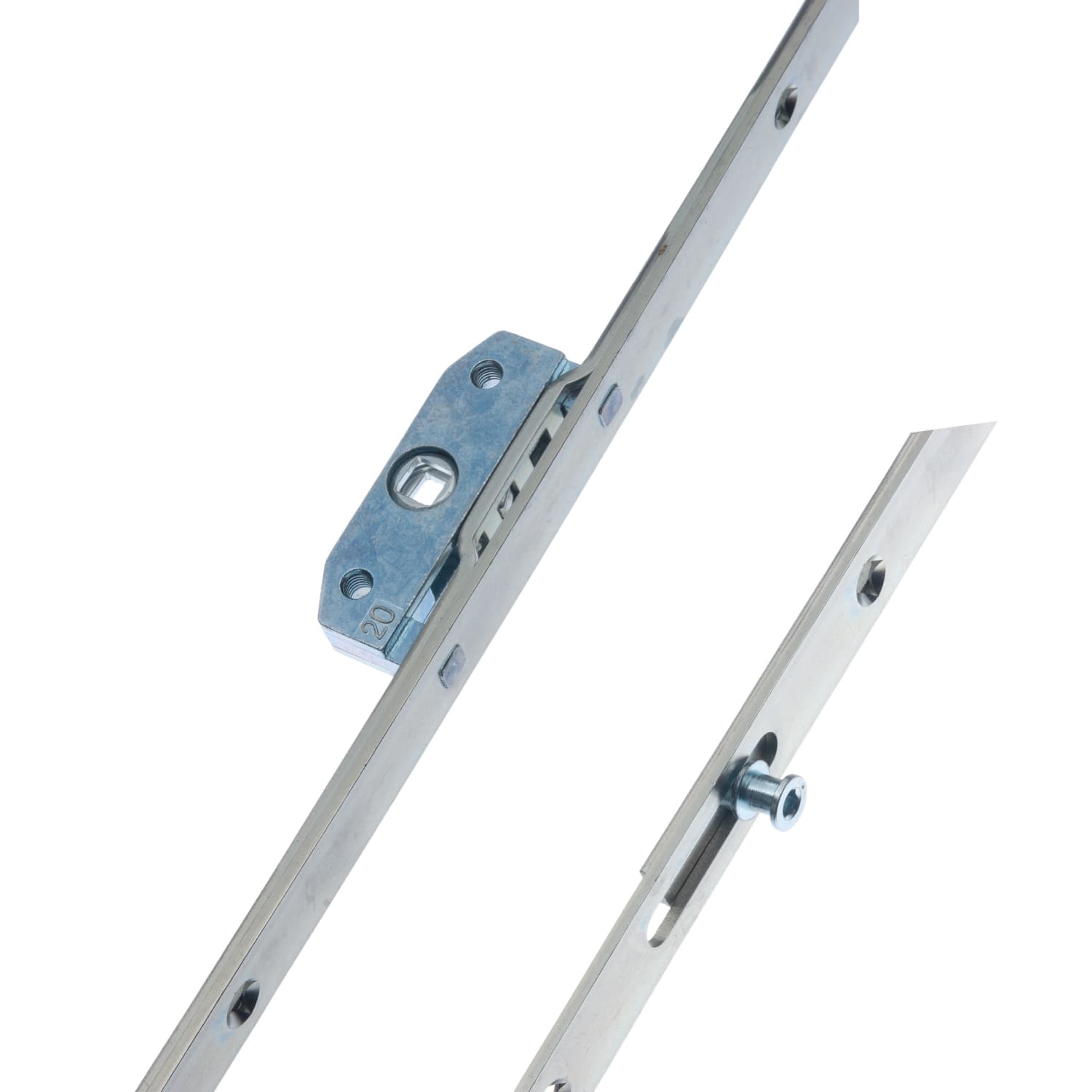
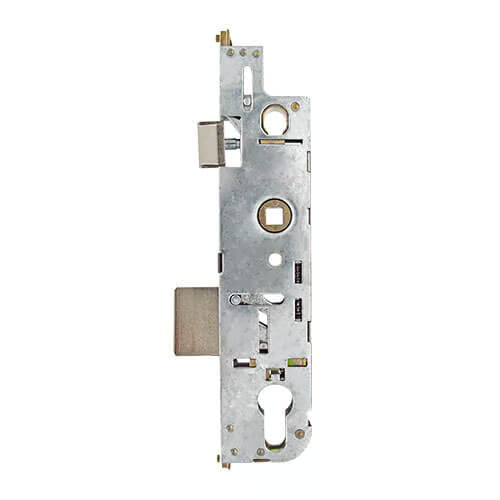
- Lock case or gearbox: contains the internal mechanism and may house the centre latch, hooks, rollers and deadbolt.
- Hook(s): the curved hook elements that engage the keeper; they may be single, double or multiple depending on the system.
- Centre latch: typically a spring-loaded latch that allows the door to shut without turning the handle; it works alongside the hooks.
- Deadbolt: provides fixed security when the key is turned; used with hooks for enhanced resistance.
- Rollers and mushroom cams: help compress the door into the seal; rollers reduce friction when closing.
- Faceplate: the visible metal strip on the door edge that covers the lock case.
- Keeps or striker plates: fixed to the frame and designed to match the hook profile for secure engagement.
- Handles, spindle and cylinder: control movement of the gearbox and provide locking via a euro cylinder or other profile.
How a hook lock operates
Operation is straightforward: when you lift the handle, the gearbox moves the hooks and rollers into their extended positions so the sash engages with the keeps. On turning the key, the deadbolt operates and the hooks remain engaged, securing the door. The hooks often include a ramped profile so they can engage even when the door is slightly misaligned, which is useful for older frames or seasonal movement.
Practical installation and adjustment tips
- Measure before you buy: check overall case length, faceplate height, backset and PZ (centre) distances; many multipoint cases share common dimensions but check the manufacturer specification.
- Handing: determine door handing and ensure the hook lock is suitable; some gearboxes are reversible but not all.
- Keeps: fit reinforced keeps to a solid frame; use long screws that penetrate the frame core rather than just skirting or cladding. Recommended trade practice is screws of at least 70mm into timber frames when possible.
- Alignment: ensure keeps are positioned so hooks engage fully without hitting the faceplate; small misalignment can often be corrected by adjusting keep plates vertically or forwards/backwards.
- Faceplate finish: when replacing a lock, ensure the new faceplate recesses correctly; minor routing of the rebate may be required for older doors.
- Sealing and thresholds: because hooks pull the door inwards, check that the door sweeps and thresholds are not being crushed; adjust roller positions to modify compression.
- Fire doors and building regs: do not modify locks on certified fire doors without confirming compliance; consult a specialist where required.
DIY and trade guidance for replacement
If you are a competent DIYer replacing a hook multipoint lock, take these practical steps: remove the handles and cylinder, unscrew the faceplate, withdraw the old case and test-fit the new case before final fixing; mark keep locations on the frame by closing the door slowly and applying a pencil mark where the hooks meet; drill pilot holes for keep screws and fasten the keeps; test operation several times before trimming or finishing. If hooks do not engage smoothly, check the gearbox for correct spindle height and that the handle travel fully lifts the mechanism.
Tradespeople should supply matching keeps, and where possible use anti-snap euro cylinders and PAS 24 or Secured by Design approved hardware on external doors. For large doors or where high traffic is expected, specify stainless steel hooks and reinforced keeps for longevity.
Maintenance and troubleshooting
- Lubrication: use light machine oil on moving parts; avoid heavy grease that attracts dust. Use graphite for cylinders if required.
- Loose fixings: check faceplate and keep screws periodically; tighten as needed but avoid over-torquing which can distort the lock case.
- Hook sticking or not engaging: inspect keeps for deformation, check for paint build-up in the rebate and confirm the handle lift is adequate; slight adjustments to keep position usually solve this.
- Worn hooks: if hooks show play or rounding, replace the gearbox; partial repairs are possible but trade replacement often gives best longevity.
Security upgrade advice
For an effective upgrade combine hook locks with a high-quality euro cylinder that is anti-snap and TS007 3-star rated where possible; fit reinforced keeps and use long coach bolts or security screws into the frame. Consider additional hardware such as hinge-side security bolts and laminated glass for vulnerable panels. For compliance on new-build work or rented properties, follow PAS 24 and Secured by Design recommendations where required.
Recommended Products
Based on this article, you may find these products helpful:
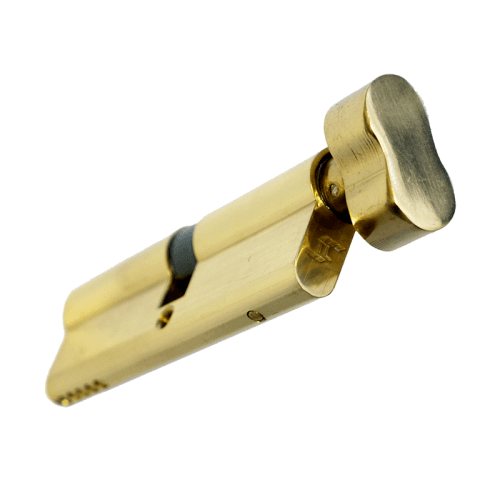
- TL Thumb Turn Euro Cylinder
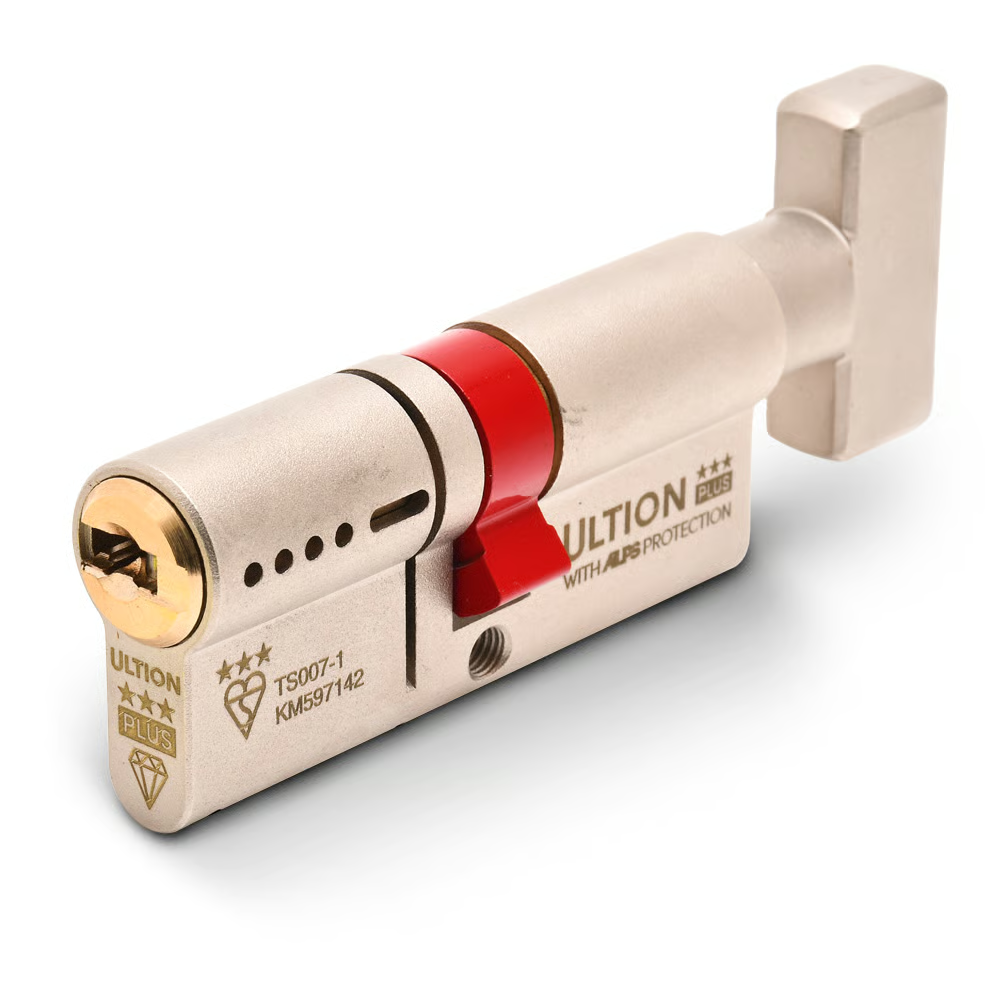
- Ultion Plus TS007 3* Kitemarked Euro Key & Turn Cylinder
- ERAB Espagnolette Window Lock Universal Lock Replacement
- Avocet Slimline Offset Window Espag
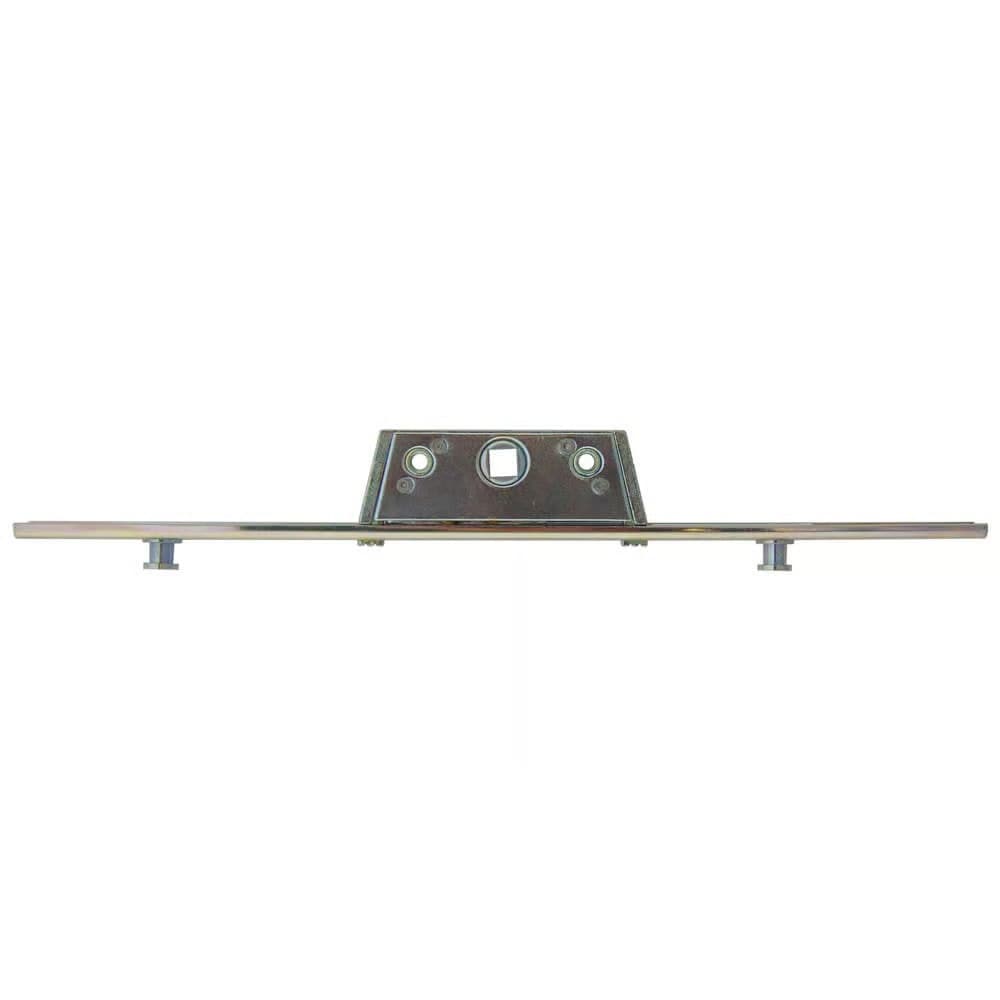
- Multipoint Gearbox GU Old Style
Conclusion and next steps
Hook locks are a reliable part of multipoint locking systems offering strong pull resistance and good compression for seals. They are particularly suited to French doors and uPVC or aluminium entrance doors. For homeowners, simple maintenance and correct keep alignment will keep them working well; for tradespeople, using reinforced keeps, approved cylinders and correct fixing lengths will provide the best security and durability. If you are unsure about measurements or dealing with fire-rated doors, contact a specialist locksmith or Window Hardware Store for advice and compatible parts.
Related articles
uPVC Door Lock Maintenance: Keep Your Lock Working Smoothly
uPVC Door Lock Maintenance: Keep Your Lock Working Smoothly A well maintained upvc door lock reduces call-outs, keeps a property secure and extends the lif...
Hook Lock Sizes and Compatibility: Matching Your Existing Lock
Hook Lock Sizes and Compatibility: Matching Your Existing Lock Replacing a hook lock can be straightforward if you know what to measure and what to check f...
Replacing Individual Hook Locks vs Full Multipoint Mechanism
Replacing Individual Hook Locks vs Full Multipoint Mechanism Deciding whether to replace a single hook lock or the entire multipoint mechanism is a common ...