
What Is a Multipoint Door Lock? A Complete Guide
What Is a Multipoint Door Lock? A Complete Guide A multipoint door lock is a locking mechanism that secures a door at two or more points along its length r...
What Is a Multipoint Door Lock? A Complete Guide
A multipoint door lock is a locking mechanism that secures a door at two or more points along its length rather than at a single latch or deadbolt. Common on uPVC, composite and timber entrance doors, multipoint locks offer improved security, weather sealing and alignment for doors that require greater strength than a single lock can provide. This article explains how multipoint door locks work, the types and components you will encounter, installation and maintenance advice aimed at both UK homeowners and trade professionals, and when to specify or fit one.
How a multipoint door lock works
Unlike a single-point mortice lock, a multipoint door lock connects a central locking case to additional locking points that engage at the top and bottom of the door: bolts, hooks, rollers or pistons. Operation is via the handle and key: lifting the handle typically engages the hooks or bolts, and turning the key deadlocks the mechanism so the handle cannot be operated. On many systems the handle lift drives an espagnolette gear or a rack and pinion to move the pointwork simultaneously.
Common components and types
- Central case: contains the latch and gearbox; sized by case height and backset.
- Shootbolts: extend vertically into keeps at top and bottom; common on timber doors.
- Hookbolts: engage into strikes with a hooking action; used on composite and uPVC for high security and compression.
- Roller cams: provide smooth compression and weather-tight sealing; useful for older doors.
- Euro cylinder or profile cylinder: operates the deadbolt and offers cylinder security options such as anti-snap, anti-drill and anti-pick features.
- Faceplate: visible edge of the lock; dimensions and finish must match or be modified during replacement.
- Keeps and strikes: metal plates fitted to the frame; robust fixing with long screws is essential for security.
Standards and security considerations
For UK installations check relevant standards and certification: PAS 24 enhanced security for doorsets, Secured by Design approvals and cylinder standards such as TS 007 for multi-point cylinder performance. Homeowners should specify anti-snap, anti-drill and anti-pick cylinders to maintain insurance compliance. Trade professionals will often fit locks that meet or exceed these standards when supplying domestic entrance doors.
Choosing the right multipoint lock
Selection depends on door material, thickness, handing, and desired security level. Typical options include:
- uPVC doors: generally use multi-spindle euro-case mechanisms with hook or roller options; ensure correct case height and centre distance for handle and cylinder.
- Composite doors: usually fitted with high-security hookbolt sets and reinforced keeps; pay attention to frame reinforcement and screw length.
- Timber doors: often use shootbolts combined with a central deadbolt; requires good threshold and head keeps for bolt engagement.
Practical trade advice for installers
- Always measure accurately: backset, case depth, centre height and faceplate length; mismatched sizes lead to poor operation.
- Check door handing before ordering: many multipoint locks are handed and cannot be reversed on-site.
- Fit long, grade 4.8 or 8.8 screws into the frame for keeps to resist lever attacks; aim for screws that bite into the masonry or reinforced subframe.
- When upgrading cylinders, maintain the correct projection; an over-projecting cylinder is vulnerable to snapping and may invalidate insurance.
- Test operation before final fixings: lift handle, check shootbolt engagement, and operate cylinder with both sides to ensure smooth action.
- If replacing on-site in a refurb, check for warped doors and swollen edges; remedy with planing or reglazing where needed to avoid binding.
DIY guidance for homeowners
Many basic multipoint lock replacements are straightforward for competent DIYers with carpentry and metalwork experience. Typical steps include: remove handles and cylinder, unscrew the faceplate, withdraw the lock case, compare measurements with the new unit, fit new case and faceplate, replace cylinder and handles, and adjust keeps. Tools required are a screwdriver set, chisel, spirit level, tape measure and possibly a router for morticing. Important cautions:
- Do not force an ill-fitting lock; poor alignment causes premature wear.
- If the cylinder or faceplate does not match the door, consult a trade supplier for the correct case size rather than improvising.
- Use recommended lubricants: a dry PTFE or silicone spray for the mechanism and cylinder; avoid heavy oils that attract dust and gum up the gear.
- For guaranteed security and insurance compliance, consider using a qualified locksmith for final cylinder selection and fitting.
Maintenance and troubleshooting
Regular maintenance extends life and prevents failures. Recommended tasks include: lubricate the gearbox and cylinder annually with a dry lubricant; tighten keeps and handle fixings; check shootbolts and hooks for smooth travel and re-tension if necessary; and ensure that thresholds and seals do not impede bolt engagement. Common issues and quick fixes:
- Handle does not return: check the return spring in the gearbox or replace the handle spindle if worn.
- Shootbolts do not engage: lift handle fully; if still failing, check for frame movement or swollen timber causing misalignment.
- Key difficult to turn: inspect cylinder for debris, lubricate with graphite or silicone, and ensure the handle is not under load.
When to call a professional
Contact a qualified locksmith or trade fitter when the door is severely warped, if the frame needs reinforcement, for PAS 24 or Secured by Design installations, or if you are unsure about insurance requirements. Professional fitters can supply matched keeps, reinforced subframes and certify work where required.
Recommended Products
Based on this article, you may find these products helpful:
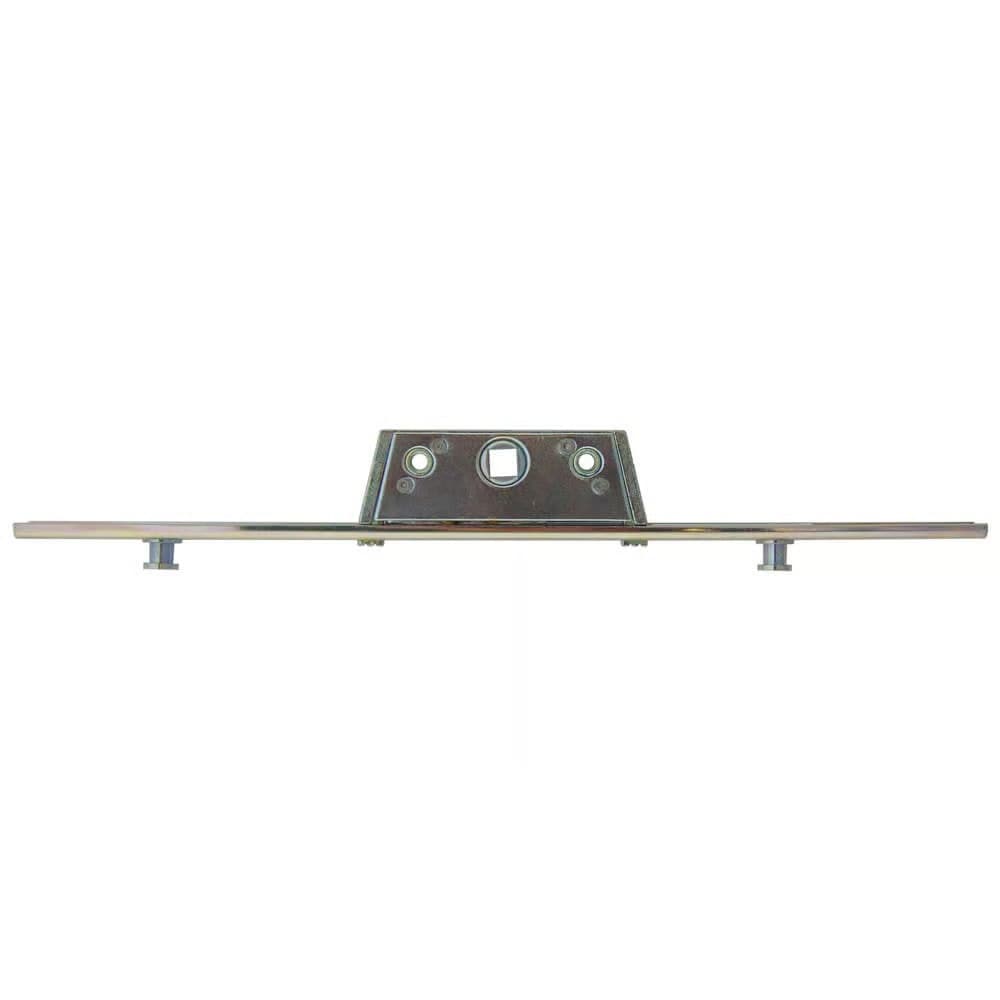
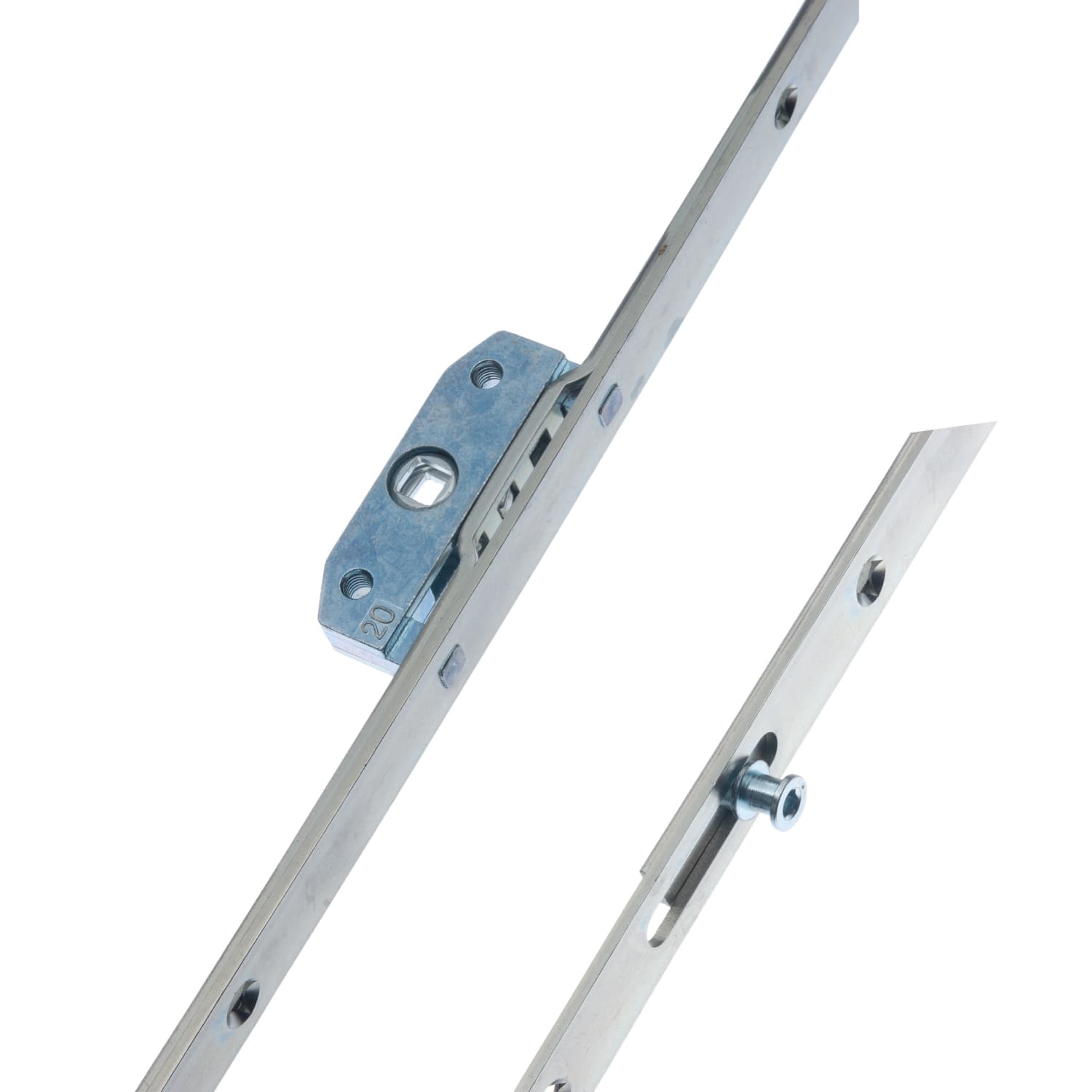
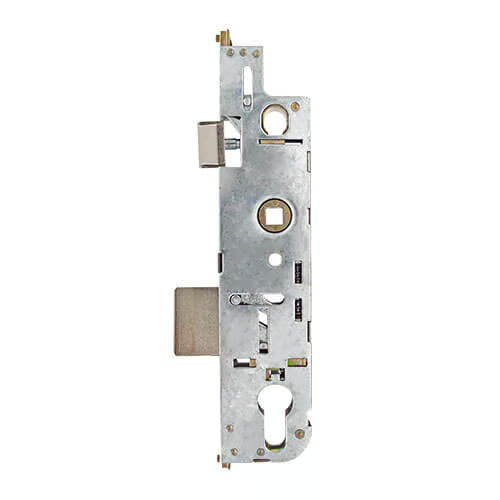
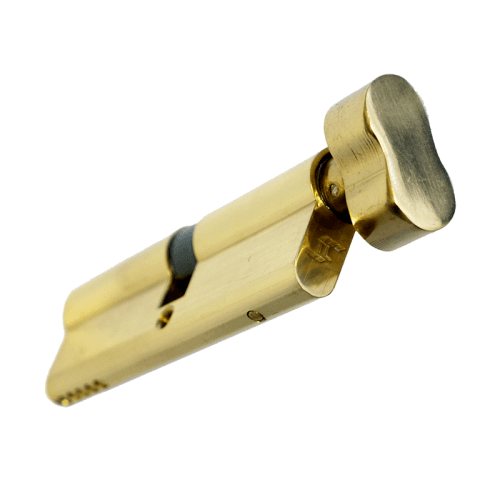
- TL Thumb Turn Euro Cylinder
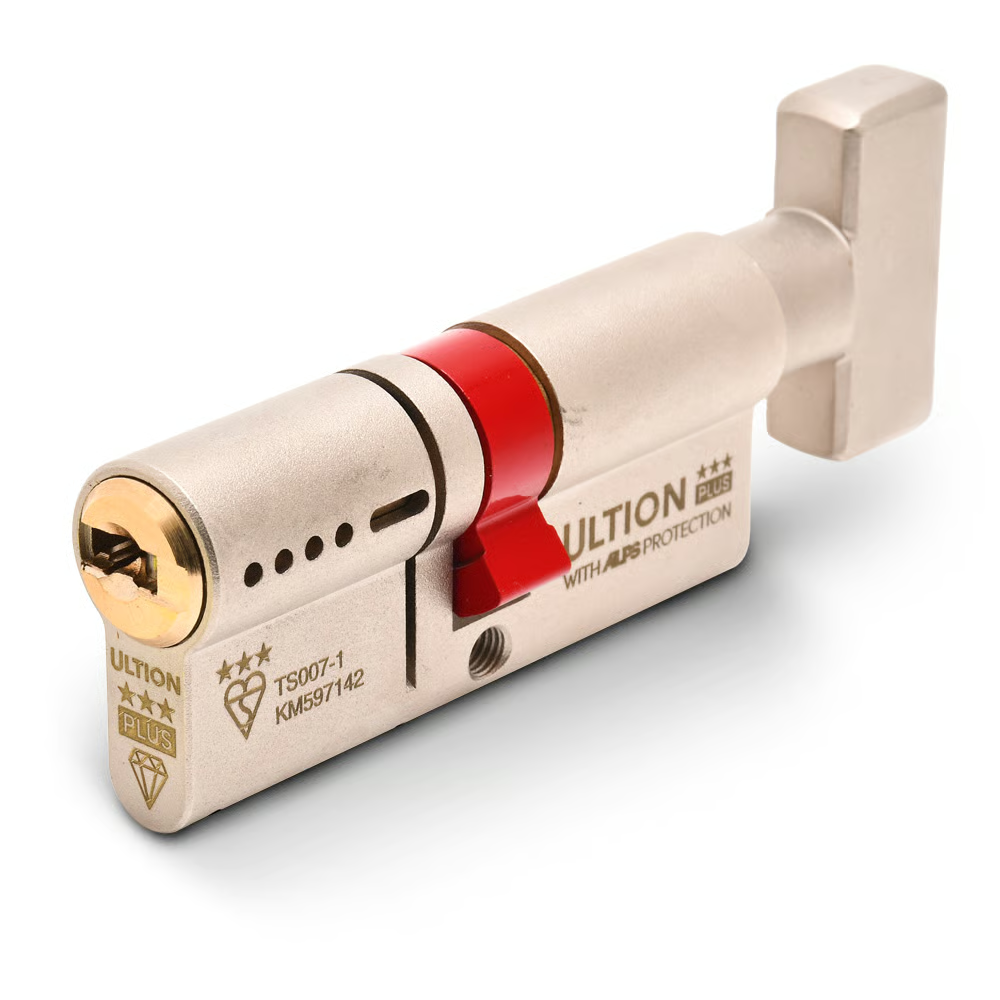
- Ultion Plus TS007 3* Kitemarked Euro Key & Turn Cylinder
- ERAB Espagnolette Window Lock Universal Lock Replacement
- Avocet Slimline Offset Window Espag
- Multipoint Gearbox GU Old Style
Conclusion and next steps
Multipoint door locks provide superior security, weather performance and door compression compared with single-point locks. For homeowners, a correctly specified and fitted multipoint lock improves safety and energy efficiency. For trade professionals, accurate measurement, correct component selection and robust fixing are critical to a reliable installation. Next steps: measure your door accurately, check cylinder and case standards, and consult our pillar resource on door locks for further technical specifications and product options: /guides/door-locks. If unsure, arrange a survey with a qualified locksmith to ensure compliance with insurance and safety standards.
Related articles
uPVC Door Lock Maintenance: Keep Your Lock Working Smoothly
uPVC Door Lock Maintenance: Keep Your Lock Working Smoothly A well maintained upvc door lock reduces call-outs, keeps a property secure and extends the lif...
Hook Lock Sizes and Compatibility: Matching Your Existing Lock
Hook Lock Sizes and Compatibility: Matching Your Existing Lock Replacing a hook lock can be straightforward if you know what to measure and what to check f...
Replacing Individual Hook Locks vs Full Multipoint Mechanism
Replacing Individual Hook Locks vs Full Multipoint Mechanism Deciding whether to replace a single hook lock or the entire multipoint mechanism is a common ...