
What Is a uPVC Door Lock and How Does It Work?
What Is a uPVC Door Lock and How Does It Work? A uPVC door lock is the locking mechanism fitted to uPVC and composite entrance doors that secures the door ...
What Is a uPVC Door Lock and How Does It Work?
A uPVC door lock is the locking mechanism fitted to uPVC and composite entrance doors that secures the door into the frame and operates the handle and cylinder. For most modern UK domestic doors the lock will be a multipoint gear-driven mechanism operated by the handle and a Euro profile cylinder; together they provide the latch, deadbolt and additional locking points that resist forced entry. This post explains the common types, how they function, and practical trade and DIY advice for installation, diagnosis and maintenance.
Common types of uPVC door lock
- Multipoint locks: The most common on uPVC doors. A single spindle and gearbox operate several locking points up and down the door: latch, deadbolt and shootbolts or rollers. Often labelled as 3-point or 5-point depending on number of locking points.
- Euro profile cylinder locks: These are the replaceable cylinders that sit in the lock body; turning the key moves the cam which operates the lock. Many multipoint locks use a Euro cylinder.
- Sash locks: Older or internal uPVC doors may use sash locks; these have a separate deadbolt and latch and a square spindle for handle operation.
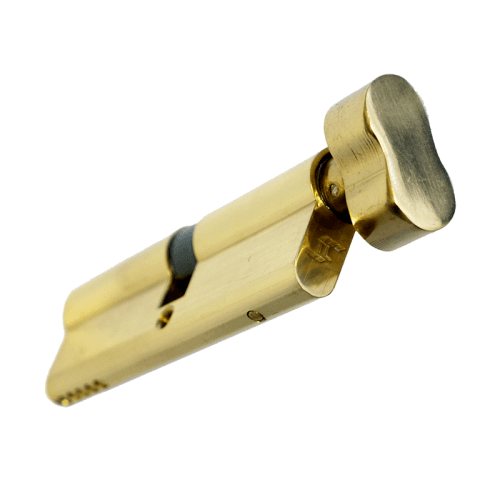
- Thumbturn cylinders: A Euro cylinder with a thumbturn on the inside for easy locking without a key; useful for flats and households with quick egress needs.
How a uPVC door lock works
Understanding the main components makes troubleshooting easier: the handle spindle, gearbox, faceplate, Euro cylinder, latch, deadbolt and keeps on the frame. Operation is typically as follows:
- When the handle is pressed, the spindle turns the gearbox which retracts the latch to allow the door to open.
- On a multipoint, lifting the handle first engages the gearbox and extends additional locking points such as hooks or shootbolts; this action pulls the door into the frame for compression on seals.
- Turning the key or thumbturn then rotates the Euro cylinder cam which drives the deadbolt and locks the mechanism so the handle will not retract the latch; this is the deadlocked state.
- Lowering the handle disengages the additional locking points so the door can be opened with the handle while unlocked.
Security features to look for
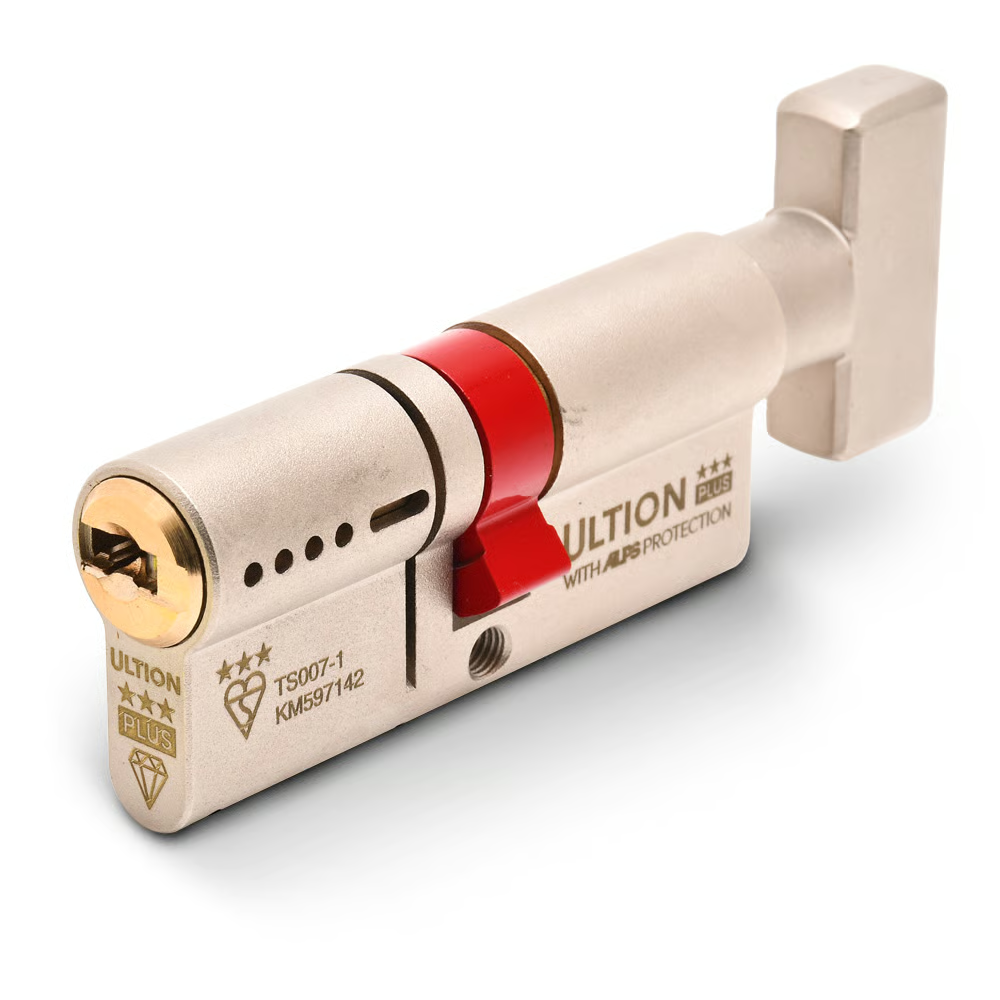
- TS007 3-star or Sold Secure rated Euro cylinders to resist snapping and drilling; anti-snap, anti-pick and anti-drill features are recommended for external doors.
- High engagement multipoint locks with rollers or hooks that pull the door into the frame, improving sealing and resistance to levering forces.
- Stainless steel faceplates and heavy-duty keeps; these reduce wear and provide better resistance at the frame.
- Certifications: look for PAS 24 compliance if you require certified security for new-build or warranty purposes.
Practical trade advice
- Measure before ordering: for Euro cylinders measure overall length from end to end and the centre measurement between the fixing screw and each end; common standard PZ centres are 92mm for handle to cylinder in many doors. Always confirm exact sizes on site.
- Specify anti-snap 3-star cylinders for external doors. For flats where emergency egress is required, use a thumbturn or compliant emergency egress cylinder as appropriate.
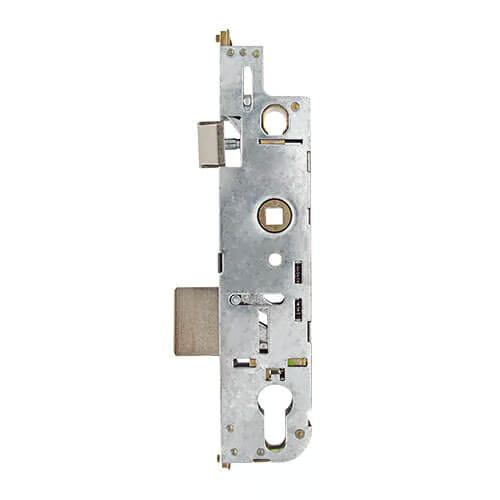
- When replacing a multipoint mechanism, note the faceplate profile and screw positions. Replacements are often sold by case size and backset; having the original part number helps speed the job.
- Fit stronger frame keeps when upgrading locks; replace timber or plastic keeps with reinforced steel keeps where possible for better security.
DIY maintenance and common fixes
Many issues with an upvc door lock come from misalignment, wear or lack of maintenance. Basic steps you can do yourself:
- Lubrication: use a dry silicone spray on the multipoint gearbox and shotbolts; use graphite or a specialist cylinder lubricant for the Euro cylinder. Do not use WD-40 or oily lubricants as they attract grit.
- Check alignment: if the door is hard to lock or key operation is stiff, check that the keeps are aligned with the locking points. Slightly loosening the keep screws and repositioning the keep can cure rubbing.
- Adjust hinges: sagging doors are a common cause of misalignment. Adjust top and bottom hinges to lift or lower the door; many uPVC hinges have adjustment screws accessible when the door is open.
- Replace worn cylinders: if a key sticks or the cylinder is loose, remove the fixing screw and withdraw the cylinder with the key turned slightly to align the cam; measure and replace with a correct length anti-snap cylinder.
- Handle problems: if the handle does not return or the latch does not operate, check spindle and grub screw tightness; replace the handle or spindle if stripped.
When to call a professional
- If you suspect a snapped cylinder, forced entry or damage to the frame; reinforcement and professional repair may be needed to restore security and compliance.
- Complex multipoint failures where the gearbox or internal rods are damaged; these often require removal and specialist replacement to ensure smooth operation.
- When upgrading locks to meet PAS 24 or insurance requirements; a tradesperson can confirm compatibility between door, frame and new hardware.
Safety and compliance reminders
Always support the door when removing heavy hardware; do not leave the property unsecured during repairs. Use the correct tools and follow manufacturer instructions for torque settings on handle screws. If the property is leasehold or part of a managed building, check with the freeholder before altering entrance door hardware. For commercial or new-build projects follow the relevant building regulations and security standards.
Recommended Products
Based on this article, you may find these products helpful:
- TL Thumb Turn Euro Cylinder
- Ultion Plus TS007 3* Kitemarked Euro Key & Turn Cylinder
- Multipoint Gearbox GU Old Style
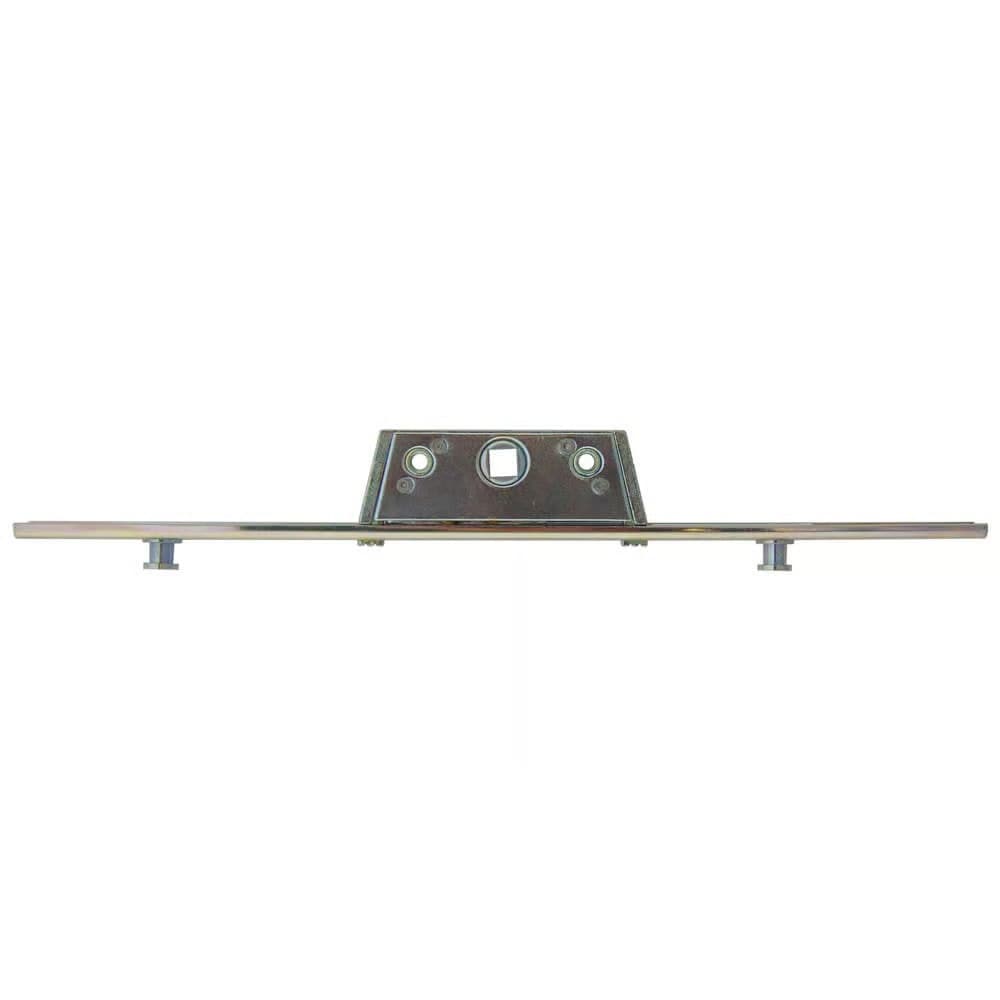
- In-Line Window Mechanism
- Offset Window Mechanism
Conclusion and next steps
A reliable upvc door lock is more than a cylinder; it is the whole multipoint system working with the frame to provide security and weather performance. For homeowners the most useful DIY tasks are lubrication, hinge adjustment and cylinder replacement. For trade professionals, measuring correctly, specifying TS007 3-star cylinders and upgrading keeps are key steps to improve security.
For more detailed technical information and product options visit our pillar page on door locks: /guides/door-locks, or contact our trade support team for on-site advice and product recommendations.

Related articles
uPVC Door Lock Maintenance: Keep Your Lock Working Smoothly
uPVC Door Lock Maintenance: Keep Your Lock Working Smoothly A well maintained upvc door lock reduces call-outs, keeps a property secure and extends the lif...
Hook Lock Sizes and Compatibility: Matching Your Existing Lock
Hook Lock Sizes and Compatibility: Matching Your Existing Lock Replacing a hook lock can be straightforward if you know what to measure and what to check f...
Replacing Individual Hook Locks vs Full Multipoint Mechanism
Replacing Individual Hook Locks vs Full Multipoint Mechanism Deciding whether to replace a single hook lock or the entire multipoint mechanism is a common ...