
Why Is My Night Latch Not Locking? Troubleshooting Tips
Why Is My Night Latch Not Locking? Troubleshooting Tips A night latch that will not lock is a common problem for homeowners and trade professionals. It is ...
Why Is My Night Latch Not Locking? Troubleshooting Tips
A night latch that will not lock is a common problem for homeowners and trade professionals. It is often straightforward to diagnose and fix, provided you know what to look for. This post explains the likely causes, practical checks you can carry out, and trade-level repair options so you can restore security quickly and safely.
How a night latch works
A rim night latch is a surface-mounted lock fixed to the face of the door; it operates with a spring-loaded latch bolt and a cylinder or thumbturn. When the door closes the latch engages with the strike or keep in the frame. Many night latches have a snib or holdback function which will hold the latch withdrawn for convenience. Problems occur when the latch bolt does not spring out, will not engage the keep, or the cylinder or snib will not operate correctly.
Common reasons a night latch will not lock
- Misaligned strike or keep: Settlement, loose hinges, or newly fitted doors can move the door relative to the frame so the latch does not meet the keep squarely.
- Worn or damaged latch spring: The internal spring that returns the latch can weaken or break; the bolt will not project reliably.
- Snib or holdback engaged or stuck: If the snib is pressed in or jammed, the latch will be held back and the door will not lock.
- Cylinder problems: A seized, dirty, or worn cylinder may not rotate or throw the cam; keys may not engage, or the cylinder may snap or be loose.
- Handle or spindle issues: If the spindle is stripped, badly fitted, or the handle mechanism operates the latch incorrectly the bolt may not return.
- Door swelling or warping: Moisture changes can cause timber doors to swell so the latch cannot reach the strike plate.
- Foreign objects or paint build-up: Debris in the keep or paint overspray inside the latch can prevent smooth operation.
- Incorrect backset or replacement part: Using the wrong size latch or cylinder will lead to poor engagement.
Practical step-by-step troubleshooting
- Visual check: Close the door slowly and observe where the latch meets the keep. Look for rub marks or misalignment and check the snib position.
- Operate the snib and cylinder: Try the snib from inside; then lock and unlock with the key. Note any stiffness, roughness, or unwilling movement.
- Test the latch return: With the door open, press the latch bolt in with a screwdriver; it should spring back immediately when released. If it does not, the internal spring is suspect.
- Check hinges and gaps: Tighten loose hinge screws; if the door sits low or high, insert thin packers or adjust hinge position to improve alignment.
- Inspect the keep: Remove the keep if needed. File high spots or enlarge the aperture slightly if the latch just catches on the edge. Fit an ASA plate or deeper keep where necessary.
- Clean and lubricate: Remove dust and old grease. Use a graphite lubricant for cylinders; use a light PTFE spray or light machine oil on the latch mechanism. Avoid heavy grease in cylinders.
- Measure before replacing: If parts are worn, measure spindle size, backset, and cylinder length before ordering replacements; common spindles are often 8 mm square but always confirm.
Repair and adjustment tips for trade professionals
- Align the strike professionally: Mark the contact point, then chisel or rout a neat recess for the keep. For uPVC or composite doors fit an appropriate reinforced keep and use stainless steel wood screws into solid material.
- Replace springs or latch cases: Where a full strip-down is required use manufacturer spares; cheap generic parts can fail quickly. Keep common rim latch assemblies and cylinders in the van for faster call-outs.
- Choose the right cylinder: For external doors specify a TS007 3-star or equivalent anti-snap cylinder for security. Match cylinder length to door thickness and check cam clearance with the latch mechanism.
- Secure fixings: Use the correct screw length and countersink where needed; avoid overtightening which can distort the latch case and affect movement.
- Preventative measures: Recommend weather-proofing and good ventilation for timber doors to reduce swelling. Fit a stormproof threshold if water ingress is causing repeated swelling.
When to call a locksmith or supplier
If the cylinder is damaged, the latch spring has failed internally, or you suspect tampering such as snapping or drilling attempts, call a professional; these are security issues not to be left. If you are unsure about measuring for a replacement cylinder or matching a rim night latch to a composite or metal door, contact your trade supplier with photographs and measurements so they can advise the correct part.
Quick product and maintenance recommendations
- Use graphite powder in lock cylinders to avoid gumming up keyways.
- Use PTFE spray or light machine oil on mechanisms; do not pack cylinders with grease.
- Install a reinforced keep or ASA plate on high-traffic doors to reduce wear.
- For external security upgrade to anti-snap cylinders rated to TS007 where required.
- Keep a small toolkit: spare 8 mm spindle, a pair of common rim latches, striker plates, and a cylinder in the van for quick fixes.
Recommended Products
Based on this article, you may find these products helpful:
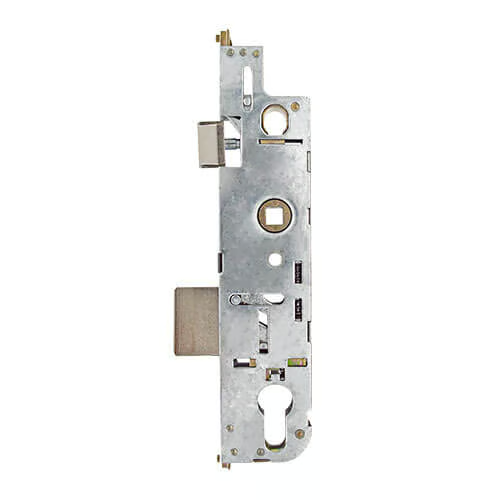
- Multipoint Gearbox GU Old Style
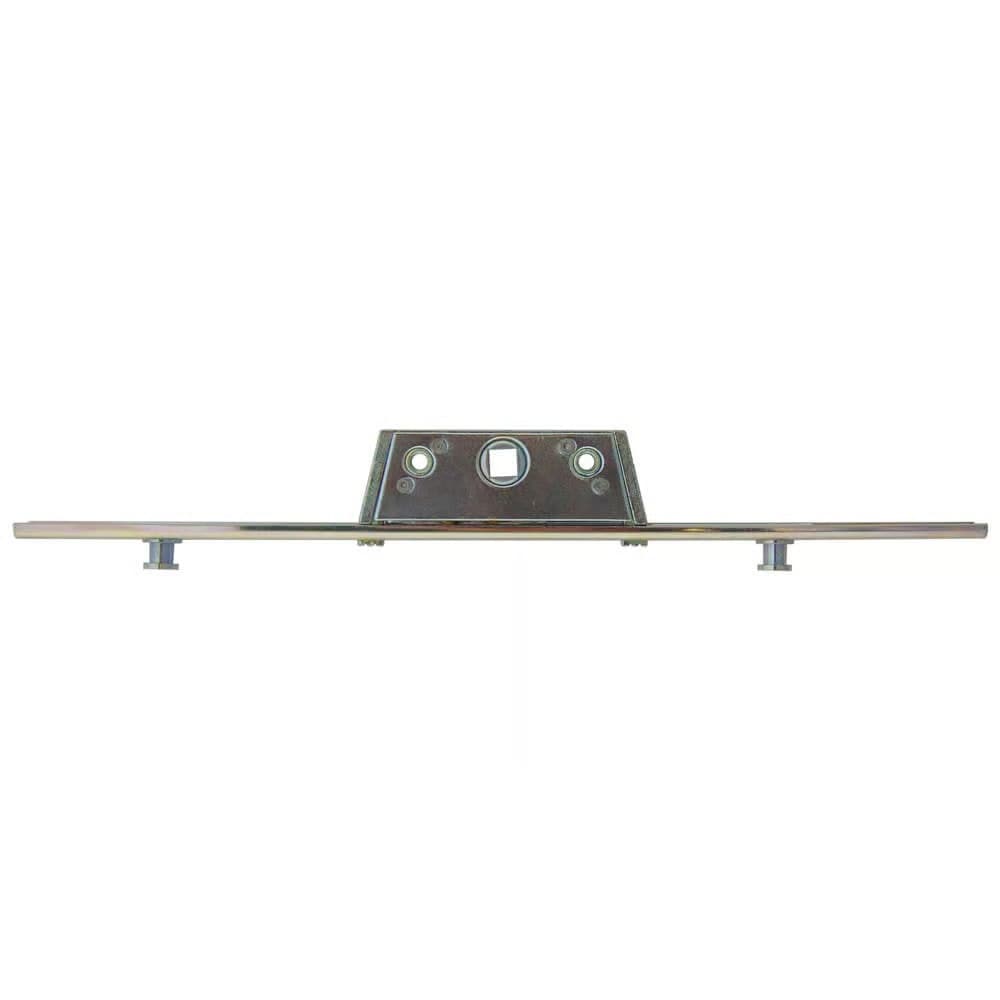
- In-Line Window Mechanism
- Offset Window Mechanism
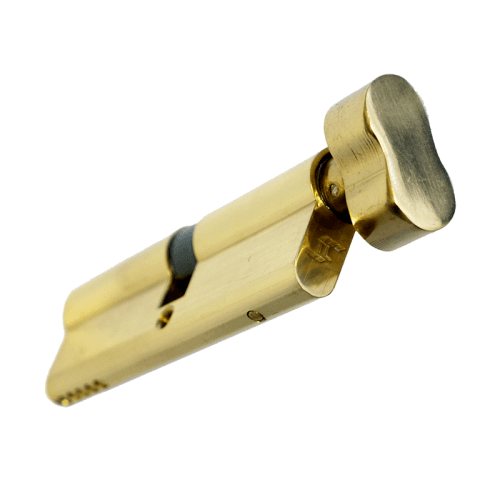
- TL Thumb Turn Euro Cylinder
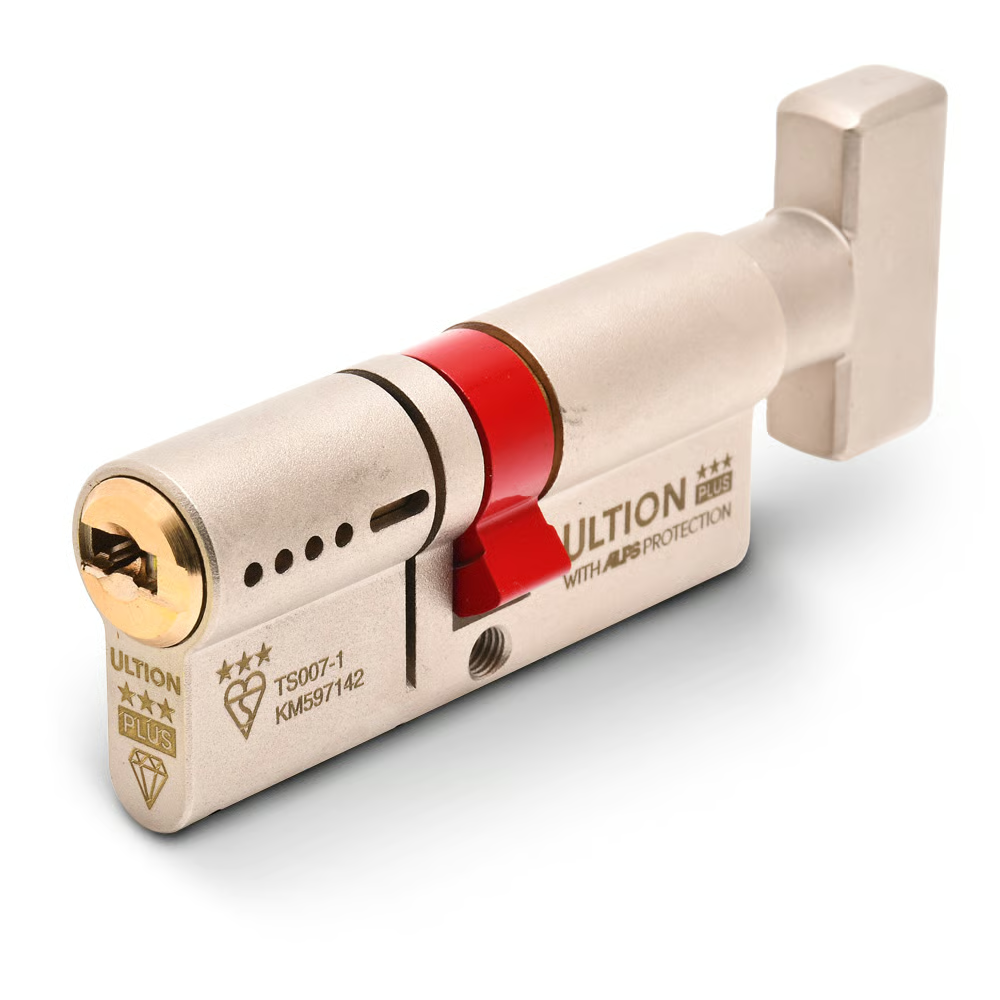
- Ultion Plus TS007 3* Kitemarked Euro Key & Turn Cylinder
Conclusion and next steps
A night latch that will not lock is usually caused by alignment, wear, snib problems, or cylinder issues. Start with simple checks: observe alignment, test the snib, clean and lubricate, and confirm the latch spring returns. If you identify a worn spring, a faulty cylinder, or suspect security compromise, replace the part with the correct size and specification; consider a TS007-rated cylinder for external doors. For complex faults or where security is at risk, contact a locksmith or your Window Hardware Store trade supplier with measurements and photos. For further reading about related locks and components visit our pillar page on door locks: /guides/door-locks.

Related articles
How to Fit a Night Latch: Step-by-Step Installation Guide
How to Fit a Night Latch: Step-by-Step Installation Guide A night latch is a common surface-mounted lock fitted to the inside face of a front door; it lock...
How to Replace a Night Latch Lock: DIY Instructions
How to Replace a Night Latch Lock: DIY Instructions A night latch is a common surface-mounted lock found on many UK front doors; it offers easy exit from t...
Automatic vs Manual Night Latches: Which Type Do You Need?
Automatic vs Manual Night Latches: Which Type Do You Need? Choosing the right night latch for a front or back door is a common decision for UK homeowners a...