
Why Won't My Cat Use the Cat Flap? Common Problems and Solutions
Why Won't My Cat Use the Cat Flap? Common Problems and Solutions Why a cat flap can be refused: common causes When a cat avoids the cat flap the reason is ...
Why Won't My Cat Use the Cat Flap? Common Problems and Solutions
Why a cat flap can be refused: common causes
When a cat avoids the cat flap the reason is often a mix of mechanical, environmental and behavioural factors. Common causes include: fear of the unfamiliar, a noisy or stiff flap, draughts, poor location, other animals using the opening, or the cat experiencing pain when pushing through. Trade professionals and DIYers should consider both the hardware and the animal when diagnosing the problem.
- Physical resistance: flap hinge, spring or magnetic catch too strong
- Noise and vibration: rattling panels or loose fixings create unsettling noise
- Draughts and cold: older or thin-flap designs let in wind
- Positioning: poorly sited flaps create awkward angles or expose the cat to traffic
- Security devices: poorly calibrated microchip or RFID readers refuse access
- Previous bad experiences: trapped paws or startled reactions make cats avoid the route
- Health issues: arthritis or obesity makes passing through a narrow or heavy flap painful
Inspection checklist: practical trade and DIY guidance
Before replacing the unit, perform a systematic inspection. This is useful for both homeowners and tradespeople arriving on site.
- Check alignment: open the flap and look for binding at the top or sides; binding suggests misalignment or warped door material.
- Assess hinge and spring tension: adjustable springs or magnets should allow the flap to move with minimal force; measure the force required if you suspect it is excessive.
- Examine seals and draught-proofing: worn rubber seals or gaps let in draughts; feel for airflow when the flap is closed.
- Test lock and electronics: for microchip or RFID cat flaps confirm the reader detects the cat reliably; check batteries and wiring.
- Inspect surrounding structure: for uPVC, composite and timber doors verify that the aperture has been cut correctly and that fixings are secure.
- Consider environment: is the flap sited near a busy gate, road or bin where the cat feels threatened?
Mechanical fixes and DIY adjustments
Many issues can be resolved on site by a competent DIYer or fitter. Use appropriate tools and follow safe working practices; if in doubt consult a professional.
- Lubrication: apply a silicone spray to pivot points and hinges to reduce friction; avoid oil-based lubricants that attract dirt and degrade rubber seals.
- Adjust tension: on models with adjustable springs or magnets, reduce the tension so the flap opens with gentle force suitable for the cat.
- Replace seals: cut and fit new neoprene or rubber seals to eliminate draughts; use neutral cure silicone sealant to bed the outer frame and prevent leaks.
- Fit a brush or draught strip: a flexible brush strip across the flap perimeter reduces gusts while remaining easy for the cat to push through.
- Secure loose fixings: retighten screws with the correct driver and replace stripped screws; for uPVC use the fixings supplied by the manufacturer to avoid cracking the frame.
- Position changes: if the flap site is the problem consider relocating it higher or lower, or to a quieter wall or stable door; for glazed panels in conservatories fitting a purpose-made unit is safer than cutting sealed units.
Installation notes by door type
Different door materials require different techniques. Trade professionals should follow manufacturer instructions and door warranties.
- uPVC doors: use the template supplied with the cat flap; pilot-drill holes then cut with a jigsaw; use the manufacturer’s screws and internal reinforcing plates if provided to avoid stress on the frame.
- Composite doors: because of door skins and core materials you may need to fit a backing plate or replace a panel; follow the door maker’s instructions and check multipoint locking compatibility.
- Timber doors: straightforward to cut out with a jigsaw; ensure smooth edges, seal the aperture with silicone and use stainless steel screws to avoid corrosion.
- Glazed panels and double glazing: do not attempt to cut sealed double-glazed units; fit a new unit with an integrated pet flap or consult a glazing specialist for modification.
Behavioural solutions and training tips
Even with perfect hardware a cat may still hesitate. Training is quick if approached positively.
- Progressive introduction: prop the flap open and encourage the cat with treats, then gradually lower the flap as the cat becomes confident.
- Use high-value rewards: treats or a favourite toy help create a positive association with the cat flap.
- Short training sessions: several short sessions work better than long ones; avoid forcing the cat through the opening.
- Pheromone support: plug-in pheromone diffusers can reduce anxiety for timid cats.
- Consistency: keep the alternative access route available until the cat is reliably using the cat flap to avoid distress.
Security and advanced hardware options
Homeowners often worry about unwanted animals entering. Modern cat flaps offer secure choices suitable for UK properties.
- Mechanical four-way locks provide locked, open, in-only and out-only settings; useful for night control.
- Microchip or RFID models register an individual cat’s tag; ensure the reader range and sensitivity are set correctly to avoid false rejections.
- Heavy-duty frames and reinforced fixings are available where security is a concern; trade installers should fit backing plates and use long screws into the structural elements of the door.
- Consider integration with multipoint-locked doors; some cat flaps are designed to fit without compromising the locking mechanism, but verify compatibility before cutting.
When to call a professional
Call a specialist when the problem involves complex fabric work or persistent behavioural issues: cutting composite door skins, replacing glazed units, or when the cat’s refusal continues after mechanical and training interventions. A trade fitter can fit reinforced units, calibrate electronic readers and ensure the installation meets security and warranty requirements.
For further technical details and product options see our pillar resource at /guides/pet-flaps or contact a Window Hardware Store trade advisor for specification and supply guidance.
Recommended Products
Based on this article, you may find these products helpful:
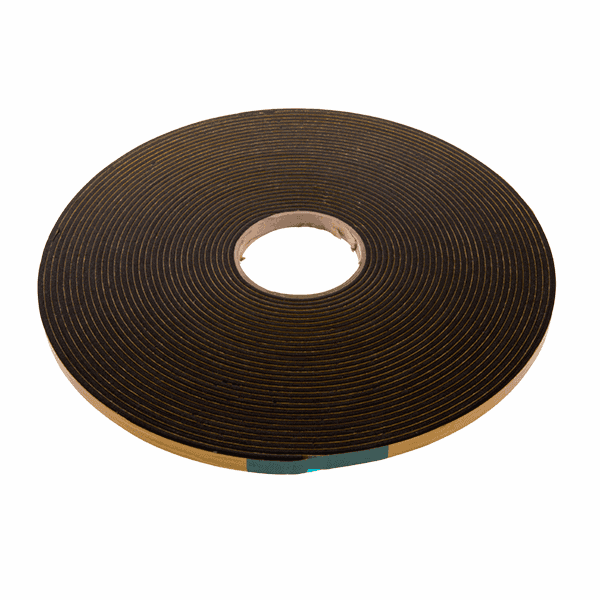
- Structural Glazing Tape - 20mm
- Security Glazing Tape
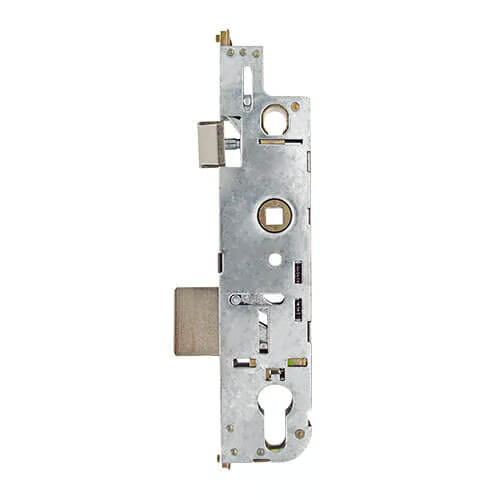
- Multipoint Gearbox GU Old Style
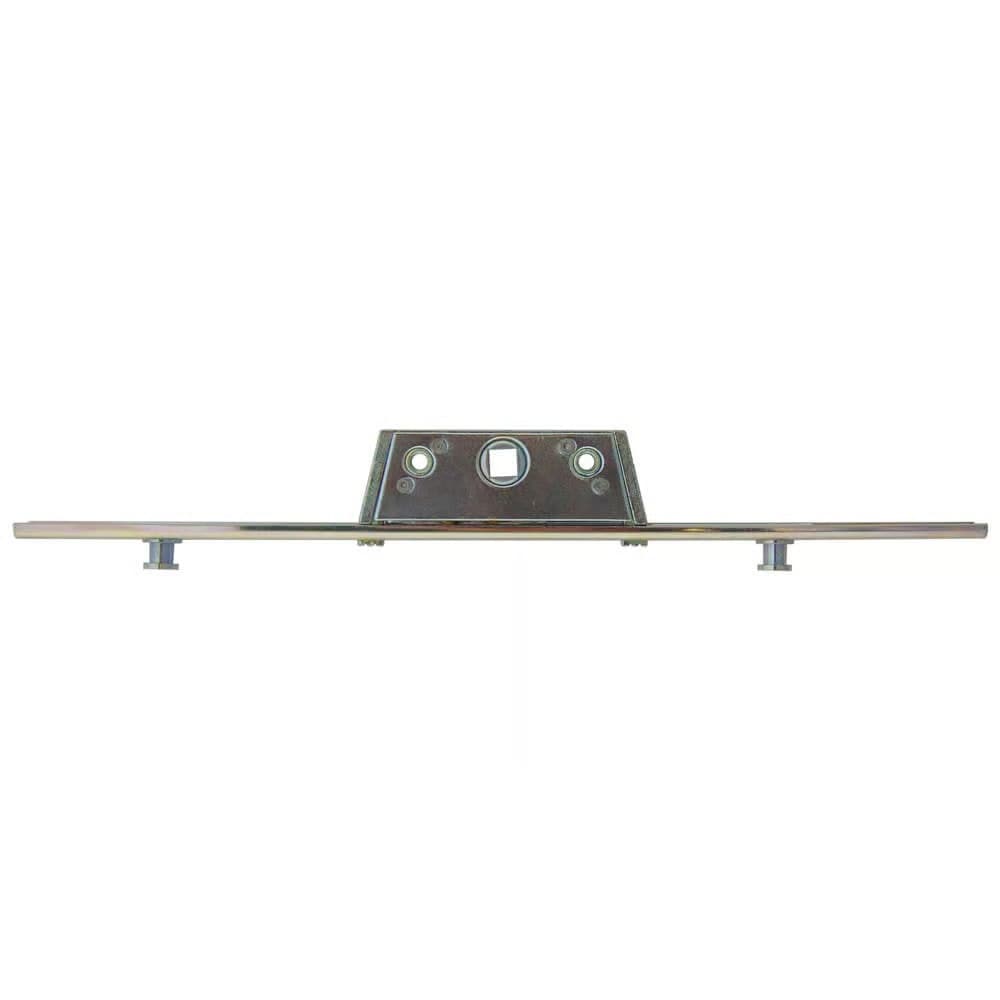
- In-Line Window Mechanism
- Offset Window Mechanism
Conclusion and next steps
If your cat will not use the cat flap start with a simple inspection of alignment, tension and seals, then try behaviour-based training using positive reinforcement. For mechanical problems follow the servicing tips above; for structural or glazing work consult a trade professional. If you need parts, professional installation or tailored advice for uPVC, composite or glazed installations contact Window Hardware Store or visit /guides/pet-flaps for product recommendations and fitting guides.

Related articles
Rented Property Cat Flap Options: What Landlords Need to Know
Rented Property Cat Flap Options: What Landlords Need to Know Installing a cat flap in a rented property can improve tenant satisfaction but it raises ques...
Replacing uPVC Door Panels with Cat Flap Panels: A Cleaner Solution
Replacing a uPVC door panel with a purpose-made cat flap panel is a practical way to give pets easier access while keeping the rest of the door intact. Whe...
Dog Flap Insulation: Preventing Heat Loss Through Larger Pet Doors
Dog Flap Insulation: Preventing Heat Loss Through Larger Pet Doors Large dog flaps are convenient for owners and pets, but they create a significant therma...