
Why Won't My uPVC Door Lock? Common Problems and Solutions
Why Won't My uPVC Door Lock? Common Problems and Solutions When a upvc door lock refuses to operate correctly it is frustrating for homeowners and trade pr...
Why Won't My uPVC Door Lock? Common Problems and Solutions
When a upvc door lock refuses to operate correctly it is frustrating for homeowners and trade professionals alike. uPVC doors typically use multipoint mechanisms, euro cylinders and a combination of rollers, hooks and deadbolts; failure can be caused by simple alignment issues, wear, or a damaged internal component. This article explains common faults, how to diagnose them and practical repair or replacement options you can follow safely.
Common symptoms and what they mean
Recognising the symptom will guide the right fix. Typical issues include:
- Handle won’t lift or is loose: often a spindle or grub screw problem, or a stripped gearbox.
- Handle lifts but lock won’t engage: multipoint cams or gearbox failure; locking points not moving into the keeps.
- Key won’t turn or is stiff: cylinder problem, debris, lack of lubrication or anti-snap damage.
- Door won’t close or lock: misaligned keeps, swollen seals, or hinge wear causing the door to be out of square.
- Lock only partially engages: worn keeps, incorrect striker alignment, or failing rollers/hooks.
Basic DIY checks before you start
Carry out these quick checks safely before dismantling any hardware:
- Operate the handle up and down and notice whether all locking points move; note which do not.
- Check the euro cylinder: is the key fully inserted? Any visible damage or signs of snapping?
- Inspect the door closes freely without dragging on the frame and that weather seals are not pinched.
- Tighten loose handle screws and check the grub screw that holds the handle to the spindle; a loose grub screw often causes slipping.
- Look at the striker keeps on the frame: are the rollers and bolts lining up with the keeps?
Lubrication and cleaning: the first fix
Stiff mechanisms are frequently caused by dirt, old lubricant or corrosion. Recommended lubricants and methods:
- Use a graphite powder or PTFE dry spray in the euro cylinder; avoid oil-based sprays that attract grit.
- Silicone spray is suitable for uPVC seals and keeps; it won’t degrade the gasket material.
- For the multipoint gearbox and faceplate, use a light, specialist lock lubricant; spray into the mechanism where accessible.
- Clean visible dirt from keeps and striker plates with a soft brush and a mild detergent; flush out grit then re-lubricate.
Addressing alignment and hinge problems
Many lock faults are caused by the door being out of alignment rather than the lock itself. Trade tips:
- Adjust hinge plates: most uPVC doors have adjustable hinges allowing you to alter height, lateral and compression; use the correct Allen key or screwdriver to move the door until the bolts align with keeps.
- Check the adjustable keeps on the frame; some have multiple screw positions to fine-tune the striker position.
- If weather seals or thresholds have swollen, relieve pressure by trimming or adjusting the seal; excessive compression prevents full bolt engagement.
When the handle works but the lock does not
If the handle operation does not translate into bolt movement, the issue is likely inside the gearbox or follower. Steps to diagnose and fix:
- Remove handles and the lock case faceplate to inspect the spindle and gearbox; note the orientation and position of parts for reassembly.
- Look for a stripped follower or broken gearbox teeth; these show as rounded or missing teeth and will require gearbox replacement.
- For trade replacements order the correct length multipoint gearbox and faceplate; note the backset, overall case length and the centre case size to ensure compatibility.
- Fit a new gearbox following manufacturer instructions; test the handle and key operation before replacing trims.
Key won’t turn: cylinder faults and anti-snap
Problems with the euro cylinder are common. Actions:
- Try graphite powder first. If the key still won’t turn, withdraw the cylinder from the door to inspect it; remove the retaining screw with the door closed and pull the cylinder out while turning the key to the 10–2 position if necessary.
- Check for signs of snapping or drilling; if the cylinder has been attacked replace it immediately with a TS007 3-star rated anti-snap cylinder for security.
- Measure cylinder length before ordering a replacement: dimension A:B from the centre screw to each end; an incorrect length will protrude and can compromise security.
When to replace the multipoint lock
Replacement is required when mechanical wear or damage is beyond simple fixes. Indicators include:
- Multiple locking points not engaging despite correct alignment and lubrication.
- Stripped gearbox or broken cams and hooks visible on inspection.
- Repeated cylinder failure due to a damaged gearbox allowing cylinder movement.
Order a direct replacement by matching the lock type: euro case size, faceplate height, backset and gear centre distance. If unsure, photograph the old lock and send to a supplier or contact a locksmith for exact match and fitment.
Safety and professional help
If there is evidence of forced entry or damage to the cylinder you should contact a locksmith immediately. For complicated gearbox replacements, hinge adjustments on heavy doors, or when the door fit affects thermal or fire performance, engage a competent tradesperson. Certified installers can also advise on upgrading security to meet insurance requirements.
Recommended Products
Based on this article, you may find these products helpful:
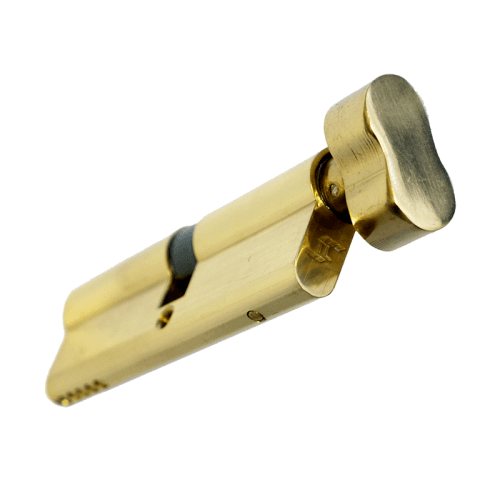
- TL Thumb Turn Euro Cylinder
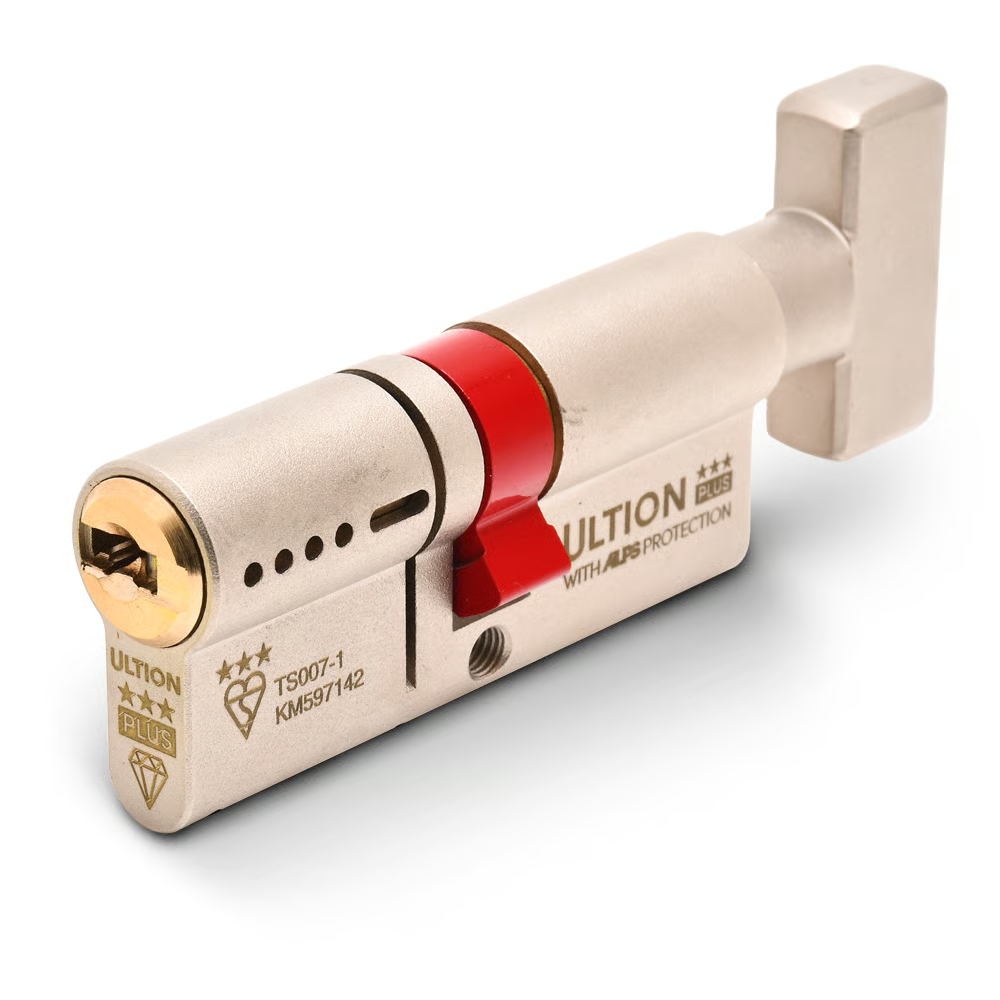
- Ultion Plus TS007 3* Kitemarked Euro Key & Turn Cylinder
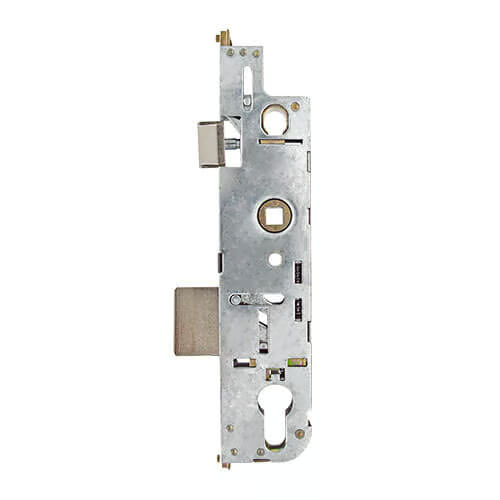
- Multipoint Gearbox GU Old Style
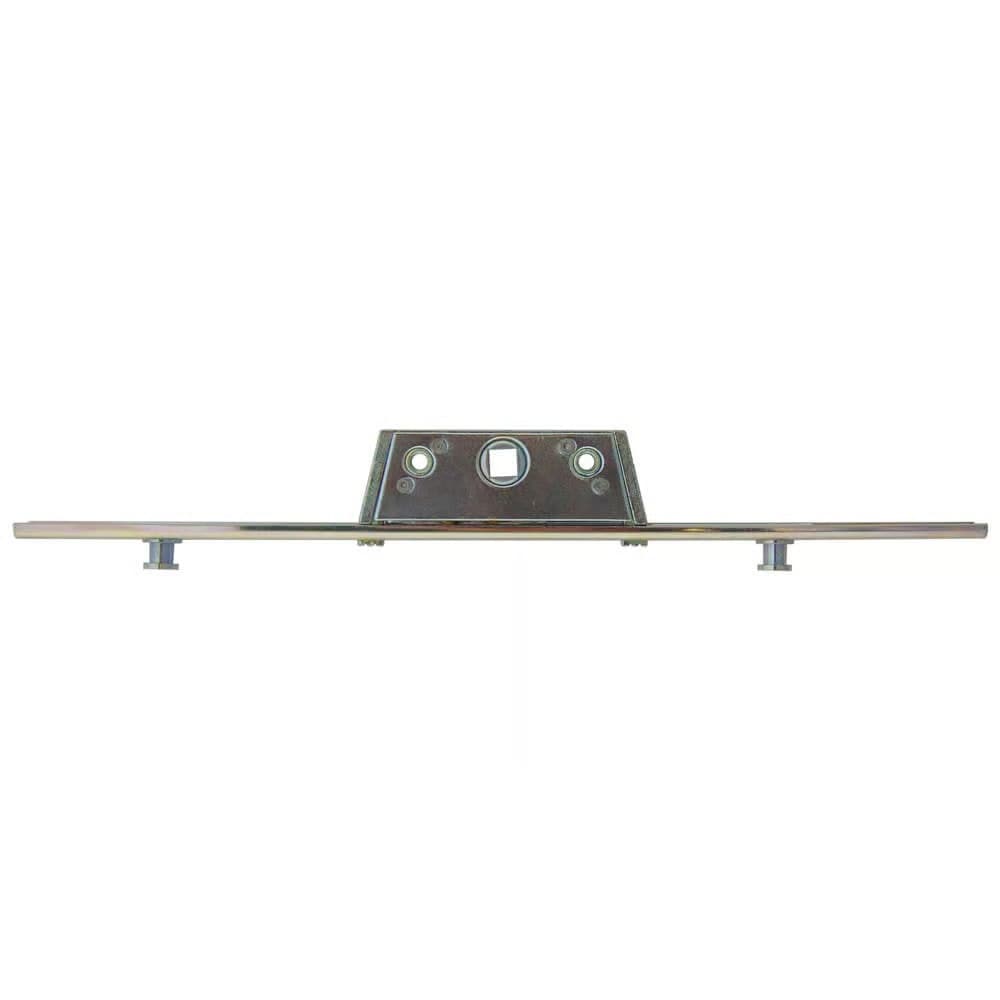
- In-Line Window Mechanism
- Offset Window Mechanism
Conclusion and next steps
A dysfunctional upvc door lock is often resolved by simple checks: visual inspection, lubrication with appropriate products, and hinge or keep adjustments. If the handle moves but locks do not, inspect the gearbox; if the key won’t turn, check the cylinder and consider an anti-snap upgrade. For replacement parts consult manufacturers’ measurements or contact a supplier. For further technical reading and part selection visit our pillar page: /guides/door-locks.
Next steps: try the basic checks and lubrication first; if faults persist photograph the lock and contact a trade supplier or locksmith with the measurements noted for an accurate replacement solution.

Related articles
uPVC Door Lock Maintenance: Keep Your Lock Working Smoothly
uPVC Door Lock Maintenance: Keep Your Lock Working Smoothly A well maintained upvc door lock reduces call-outs, keeps a property secure and extends the lif...
Hook Lock Sizes and Compatibility: Matching Your Existing Lock
Hook Lock Sizes and Compatibility: Matching Your Existing Lock Replacing a hook lock can be straightforward if you know what to measure and what to check f...
Replacing Individual Hook Locks vs Full Multipoint Mechanism
Replacing Individual Hook Locks vs Full Multipoint Mechanism Deciding whether to replace a single hook lock or the entire multipoint mechanism is a common ...