
Best Cable Window Restrictors for uPVC Windows
Best Cable Window Restrictors for uPVC Windows Why choose a cable window restrictor for uPVC? Cable window restrictors are a popular option for uPVC window...
Best Cable Window Restrictors for uPVC Windows
Why choose a cable window restrictor for uPVC?
Cable window restrictors are a popular option for uPVC windows because they combine security, child safety and ventilation control while remaining discreet. For casement and tilt-and-turn uPVC units a cable restrictor limits how far the sash can open, reducing the risk of falls from height; for ground-floor windows they provide a secondary deterrent against opportunist entry. They are easy to retrofit and, when specified correctly, will not interfere with the window mechanism or void warranties.
Key features to look for
- Material: 304 or 316 stainless steel cable for corrosion resistance; 316 is better for coastal locations.
- Cable diameter: typically 3mm or 4mm; thicker cables offer more strength but need larger anchor plates.
- Locking type: keyed lock, push-button quick release, or breakable ‘emergency release’ models; choose based on escape requirements.
- Fixing method: face-fix plates or concealed fixings; face-fix is easier to install on uPVC frames.
- Length and adjustment: adjustable or pre-cut lengths to suit shallow or wide openings; ensure cable is long enough to limit opening to the desired distance.
- Rated load: look for products with breaking strain specified in Newtons or kilograms; for domestic safety a modest rating is usually fine but tradespeople should match rating to risk.
Types and when to use them
There are three common types of cable window restrictor and each suits different situations:
- Key-lock cable restrictors: provide the highest level of security and are suitable where preventing access is the priority; however, they may impede escape in an emergency unless a key is readily available.
- Push-button quick-release restrictors: the button allows rapid release from the inside without a key; ideal for bedrooms and rooms where night-time escape might be required.
- Breakaway or emergency-release restrictors: designed to release when a specified load is applied; useful where escape without a key is essential, but they will need replacement after activation.
Practical trade advice for selection and specification
When specifying cable restrictors for uPVC windows, consider the following trade-focused points:
- Fix into reinforcement where possible: many uPVC frames contain galvanised steel reinforcement. Fixing into the steel or to the surrounding substrate increases pull-out strength. If you cannot reach reinforcement, use appropriate frame screws designed for uPVC.
- Screw length and type: typically use 4.0 to 4.8mm diameter screws with 25–35mm penetration into the frame; self-tapping uPVC screws are common. Avoid overly long screws that could contact glass or damage seals.
- Placement: mount restrictors on the frame and sash so the cable stops the sash opening at the required width, usually 100–150mm for child safety. Position plates clear of the gasket and away from hinge hardware.
- Compatibility with hardware: ensure restrictor plates do not interfere with espagnolette handles or friction stays. For tilt-and-turn sashes allow full tilt function if required by mounting on the edge opposite the tilt mechanism.
- Testing and certification: if installing in multiple-occupancy buildings or schools check relevant regulations; for domestic installations ensure mechanisms allow escape without special tools if bedrooms are affected.
Step-by-step DIY installation
For competent DIYers, installing a cable restrictor on a uPVC casement is straightforward. Follow the manufacturer’s instructions and observe health and safety rules. Typical steps:
- Tools and materials: tape measure, pencil, spirit level, drill, 2.5–3mm drill bits for pilot holes, appropriate driver bits, screwdriver or impact driver with torque control, the restrictor kit and screws supplied.
- Measure and mark: with the window closed mark the desired restrictor position on the sash and frame ensuring the cable will stop the sash at the required opening width.
- Check behind the frame: avoid drill locations that hit glass, seals or handle mechanisms. If possible, confirm position of any internal reinforcement.
- Drill pilot holes: use a low-speed drill to avoid melting uPVC; keep drill perpendicular. Use pilot holes for the screws to prevent cracking the profile.
- Fix plates: attach the sash and frame plates securely with the screws provided; tighten to snug but avoid overtightening which can strip uPVC threads. Use a torque-limited driver if available.
- Adjust and test: set cable length or stop position; open the window to confirm the restrictor limits opening correctly and does not foul other hardware. Test locking and release functions multiple times.
Maintenance and safety checks
Regular maintenance keeps restrictors working reliably:
- Inspect every 6–12 months for cable fraying, corrosion, loose screws or worn locking parts.
- Lubricate lock barrels and moving parts with a graphite or silicone-based lubricant; avoid oil that can attract dust.
- Replace any damaged restrictor immediately; never repair a frayed cable with tape.
- Ensure keys are stored where household members can access them quickly; for rooms used as bedrooms prefer quick-release options to comply with escape considerations.
Choosing the right product
For general domestic use on uPVC casement windows a 3mm stainless steel cable restrictor with a push-button quick release is a versatile choice. For coastal properties upgrade to 316 stainless steel. Where security against entry is paramount use a keyed restrictor but consider an internal quick-release override or keep a key available for each bedroom. For flats at height or homes with young children set restrictors to limit openings to around 100mm and ensure compliance with any relevant building regulation for means of escape.
Recommended Products
Based on this article, you may find these products helpful:
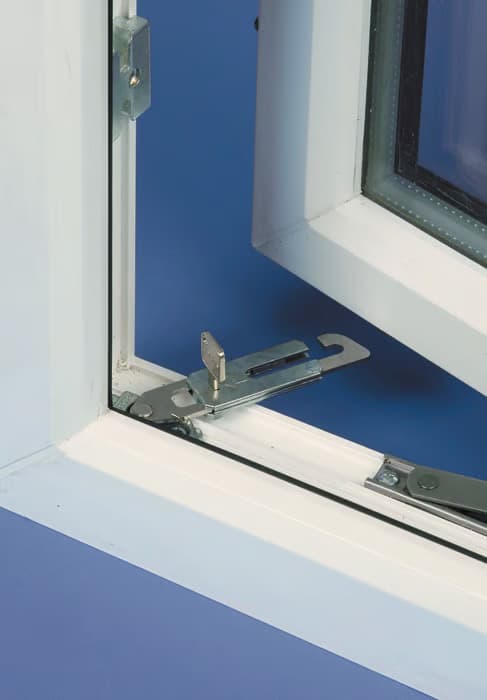
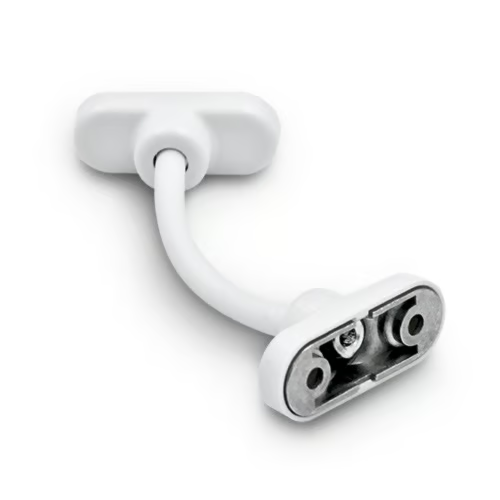
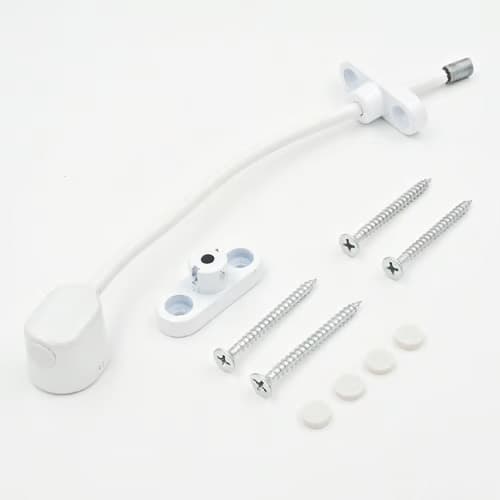
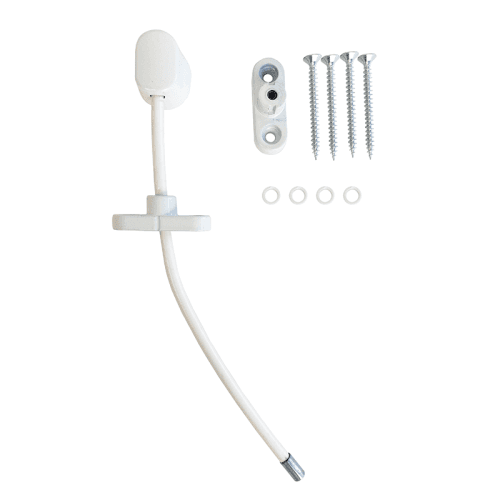
- UAP Keyless Window Restrictor
- TSS Keyless Cable Window Restrictor
- TSS Fixed Cable Window Restrictor
- RES Lock Concealed Window Restricto
- Top Hung Friction Stay - 12"
Conclusion and next steps
Cable window restrictors provide a balance of safety, security and ventilation for uPVC windows when selected and fitted correctly. Trade professionals should specify fixings and ratings appropriate to the installation; DIYers can fit most kits safely by following manufacturer instructions and observing the practical tips above. For further technical detail and product comparisons visit our pillar page: /guides/window-locks-restrictors, or contact our trade counter for advice on specific restrictor models and fitting kits. If you are unsure about compliance or escape requirements for bedrooms then arrange a site survey with a qualified installer.
Related articles
Window Restrictors
What Is a Cable Window Restrictor? How They Work
What Is a Cable Window Restrictor? How They Work A cable window restrictor is a simple mechanical device fitted to a window to limit how far it can open. I...
Cable Window Restrictor Safety Features Explained
Cable Window Restrictor Safety Features Explained What a cable window restrictor does and where it is used A cable window restrictor is a safety device fit...