
Best Friction Hinges for Casement Windows: Trade Picks
Best Friction Hinges for Casement Windows: Trade Picks Choosing the right friction hinge for casement windows affects operation, security and long-term rel...
Best Friction Hinges for Casement Windows: Trade Picks
Choosing the right friction hinge for casement windows affects operation, security and long-term reliability. Whether you are a homeowner carrying out a DIY replacement or a trade professional specifying components for new-builds and refurbishments, this post covers the practical options, selection criteria and fitting tips to ensure smooth, safe performance.
What is a friction hinge and why it matters
A friction hinge is a mechanical hinge that provides resistance to movement so a casement sash stays in a chosen open position without extra stays or props. The resistance is created by a friction cam or adjustable shoe. Proper friction hinges give controlled opening for ventilation; they reduce wind-slam; and they can assist with security when combined with a multipoint lock. For tall or heavy sashes, the correct hinge type and number are essential for long service life.
Trade picks: hinge types and where to use them
- Standard adjustable stainless-steel friction hinges: Best for general timber casements and aluminium frames; available in lengths such as 160mm, 200mm and 300mm. Pros: durable, corrosion resistant; cons: may be over-specified for small, lightweight windows.
- Heavy-duty friction hinges: Designed for large or heavy sashes and commercial installations; higher load ratings and thicker profiles. Use when sash weight exceeds standard hinge capacity or for tall windows that require three or more hinges.
- Coastal/corrosion resistant finishes: For seaside properties choose hinges with high corrosion protection; look for stainless grades or enhanced plating and reference to BS EN 1670 performance classes.
- Restricted opening friction hinges: Incorporate a restrictor mechanism to limit opening for child safety and security; suitable for ground-floor and balcony windows where safety is required.
- Concealed/low-profile friction hinges: For modern flush casements and aluminium systems where sightlines matter; check compatibility with the frame system and ensure sufficient torque for sash weight.
Selecting the correct friction hinge: practical criteria
- Sash weight and size: Always work from the sash weight to select hinge rated load. As a rule of thumb: small windows up to 1.3m high can often use two hinges; medium windows 1.3–1.7m should use three hinges; over 1.7m consider four. Confirm with manufacturer load charts.
- Hinge length: Common lengths (160mm, 200mm, 240mm, 300mm) affect leverage and appearance; longer arms distribute load better on larger sashes.
- Material and finish: Stainless steel for longevity; coated or anodised finishes where visual match is important. For coastal sites seek higher corrosion class to BS EN 1670.
- Adjustment and maintenance: Choose hinges with accessible adjustment screws so friction can be tuned on-site; this helps trade installers fine-tune operation after glazing and painting.
- Compatibility: Check backset and face-fix options and ensure hinge geometry suits the frame profile; confirm fixings and hole centres match existing frames if replacing hinges.
Installation tips: trade and DIY guidance
Correct installation is as important as hinge selection. Follow these practical steps to avoid common problems:
- Measure sash weight and dimensions first; plan the number and placement of hinges accordingly.
- Work with the frame square and plumb; a twist in the frame will cause binding and premature wear.
- Use the correct screws: stainless steel screws for stainless hinges; screw length should penetrate the frame by at least 20–30mm into solid timber or through into a reinforcement for aluminium frames.
- Pre-drill pilot holes to avoid splitting timber and to ensure accurate screw alignment. Countersink where required to sit hinge flush.
- Adjust friction gradually: make small adjustments and test the sash with the expected load conditions. Avoid over-tightening, which can make operation jerky and increase wear.
- Do not liberally lubricate the friction surfaces: light machine oil or specialist hinge lubricant on pivot points is acceptable; heavy grease can reduce friction and defeat the hinge function.
- When replacing hinges, keep a record of hinge make and size; taking photos before removal helps ensure correct reassembly.
Maintenance and common faults
Regular inspection extends hinge life and ensures safe operation:
- Check for play or lateral movement at least annually; excessive movement usually indicates wear and the hinge should be replaced rather than repeatedly tightened.
- Clean salt deposits and grit from coastal installations; a mild detergent rinse and light lubrication will help prevent corrosion.
- Listen for grinding or creaking; this can be a sign of worn bearings or contamination in the friction mechanism.
- If a sash sags: verify fixings are secure and that the correct hinge count and size are installed. A sagging sash typically needs larger hinges or an extra hinge added to redistribute load.
Compliance and specifying for projects
For commercial or multiple-unit work check manufacturer test data and conformity to relevant standards; look for performance claims and corrosion class to BS EN 1670. For building-control queries or means-of-escape windows check with the project specifier or local authority to ensure hinges meet any required egress or safety functions. Keep records of product codes and test certificates for larger contracts.
Recommended Products
Based on this article, you may find these products helpful:
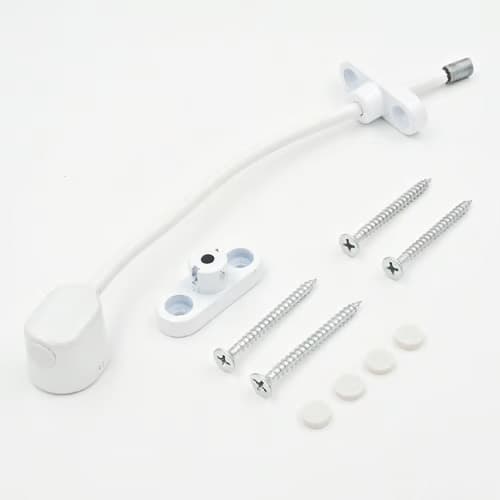
- UAP Keyless Window Restrictor
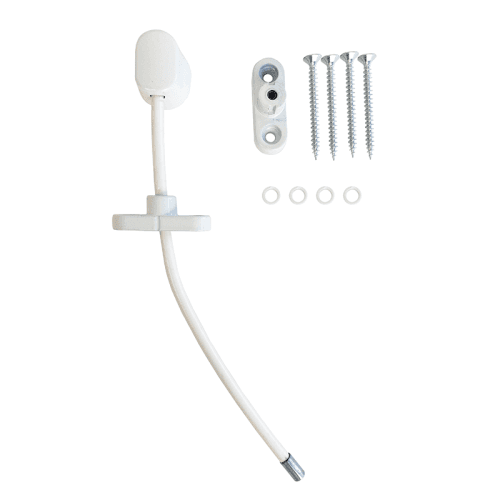
- TSS Keyless Cable Window Restrictor
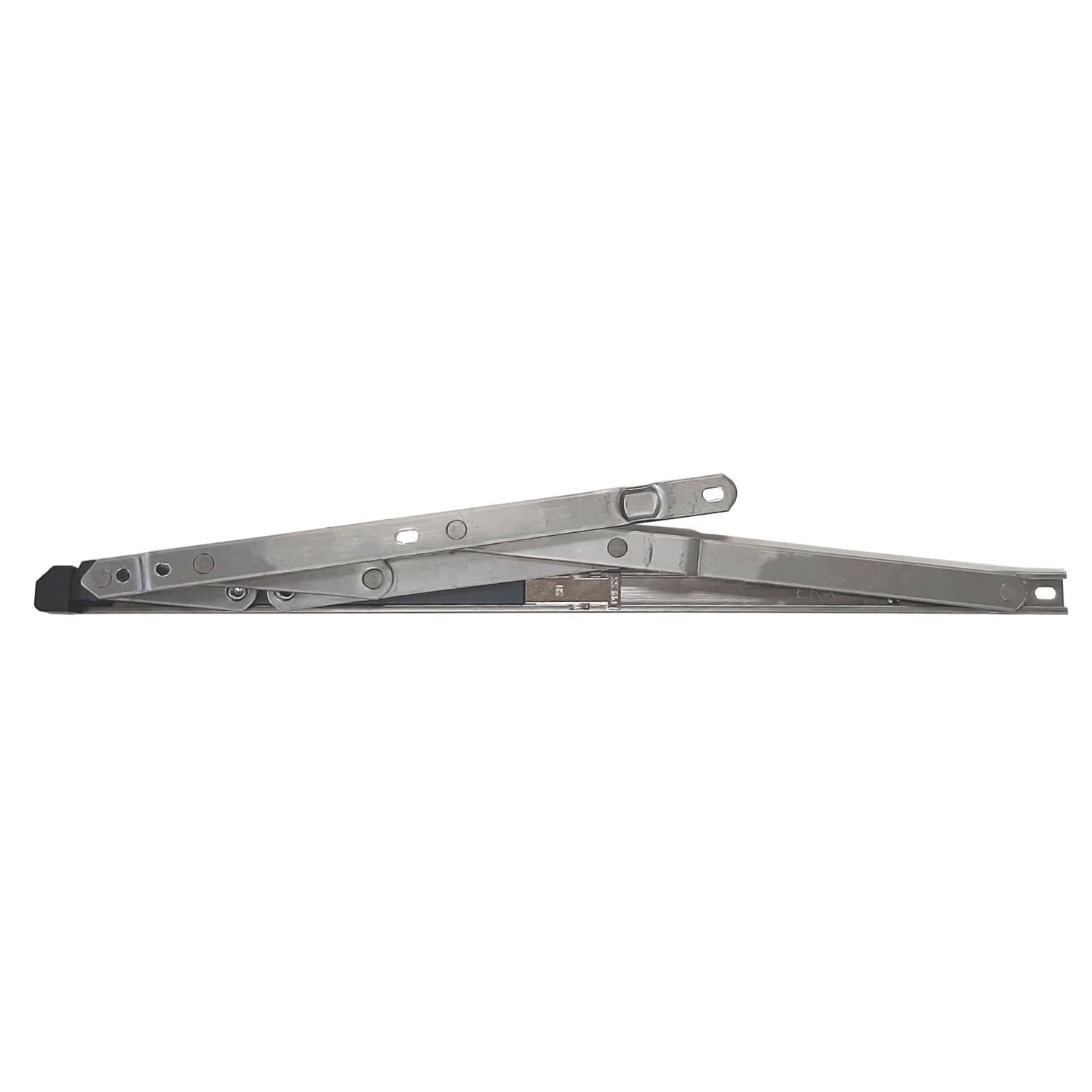
- Restricted Friction Stay Hinges
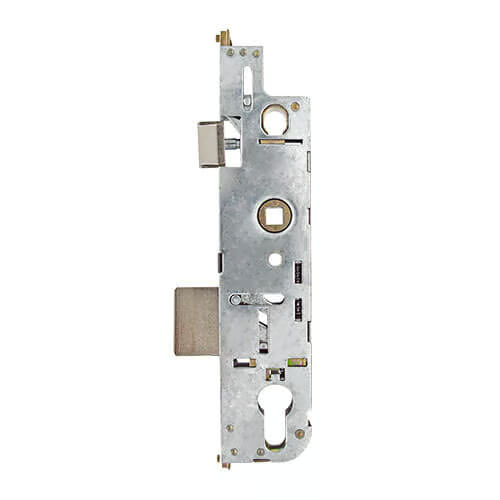
- Multipoint Gearbox GU Old Style
- In-Line Window Mechanism
Conclusion and next steps
Selecting the right friction hinge depends on sash weight, opening requirements and site conditions. Trade professionals should specify hinges with the correct load rating, corrosion resistance and adjustment range; DIYers can replace like-for-like using the steps above but should always verify screw types and pilot-hole practice. For more on hinge types and matching hardware see our pillar page: /guides/window-hinges. If you need product recommendations for a specific window, share sash dimensions, weight and location and we can suggest suitable trade-grade friction hinges and fixings.
Related articles
Period Window Stays: Heritage Options for Older Properties
Period Window Stays: Heritage Options for Older Properties Older properties often require hardware that respects traditional appearance while providing mod...
Replacing Old Window Stays: Finding Matching Hardware
Replacing an old window stay can restore functionality, security and appearance to a worn casement. Whether you are a joiner, a glazing contractor or a dil...
How to Replace Friction Hinges on uPVC Windows
How to Replace Friction Hinges on uPVC Windows Overview Friction hinges are the most common operating mechanism on uPVC casement windows in the UK. They al...