
Best Sash Window Locks for Victorian and Georgian Windows
Best Sash Window Locks for Victorian and Georgian Windows Why the right sash window lock matters for period properties Victorian and Georgian sash windows ...
Best Sash Window Locks for Victorian and Georgian Windows
Why the right sash window lock matters for period properties
Victorian and Georgian sash windows are a defining feature of many UK homes. They are usually timber, vertically sliding and fitted with traditional meeting rails and weight-and-pulley systems. Choosing the correct sash window lock is important for three reasons: security, usability and conservation. A lock that is too invasive can damage historic fabric; one that is underspecified will not provide adequate protection; and poorly fitted hardware will restrict operation and cause wear. Trade professionals and confident DIYers need to balance authenticity with modern security standards.
Common types of sash window locks and where to use them
Not every sash window needs the same solution. Consider how the window is used, the condition of the frame and whether you want a reversible, historically sympathetic fix or a high-security retrofit.
- Surface-mounted sash fasteners (traditional sash lock): A compact, two-part catch fitted to the meeting rail; one part is a cam or hook on the top sash and the keep on the bottom sash. Benefits: period-appropriate looks; easy to fit; minimal routing required. Best where timber is sound and you want an authentic finish.
- Keyed sash locks: Similar to a sash fastener but with a key cylinder for extra security. Useful on ground-floor windows or where occupier confidence is needed. Choose cylinders that are replaceable so locks can be re-keyed without full replacement.
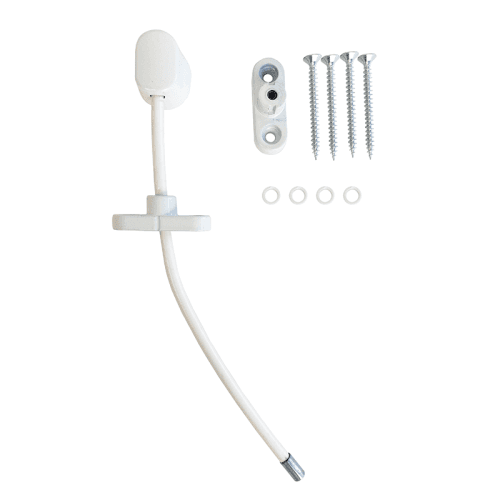
- Sash restrictors / stays: Designed to limit opening to a few inches for ventilation and child safety; can be cable or friction-style. Ideal where safety is a priority and you want controlled ventilation; ensure they allow the sash to be fully opened by an adult for cleaning if required.
- Sash jammers: Small devices that clamp the lower sash to the sill; quick to operate and provide strong resistance to forced entry. They are surface-mounted and very popular in retrofit situations where minimal alteration is desired.
- Night vent locks: Allow the sash to be secured in a slightly open position. Useful if occupants want secure night-time ventilation without leaving the window fully closed.
- Multipoint and specialist locks: For timber or UPVC sash windows that have been refurbished or replaced, there are multipoint locking systems that engage at several points of the meeting rail for improved security. These often need more substantial routing and are better suited to trade installation.
Materials, finishes and conservation considerations
For Victorian and Georgian properties, hardware finish and material matter for appearance and longevity. Solid brass or bronze with lacquer or lacquer-free patina are common for authenticity. Stainless steel fasteners are better for corrosion resistance but look more modern. Where conservation is a priority, prefer surface-mounted options that can be reversed later; avoid heavy morticing and irreversible alterations to original timber where possible. If the window is listed, check with the conservation officer before making changes.
Installation: practical trade and DIY advice
Good installation is as important as the product chosen. Follow these practical steps to avoid common problems:
- Survey first: Check sash alignment, meeting-rail fit and whether the lower sash sits tight to the upper sash when closed. Look for rotten timber and loose paint which will affect fixings.
- Choose the right fixings: Use stainless steel or brass screws to avoid staining timber; pick screw length to bite well into solid timber without protruding. For thin meeting rails consider using discreet back-plates or longer screws into the stile instead.
- Mark carefully: With both sashes in the closed position, mark the lock and keep positions, then test-run the mechanism without final fixing. Use a centre punch or small pilot drill to reduce splitting.
- Pilot holes and countersinking: Always pilot-hole timber screws; countersink where necessary so the hardware sits flush and paint build-up does not prevent correct seating.
- Keep weather and draughts in mind: If adding a restrictor or jammer, ensure it does not lift the sash or create a gap causing draughts. Adjust sash cords and weights if the sash is hard to slide after fitting.
- Test and adjust: Operate the window through its full travel; locking mechanisms should engage smoothly without forcing. If binding occurs, remove a small amount of paint or shave the timber; do not force screws into distorted positions.
Security specifications and practical trade tips
For trade clients fitting secondary security, recommend products that have independent test evidence where possible: look for classification to relevant standards and corrosion-resistant finishes to match coastal installations. Combine a sash lock with simple upgrades for better security: fit laminated glass or secondary glazing; secure accessible leadgates and frames with additional screws; and ensure all ground-floor sashes have at least one keyed fix. Record which keys are provided and keep a register for clients.
Maintenance and troubleshooting
Longevity of sash window locks depends on routine maintenance. Lubricate moving parts with light machine oil or a dry silicone spray annually; avoid thick greases that attract dirt. Tighten fixings and replace worn screws with the same material to prevent staining. If a sash becomes difficult to open after fitting a lock, check that the keep is not proud; a small rebate or shim may be necessary. For windows with weight-and-pulley systems, check cords and pulleys at the same time; a failing sash cord will put extra stress on new locks.
Recommended Products
Based on this article, you may find these products helpful:
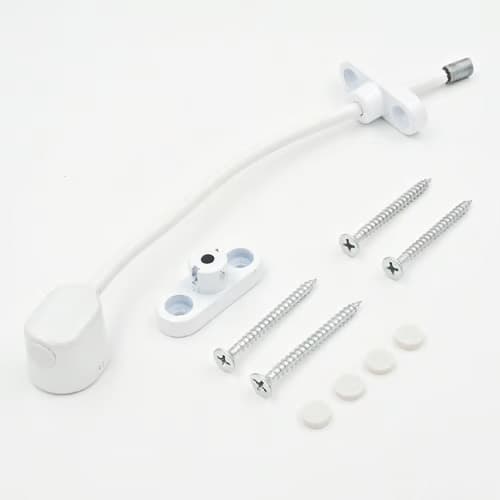
- UAP Keyless Window Restrictor
- TSS Keyless Cable Window Restrictor
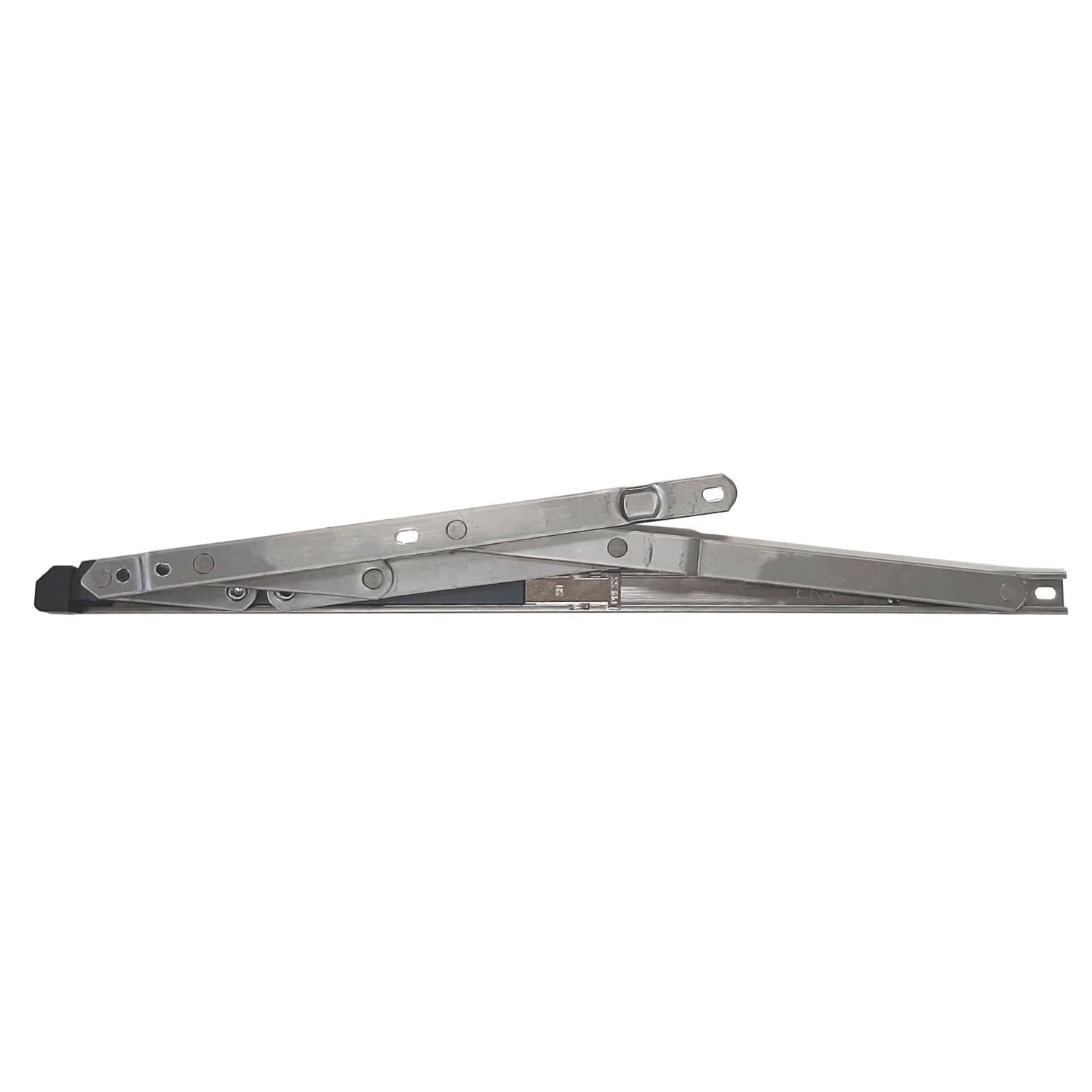
- Restricted Friction Stay Hinges
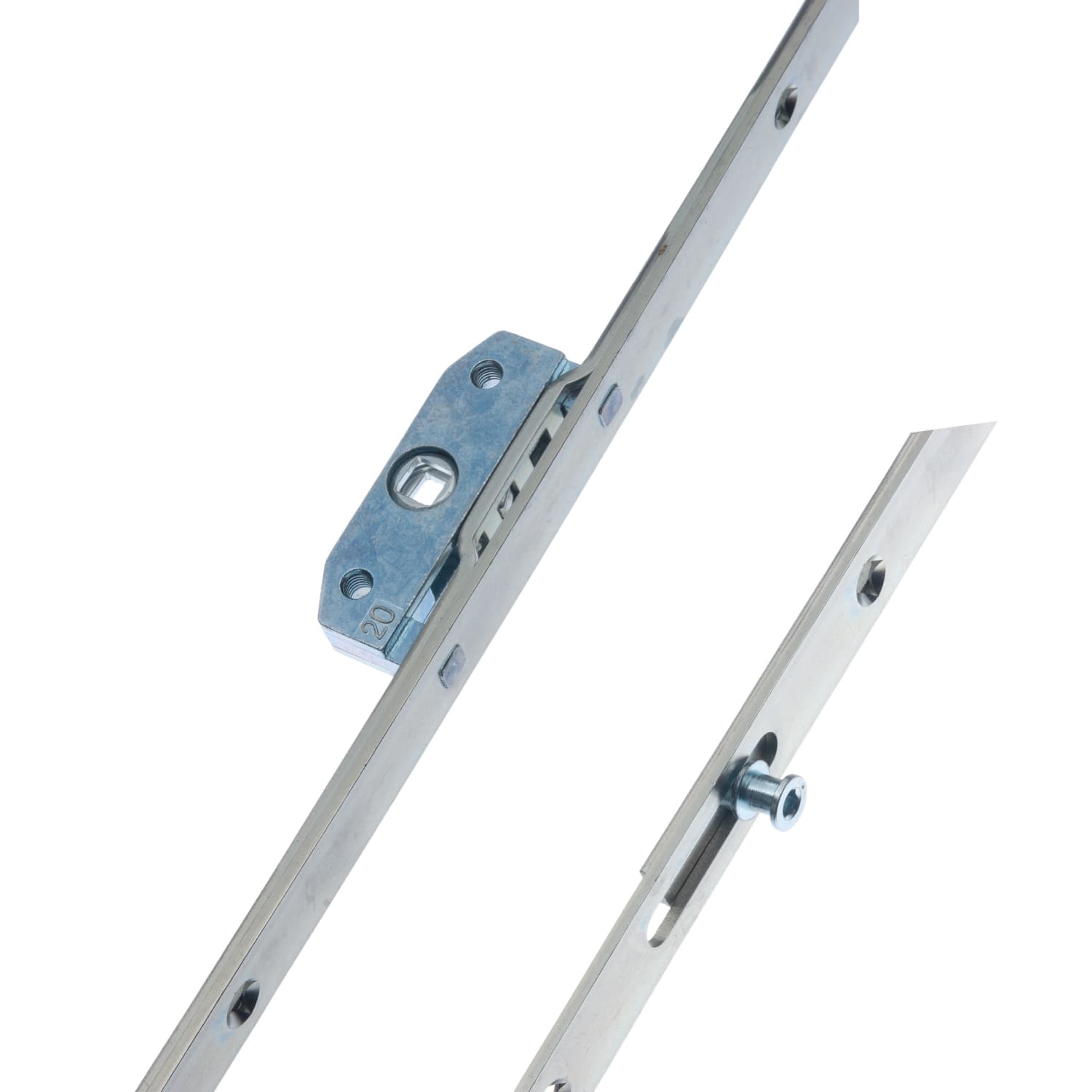
- ERAB Espagnolette Window Lock Universal Lock Replacement
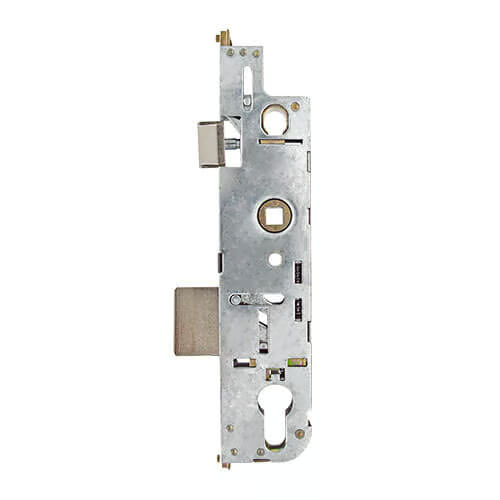
- Multipoint Gearbox GU Old Style
Conclusion and next steps
Choosing the right sash window lock for Victorian and Georgian windows requires balancing period-appropriate appearance, security and the existing window condition. For reversible, sympathetic work choose surface-mounted sash fasteners or jammers; for higher security, specify keyed locks and consider multipoint systems where the frame allows modification. For professional advice on suitable products and installation methods see our detailed guidance on window locks and restrictors: /guides/window-locks-restrictors. If you are a trade customer or a DIY homeowner needing help with measurements, fitting kits or matching period finishes, contact our technical team for tailored recommendations.
Related articles
Window Restrictors
What Is a Cable Window Restrictor? How They Work
What Is a Cable Window Restrictor? How They Work A cable window restrictor is a simple mechanical device fitted to a window to limit how far it can open. I...
Cable Window Restrictor Safety Features Explained
Cable Window Restrictor Safety Features Explained What a cable window restrictor does and where it is used A cable window restrictor is a safety device fit...