
Cable Window Restrictor Key Replacement Guide
Cable Window Restrictor Key Replacement Guide Cable window restrictors are a common safety accessory fitted to many residential and commercial windows. The...
Cable Window Restrictor Key Replacement Guide
Cable window restrictors are a common safety accessory fitted to many residential and commercial windows. They prevent the sash from opening too far while allowing ventilation and preventing falls; however, when the key is lost or broken the restrictor can become inconvenient or even unsafe. This article explains how to identify, source and fit replacement keys and, where necessary, replace the locking cylinder so the restrictor remains safe and compliant.
What a cable window restrictor is and why the key matters
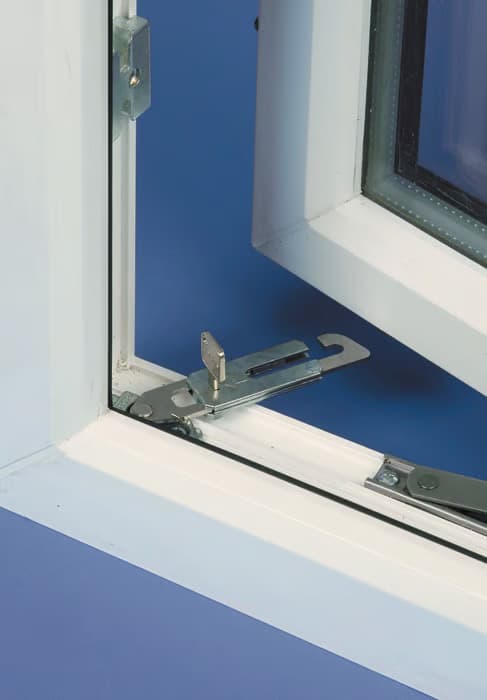
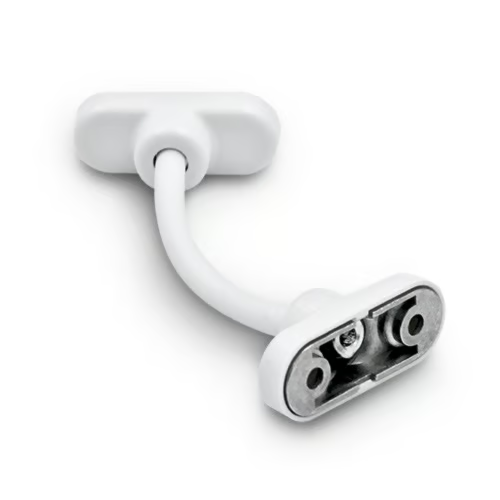
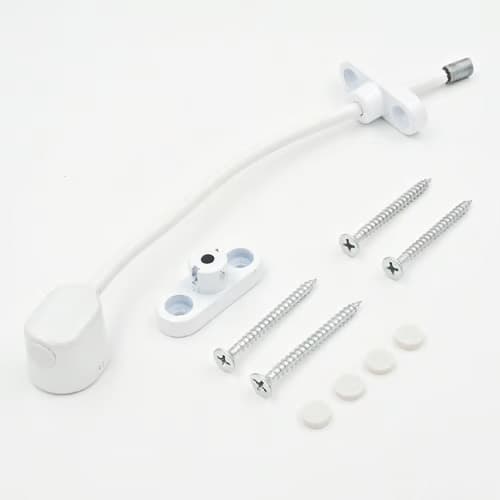
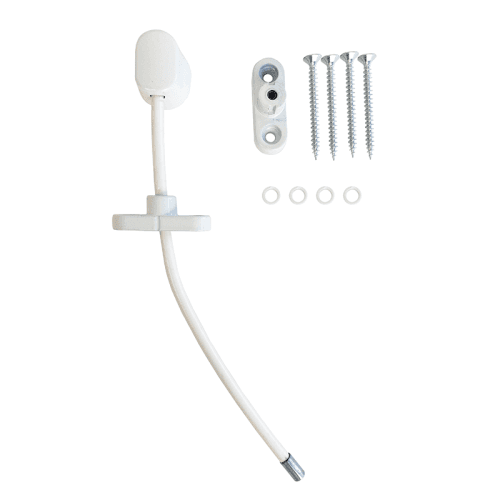
A cable window restrictor typically consists of a length of steel cable attached to two fixings: one mounted on the frame and the other on the sash. A locking mechanism or barrel connects the cable to the frame and is operated by a small key. The key may be a flat key, a tubular key or a push-in coded key. Losing access to that key can prevent controlled opening or, conversely, stop emergency egress if the wrong type of restrictor is fitted.
Identifying the restrictor and key type
Before ordering a replacement key, identify the restrictor type and locking mechanism. Take the following steps:
- Photograph the restrictor and the lock from a few angles. Note any numbers or letters stamped on the body.
- Look for a manufacturer logo or part number on the lock casing or on the cable assembly.
- Check the shape of the keyway: is it tubular, flat, or a small push-button style?
- Note whether the restrictor is keyed alike across multiple windows or appears to be a unique code.
These details help a trade supplier or locksmith match a replacement key or decide whether the locking cylinder must be replaced.
Tools and materials you will need
- Small set of screwdrivers (Pozidriv and cross-head depending on fasteners)
- Pliers and a small adjustable spanner
- Replacement key or replacement locking cylinder (order after identification)
- Torx drivers if fittings use security screws
- Marker and a camera or phone to record codes and fitment
For trade professionals: carry a stock of common blank keys, cylinder replacements and a key-cutting code list. Label stock clearly for faster on-site replacement.
Step-by-step: replacing a cable window restrictor key
The exact procedure depends on the restrictor design. The following is a generic, safe method suitable for many common systems. If the restrictor is integrated into the frame or proprietary, stop and contact the manufacturer or a locksmith.
- Secure the window: open the sash to a safe position and prop it, or ask a second person to hold it. Safety first; work from a stable internal surface where possible.
- Inspect the lock body: remove any protective cover plates by unscrewing the fixing screws. Keep screws safe for refitting.
- Locate a key code or part number: if visible, note it down and photograph it. Often the replacement key can be ordered from the manufacturer using this number.
- Try the spare key: if you have a spare key, test the mechanism to ensure the problem is the key and not a seized or damaged lock.
- If you have a replacement key, insert and gently operate the lock. Do not force a key that feels tight; withdraw and check alignment of the keyway and any debris.
- If the cylinder is damaged or you cannot obtain a matching key, remove the cylinder. This usually involves unscrewing retaining screws and pulling the cylinder free. Note the orientation and length for ordering a correct replacement cylinder.
- Fit the new key or new cylinder. Reassemble cover plates and test the restrictor through the full range of operation several times, including emergency release if fitted.
- Label and store a spare key on site or hand it to the homeowner; advise where it is kept and record any code for future replacements.
Trade advice for sourcing replacement keys and spare management
For tradespeople working on multiple properties, efficient sourcing and stock control reduce call-back visits. Practical points:
- Keep a photographic catalogue of common restrictors and keys; this speeds up on-site identification.
- Order replacement keys from the manufacturer where possible; proprietary systems often cannot be replicated accurately by generic blanks.
- Consider supply options: keyed-alike sets for multi-window installations, or master-keyed systems for maintenance contracts.
- Ask clients if they prefer a spare key kept on site, with clear labelling and guidance on safe storage; this helps in rented properties and workplaces.
- If a universal or aftermarket key is proposed, test it thoroughly before finalising the job to ensure smooth operation and minimal wear.
Safety, compliance and testing
Restricted opening devices are safety equipment; any work should preserve their function. After replacing a key or cylinder, perform these checks:
- Operate the restrictor several times; ensure the cable is not frayed and fixings are secure.
- Confirm the restrictor allows the intended opening limit and that emergency release works easily if fitted.
- Check for compliance with manufacturer instructions and, where relevant, with any applicable British Standards or building control requirements. If the window forms a means of escape, ensure the solution does not obstruct emergency egress.
- Record the work in maintenance logs for rental or communal properties; provide the homeowner with a short completion note and any spare key information.
Recommended Products
Based on this article, you may find these products helpful:
- UAP Keyless Window Restrictor
- TSS Keyless Cable Window Restrictor
- TSS Fixed Cable Window Restrictor
- RES Lock Concealed Window Restricto
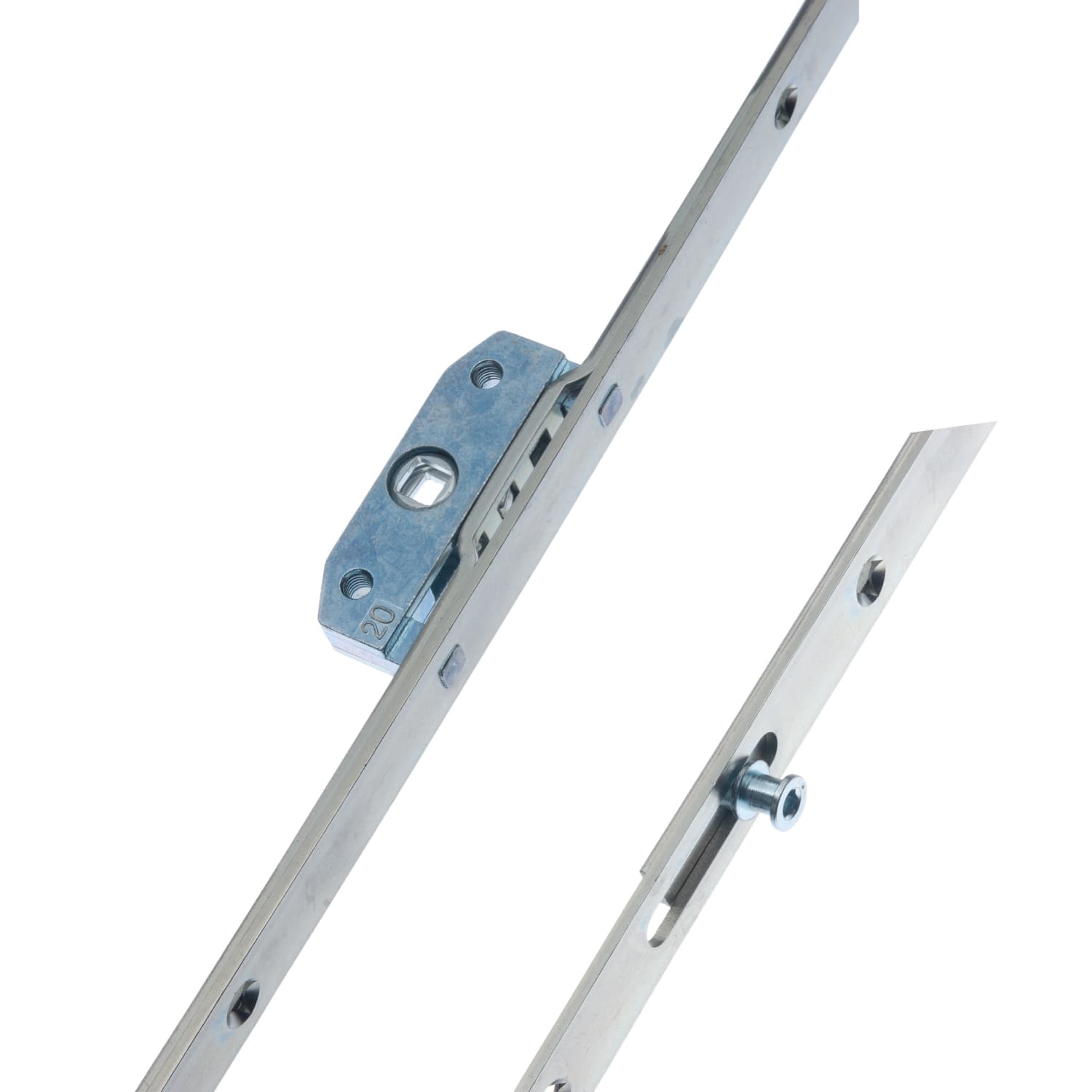
- ERAB Espagnolette Window Lock Universal Lock Replacement
Conclusion and next steps
Replacing a cable window restrictor key is often straightforward if you can identify the lock and obtain the correct replacement; where a key cannot be matched the cylinder can usually be replaced. For homeowners: record part numbers and keep a labelled spare key in a safe, accessible place. For trade professionals: maintain a small inventory of common replacement keys and cylinders and develop relationships with manufacturers for rapid supply.
Next steps: photograph the restrictor and check for part numbers now; if you need a replacement key or cylinder, contact your supplier with the photos and any markings. For technical help or to order parts, visit our pillar page for window locks and restrictors: /c/windows-restrictors.
Related articles
Window Restrictors
What Is a Cable Window Restrictor? How They Work
What Is a Cable Window Restrictor? How They Work A cable window restrictor is a simple mechanical device fitted to a window to limit how far it can open. I...
Cable Window Restrictor Safety Features Explained
Cable Window Restrictor Safety Features Explained What a cable window restrictor does and where it is used A cable window restrictor is a safety device fit...