
Cable Window Restrictor vs Key-Operated: Which Is Better?
Cable Window Restrictor vs Key-Operated: Which Is Better? Choosing the right window restrictor is a common question for installers, builders and householde...
Cable Window Restrictor vs Key-Operated: Which Is Better? Choosing the right window restrictor is a common question for installers, builders and householders. Both cable and key-operated restrictors have clear roles: they reduce the risk of falls, allow controlled ventilation and add a level of security. This post compares both types and gives practical trade and DIY advice so you can pick the correct solution for your project.
How each restrictor works
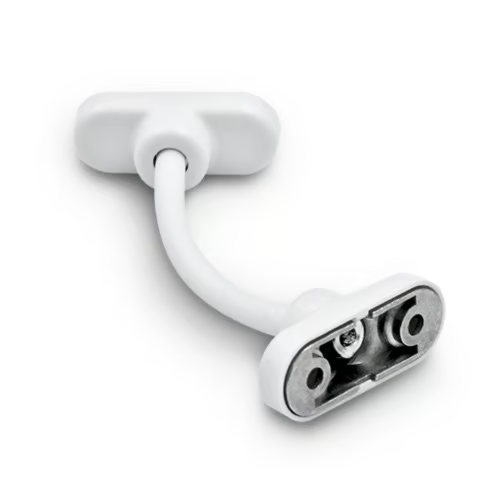
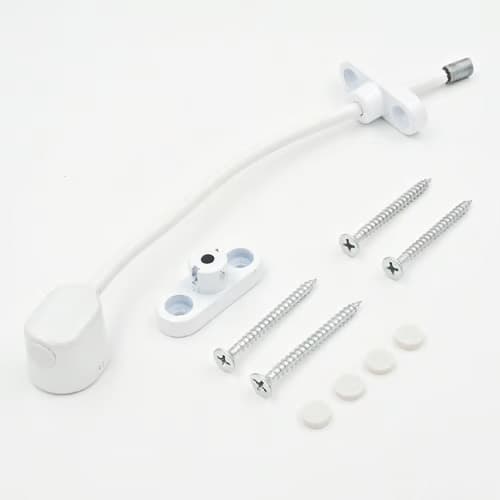
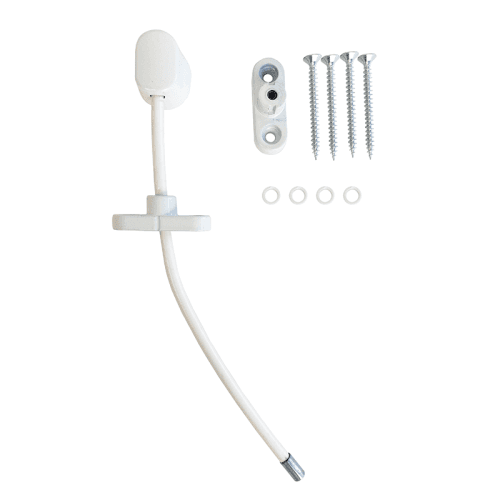
A cable window restrictor uses a steel braided cable with end fittings fixed to the frame and the sash. The cable stops the sash opening beyond a set distance; some models include a small stop collar to lock the cable length. Cable restrictors are simple, lightweight and allow the window to remain partly open for ventilation.
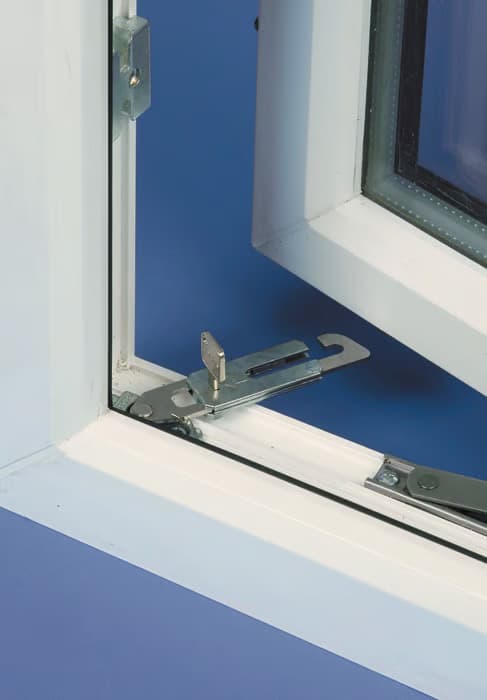
A key-operated restrictor is a mechanical lock fixed to the frame and sash; you unlock it with a key to release the sash fully. When locked, the mechanism prevents the window opening beyond the chosen aperture. Key locks are often more robust and offer higher security than a simple cable.
Performance, safety and compliance
Both types perform well when specified and fitted correctly. Consider these practical points:
- Purpose: For child-safety in HMOs, schools or family homes the common practice is to limit the opening to around 100mm for high-level windows; check client requirements and site risk assessments before setting limits.
- Means of escape: If the window is intended as a means of escape in a fire, avoid permanently locking devices that prevent escape; key-operated restrictors can be unsuitable unless the key is readily available inside the room or a quick-release option is fitted.
- Standards: Ensure restrictors are suitable for the window type and material. Consult BS 8213-1:2014 for guidance on safe operation and installation of windows; where required, follow relevant Building Regulations and site-specific safety policies.
Trade advice: specifying and installing
Correct specification and installation are critical. Follow these trade pointers:
- Match the restrictor to the window material: use stainless steel fixings on aluminium and timber; for uPVC use manufacturer-recommended screws to avoid cracking the surround. If the sash or frame is thin, fit a backing plate or choose a surface-mounted model to distribute load.
- Positioning: mount the restrictor high on the frame and sash so the device acts in tension when the window is opened; this reduces lever action on fixings. Keep the cable or lock away from hinges and friction stays to prevent rubbing.
- Pre-drill pilot holes: this applies to timber and aluminium frames; pilot holes prevent splitting and ensure screws pull up tight. For masonry surrounds use the correct plugs and stainless screws; do not rely on rawlplugs without testing pull-out strength.
- Test after fitting: open and close the window several times to check smooth operation, correct stopping distance and that all fixings remain tight. Record fittings for handover documentation on trade jobs.
DIY guidance for householders
If you are fitting a restrictor yourself, follow these practical steps:
- Choose the right product for your window material and desired opening limit; buy a kit that includes fixings and a template where possible.
- Work with the window closed: position the sash where you want the limit to be; mark mounting points on both sash and frame.
- Pre-drill small pilot holes and use the screws supplied; do not over-tighten as this can deform uPVC or strip timber.
- For key-operated locks: keep the key where it can be reached quickly in an emergency but not by small children. Consider leaving a spare key with another adult in the house.
- Check regularly: look for cable fraying, corrosion or loose screws. Test key mechanisms for smooth operation; replace any worn components promptly.
Pros and cons at a glance
Both systems have advantages and limitations; pick based on priority: safety, security or ventilation.
- Cable restrictor: pros include low cost, ease of installation, good for everyday ventilation and minimal visual impact. Cons: less secure against forced entry; cables can be cut by a determined intruder; some models show wear over time and need replacement.
- Key-operated restrictor: pros include higher security, tamper resistance and clear positive locking. Cons: less convenient for frequent ventilation; a key may impede emergency escape if not managed correctly and locks require periodic lubrication and key control.
Maintenance and testing
Regular maintenance extends life and keeps restrictors safe:
- Inspect every 6–12 months: look for corrosion, frays, loose fixings and wear. Replace any cable showing strands breaking.
- Lubrication: use a dry silicone spray for moving parts on aluminium and uPVC; light oil can be used on steel but avoid excessive grease that attracts dust.
- Record checks: for trade installs keep a maintenance log and hand over user instructions to the client, including how to operate and where spare keys are kept.
Which should you choose?
Choose a cable window restrictor if the priority is regular ventilation, low cost and a neat installation. Choose a key-operated restrictor if improved security and tamper resistance are essential; ensure key management supports emergency egress. On many projects a combination works well: cable restrictors for daily use and keyed locks for overnight security or vulnerable locations.
Recommended Products
Based on this article, you may find these products helpful:
- UAP Keyless Window Restrictor
- TSS Keyless Cable Window Restrictor
- TSS Fixed Cable Window Restrictor
- RES Lock Concealed Window Restricto
- Top Hung Friction Stay - 12"
Conclusion and next steps
Both cable and key-operated window restrictors have valid uses in domestic and trade settings. Match the product to the risk: prioritise escape where required, use robust fixings for the frame material and carry out routine maintenance. For product selection, technical datasheets and fitting templates are invaluable.
For more detailed information and related products, see our pillar resource on window locks and restrictors: /c/windows-restrictors. If you are fitting restrictors on a commercial job contact Window Hardware Store for trade advice, recommended kits and bulk pricing; for DIY purchases check fitting instructions and compatibility with your window type before you buy.
Related articles
Window Restrictors
What Is a Cable Window Restrictor? How They Work
What Is a Cable Window Restrictor? How They Work A cable window restrictor is a simple mechanical device fitted to a window to limit how far it can open. I...
Cable Window Restrictor Safety Features Explained
Cable Window Restrictor Safety Features Explained What a cable window restrictor does and where it is used A cable window restrictor is a safety device fit...