Flag Hinge vs Butt Hinge: What's the Difference?
Flag Hinge vs Butt Hinge: What's the Difference? Choosing the right hinge affects how a door or window performs, how long it lasts, and how it looks. Two c...
Flag Hinge vs Butt Hinge: What's the Difference?
Choosing the right hinge affects how a door or window performs, how long it lasts, and how it looks. Two commonly specified hinge types in the UK are the flag hinge and the butt hinge. Both have valid roles in trade and DIY projects; understanding their differences will help you select the correct product for timber doors, casement windows, shutters and gates.
What is a flag hinge?
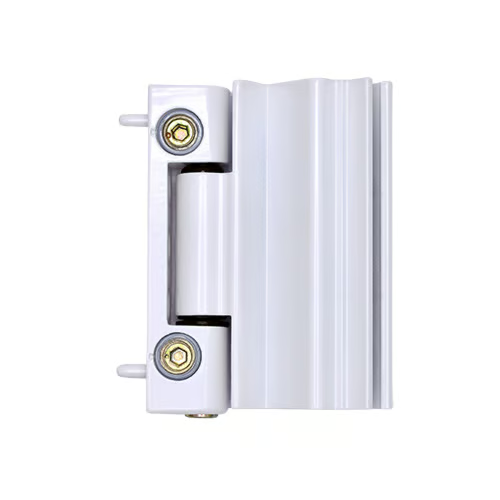
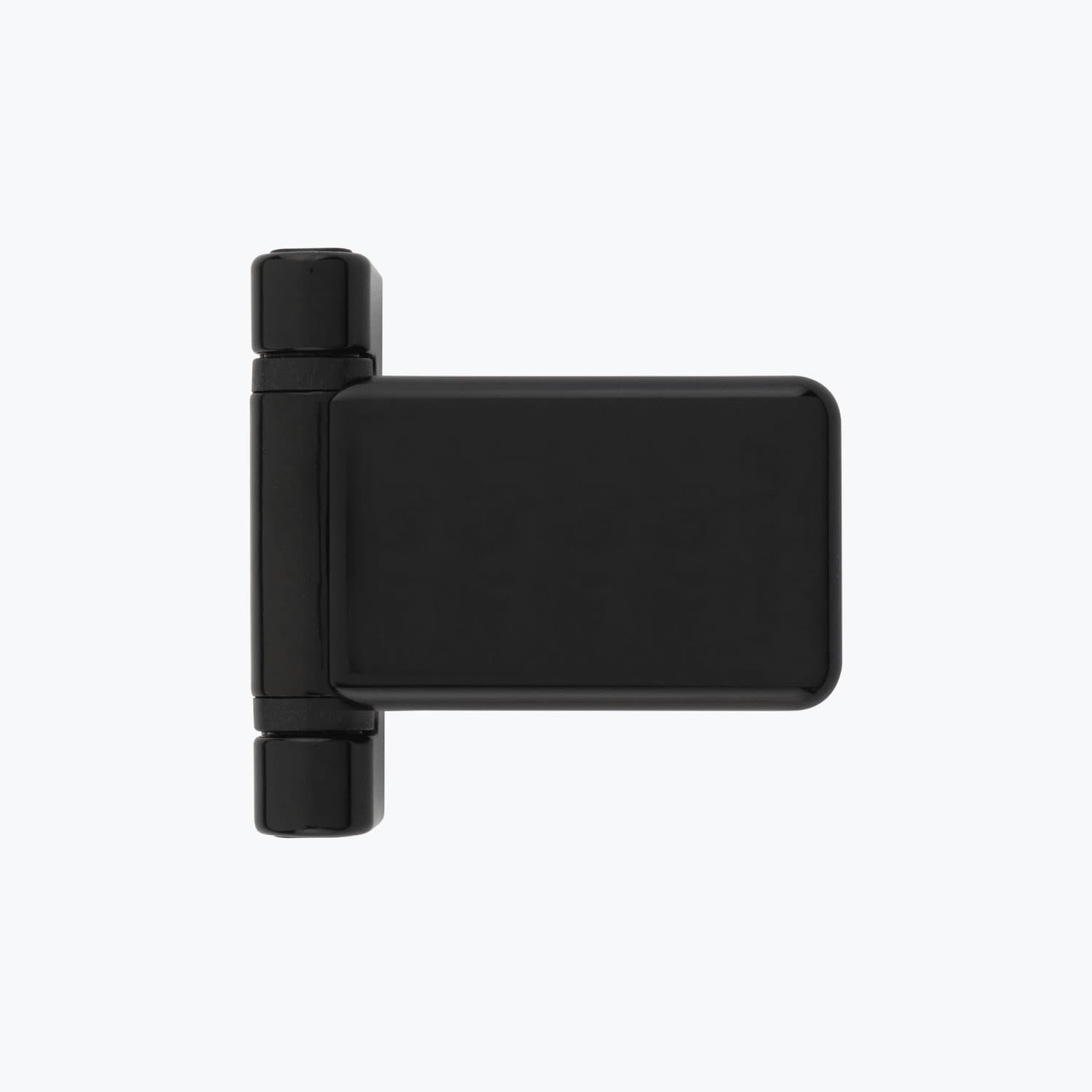
A flag hinge is a surface-mounted hinge where one leaf is a flat plate that sits on the face of the frame or jamb, and the other leaf pivots with the door or sash. Because the frame leaf is not morticed into the timber, it is often called a face-fix or applied hinge. Flag hinges are popular for retrofit jobs, light external gates, shutters and some casement windows where morticing is impractical or where a pronounced opening angle is required.
What is a butt hinge?
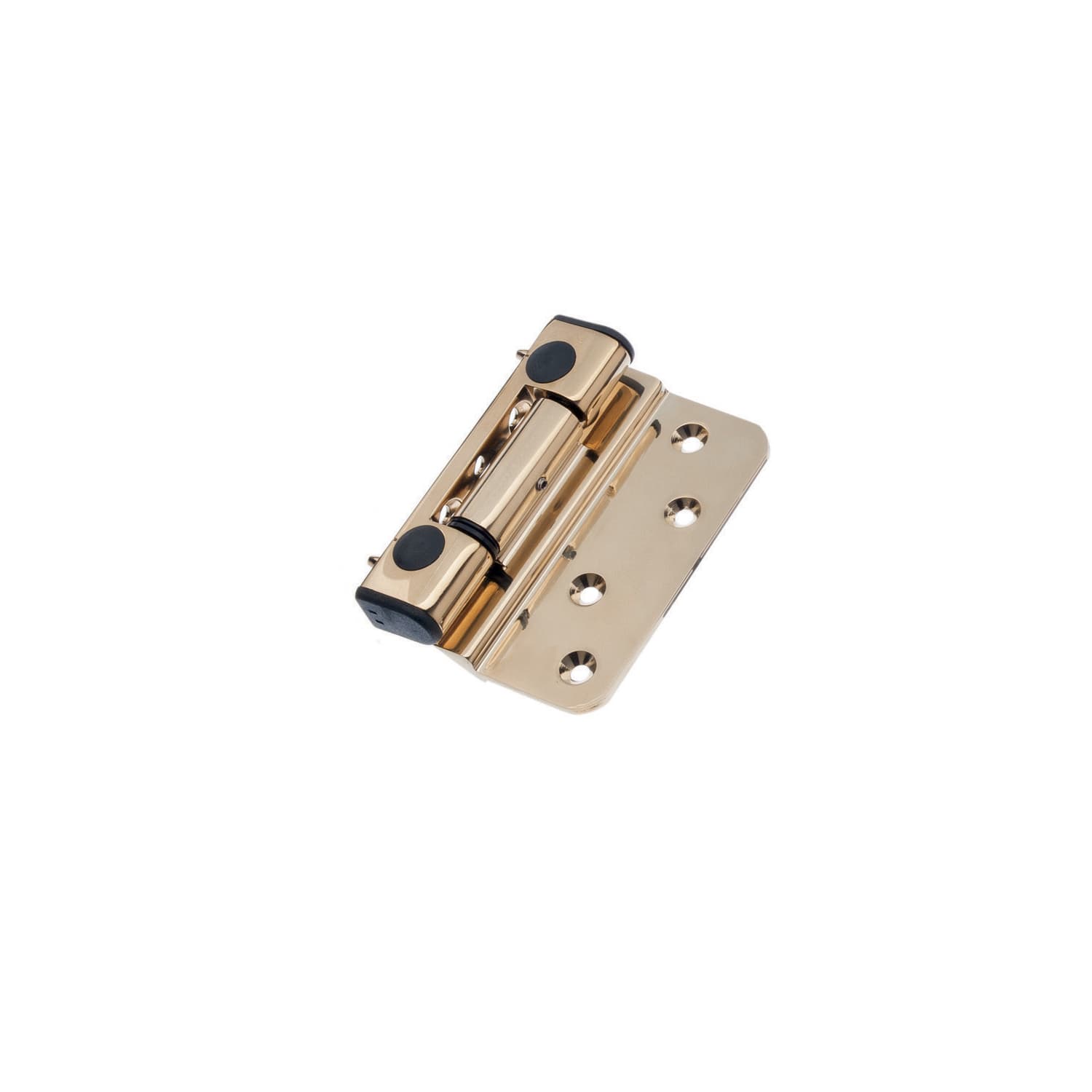
A butt hinge is the traditional hinge used on doors and windows. It comprises two rectangular leaves joined by a central pin; both leaves are normally morticed into the edge of the door and corresponding frame so the hinge sits flush when closed. Butt hinges are available in plain bearing and ball-bearing versions; the latter are used for heavier doors or high-traffic commercial locations.
Key differences at a glance
- Mounting: Flag hinge is surface-mounted on the face; butt hinge is usually morticed into edge and frame.
- Appearance: Butt hinges are more discreet when fitted correctly; flag hinges are visible and can be chosen for a more traditional or rustic look.
- Opening angle: Flag hinges can allow wider or adjustable opening angles depending on the design; butt hinges give a standard opening determined by frame clearance.
- Load capacity: Standard butt hinges, especially ball-bearing types, carry heavier loads than most flag hinges of the same size.
- Installation complexity: Flag hinges are quicker to fit for retrofit work; butt hinges require accurate morticing and are better for new builds or full replacements.
Materials and finishes
Both hinge types are available in a range of materials suitable for internal and external use: brass, stainless steel, mild steel with galvanised or painted finishes, and powder-coated options. For external doors and windows choose corrosion-resistant finishes: stainless steel for coastal locations; zinc or galvanised steel for less severe exposure. For heavy timber doors select ball-bearing butt hinges for longevity and smooth performance.
Practical trade advice
- Specify hinge type according to door weight and frequency of use: internal room doors typically use two butt hinges; heavier or taller doors require three, and sometimes four, ball-bearing butt hinges.
- For casement windows consider flagged options only when morticing would weaken the frame or when a sash needs to open beyond the face of the frame; otherwise choose a butt or eared hinge specific to window hardware.
- Use stainless steel screws for exterior flag hinge installation to avoid corrosion staining; match screw diameter and length to the hinge countersink and timber thickness.
- For security-sensitive doors use non-removable pins or security studs, particularly on external butt hinges where the hinge pin might be exposed.
- When replacing hinges, measure leaf width, pin diameter and the butt thickness to match hardware; mismatched hinges cause alignment and wear problems.
DIY guidance: fitting each hinge type
Flag hinge: this is generally more straightforward for DIY and retrofit work. Mark the hinge position on frame and door; pre-drill pilot holes for screws to avoid splitting the timber; use stainless or coated screws and countersink if required. Check the opening swing and adjust screw positions before final tightening. Add silicone sealant around exterior screw heads if weatherproofing is needed.
Butt hinge: accurate mortices are critical. Mark hinge positions and use a sharp chisel or router to cut the recess for each leaf; ensure the depth allows the hinge to sit flush. Pre-drill screw holes and use packers or wedges to keep the door plumb during fitting. Fit the hinge pins last and test the door swing; if binding occurs, fine-tune the mortice depth or hinge position. For heavy doors enlist a second person or use a prop to support weight while locating hinges.
Common mistakes to avoid
- Using flag hinges for very heavy doors; they may sag over time unless specifically rated for the load.
- Failing to use corrosion-resistant fasteners on external applications; screws and hinges must match in durability.
- Not allowing for paint or varnish build-up when morticing butt hinges; extra thickness causes binding.
- Incorrect number or placement of hinges; spread load evenly and follow manufacturer load tables.
When to choose a flag hinge or butt hinge
- Choose a flag hinge for retrofit situations, lightweight shutters, garden gates, or where face-fix aesthetics are acceptable and rapid installation is required.
- Choose a butt hinge for internal doors, heavy external doors and high-use openings where a flush finish, higher load capacity and long-term reliability are priorities.
- For specialised requirements such as wide clearances or doors that need to open through 180 degrees consider parliament or swing hinges as alternatives; consult product datasheets for exact opening angles.
Maintenance tips
Regularly lubricate hinges with a light machine oil or specialist silicone lubricant for external hardware; avoid thick greases which attract dust. Tighten screws periodically; replace any corroded screws immediately. For butt hinges, check the condition of the pin and bushes; replace or upgrade to ball-bearing versions if there is wear.
Recommended Products
Based on this article, you may find these products helpful:
- Flag Door Hinge - Stainless Steel
- Adjustable Flag Hinge - 100mm
- Fab&Fix Classic Flag Hinge
- ERA Composite Door Flag Hinge
- ERA Challenger 3D Rebated Hinge
Conclusion: next steps
Both flag hinges and butt hinges have their place in trade and DIY work. Use flag hinges for simple face-fix applications and retrofits; specify butt hinges for heavier doors and where a flush, professional finish is required. For precise specification consult hinge load tables and material recommendations, and use corrosion-resistant fixings for external work. For more detailed technical information and product choices see our pillar page on door hinges or contact our trade team for advice on sizes, finishes and security options.