
How to Lock a Sash Window: Multiple Options Explained
How to Lock a Sash Window: Multiple Options Explained Sash windows remain a popular choice in the UK for period properties and modern builds that want a tr...
How to Lock a Sash Window: Multiple Options Explained
Sash windows remain a popular choice in the UK for period properties and modern builds that want a traditional appearance. Whether you are a homeowner securing a ground-floor room or a trade professional fitting locks during a refurbishment, choosing the correct sash window lock is essential for security, ventilation control and compliance with safety considerations. This article outlines practical options, fitting tips and trade advice for a variety of sash types.
Identify the sash type and security requirement
Before selecting a lock, confirm whether the window is a box sash (counterbalanced by weights and cords), a modern aluminium or timber vertical slider with concealed balances, or a tilt-and-slide style. Also establish the primary requirement: security against intruders, child safety and ventilation control, or both. Different products suit different purposes; for example, a key-operated sash lock provides strong security whereas a sash restrictor offers ventilation and child safety but limited forced-entry resistance.
Traditional sash fasteners (centre sash locks)
Traditional sash fasteners, often called sash locks or sash fasteners, are fitted on the meeting rails where the upper and lower sashes meet. They pull the two sashes together to improve weather sealing and provide basic security. Variations include cast-iron or brass lift lock handles, and key-lock versions for higher security.
- Advantages: simple, period-appropriate finishes, improves draught-sealing when opposed to internal beading.
- Best for: timber box sash windows on upper floors or where a period look is required.
- Installation notes: mark the mating positions carefully; pilot drill using a small bit to avoid splitting; use countersunk screws sized to the stile thickness and choose corrosion-resistant metals for coastal locations.
Sash restrictors and stops: ventilation and child safety
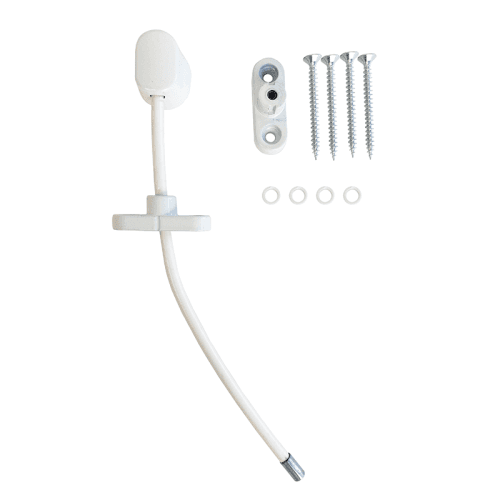
Sash restrictors limit how far a sash opens and are available as keyed restrictors, cable/chain restrictors and screw-in sash stops. For child safety select a restrictor that limits the opening to around 100mm; this is commonly recommended to reduce the risk of falls. Restrictors are also used to provide controlled night-time ventilation without allowing the sash to be pushed wide open.
- Keyed cable restrictors: secure but allow quick release by key when full escape is required.
- Chain or cable restrictors: inexpensive and retrofit-friendly; fit between the sash and frame; pick stainless or galvanised fittings for longevity.
- Screw-in sash stops: aesthetic and simple; usually fitted into the frame to physically prevent travel beyond a set point.
Trade tip: when installing cable restrictors on timber, screw into solid timber rather than thin beading. Use 10–12mm pilot holes followed by appropriate wood screws; for softwoods use coarser threads to reduce pull-out.
Sash jammers and security bars
Sash jammers are compact devices that jam between the lower sash and the sill or provide a wedge against movement. They are useful as additional reinforcement for quick retrofit on windows that have poor locking or worn sashes. Security bars and rails can also be fitted internally for high-risk locations.
- Advantages: inexpensive, fast to fit, good secondary security.
- Limitations: they are not suitable if the window is needed as a means of escape; ensure any secondary device can be removed quickly from inside.
Multipoint and modern locking systems
Modern vertical sliders and retrofit systems can employ multipoint mechanisms similar to casement espagnolette locks. These engage multiple keeps along the stile, giving enhanced resistance to lift-out and forced-entry. Some systems use sash cams or hook-style locks designed for the profile of modern timber or aluminium sliders.
- Use on contemporary sliders: choose a system compatible with the sash profile and frame thickness.
- Professional fitting recommended: multipoint conversions often require routing or face-boring and accurate alignment; trade installation ensures correct operation and warranty.
Key-operated locks and security considerations
Key-operated sash window locks add a tamper-resistant element for ground-floor or accessible windows. They are available in versions that secure the meeting rails, or in keyed restrictors. For the best security, pair a keyed sash window lock with good-quality deadbolts on the property and ensure the frame and glazing are in sound condition; rotten sills, loose beads or single glazing with poor framing will compromise any lock.
Practical fitting and maintenance tips
Whether fitting a sash fastener, restrictor or multipoint lock, follow these practical points:
- Test the window operation before fitting: ensure sashes run freely and that counters, cords or balances are functioning; repair these first to avoid replacing locks prematurely.
- Measure twice and dry-fit: align keeps and lock bodies, check for paint build-up and sashes that bow; paint or putty can affect engagement.
- Use appropriate fixings: stainless steel or brass screws in external locations; length to penetrate at least 8–10mm into solid timber; avoid overly long screws that may foul weights or internal cavities.
- Conservation areas: where consent is needed, choose reversible fixings or sympathetic finishes; keep records of original fittings for re-instatement.
- Maintenance: lubricate moving parts annually with graphite or a light machine oil; replace stripped screws and worn keeps promptly to maintain security.
Safety and regulatory points
Do not compromise means of escape: any locked restrictor or key-operated device should be removable from the inside in seconds without specialist tools, particularly on escape routes. For child-safety restrictors, follow manufacturer guidance on maximum opening size and test regularly for wear. If working on a listed building, consult the local conservation officer before replacing historic ironmongery.
Recommended Products
Based on this article, you may find these products helpful:
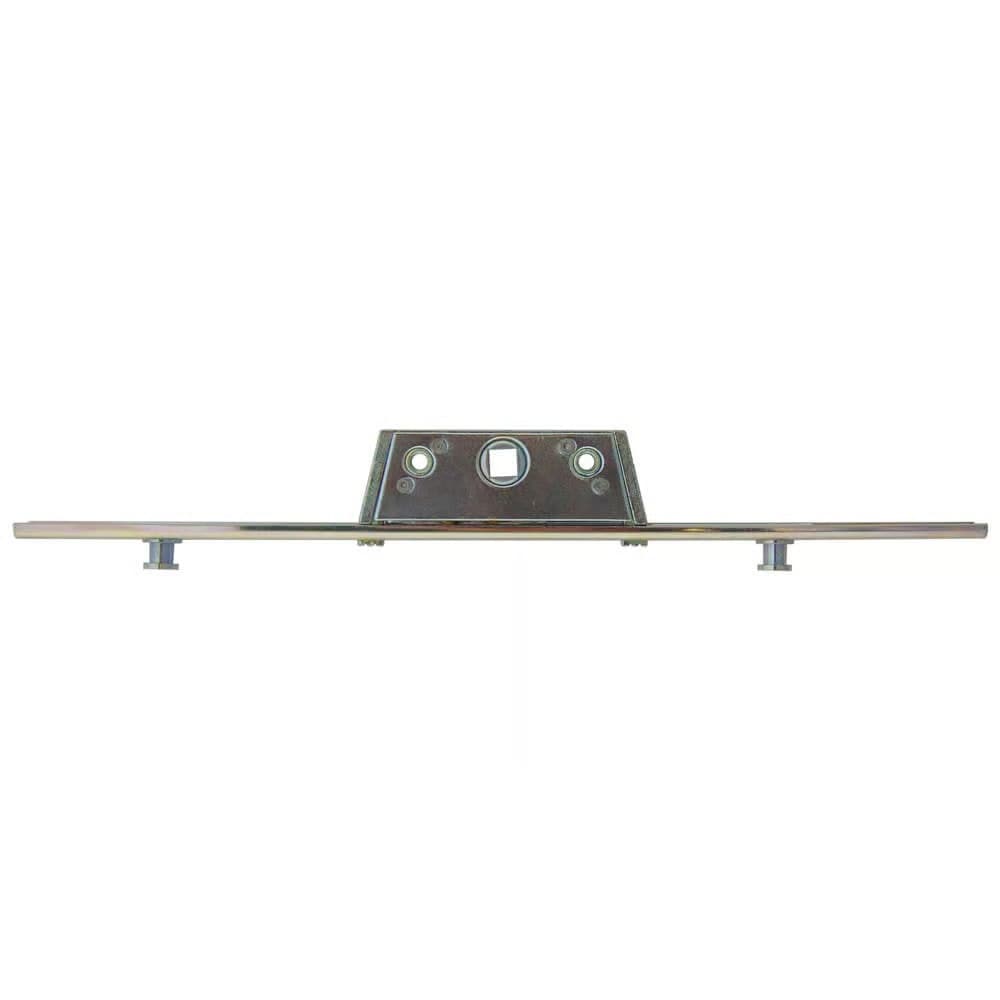
- ERAB Espagnolette Window Lock Universal Lock Replacement
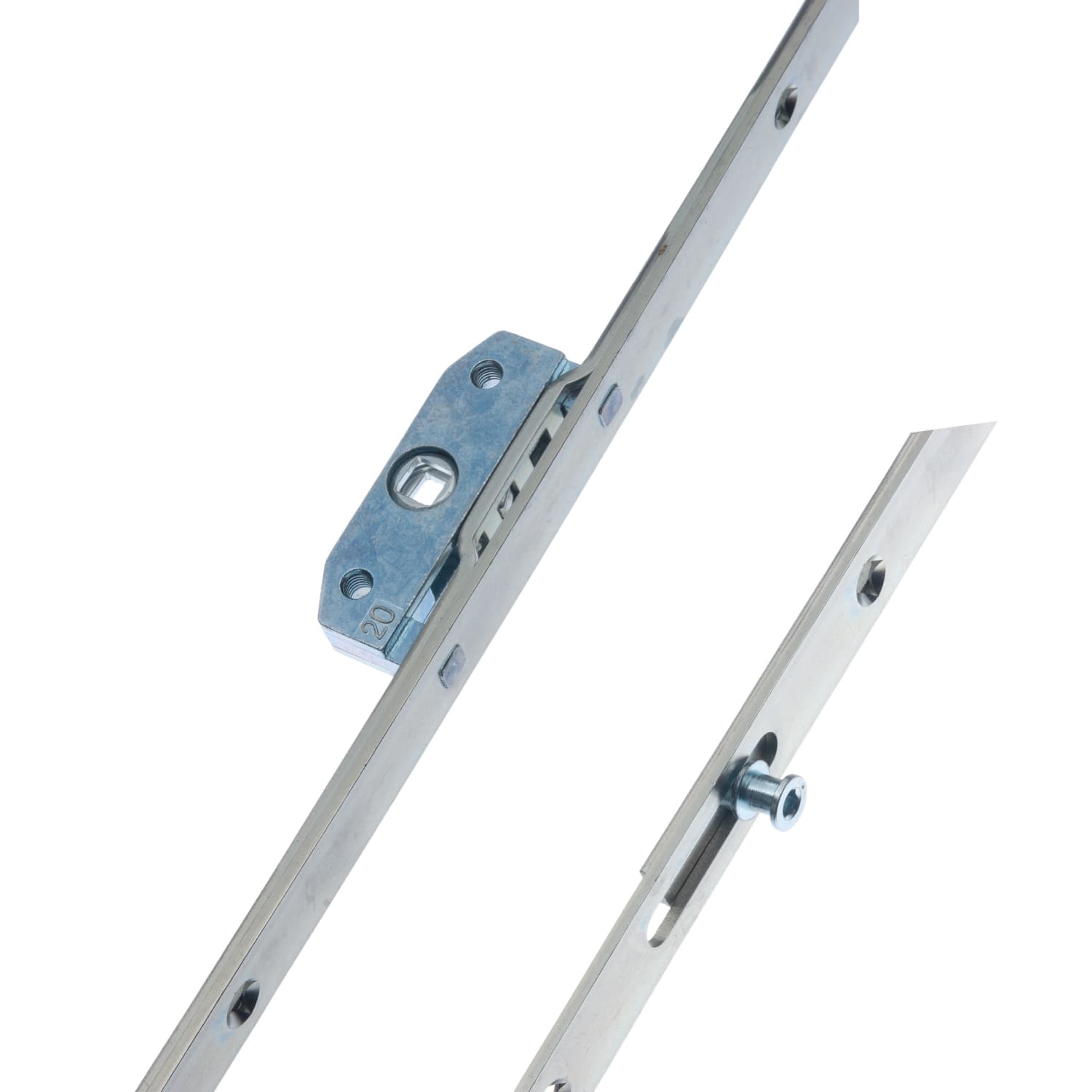
- Avocet Slimline Offset Window Espag
- UAP Keyless Window Restrictor
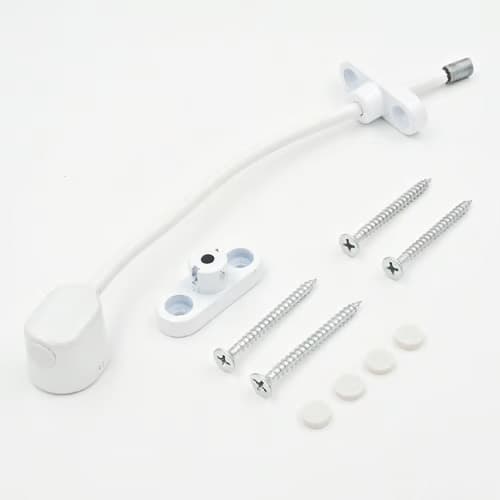
- TSS Keyless Cable Window Restrictor
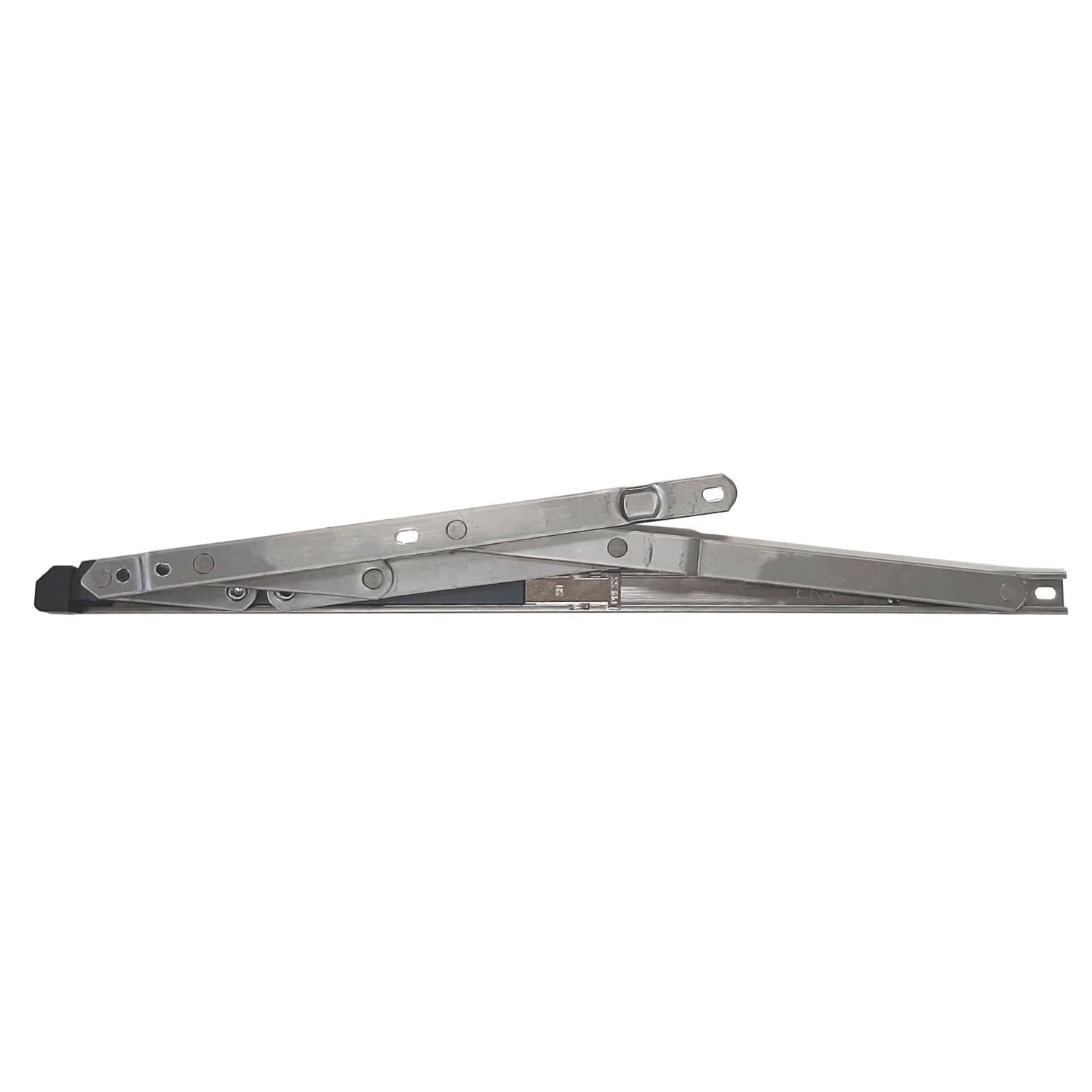
- Restricted Friction Stay Hinges
Conclusion and next steps
Choosing the right sash window lock depends on window type, security needs and whether ventilation or escape is a priority. For period properties a traditional sash fastener or key lock will suit both style and function; for child safety and ventilation a restrictor is often ideal; for elevated security consider multipoint or key-operated systems fitted by a competent tradesperson.
Next steps: assess the sash construction and decide the primary aim; consult product specifications for compatibility; for complex jobs or multipoint retrofits engage a window specialist. For further information on restrictors and related window hardware visit our pillar page: /guides/window-locks-restrictors. If you need help sourcing the correct sash window lock, contact a Window Hardware Store trade adviser with your window measurements and photos for tailored recommendations.
Related articles
Window Restrictors
What Is a Cable Window Restrictor? How They Work
What Is a Cable Window Restrictor? How They Work A cable window restrictor is a simple mechanical device fitted to a window to limit how far it can open. I...
Cable Window Restrictor Safety Features Explained
Cable Window Restrictor Safety Features Explained What a cable window restrictor does and where it is used A cable window restrictor is a safety device fit...