
Cable Window Restrictor Buying Guide: UK Options
Cable Window Restrictor Buying Guide: UK Options: whether you are a trade fitter specifying hardware for a housing project or a homeowner fitting safety de...
Cable Window Restrictor Buying Guide: UK Options: whether you are a trade fitter specifying hardware for a housing project or a homeowner fitting safety devices around children, cable window restrictors are a versatile, low-visibility option for limiting how far a window opens. This post explains types, materials, installation tips and compliance considerations relevant to the UK market.
What is a cable window restrictor?
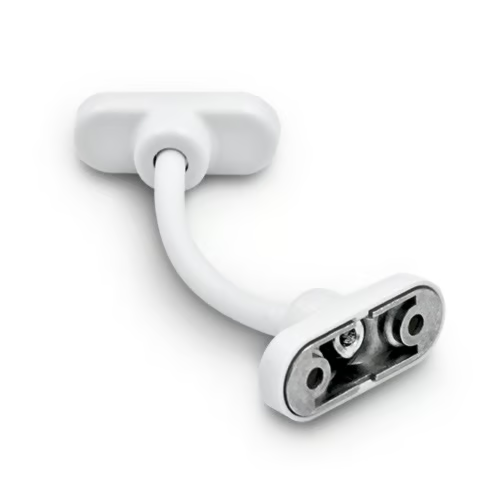
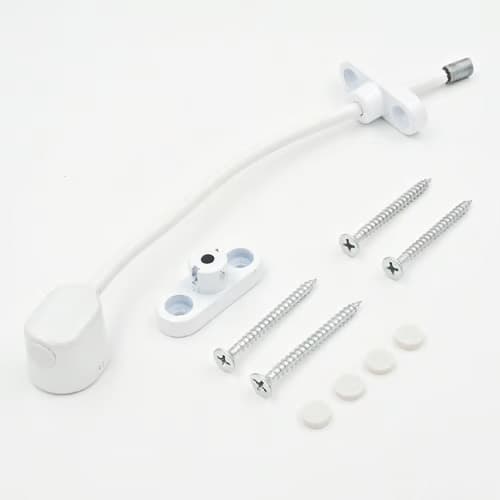
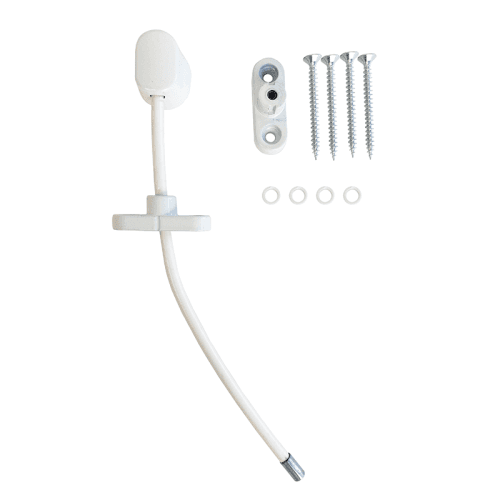
A cable window restrictor is a device that prevents a window from opening beyond a controlled distance by using a length of cable attached between the sash and the frame. They can be fixed to limit the opening, or be releasable so the window can be opened quickly for emergency escape. Cable restrictors are commonly used on casement, top-hung, bottom-hung, sliding and tilt-and-turn windows.
Types and components
- Fixed cable restrictors: Permanently limit opening. Simple and cost-effective for low-risk areas.
- Quick-release restrictors: Release mechanism operated from the inside without tools; used where escape is required, such as bedrooms and kitchens.
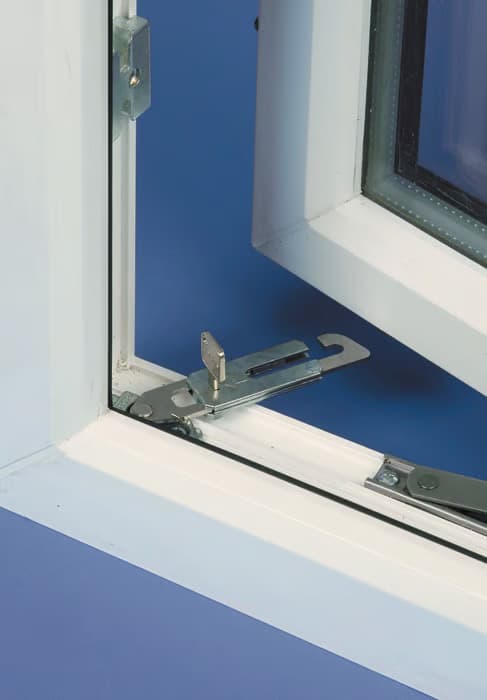
- Lockable or keyed restrictors: Provide added security; suitable for communal or high-risk locations.
- Retractable cable restrictors: Cable retracts into a housing for neat appearance; some models include a releasable catch.
- Materials and coatings: Stainless steel braided cable with PVC coating is common; housings are usually zinc alloy or stainless steel for durability.
Choosing the right product for the job
Select a cable window restrictor based on application, exposure and required performance:
- Environment: For coastal or industrial areas choose 316 stainless steel and marine-grade fixings to avoid corrosion.
- Window type and weight: Heavier, larger sashes may need multiple restrictors or a product with a higher rated capacity; always consult manufacturer load data.
- Required opening limit: Measure the desired maximum opening and choose a fixed-length or adjustable stop that achieves it. Common safety limits are around 100mm for child safety; check local guidance and escape requirements before restricting openings.
- Escape requirements: If the window is a needed escape route, specify a quick-release or emergency-release restrictor that can be operated from inside without keys or tools.
- Appearance: Cable restrictors are low-profile; choose colour-coated cables or concealed housings when aesthetics matter.
Practical trade and DIY installation advice
Correct installation is key to performance and safety. Follow these practical steps and tips:
- Positioning: Fit the frame anchor to a solid part of the frame; avoid fixing into thin uPVC walls or glazing beads. If the frame is hollow, use reinforcement plates or packers behind the fixing point. Fit the sash anchor so the cable runs clear of seals and hardware.
- Tools and fixings: Use the correct screws for the substrate: self-tapping screws for uPVC, stainless steel screws for timber, and blind rivets or combined rivet/screw systems for aluminium. Pre-drill pilot holes where recommended; this reduces stress on the frame and prevents splitting.
- Two-point fixings for large sashes: On wide or heavy casements, fit a restrictor at top and bottom or use a model rated for the load. This prevents stress concentration and sash distortion.
- Testing: After fitting, cycle the window several times and check the stop is as intended. Test any quick-release mechanism from inside to confirm it operates reliably and without the need for a key.
- Sealing and finish: Ensure no sharp cable ends rub against soft seals; replace any seal damaged during installation. If fitting externally, apply suitable sealant to prevent water ingress around fixings.
- Maintenance: Inspect annually for cable fraying, corrosion or loose fixings; clean moving parts and lubricate release mechanisms with a light machine oil where recommended by the manufacturer.
Compatibility with common UK window systems
Cable restrictors are compatible with most UK window systems but the fixing method varies:
- uPVC windows: Anchor into the main frame profile; avoid glazing bead fixings. Use purpose-made restriction plates if the uPVC is thin.
- Tilt-and-turn: Fit to the sash and inner frame; ensure the restrictor does not impede the tilt function.
- Timber windows: Standard wood screws or coach screws into reinforced areas; if timber is soft, use backing plates to spread load.
- Aluminium frames: Use rivets, rivet nuts or through-fixings with washers; aluminium extrusions can be hollow so reinforcement is important.
Safety, standards and building regulations
Cable window restrictors are used for child safety and to prevent falls; they must not impede escape in a fire. For windows that form an escape route check that any restrictor is quick-release or can be opened without a key. Choose products from reputable manufacturers that supply technical datasheets, test certificates and clear fitting instructions. If working on social housing or commercial premises, confirm any product specification requirements from the client and consult relevant building regulations and fire safety guidance.
Common pitfalls and how to avoid them
- Fixing into glazing beads: this is insecure; always fix to the main frame.
- Ignoring manufacturer ratings: do not assume all restrictors are the same; check load and operating limits.
- Blocking escape routes with fixed restrictors: use releasable models where escape is required.
- Not reinforcing weak frames: failure can occur if fixings pull out; use plates or internal reinforcement for hollow frames.
Where to buy and specification tips
Purchase from specialist window hardware suppliers or trade counters that can provide datasheets and technical support. When ordering, specify: product type (fixed, quick-release, keyed), cable length and diameter, material and finish, fixing type, and any additional reinforcement plates. If you are a trade buyer, ask about trade packs and lead times; for homeowners, ensure the product comes with clear installation instructions.
Recommended Products
Based on this article, you may find these products helpful:
- UAP Keyless Window Restrictor
- TSS Keyless Cable Window Restrictor
- TSS Fixed Cable Window Restrictor
- RES Lock Concealed Window Restricto
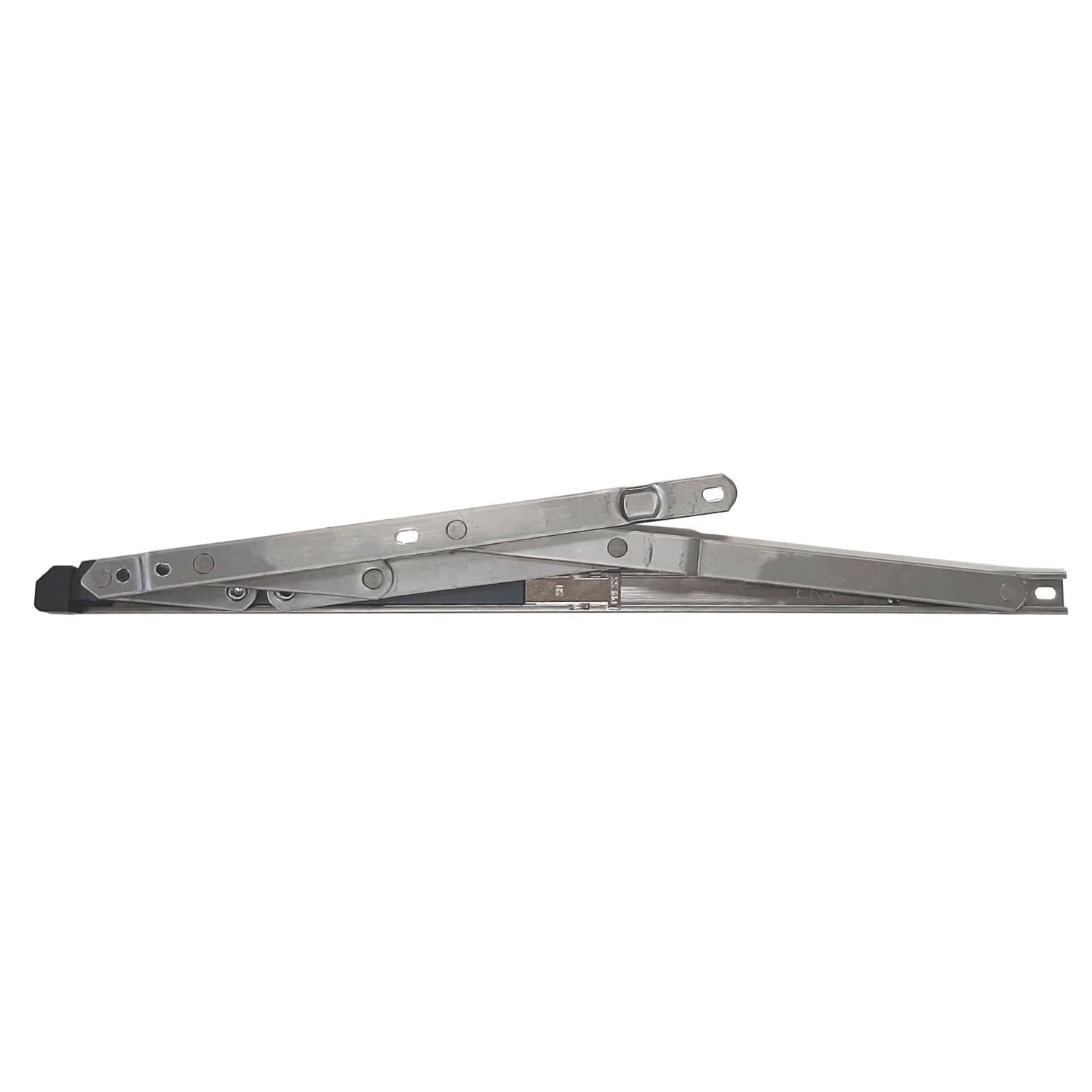
- Restricted Friction Stay Hinges
Conclusion and next steps
Cable window restrictors are a practical addition for fall prevention and controlled window openings; choose the correct style for the application, ensure secure fixings and test release mechanisms where escape is required. Next steps: inspect the windows you need to protect, decide whether fixed or releasable restrictors are appropriate, consult manufacturer datasheets, and either fit the products using the techniques above or contact a qualified installer. For broader choices and related products see our pillar page on window locks and restrictors.
Related articles
Window Restrictors
What Is a Cable Window Restrictor? How They Work
What Is a Cable Window Restrictor? How They Work A cable window restrictor is a simple mechanical device fitted to a window to limit how far it can open. I...
Cable Window Restrictor Safety Features Explained
Cable Window Restrictor Safety Features Explained What a cable window restrictor does and where it is used A cable window restrictor is a safety device fit...