
Sash Window Lock Guide: Securing Traditional Windows
Sash Window Lock Guide: Securing Traditional Windows Sash windows are a defining feature of many UK homes; their aesthetic and ventilation qualities make t...
Sash Window Lock Guide: Securing Traditional Windows
Sash windows are a defining feature of many UK homes; their aesthetic and ventilation qualities make them popular, but they do present specific security challenges. This article explains the types of sash window lock available, how to choose the right solution for different sash constructions, practical installation tips for tradespeople and competent DIYers, and maintenance advice to keep systems performing reliably.
Common types of sash window lock
Choosing the correct sash window lock depends on the window type: box sash (cord-and-weight), new replacement double-glazed vertical sliders, or aluminium sash units. Main options include:
- Sash fasteners / sash catches: Two-part latch fitted at the meeting rail; quick to fit and good for basic security on secondary glazing or timber sash windows.
- Sash locks (keyed): Centre-meeting deadbolt or hook mechanism operated by a key; ideal where higher security is required, for example on ground-floor rooms or flats.
- Sash jammers / sash stops: Surface-mounted devices that stop a sash from being forced; useful as a visible deterrent and quick to retrofit.
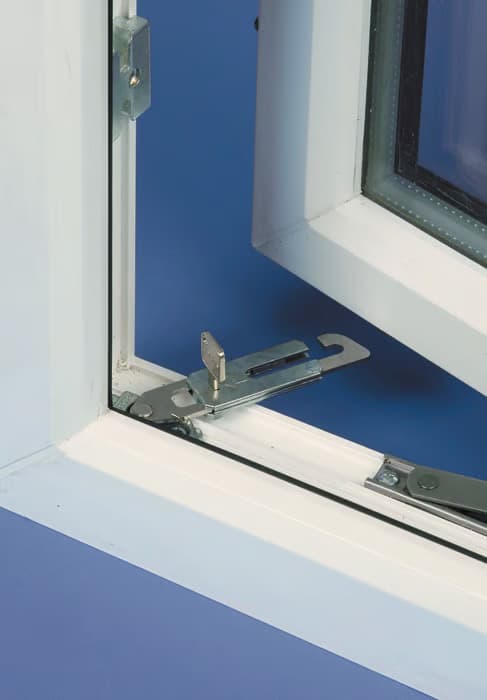
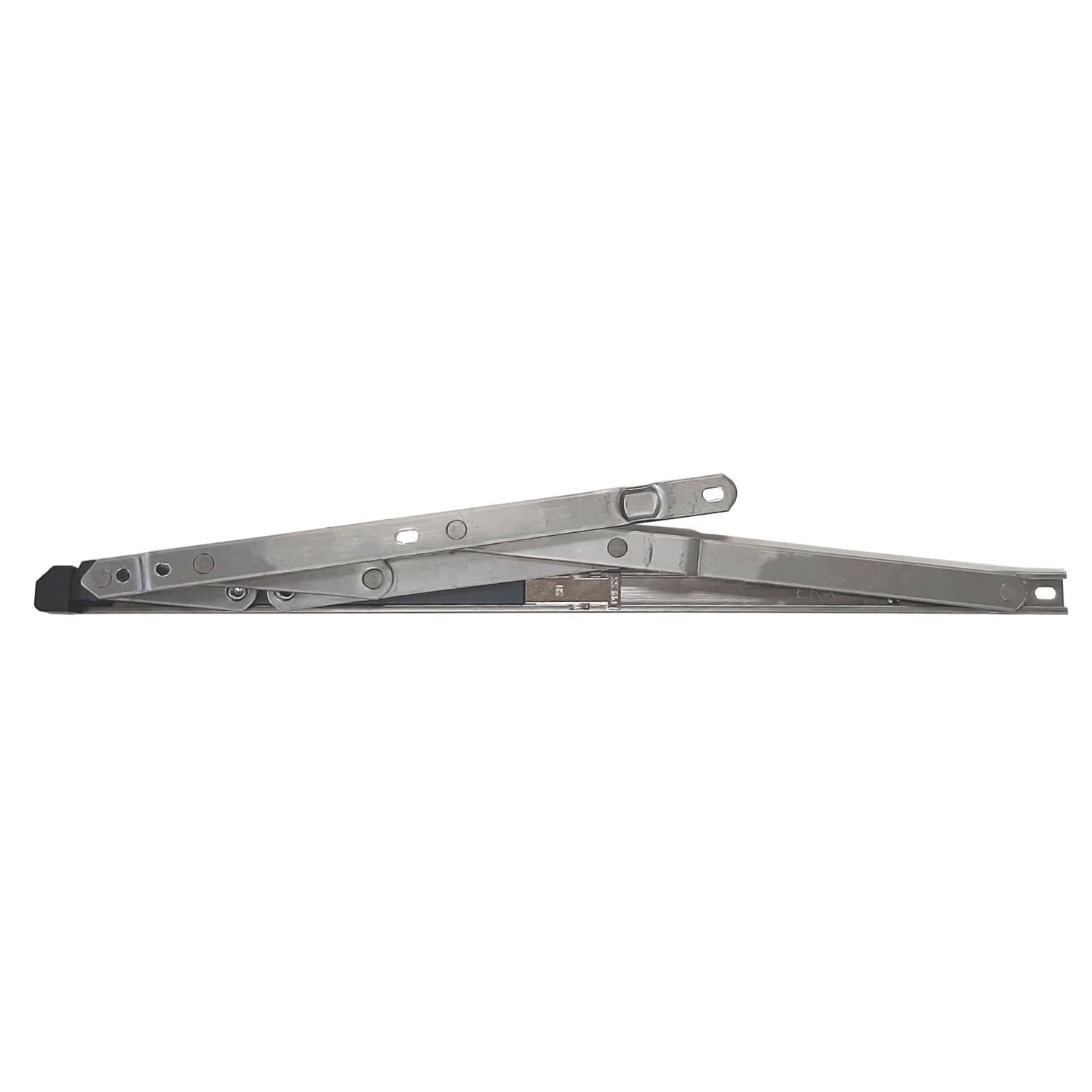
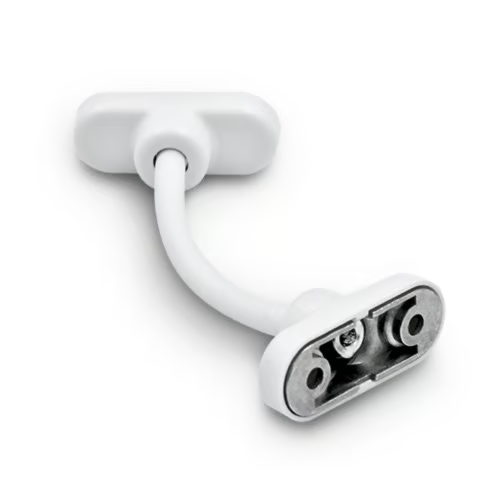
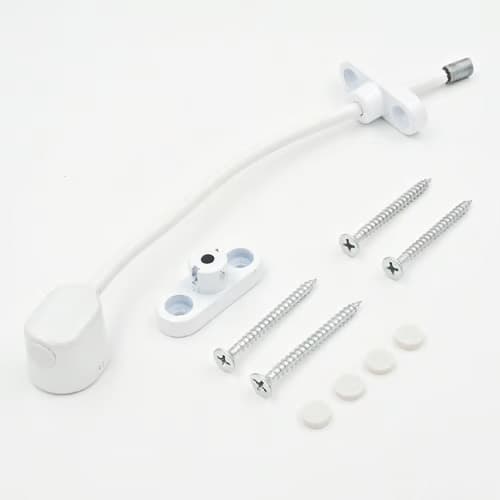
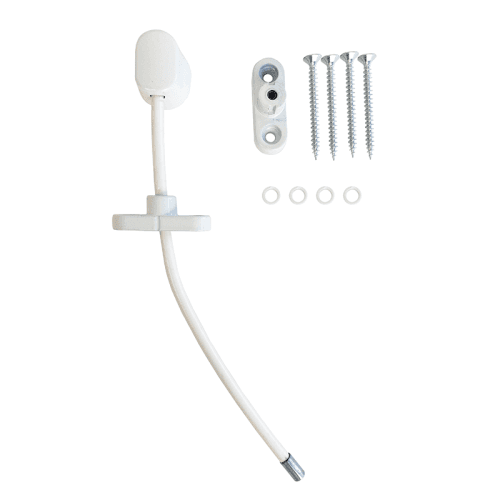
- Sash window restrictors: Limiters that prevent the window opening beyond a set distance; good for child safety and ventilation control. These are typically cable or hinged plate systems.
- Bar and rail locks: Removable bars that span the opening; used in commercial properties or where a robust, visible barrier is needed.
Selecting the right lock for the job
Match the lock to the construction and security requirements. Consider these factors:
- Window construction: Traditional box sash windows need mortice-style fittings and care around the timber meeting rail; modern uPVC or aluminium units usually take surface-mounted or keyed window locks designed for those profiles.
- Security level: For high-risk ground-floor windows or rental properties specify keyed sash locks conforming to enhanced security tests or Secured by Design products where possible.
- Access and ventilation: If you need regular ventilation, a restrictor or sash fastener may be preferable to a keyed deadlock; for communal stairs or flats a keyed lock gives occupant control.
- Aesthetics: Choose finishes and styles that match period detailing; many trade clients prefer traditional cast brass or nickel-plated finishes for listed buildings.
Tools, materials and preparation
Typical tools and materials for a sash window lock installation:
- Pencil, spirit level and tape measure
- Mortice chisel set or router for recessed keeps (timber sash)
- Power drill with appropriate bits; countersink
- Square-drive or Pozidriv screwdrivers; impact driver for tradespeople
- Correct length and type of screws: use stainless or corrosion-resistant screws; ensure screw length penetrates sufficient timber or backing material
- Sealant and wood filler for timber repairs
Trade and DIY installation guidance
Basic steps for installing most sash window locks; adapt as required for specific products and materials:
- Stabilise the sashes: For cord-and-weight boxes, secure the sash with temporary wedges or prop to prevent movement; detach sash cords if necessary and only re-tension after fitting.
- Mark positions: Close the sashes squarely and mark the meeting rail centre-line; hold the lock and keep in place and mark pilot holes for screws and any mortice recesses.
- Prepare the frame: For timber, cut a neat mortice for a flush keep using a chisel or router. For uPVC or aluminium, use the manufacturer’s recommended surface-mount or reinforced plate; avoid overcutting which can weaken the frame.
- Pilot holes and fixings: Always drill pilot holes for screws to reduce split timber and ensure screws bite into solid material; in softwood consider using longer screws into the stile to gain better holding power.
- Alignment: Fit the lock and operate several times to check smooth engagement; if the bolt binds, adjust the keep position or deepen the mortice slightly. For keyed locks check cylinder clearance and operation with the sash closed.
- Finishing: Countersink screw heads where specified; use colour-matched fillers for timber repairs and touch-up paint or lacquer as required.
Security enhancements and trade tips
Small changes on site deliver better long-term security:
- Use hardened steel fixings and security screws where visible fixings might be attacked; these resist removal with common screwdriver heads.
- Fit at least two independent locking points on large sash assemblies to reduce the chance of leverage forcing.
- Where frames are degraded, fit reinforcing plates or timber backblocks before fixing locks; screws must bite into sound timber or an appropriate substrate.
- For rental or multi-occupancy properties, specify keyed locks that allow landlord control; keep key management and tenancy considerations in mind.
- Consider combining a keyed sash window lock with a restrictor for ventilation: this provides both security and child-safe operation.
Maintenance and troubleshooting
Regular checks will prolong life and performance:
- Lubricate moving parts twice a year with light machine oil or a dry PTFE spray; avoid heavy grease that attracts dirt.
- Check screw tightness and re-seat any loose keeps; replace corroded screws promptly.
- Inspect sash cords, weights and pulleys on box sash windows; a sticky or heavy sash can cause undue strain on locks.
- If a lock sticks, check for paint buildup around the keep or bolt; gently pare back paint and re-lubricate.
Compliance, standards and specifying
Where security performance is critical, look for locks and restrictors tested to recognised standards or recommended by Secured by Design. For new installations on commercial or high-risk residential sites specify products with clear test evidence. Always ensure escape routes are not compromised: any restrictor fitted on an escape window should be releasable from the inside without a key in an emergency.
Recommended Products
Based on this article, you may find these products helpful:
- UAP Keyless Window Restrictor
- TSS Keyless Cable Window Restrictor
- TSS Fixed Cable Window Restrictor
- RES Lock Concealed Window Restricto
- Restricted Friction Stay Hinges
Conclusion and next steps
Specifying and fitting the correct sash window lock improves security, safety and occupant confidence. For tradespeople: survey the window type carefully, use appropriate fixings and consider reinforcement where timber is poor. For DIYers: select compatible surface-mounted or keyed locks suited to your window material and follow the manufacturer’s fitting instructions. For more detail on window locks and restrictors see our pillar page: /guides/window-locks-restrictors.
Related articles
Window Restrictors
What Is a Cable Window Restrictor? How They Work
What Is a Cable Window Restrictor? How They Work A cable window restrictor is a simple mechanical device fitted to a window to limit how far it can open. I...
Cable Window Restrictor Safety Features Explained
Cable Window Restrictor Safety Features Explained What a cable window restrictor does and where it is used A cable window restrictor is a safety device fit...