
Window Restrictor Buying Guide: Types and Features
Window Restrictor Buying Guide: Types and Features What a window restrictor does and when you need one A window restrictor is a mechanical device fitted to...
Window Restrictor Buying Guide: Types and Features
What a window restrictor does and when you need one
A window restrictor is a mechanical device fitted to a window to limit how far it can open. They are used to prevent falls and unauthorised access, to protect children and pets, and to meet safety expectations in rental or public properties. Homeowners use restrictors to reduce risk on low-level windows and flats; trade professionals fit them to comply with client specifications and risk assessments. When selecting a restrictor you should consider the window type, the required opening limitation, and whether the window is also an escape route in an emergency.
Common types of window restrictor
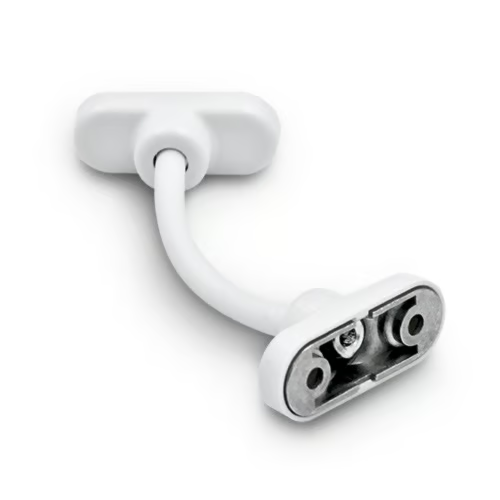
- Fixed cable or chain restrictors: A steel cable or chain attaches the sash to the frame; the opening is limited by the cable length. These are robust and discreet; choose stainless steel cable for coastal locations.
- Adjustable chain or strap restrictors: These allow the opening limit to be altered on site. They are useful where temporary access is required for cleaning or maintenance.
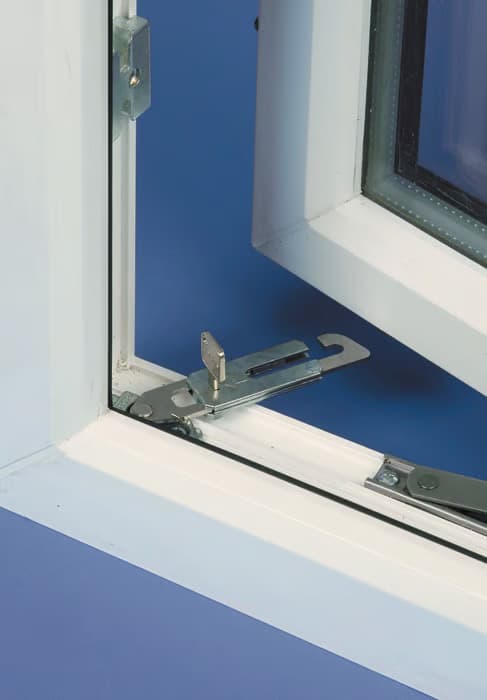
- Key-operated restrictors: A lockable catch secures the window and can only be released with a key. Suitable for security-critical locations; ensure keys are managed and stored safely.
- Push-button or quick-release restrictors: Provide a tool-free release in seconds. These are commonly used on escape windows where quick egress is essential; some models include an emergency override.
- Friction or stay-based restrictors: Integrated into the friction stay on a casement or top-hung window; they restrict opening without additional surface fittings and are often used on new installations.
- Sash window restrictors: Designed for vertical sliding sash windows; options include sash locks with built-in limiting functions and sash stops.
- Sliding door and patio restrictors: Heavy-duty options for large openings; these may use bolt-on locks or surface-mounted bars to control the opening.
Key features to look for
- Load rating and test performance: Check the manufacturer's load rating or tested pull strength; trade installations should specify performance to suit risk assessments.
- Material and corrosion resistance: Stainless steel or marine-grade finishes are recommended for coastal properties or humid environments; zinc-plated components can corrode over time.
- Release mechanism: Choose between key, push-button, or tamper-resistant designs based on whether the window is an escape route or requires higher security.
- Adjustability: Adjustable restrictors allow on-site tuning to accommodate irregular frames or varying safety needs; useful for refurbishment works.
- Concealed versus visible: Concealed restrictors sit within the frame for a clean appearance; visible options are simpler to retrofit and inspect.
- Compatibility with window hardware: Confirm compatibility with your window’s hinges, stays and seals; some restrictors are specifically for uPVC, timber or aluminium.
- Fixing method and fasteners: Ensure the supplied fixings suit the frame material; trade installers often use longer or specialised fixings for reinforced uPVC or aluminium frames.
- Standards and certification: Check for conformity with relevant British standards and third-party testing; ask the supplier for performance data if required for compliance documentation.
Practical trade and DIY guidance for installation
Whether you are a tradesperson fitting multiple restrictors or a homeowner undertaking a single retrofit, the following steps are practical and commonly used on site:
- Assess the window: Identify the window type, measure the sash and frame depth, and determine whether the opening is an escape route. Note the location of any internal reinforcing in uPVC frames.
- Choose the right product: Match the restrictor to the window type and decide on the release mechanism; for escape windows use quick-release models approved for egress.
- Mark the fixing points: With the window in the closed position, mark positions so the restrictor limits the opening where required. Allow for clearance so the restrictor does not bind with seals or glazing beads.
- Use correct fixings: Timber frames: wood screws of appropriate length; reinforced uPVC: screws that reach the steel stiffener or use rivets; aluminium: self-tapping screws or rivnuts. For hollow walls or plasterboard surrounds use suitable anchors.
- Pilot holes and torque: Drill pilot holes to avoid splitting timber and to ensure accurate screw placement. Use a torque-controlled screwdriver to prevent stripping or crushing frame material.
- Test and adjust: Operate the window through its full travel several times; check that the stop engages cleanly and that the window seals correctly when closed. For adjustable models set the opening limit and lock off the adjuster.
- Label and train: For tenanted properties leave clear instructions for the occupant on how to operate any key or quick-release device; supply spare keys and note where they are kept.
Maintenance and inspection
Regular checks prolong service life and ensure safety. Inspect restrictors annually or after any impact. Look for frayed cables, worn fixings, corrosion, or loosened screws. Lubricate moving parts with a light machine oil where recommended. Replace any compromised restrictor immediately rather than attempting a temporary repair.
Trade tips and common pitfalls
- Do not fit permanent, non-release restrictors to windows that form a primary means of escape; building regulations and safety best practice require an egress option.
- When retrofitting to uPVC, identify the position of the steel reinforcement; shallow fixings into just the plastic will fail under load.
- For high-rise or high-risk locations specify certified, tested restrictors and record installation details for compliance and warranty purposes.
- Consider sight lines and aesthetics: concealed restrictors provide a cleaner finish for high-end domestic refurbishments.
Recommended Products
Based on this article, you may find these products helpful:
- UAP Keyless Window Restrictor
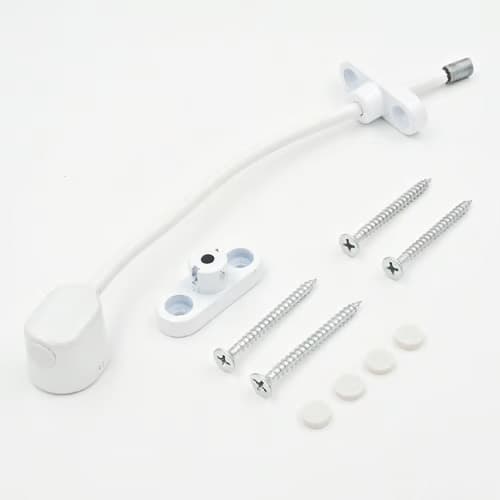
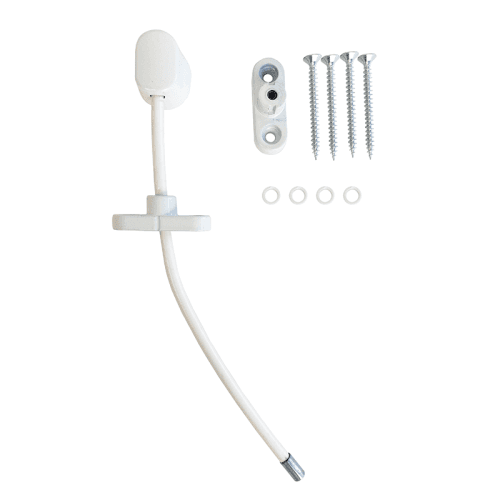
- TSS Keyless Cable Window Restrictor
- TSS Fixed Cable Window Restrictor
- RES Lock Concealed Window Restricto
- Top Hung Friction Stay - 12"
Conclusion and next steps
Choosing the right window restrictor depends on window type, safety requirements and whether the window must act as an escape route. For trade installations, specify performance and fixings to match the frame material; for DIY work ensure correct tools, pilot holes and sensible screw length. If you need further information, product recommendations or fitting support, see our wider resource on window hardware at /c/windows-restrictors or contact Window Hardware Store for trade pricing and technical advice.
Related articles
Window Restrictors
What Is a Cable Window Restrictor? How They Work
What Is a Cable Window Restrictor? How They Work A cable window restrictor is a simple mechanical device fitted to a window to limit how far it can open. I...
Cable Window Restrictor Safety Features Explained
Cable Window Restrictor Safety Features Explained What a cable window restrictor does and where it is used A cable window restrictor is a safety device fit...