
Window Restrictor Key Replacement: What to Do If Lost
Window Restrictor Key Replacement: What to Do If Lost Losing the key for a window restrictor is a common problem for homeowners and trade professionals. A ...
Window Restrictor Key Replacement: What to Do If Lost
Losing the key for a window restrictor is a common problem for homeowners and trade professionals. A missing key can leave a first-floor or upstairs window either permanently locked or unsecured; both situations have safety and compliance implications. This article sets out clear, practical steps for identifying the restrictor, temporarily securing the window, sourcing the correct replacement key, and fitting or changing the restrictor where necessary.
Identify the type of window restrictor
Before ordering a replacement key, confirm the restrictor type. There are several common styles:
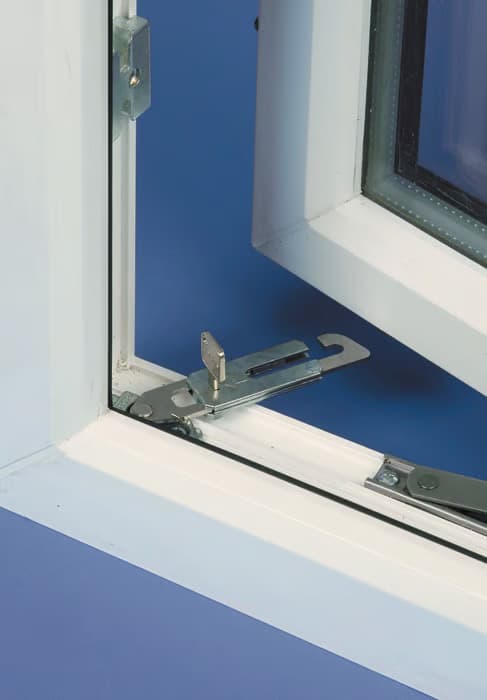
- Key-operated restrictors: these use a small removable key to lock and unlock; keys are often triangular, T-shaped or flat profiles.
- Push-button or button release restrictors: these use a small plastic or metal button that is released by a key or pin.
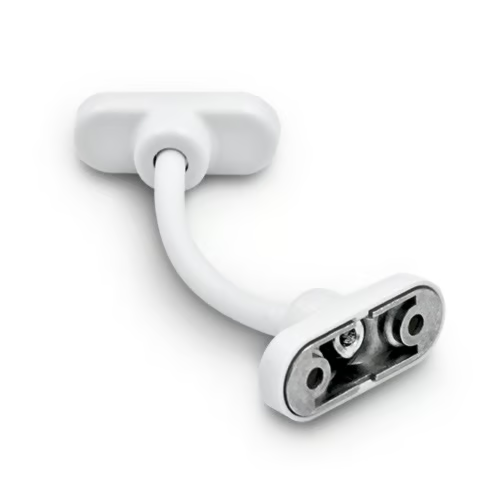
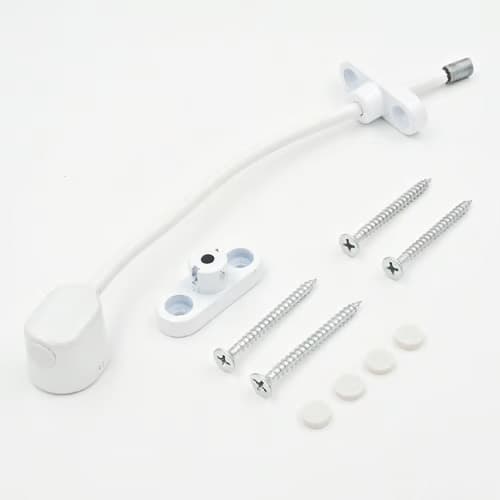
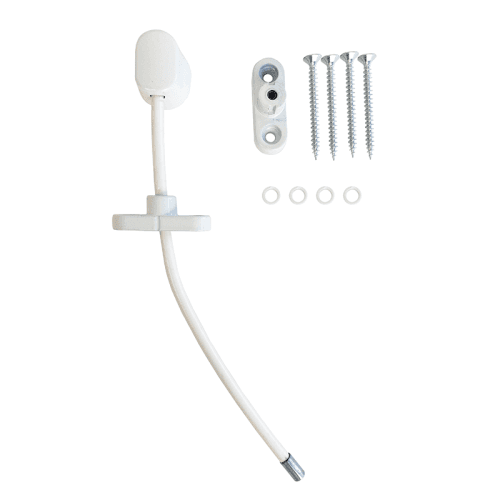
- Cable restrictors: these have a keyed lock at the base of the cable; replacement keys match the lock cylinder.
- Sliding sash or casement restrictors: some have proprietary keys to disengage a cam or latch.
Take clear photos of the restrictor, the keyway, any stamped numbers or logos, and the surrounding frame. Measure the visible fixing plates and note whether the unit is riveted or screwed to the frame. This information will help when ordering a replacement or speaking to a locksmith.
Immediate safety measures
If you cannot open the window because the key is lost, or if the window is unsecured and you need to limit opening for child safety, do the following:
- Keep the window closed and latched until a correct replacement is obtained. Do not attempt to force the mechanism; this can damage the lock or the window frame.
- If the window must be opened for ventilation, temporarily secure it with a purpose-made sash stop or adjustable window wedge; avoid improvised methods such as tape, string, or nails, which are unreliable and unsafe.
- For windows that form an emergency escape route, do not install permanent keyed restrictors; instead use quick-release restrictors designed to allow easy exit without a key.
Finding a replacement key
Options for obtaining a replacement key include:
- Contact the window manufacturer or the installer: if you have the manufacturer details, they can supply keys by part number or code; trade suppliers can often identify parts from photos.
- Contact the original supplier: if the restrictor was supplied through a trade supplier, they may keep records or be able to cross-reference the model.
- Visit a locksmith: many locksmiths can supply replacement keys for common restrictor brands or can cut a key on site from a sample restrictor.
- Order a universal key kit: some suppliers sell sets of common restrictor keys that may fit standard key profiles; these are handy for tradespeople who service many different systems.
Provide photos, any stamped numbers, and measurements when ordering. For keyed cylinders, the code on the face of the lock often identifies the key blank needed. Keep in mind that some proprietary systems require keys that only the manufacturer or an authorised distributor can supply.
DIY replacement: remove and fit a new restrictor
If you are competent with basic glazing and hardware work, replacing a restrictor can be done as a DIY job. Otherwise, hire a qualified glazier or locksmith. Follow these steps:
- Support the sash: open the window to a safe position and prop or secure it so it cannot fall while you work. For vertical sliders, ensure the sash is held securely.
- Isolate the area: wear safety goggles and gloves, and remove any loose parts such as trim that obstruct access.
- Remove fixings: most restrictors are either screwed or riveted. Remove screws with the appropriate screwdriver. To remove rivets you will need a drill and the correct sized drill bit; drill out the rivet head carefully and remove the body with pliers.
- Fit the new restrictor: position the new unit and secure it with the correct fixings. Use corrosion-resistant screws for uPVC or metal frames; stainless steel or zinc-plated screws are common. If replacing a riveted unit, use matching rivets with the correct grip length.
- Test operation: operate the restrictor several times; fit and use the replacement key to ensure smooth engagement. Check the window still meets any ventilation or escape requirements.
If the existing restrictor is part of the window’s original hardware and you cannot source an identical replacement, consider replacing both units with a modern, industry-standard restrictor that includes a spare key or quick-release feature.
Trade tips for installers and site managers
For tradespeople, losing a key on site can delay handovers and cost time. Best practice includes:
- Stock common replacement keys and universal key sets in vans.
- Record key codes and restrictor part numbers at the time of installation; keep a photo library linked to each property file.
- Offer clients a spare key on completion and advise on quick-release options for escape windows to meet fire-safety expectations.
- When specifying restrictors, consider master-keyed systems for large projects to reduce the number of unique keys.
When to call a professional
If the restrictor is seized, the window is heavy or unstable, the fixings are corroded, or the glass is cracked, do not attempt a DIY fix. A professional glazier or locksmith will have the correct tools to remove rivets, replace hardware without damaging the frame, and ensure the installation complies with safety standards. For windows that form part of a means of escape, get advice from a qualified professional to ensure compliance with building regulations and fire safety guidance.
Recommended Products
Based on this article, you may find these products helpful:
- UAP Keyless Window Restrictor
- TSS Keyless Cable Window Restrictor
- TSS Fixed Cable Window Restrictor
- RES Lock Concealed Window Restricto
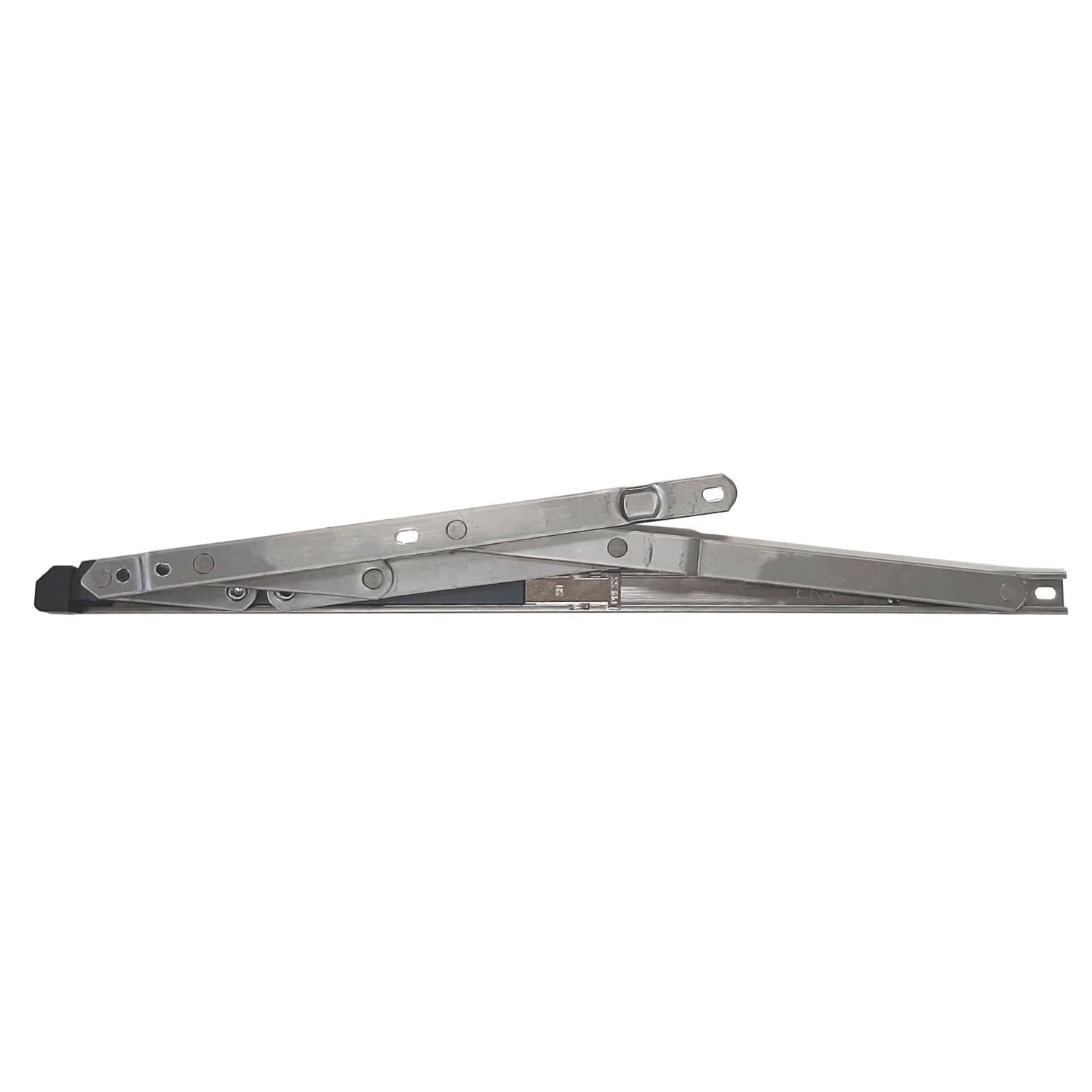
- Restricted Friction Stay Hinges
Conclusion and next steps
Losing a window restrictor key is inconvenient but straightforward to resolve with the right approach: identify the restrictor type, secure the window temporarily, source the correct replacement from the manufacturer, supplier or locksmith, and replace or upgrade the restrictor safely. For tradespeople, keep spare keys and records to avoid repeat issues. If you need help identifying a part or sourcing a key, take clear photos and measurements and contact a reputable supplier or a qualified locksmith.
For further technical information about window locks and restrictors, see our pillar page: /c/windows-restrictors. If you would like assistance sourcing a replacement key or selecting a compliant restrictor, contact Window Hardware Store and provide images and measurements for a faster response.
Related articles
Window Restrictors
What Is a Cable Window Restrictor? How They Work
What Is a Cable Window Restrictor? How They Work A cable window restrictor is a simple mechanical device fitted to a window to limit how far it can open. I...
Cable Window Restrictor Safety Features Explained
Cable Window Restrictor Safety Features Explained What a cable window restrictor does and where it is used A cable window restrictor is a safety device fit...