
Window Restrictors for Rental Properties: Landlord Guide
Window Restrictors for Rental Properties: Landlord Guide Window safety is a common issue for landlords managing rental properties. Fitting a window restric...
Window Restrictors for Rental Properties: Landlord Guide
Window safety is a common issue for landlords managing rental properties. Fitting a window restrictor can reduce the risk of falls, limit unauthorised access and help you meet duty-of-care obligations to tenants. This guide gives practical trade advice and DIY guidance on choosing, fitting and maintaining window restrictors in the typical UK property.
Why landlords should fit window restrictors
Falls from windows are a frequent cause of injury in homes, particularly for young children. As a landlord you have a legal responsibility to provide a safe property; reasonable steps to prevent foreseeable harm include fitting appropriate safety devices where necessary. Window restrictors are a low-cost measure that reduce opening width while still allowing ventilation. They also help deter opportunistic intruders where windows are accessible from the ground or via fire escapes.
Types of window restrictor and how to choose
There are several common types of restrictor; each suits different window hardware and safety needs:
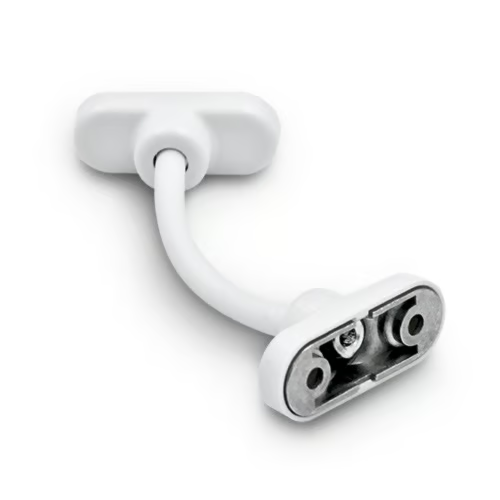
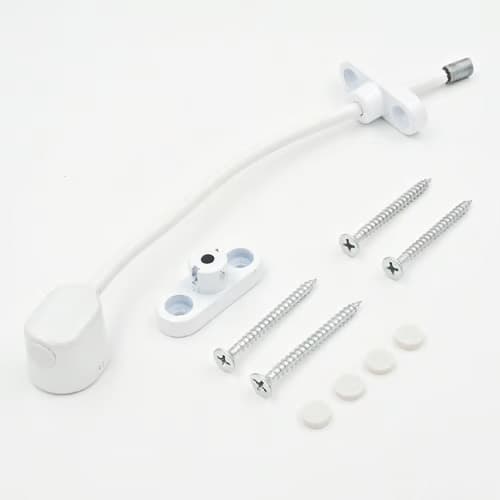
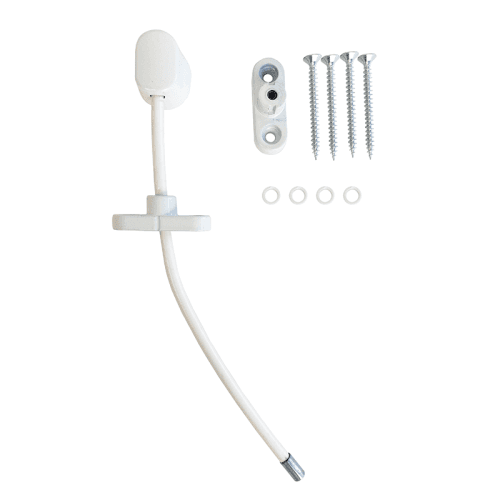
- Cable or chain restrictors: A stainless steel cable or chain limits the opening; cord length controls opening width. Good for casement and tilt-and-turn windows. Cable restrictors fold away neatly when not in use.
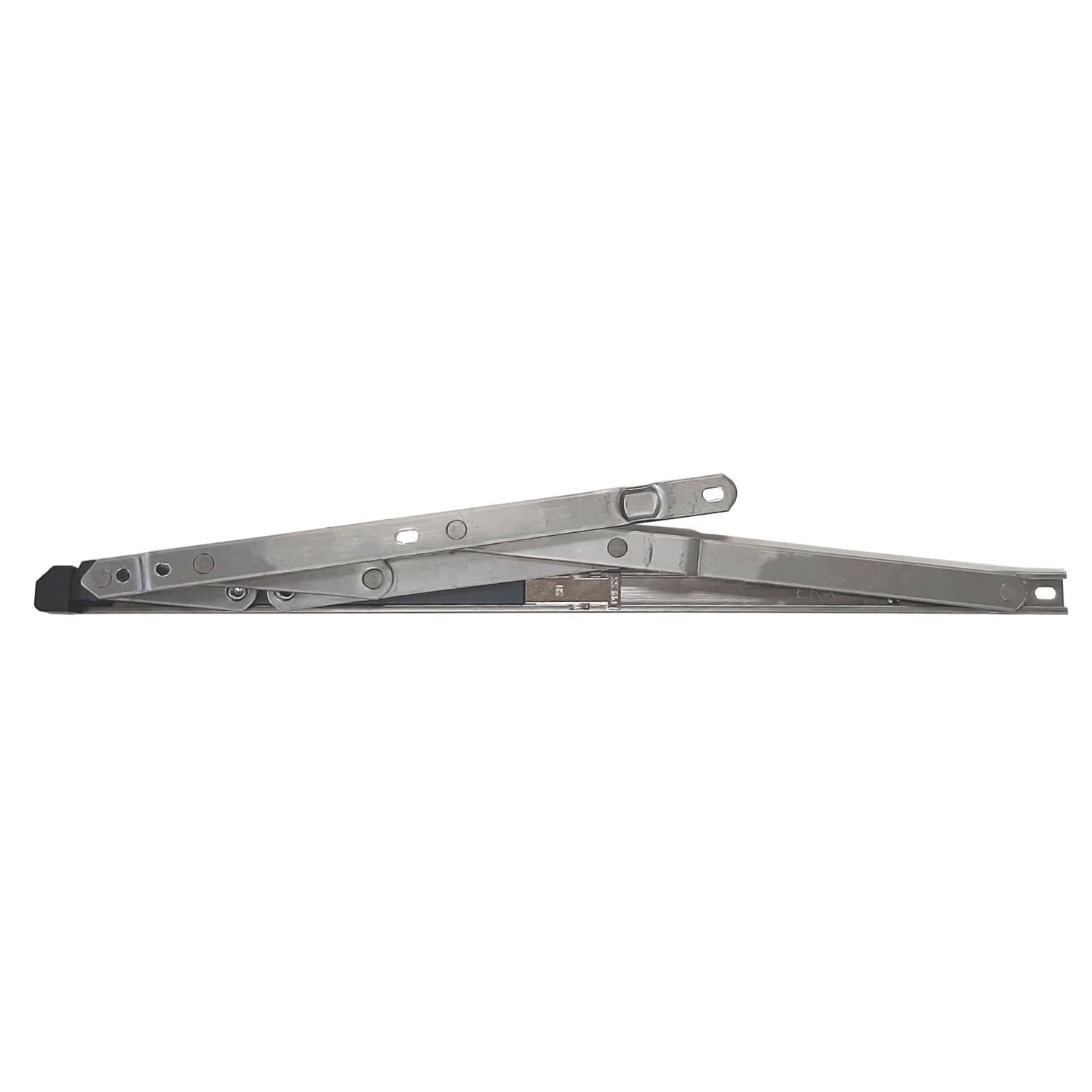
- Mechanical arm restrictors: A hinged arm fixed to frame and sash limits travel. Robust for heavier uPVC and timber windows; some are adjustable to set the maximum opening.
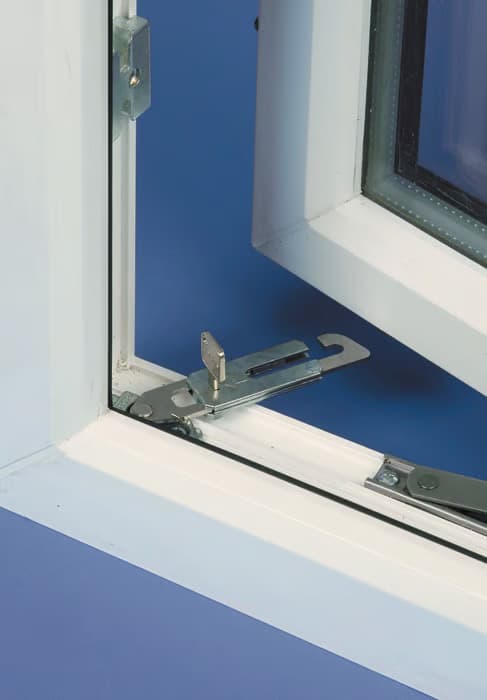
- Key-operated or keyed release: Restrictors that require a key to open beyond the limit. Useful in communal areas or properties with vulnerable tenants; ensure keys are available for escape if needed.
- Push-button or emergency release: Devices that can be released from inside without a tool. These are preferred where means of escape must be maintained for fire safety.
- Sash restrictors and mortice fittings: For vertical sliding sash windows, specialised sash restrictors are fitted into the sash or frame without disturbing the balance mechanism.
Select a restrictor based on window material (uPVC, aluminium, timber), weight of the sash, and whether the window is an escape route. For rooms that must provide escape in a fire, choose a restrictor with an immediate internal release; avoid key-only devices unless keys are retained in the property in a labelled, accessible location.
Practical installation and trade tips
Fitting a window restrictor is straightforward for an experienced tradesperson; competent DIYers can fit basic types if they follow manufacturer instructions. Key practical points:
- Survey first: Check the window type, frame thickness and glazing bead arrangement. Some aluminium and slim-line frames need pop rivets or special fasteners rather than wood screws.
- Positioning: Fit the restrictor so the sash is limited before it can reach an unsafe opening. For casements, fit on the hinge side or top corner opposite the locking handle; for sash windows, install the restrictor on the sash rail.
- Use the correct fixings: Stainless steel screws are recommended for corrosion resistance; choose fixings appropriate for the substrate. Do not use long screws that penetrate through uPVC frames into glazing or compromise the profile.
- Pilot holes: Drill pilot holes to the diameter recommended by the restrictor manufacturer to avoid splitting timber or distorting uPVC frames. For metal frames, use pop rivets or self-tapping metal screws as specified.
- Strength and testing: Ensure the restrictor is fixed to the frame, not just the glazing bead. After installation, cycle the window multiple times and test the restrictor under load to confirm secure operation.
- Weather and condensation: Position fixings to avoid creating cold bridges that can exacerbate condensation; seal screw heads where necessary to prevent water ingress.
Compliance, safety and emergency escape
As a landlord you must balance safety from falls with the ability to escape in an emergency. Points to consider:
- Where a window provides an intended escape route, fit a restrictor that can be released from inside without a tool; emergency-release restrictors or push-button types are commonly used.
- For upper-floor windows where escape is not required, restrictors that limit the opening to around 100mm help prevent child falls; ensure the restrictor still allows adequate ventilation.
- Keep records: document the type, location and fitting date of all restrictors; include this information in the property inventory and handover pack for tenants.
- Check relevant standards and product testing: use restrictors that carry manufacturer testing and certification to recognised UK or European performance standards.
- Consider tenants with mobility issues: a restrictor that is hard to release could impede an occupant who needs a clear escape route; use judgement and consult tenants where appropriate.
Maintenance and tenant guidance
Maintenance is essential to keep restrictors working and to avoid safety drift. Practical steps include:
- Inspect annually, or at change of tenancy: check fixings, cables and operating mechanisms for corrosion, wear or tampering.
- Lubricate mechanical parts with a suitable silicone or light machine oil where recommended by the manufacturer; avoid products that attract dust or degrade plastics.
- Train tenants: provide a short demonstration and written instructions on how to use emergency-release devices, and where keys are stored if key-operated restrictors are used.
- Respond promptly to reports of malfunction: a faulty restrictor that jams open or closed creates risk; replace or repair with a like-for-like, certified product.
DIY versus professional installation
Simple restrictors can be fitted by competent DIYers using basic tools: tape measure, spirit level, appropriate drill bits and screwdrivers. For specialist frames, sash windows with counterbalances, or where restrictors form part of a fire strategy, use a qualified window fitter or locksmith. Professional installation ensures correct load-bearing fixings, preserves warranty and reduces the risk of incorrect fitting that can void insurance or create safety issues.
Where to find products and further reading
Choose products from reputable suppliers and ensure compatibility with your window system. For broader information on window security and locking options, see our pillar page: /c/windows-restrictors. Keep product certificates and installation instructions with your property records.
Recommended Products
Based on this article, you may find these products helpful:
- UAP Keyless Window Restrictor
- TSS Keyless Cable Window Restrictor
- TSS Fixed Cable Window Restrictor
- RES Lock Concealed Window Restricto
- Restricted Friction Stay Hinges
Conclusion and next steps
Window restrictors are an effective, low-cost measure to improve safety and security in rental properties when specified and installed correctly. Next steps for landlords: survey your properties to identify windows needing restrictors; decide on the appropriate restrictor type for escape routes and child safety; assemble documentation for each installation; and either schedule DIY installations where appropriate or book a qualified tradesperson for more complex cases.
If you need product recommendations or installation support, contact a window hardware specialist or an experienced window fitter to assess suitability and supply certified restrictors matched to your frames.
Related articles
Window Restrictors
What Is a Cable Window Restrictor? How They Work
What Is a Cable Window Restrictor? How They Work A cable window restrictor is a simple mechanical device fitted to a window to limit how far it can open. I...
Cable Window Restrictor Safety Features Explained
Cable Window Restrictor Safety Features Explained What a cable window restrictor does and where it is used A cable window restrictor is a safety device fit...