
How Window Restrictors Prevent Falls: Safety Mechanisms
How Window Restrictors Prevent Falls: Safety Mechanisms A window restrictor is a simple but highly effective piece of hardware that prevents a window from ...
How Window Restrictors Prevent Falls: Safety Mechanisms
A window restrictor is a simple but highly effective piece of hardware that prevents a window from opening beyond a safe distance; this reduces the risk of falls for children, vulnerable adults and anyone working at height. Installed correctly, restrictors allow ventilation while restricting the opening to an agreed limit; they are an essential safety item for homes, schools, care settings and commercial properties across the UK. This article explains how they work, the main types, installation and maintenance tips for trade professionals and DIYers, and key regulatory considerations.
How window restrictors work
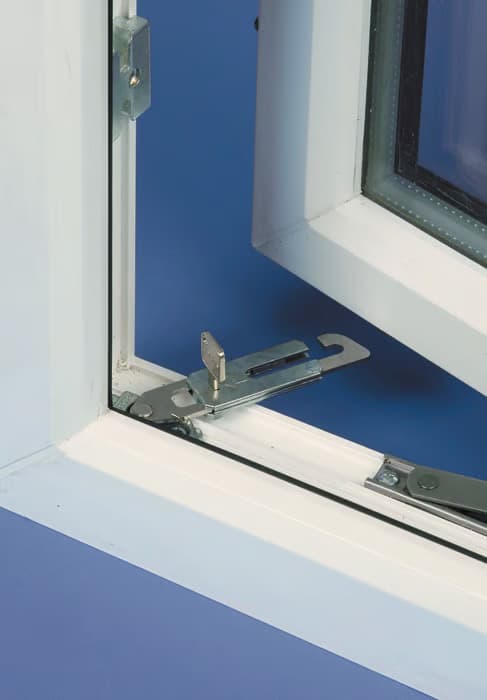
Most restrictors operate by physically limiting the sash travel or by locking the window into a partially open position. Common mechanisms include mechanical cables, articulated arms and locking bars with a release function. When fitted between the sash and the frame, the restrictor carries tensile or compressive loads to stop the sash opening beyond the manufacturer-stated angle or gap. Some restrictors have a keyed or push-button release to allow full opening for cleaning or escape; others offer a permanent limit for high-risk locations.
Types of restrictor and where to use them
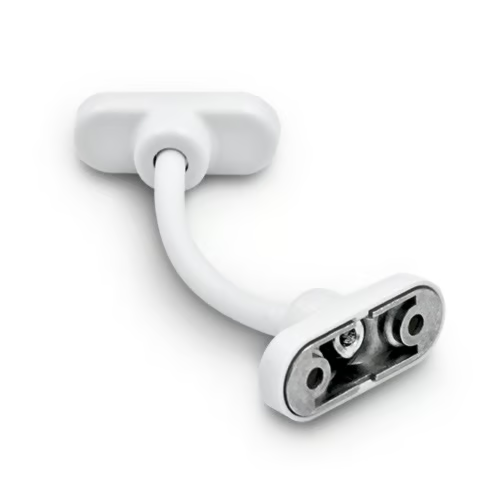
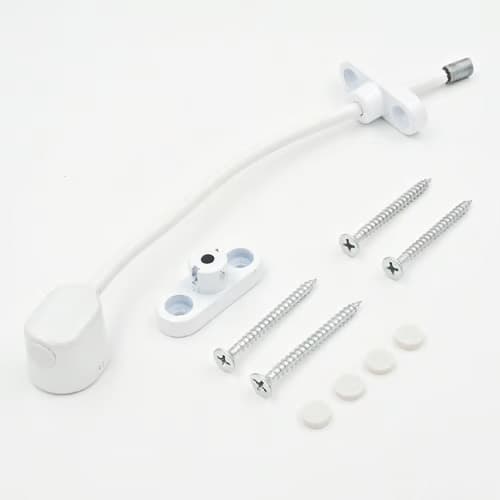
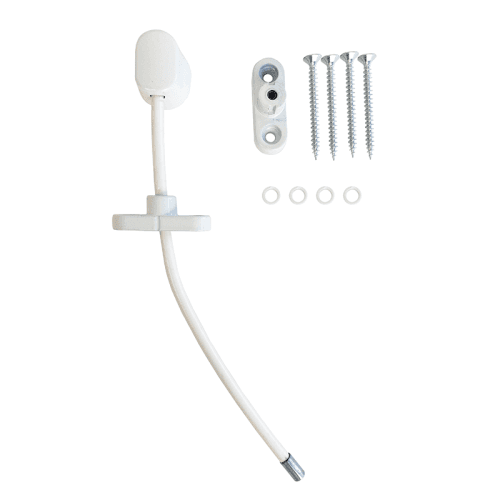
- Cable restrictors: A stainless steel cable connects sash to frame; compact and unobtrusive; suitable for top-hung and side-hung windows.
- Arm or hinge restrictors: Metal arms limit opening; typically used on outward-opening casements and vertical sliders.
- Locking restrictors (keyed or push-button): Allow authorised release; suited to flats and care settings where controlled access is needed.
- Sash limiters: Specifically for vertical sliding sash windows; prevent sash from rising above a safe limit.
- Egress-compliant restrictors: Designed to allow rapid one-handed release from the inside for emergency escape; use where fire egress cannot be compromised.
Selecting the right restrictor: trade advice
When specifying restrictors, consider these practical factors:
- Compatibility with the window type and material: aluminium, uPVC and timber profiles need different attaching methods; ensure the restrictor is rated for the frame material.
- Load and performance classification: choose products tested to recognised standards; performance classes under relevant EN/BS standards indicate durability and strength.
- Fixing method: for thin-walled aluminium profiles or hollow uPVC, use through-bolts or backing plates to avoid pull-out; stainless steel screws are recommended for corrosion resistance on coastal sites.
- Opening limit: set an opening limit appropriate to the location; for homes with young children, limits of 100–150mm are common; in rooms where egress is required, specify egress-capable restrictors.
- Weather and corrosion protection: for exposed locations, choose finishes and materials resistant to corrosion, such as 316 stainless steel or suitably treated alloys.
DIY and professional installation guidance
Fitting a window restrictor is straightforward for competent DIYers on standard windows; however, trade professionals should handle complex situations and ensure compliance with regulations. Follow these steps for a typical installation:
- Choose the restrictor model suitable for the window type; read the manufacturer instructions before starting.
- With the sash closed, decide the safe opening gap and mark the positions on sash and frame ensuring the restrictor will lie flat and not foul hardware.
- Pilot drill using the correct diameter drill bit; for uPVC, use a sharp bit and avoid excessive depth to prevent damage to reinforcement cavities.
- For thin or hollow profiles, fit a backing plate or use through-bolts with a nut on the opposite side to distribute load; do not rely on short self-tapping screws in hollow cavities.
- Screw the restrictor securely but avoid over-tightening which may deform the mounting plate or inhibit movement; use a torque-limited screwdriver if available.
- Test the restrictor through the full range: open to the restricted position, check that the sash is steady and that the release (if fitted) operates smoothly.
- For keyed or emergency-release models, ensure keys or release mechanisms are accessible and labelled; for communal areas, consider supervised key management.
Testing, maintenance and inspection
Regular checks keep restrictors effective and safe. Recommended maintenance includes:
- Visual inspection every 6–12 months: look for corrosion, fretting, damaged cables or stripped threads.
- Operation check: open and close the window through the restricted range to ensure smooth movement and secure engagement of locks or catches.
- Lubrication: apply a light machine oil or manufacturer-recommended lubricant to pivot points; avoid heavy greases that attract dirt.
- Fastener check: verify screws and bolts remain tight; replace corroded fixings immediately.
- End-of-life replacement: if a restrictor shows wear, excessive play or loss of structural integrity, replace it rather than attempt repair.
Regulations, safety and special considerations
Restrictors must be specified with compliance in mind: Building Regulations Approved Document K covers protection from falling; designers and installers should also refer to applicable British and European standards for window hardware and building safety. Avoid fitting restrictors that prevent escape in rooms where windows are designated fire escape routes unless the restrictor is egress-compliant and can be overridden quickly from the inside.
In flats and high-rise buildings, coordinate with building management and fire safety advisers before retrofitting restrictors; there may be specific requirements related to means of escape and communal areas. For childcare, education and care-home settings, follow sector guidance and local authority recommendations for window safety.
Common pitfalls and trade tips
- Do not assume all fixings are interchangeable: use the manufacturer-recommended screws or bolts to maintain warranty and performance.
- Avoid fixing into thin uPVC skin without reinforcement: use backing plates or extend fixings into reinforced zones.
- Check for obstructions: run cables and arms so they will not snag on curtains, hardware or glazing beads.
- Provide clear instructions to occupants: label windows with keyed restrictors and explain how to use egress features.
Recommended Products
Based on this article, you may find these products helpful:
- UAP Keyless Window Restrictor
- TSS Keyless Cable Window Restrictor
- TSS Fixed Cable Window Restrictor
- RES Lock Concealed Window Restricto
- In-Line Window Mechanism
Conclusion and next steps
Window restrictors offer an effective barrier against falls when chosen, installed and maintained correctly. For homeowners, simple cable or arm restrictors fitted to high-risk windows can reduce the risk to children while still permitting ventilation. For trade professionals, careful specification—considering frame material, fixings and compliance with building regulations—is essential. If you need more detailed specifications or product choices, see our pillar page /c/windows-restrictors for product ranges, standards and installation guides. If you are unsure whether a restrictor will affect emergency escape, consult a fire safety professional before fitting.

Related articles
Window Restrictors
What Is a Cable Window Restrictor? How They Work
What Is a Cable Window Restrictor? How They Work A cable window restrictor is a simple mechanical device fitted to a window to limit how far it can open. I...
Cable Window Restrictor Safety Features Explained
Cable Window Restrictor Safety Features Explained What a cable window restrictor does and where it is used A cable window restrictor is a safety device fit...