Parliament Hinge Installation: Opening Doors 180 Degrees
Parliament Hinge Installation: Opening Doors 180 Degrees. Parliament hinges are specialised butt hinges with projecting leaves that allow a door or window ...
Parliament Hinge Installation: Opening Doors 180 Degrees. Parliament hinges are specialised butt hinges with projecting leaves that allow a door or window to swing clear of the frame and lie parallel to the adjacent wall; they are the go-to solution where a full 180 degree opening is required. This post provides practical advice for UK homeowners and trade professionals on selecting, fitting and commissioning parliament hinges so an opening sits neatly back against a wall without fouling architrave, skirting or adjacent windows.
What is a parliament hinge and how it works
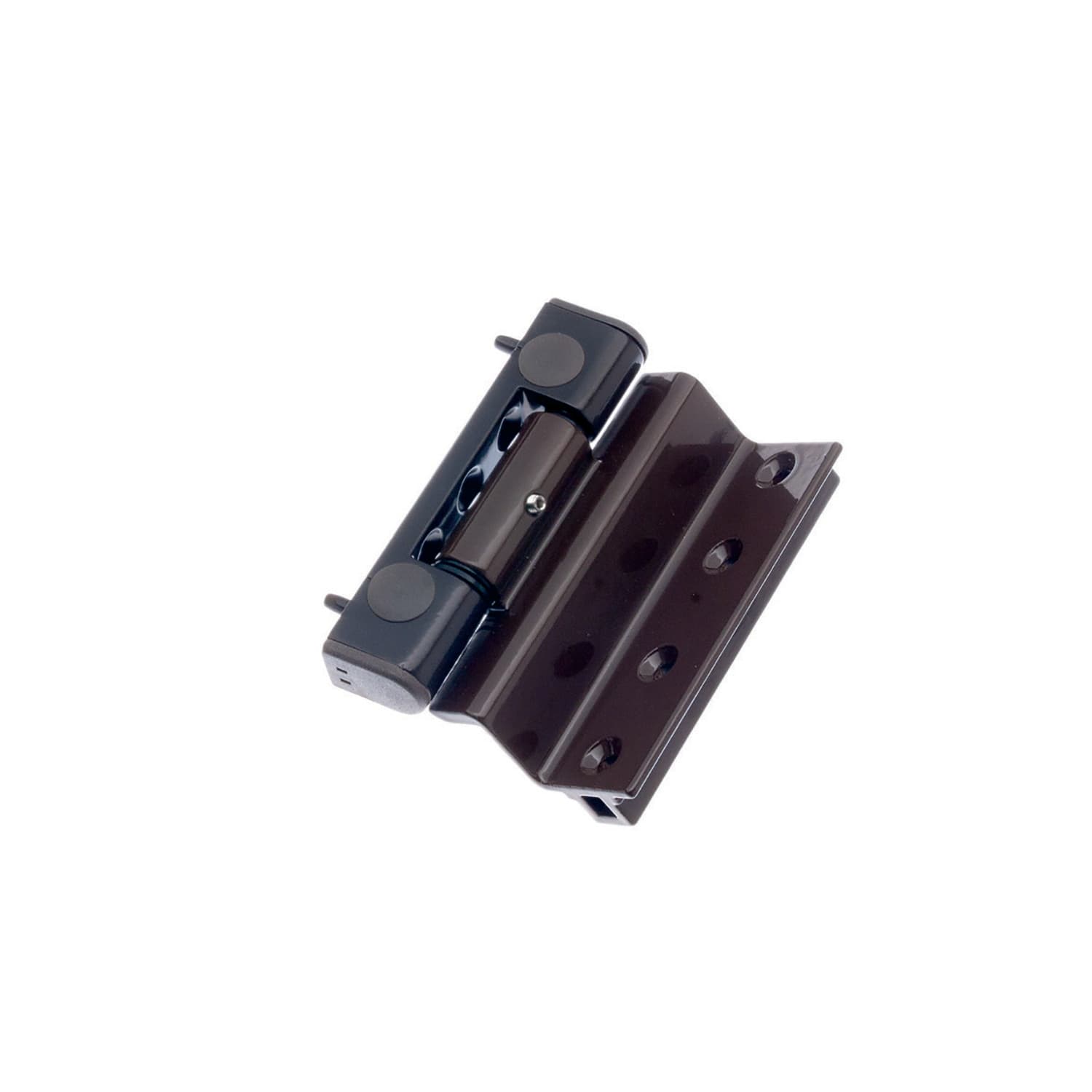
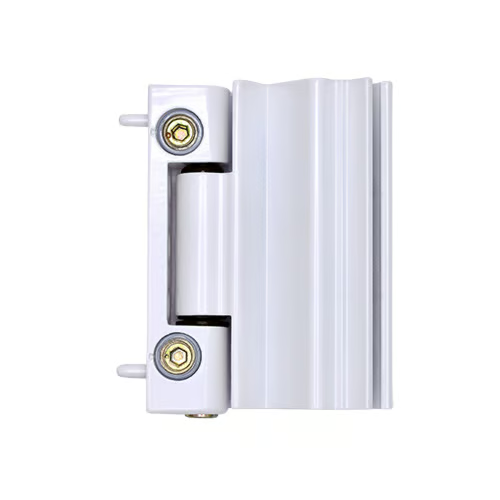
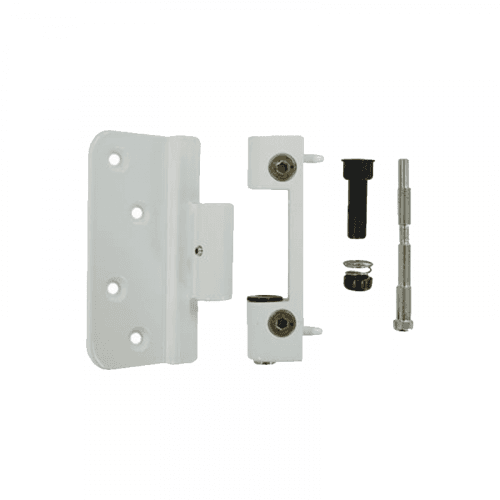
A parliament hinge has leaves that project further off the face of the frame than a standard butt hinge. This projection creates a clearance between the door and the frame when the door is open; the door can then swing past 90 degrees and, depending on frame detail, up to 180 degrees. They are available in mortice and non-mortice styles; some have separate butt knuckles and others are loose-pin or welded. For heavy or heavily used doors choose ball-bearing parliament hinges to prevent wear and keep the operation smooth.
When to use parliament hinges
Typical applications include:
- Doors that need to fold back against a wall or alongside timber shutters and casement windows.
- Doors in narrow hallways where full opening improves access; for example to move furniture.
- Bi-fold applications where a projecting hinge allows panels to clear one another.
- Where architrave or skirting would otherwise block a wide opening.
Parliament hinges are not a cure for undersized openings; they change the pivot point and clearance, not the door width. Also avoid swapping standard fire-rated hinges for non-rated parliament hinges on a fire door unless the replacement is specifically fire-rated.
Selecting the right parliament hinge
Consider these factors when choosing a hinge:
- Size: Typical sizes are 75mm, 89mm and 100mm. Heavier doors generally need larger hinges; as a rule use 3 hinges for doors over 1980mm tall.
- Material and finish: Use stainless steel or corrosion-resistant finishes for external or damp locations; for heritage properties choose matching finishes such as satin chrome or antique brass.
- Type: Mortice parliament hinges sit in a rebate for a flush fit; surface-mounted or loose-joint types are quicker to fit and useful where cutting a mortice is not desirable.
- Load rating: Check manufacturer load ratings; for heavy doors, specify ball-bearing variants and possibly security fixings.
- Fire certification: If the door forms part of a compartmentation strategy, ensure any replacement hinges are fire-rated and maintain the door’s certification.
Tools and materials you will need
- Parliament hinges (appropriate size and finish).
- Screws: matching manufacturer recommendations; stainless for exterior use.
- Tape measure, set square and pencil for marking.
- Chisel and mallet, or a router and jig for precise mortices.
- Drill with appropriate bits and countersink; Pozi or Phillips screwdrivers.
- Spirit level and door props or wedges.
- Packers and shims to set consistent gaps.
- Lubricant such as light machine oil for moving parts.
Step-by-step installation
Follow these steps for a secure, accurate installation. Tradespeople should maintain safe working practice and use appropriate PPE; DIYers who are unsure should consult a professional.
- Preparation: Remove old hinges and check door and frame condition. Reuse existing hinge positions only if they are suitable for the projecting profile; otherwise mark new positions. Typical vertical positions are 150mm from top, 150mm from bottom and mid-height for a third hinge if required.
- Marking: With the door held in the closed position against the frame mark the hinge locations on both door and frame. Account for the additional projection when marking so the door, when open, will clear architrave and skirting.
- Morticing: If fitting mortice hinges, cut rebate depth to match the hinge leaf thickness. Use a router with a jig for accuracy, or chisel carefully; keep the rebate depth even so the hinge sits flush. For surface-mounted hinges, ensure the face is flat and securely fixed.
- Pilot holes and screw lengths: Pre-drill pilot holes to prevent timber splitting. Choose screw length so at least two thirds of the screw embeds into solid timber. Countersink where required so screw heads sit flush.
- Fixing sequence: Attach the hinge leaves to the frame first, then lift the door and engage the leaves. Use temporary supports or wedges to maintain consistent gaps top and bottom. Fix the door-side leaves, checking alignment and dead-stops at each stage.
- Adjustment and testing: Check the swing to full opening; the door should clear architrave and sit parallel to the wall when fully open. If it binds, adjust by easing the mortice slightly or using shims behind the hinge leaf. Lubricate the knuckles and tighten fixings once satisfactory.
Practical trade tips and troubleshooting
- Pack to maintain gaps: Keep a consistent reveal of 2 to 3mm between door and frame and around 5mm above the floor; this prevents binding when doors expand in high humidity.
- Secure fixings into solid timber: Avoid plasterboard or thin brickwork; if necessary, fit a timber backing plate in the frame or use long coach screws into solid timber behind.
- When doors do not reach 180 degrees: Check for architrave or skirting protruding too far; sometimes trimming the architrave or routing a rebate in one face will allow the required clearance. Also verify the hinge projection is adequate for the thickness of the door and frame detail.
- For heavy traffic doors: Consider continuous hinges or additional hinges for weight distribution to reduce wear and prevent sagging.
- Weather-sealing: If the door is external, ensure seals are compatible with the increased movement; consider threshold and astragal adjustments.
Recommended Products
Based on this article, you may find these products helpful:
- Flag Door Hinge - Stainless Steel
- Adjustable Flag Hinge - 100mm
- ERA Challenger 3D Rebated Hinge
- Challenger Door Hinge
- UAP Adjustable Hinge for Composite Doors
Conclusion and next steps
Parliament hinges are an effective, relatively simple way to gain a full 180 degree opening where space and frame detail allow. Choosing the correct size, material and fixing method is essential; precision when morticing and aligning will deliver a smooth long-term operation. If the door forms part of a fire escape or is a fire door, confirm any hinge replacements meet the required certification before fitting. For further technical details on hinge types and specifications see our pillar page on door hinges: /guides/door-hinges.
Next steps: select the correct hinge size and finish, gather the tools listed above and perform a site check for clearance. If you are unsure about fire-rating or structural backing, consult a qualified tradesperson; for common installations you should be able to fit parliament hinges accurately with the guidance provided here.