Parliament Hinge Problems: Common Issues and Fixes
Parliament Hinge Problems: Common Issues and Fixes What is a parliament hinge and where it is used A parliament hinge is a type of butt hinge with one or b...
Parliament Hinge Problems: Common Issues and Fixes
What is a parliament hinge and where it is used
A parliament hinge is a type of butt hinge with one or both leaves set away from the knuckle so the door or window clears any moulding, frame or trim when opened. They are commonly used on French doors, outward-opening exterior doors and some casement windows where a wide swing or full 180 degree opening is required. The extra projection makes them ideal where a flush opening is needed while preserving decorative architraves or external trims.
Typical faults you will encounter
Both trade professionals and DIYers will see a recurring set of faults with parliament hinges. Knowing the likely causes helps with quicker diagnosis and repair:
- Stiff or squeaky movement: Lack of lubrication, paint buildup or contaminated grease.
- Door sag or misalignment: Worn hinge knuckles, loose fixings, undersized screws or timber shrinkage.
- Hinge leaf pulling away from the frame: Insufficient fixing length or fixing into thin or rotten timber.
- Corrosion and staining: Incorrect material for a coastal environment or poor finish.
- Door binding at the head or jamb: Incorrect hinge position, wrong hinge type or frame twist.
- Excessive play in knuckle: Wear from heavy use; may cause rattling and poor sealing.
- Paint or filler jamming hinge: Overpainting after installation without protecting knuckle.
Basic inspection steps
Before starting work, carry out a quick inspection so you apply the correct fix:
- Open and close the door slowly to spot where it binds or squeaks.
- Check screw tightness on both leafs and whether screws bite into solid timber; test each screw with a screwdriver or driver bit.
- Look for corrosion, missing washers or bent leafs.
- Examine the frame and door edge for split or rotten timber; moisture damage often underpins hinge failure.
- Note the hinge type and size; replace like for like where possible to preserve geometry.
Practical fixes: step-by-step
Use the following stepwise remedies, ordered from simplest to most involved. Trade professionals may skip trivial steps; DIYers should take time to prepare and protect surrounding surfaces.
1. Lubrication and cleaning
- Remove surface dirt and old paint with a soft brush and cloth.
- Apply a light machine oil or silicone/lithium grease into the knuckle; avoid penetrating sprays that evaporate quickly such as generic WD-40 as a long-term lubricant.
- Work the door open and closed to distribute the lubricant; wipe off excess.
2. Tighten and upgrade screws
- Tighten all screws and retest. If screws spin in the hole, remove and replace with longer screws that penetrate at least 35–40mm into solid timber; coach screws or wood screws of 4.5–5mm diameter are common for heavy doors.
- Use a pilot hole about 75% of the screw core diameter to avoid splitting hardwoods.
- For external frames with thin lining, fit packers behind the hinge leaf rather than relying on surface fixings.
3. Re-positioning and shimming
- If the door binds at the head or jamb, loosen the hinge screws slightly, adjust the leaf position and retighten. Small lateral movements can correct binding.
- Where vertical sag is present, raise the door by packing behind the top hinge leaf or lowering the bottom hinge; use thin PTFE or hardwood shims of 1–3mm to get incremental adjustment.
4. Replace worn or corroded hinges
- Support the door with a prop or second person, remove the hinge screws and replace with an exact style and size; match the projection so the swing remains correct.
- For coastal locations specify 316 stainless steel or marine-grade finishes to prevent pitting and staining.
- Consider ball-bearing parliament hinges for heavy or high-use doors; they reduce wear and improve longevity.
5. Repair rotten timber
- Where fixings pull out due to rot, remove decayed timber and reinstate with a suitable repair resin or replace the section of jamb. For small areas, epoxy repair kits can restore screw hold.
- On exterior doors with extensive rot seek timber replacement; temporary fixes are not reliable for security-critical components.
Trade tips and specifications
Small decisions at installation prevent most service calls later:
- Material choice: Use brass-plated or stainless hinges for external doors; 316 stainless is recommended for coastal or high-corrosion environments.
- Screw length: Ensure screws penetrate at least 35–40mm into solid timber; for heavy doors fit at least three hinges with the top and bottom hinge within 200mm of the ends.
- Sealant clearance: Allow 2–4mm clearance around edges for weatherstripping; parliament hinges project out so check for clashes with thresholds and trims.
- Protection during painting: Mask or grease the knuckle to avoid paint seizing the hinge; if painted over, carefully cut paint with a scraper to free movement.
- Security: For outward-opening doors fit security washers, security screws or hinge bolts to resist forced entry where the hinge is exposed.
When to call a professional
Tackle lubrication, screw upgrades and small adjustments yourself if you have basic tools and confidence. Call a professional supplier or joiner if any of the following apply:
- Extensive timber rot or structural frame movement.
- The door is glazed and requires removal or temporary support to avoid damage.
- Security is a concern and you need specialist hinge bolts or PAS24 compliant hardware.
- Multiple hinges are worn and you want an upgraded specification to ball-bearing or stainless steel hinges.
Recommended Products
Based on this article, you may find these products helpful:
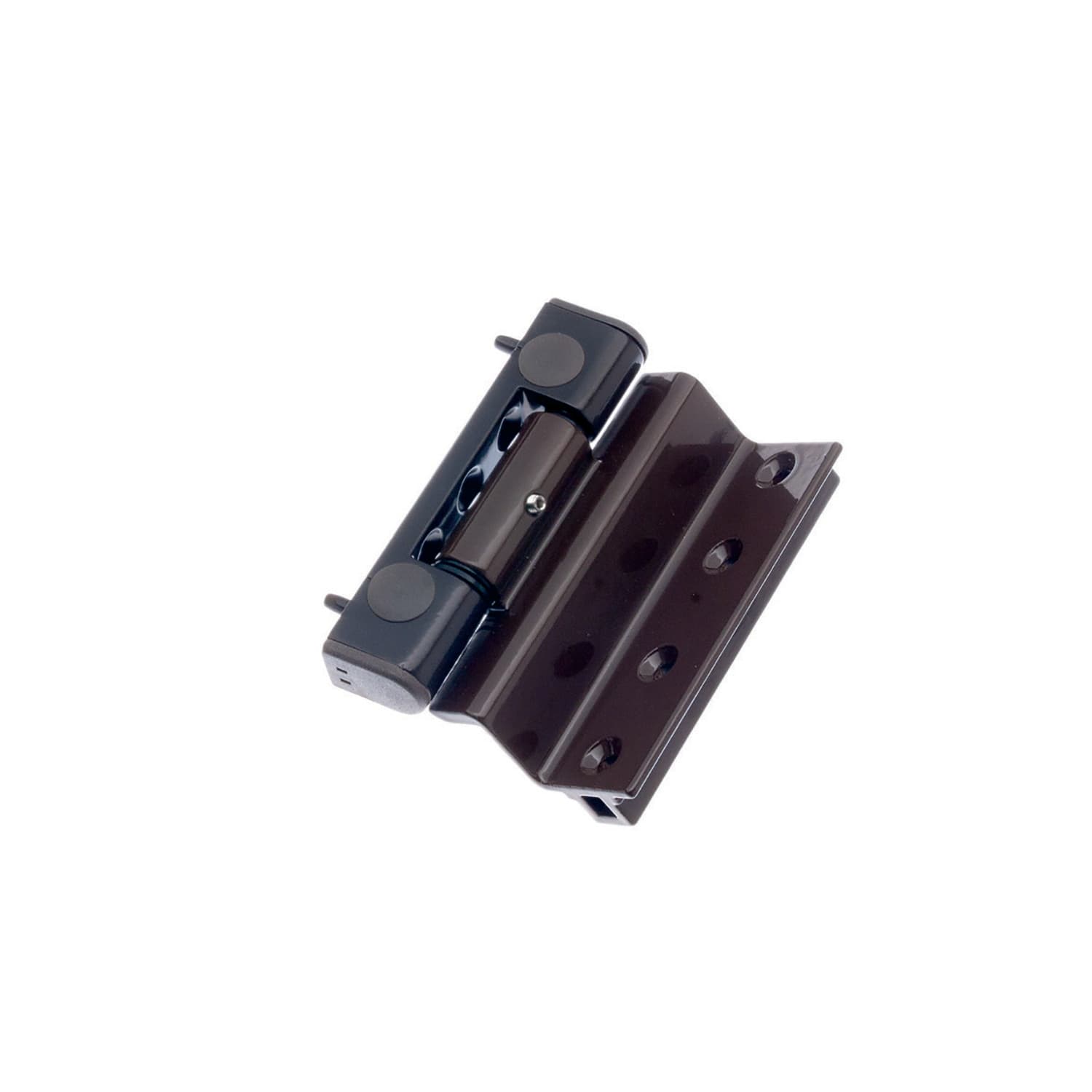
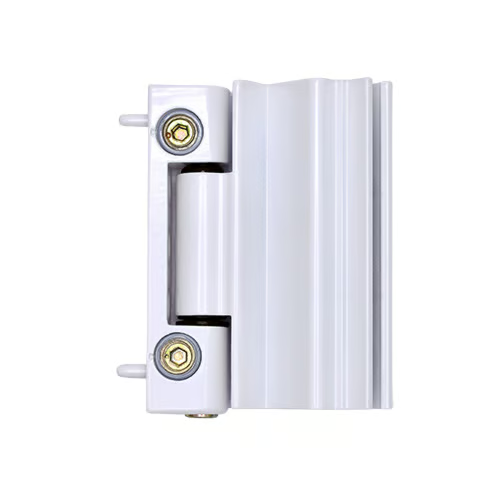
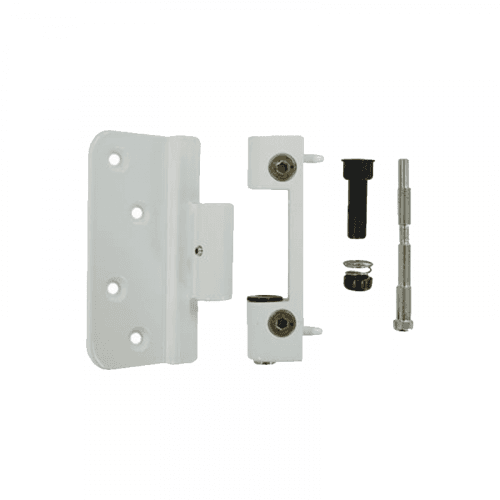
- Flag Door Hinge - Stainless Steel
- Adjustable Flag Hinge - 100mm
- ERA Challenger 3D Rebated Hinge
- Challenger Door Hinge
- UAP Adjustable Hinge for Composite Doors
Conclusion and next steps
Most parliament hinge problems are straightforward to diagnose: check lubrication, tighten or replace screws, and address timber condition. Use correct materials for the environment and consider upgrading to ball-bearing or marine-grade hinges for heavy doors or coastal locations. If you need parts, specialist tools or on-site repairs, contact your local trade supplier for advice and matching hardware.
Next steps: inspect the hinge for the fault types listed above; try cleaning and lubricating first; if the issue is load-related or caused by rot, schedule a repair with a qualified carpenter. For product choices and fittings see our door hinges hub: /guides/door-hinges or get in touch with Window Hardware Store for technical support and trade pricing.